REVIEW · PRAIA
Serra Malagueta: Principal Valley Hike & Lunch with Locals
Book on GetYourGuide →Operated by Bu Country Tours · Bookable on GetYourGuide
A short mountain walk can tell a lot. This day trip pairs a Serra da Malagueta National Park trek with the Principal Valley scenery, then tops it off with lunch in a local home. I especially like the way the route stitches together sea-air views with real rural life—house groups on slopes, water streams between vegetable plots, and plantations you can actually picture.
Two standout things for me: the lunch with a local family (warm welcome, and a proper main dish with your choice of fish or meat, plus legumes and rice) and the on-the-ground guide help, like the way guides such as Peter and Elton focus on flora, fauna, and local context. One drawback to plan around: the trail is listed as moderate, with narrow sections and a steep, rough feel in spots, so you’ll want solid footwear and hiking pants if you’re visiting in late summer into fall.
In This Review
- Key things that make this hike worth your time
- Serra da Malagueta first: where the air and the views change fast
- The Principal Valley hike: a moderate trail with narrow, steep moments
- Early settlements and village life on the slopes
- Streams, mango trees, and plantations as you walk
- Mato Dento lunch: home-cooked food with a real welcome
- Principal Dam: the practical reason behind the scenery
- The east-coast drive back: panoramas without the backtracking
- What the day really costs: $111 and the small park fee detail
- Does $111 feel fair for what you get?
- Pickup from Praia: quick, organized, and worth verifying
- What to bring (and what to wear) so the hike feels easier
- Who should book this hike, and who might prefer another option
- A note about guide style: ask questions early
- Should you book Serra Malagueta: Principal Valley with a local lunch?
- FAQ
- How long is this tour, and how much time do I walk?
- What’s included in the lunch with the local family?
- Do I need to pay a park entrance fee?
- Is pickup from Praia included?
- What languages are tour guides available in?
- What should I bring and wear for the hike?
Key things that make this hike worth your time
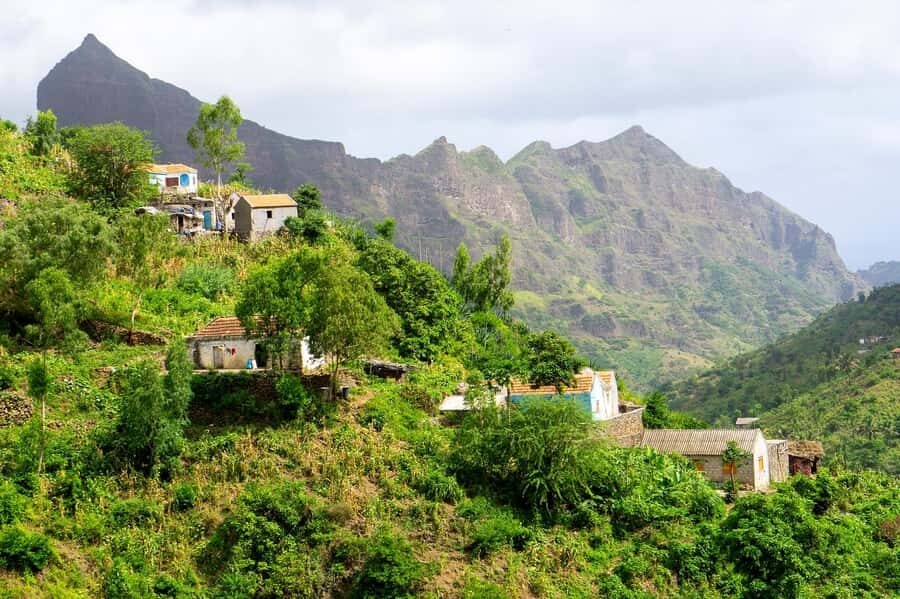
- Serra da Malagueta views plus Principal Valley walking in one connected route
- Home-style lunch in Mato Dento with a local family and Morabeza hospitality
- Photo-friendly scenery: streams, fruit trees, and scattered traditional house groups
- Plants and wildlife focus from the guide (often including practical info on what you’re seeing)
- East-coast drive panoramas on the way back toward Praia
Serra da Malagueta first: where the air and the views change fast
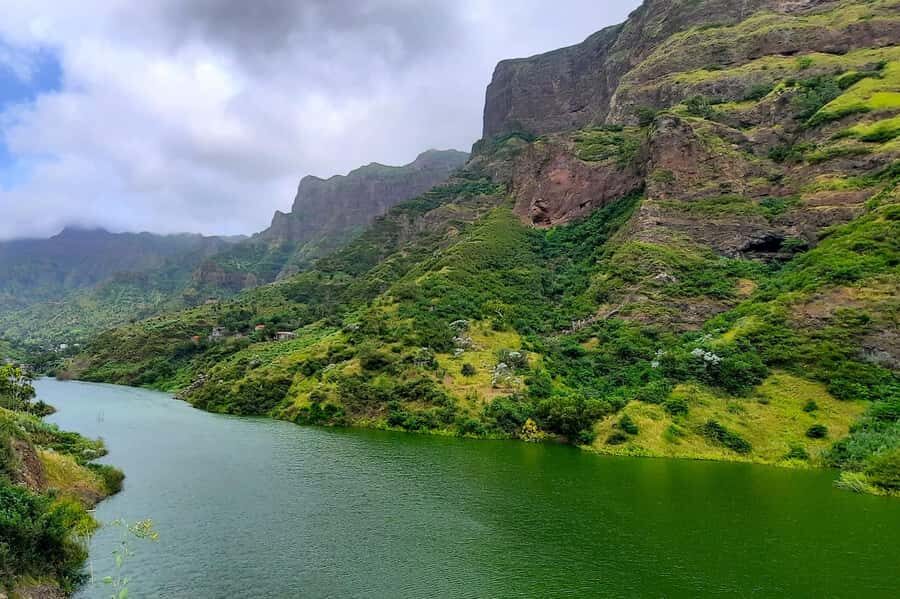
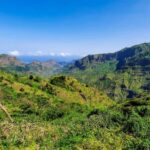
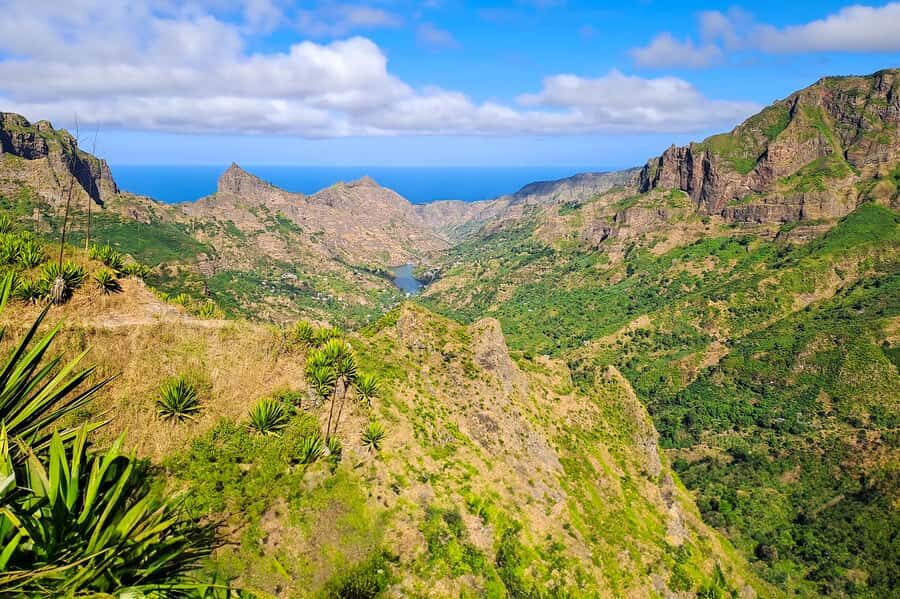
This tour starts by getting you out of Praia and up into the Serra da Malagueta area. Once you’re in the higher elevations, the feel of the day shifts. The program is built around a mild climate start from the second-highest point on the island, and that matters because it makes the hike feel more doable than you might expect from a mountain trail.
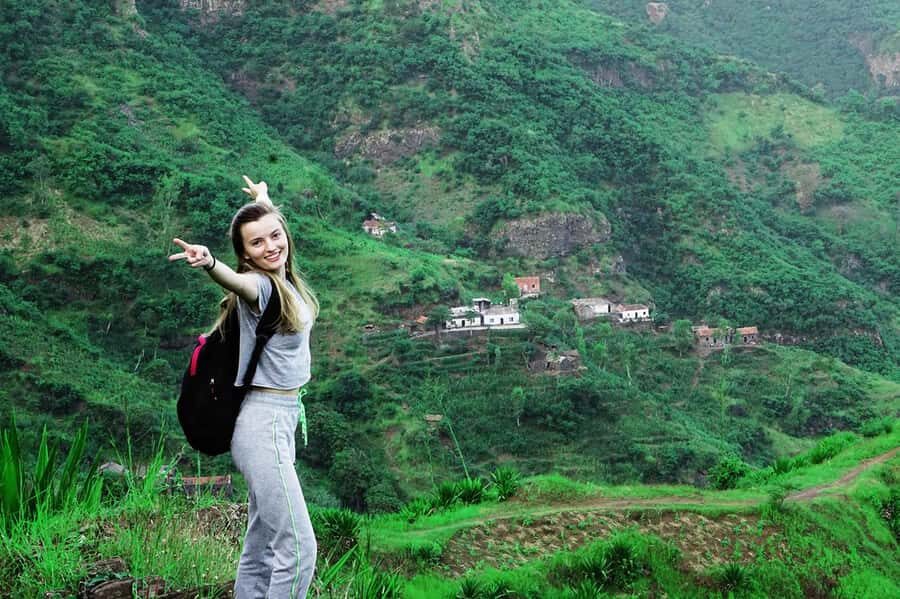
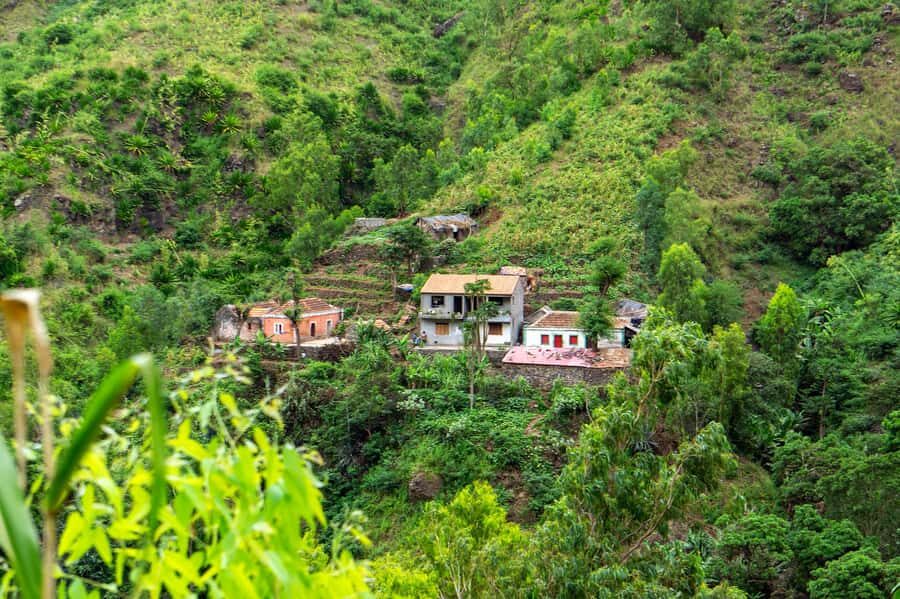
You’ll begin breathing in the fresh mountain air while the guide sets the tone. What I like here is the emphasis on things you can see and touch: small water streams working their way between vegetable patches and fruit trees, plus traditional house groups scattered on the slopes. It’s not just a walk with a view. It’s a walk through the working geography of the island—how water and farming shape where people live.
If you’re the kind of traveler who likes photos, this is friendly terrain. You’ll keep getting “frame-worthy” moments: slopes with low homes, running water, and cultivated pockets of land that look like they’ve been placed carefully, not randomly.
A few more Praia tours and experiences worth a look

The Principal Valley hike: a moderate trail with narrow, steep moments

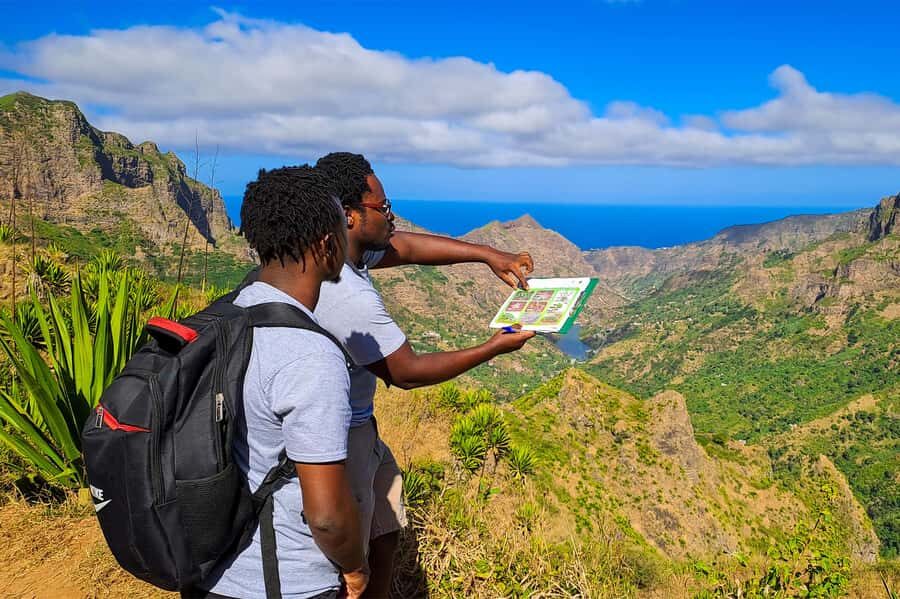
The core of your day is a one-way route through the Natural Park of Serra Malagueta and into the Principal Valley. The overview calls it a 3-hour trek, and the practical details list around 2–3 hours of total walking time. Either way, you’re looking at a focused chunk of time on foot, not a quick stroll.
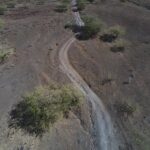
Distance is listed at about 4.5 km, so it’s not long on paper. But the trail isn’t presented as flat. You’ll see notes about a medium tilt and narrow paths. “Medium tilt” can still feel steep when the ground is uneven, so I treat this as a hike that rewards good footing and steady pace, not speed.
Elevation gain is listed at roughly 100 m, but the elevation loss/variation notes add a sense of push-and-pull on the route. Translation for you: expect ups and downs, and don’t judge the effort by distance alone. The maximum elevation is listed around 770 m, with a minimum around 120 m, so your body will feel it even if the climbs aren’t huge compared to big mountains.
Early settlements and village life on the slopes
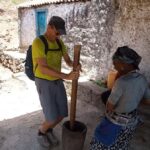
About an hour into the walk, you shift into the part of the route that really connects to local life. You’ll have a chance to explore early settlements, described as a good spot to connect with locals and learn about rural lifestyle and traditions. Even if you don’t understand every word in real-time, the structure of the day helps: you’re walking past the kinds of places that make those traditions possible—homes close to streams, fields, and tree lines.
This section also tends to be where the guide’s role matters most. Some guides lean heavily into explaining culture and country context; others focus more on the plants and the walk itself. In other words, you may get different levels of storytelling depending on who you’re with, so keep an eye out for the guide’s energy early on. If you’re hoping for lots of explanation, ask a question early and see how interactive they are.
Streams, mango trees, and plantations as you walk
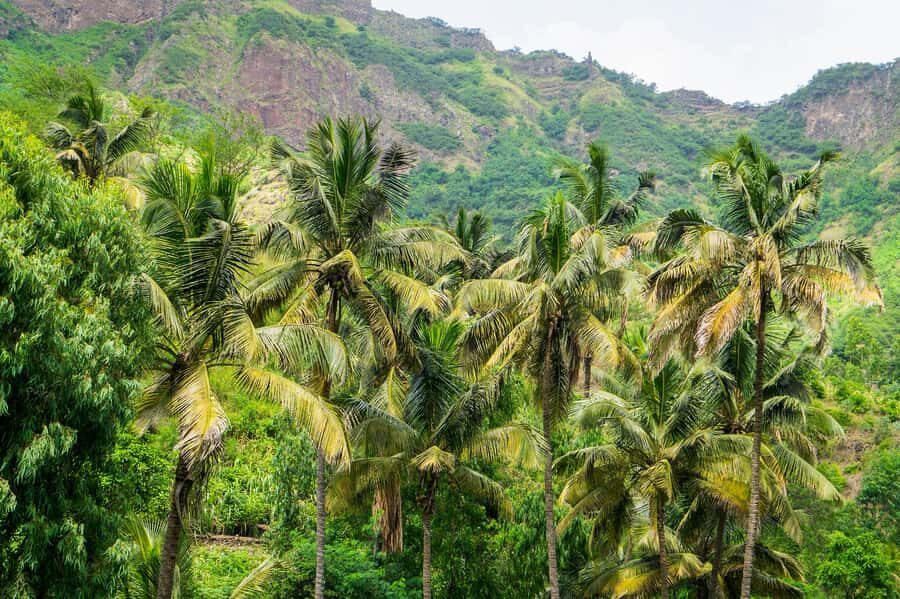
After the early settlement area, the route continues alongside another stream surrounded by mango trees, plus banana and sugar cane plantations before you reach Mato Dento for lunch.
This is a big reason the hike works well for “nature + culture” travelers. You’re not just hiking to a view and leaving. The trail is basically a guided walk through the island’s food and water systems. You’ll see how agriculture and landscaping overlap—streams aren’t just pretty; they’re part of the story.
Also, if you like wildlife, this part of the day is where guides often point out what’s around you. The tour is listed as having diverse fauna and flora, and multiple guides are praised for their knowledge in this area. Even when you can’t identify every species, you’ll at least walk away with a better sense of what to look for next time you’re outdoors on the island.
Mato Dento lunch: home-cooked food with a real welcome
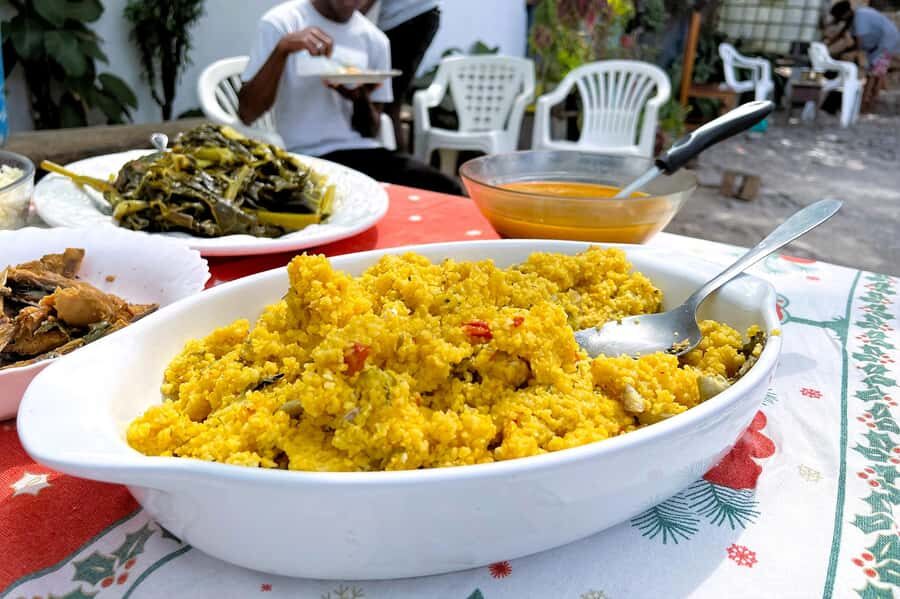
The highlight many people remember is lunch in Mato Dento with a local family. This is not a restaurant stop where the tour group funnels in and out. The day is designed so you arrive ready to eat and settle in, and then you experience a warm welcome.
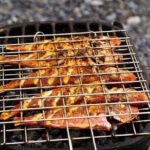
The lunch menu is clearly set: you’ll get a main dish with choice of fish or meat, served with legumes and rice, plus water. That’s the practical part. The better part is the context: you’re eating in the middle of the rural landscape you just walked through, so the meal feels like part of the day’s rhythm, not a separate checkbox.
A couple of small planning notes for you. First, the tour includes lunch, but you still should bring your own water as recommended. Second, since you’re hiking beforehand, you’ll likely want a snack or light breakfast so you’re comfortable waiting for the lunch hour.
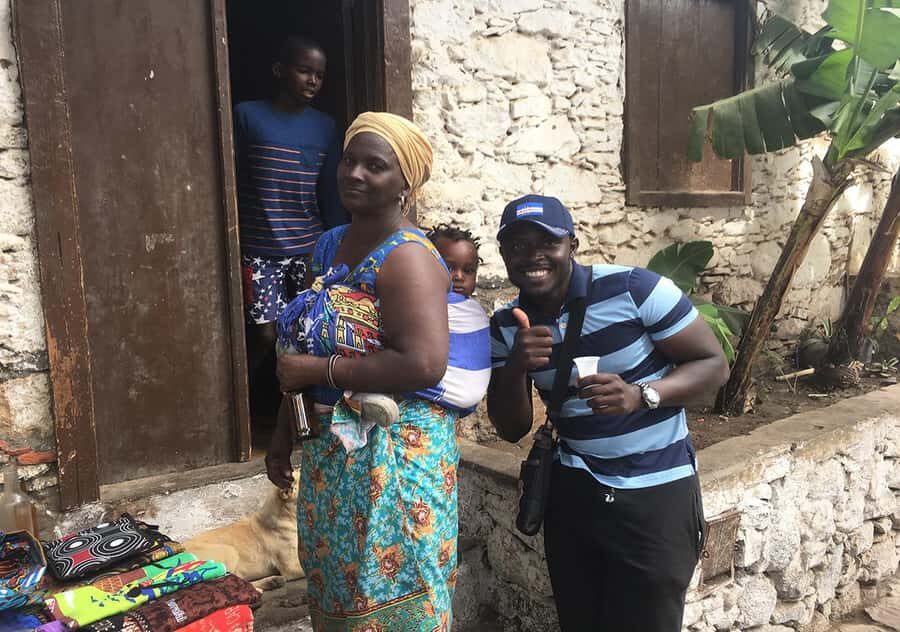
And yes, the experience is designed around Morabeza hospitality. I like it because it’s not staged. Even without a long conversation, you can sense what matters to the family: feeding you well and making you feel like the visit is welcome.
You can also read our reviews of more hiking tours in Praia


Principal Dam: the practical reason behind the scenery
On the back half of the route, you pass by the Principal Dam. The tour explains it was built to help local families with irrigation, and that detail matters. It turns what could be a simple landmark into something more meaningful.
Instead of looking at the dam as a photo spot, try thinking of it as infrastructure. When you look at the slopes, streams, and plantations earlier, you now have a reason why that system can work. The walk starts with water you can see. The dam is where that water management connects back to farming and daily life.
This is one of those moments where the tour earns its value. It doesn’t just transport you through scenery. It ties the scenery to how the island supports people.
The east-coast drive back: panoramas without the backtracking
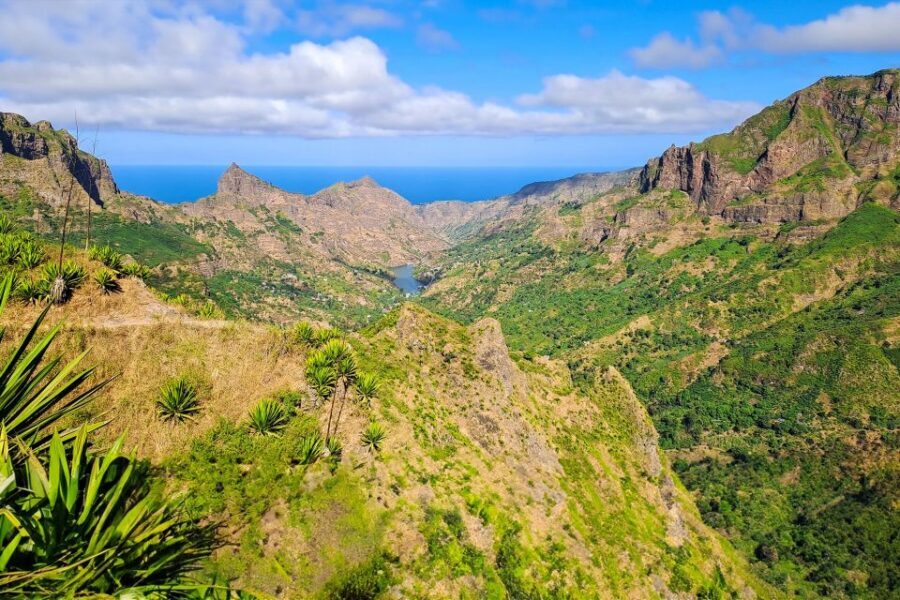
After the hike, your tour ends with a return to your hotel with about an hour of driving along the east side of the island. The key promise here is panoramic sea-land views, and I think this timing is smart.
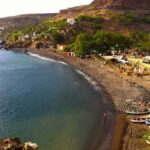
You finish the trail without having to walk the long way back, and then you get a scenic ride while you come down from hiking mode. It’s also a good chance to look at the coastline and spot how the terrain rises from sea level into the hills you were just walking.
If you’re prone to motion sickness, the ride length is short enough that it often feels manageable, but bring what you personally need. The program doesn’t mention special precautions, so I’d treat it like a normal mountain drive day.
What the day really costs: $111 and the small park fee detail
At $111 per person for 7 hours, this tour is priced like a guided experience with real inclusions. You’re getting pickup and drop-off from your accommodation in Praia, transportation, a tour guide, lunch (fish or meat, legumes and rice, plus water), and liability insurance.
The one extra you should plan for is the park entrance fee of 2 euros per person, which isn’t included. That’s small, but it’s exactly the kind of fee people sometimes forget, so I’d budget for it up front.
Does $111 feel fair for what you get?
In my view, it’s fair if you want two things together:
- a moderate hike in a specific area (not just a scenic drive)
- a structured meal and local contact that’s hard to replicate on your own without local help
It can feel expensive if you only care about walking and could rent a car instead. You’ll likely get more flexibility that way, but you’ll trade away the guided interpretation and the home lunch element, which is the emotional payoff for many people.
Also, guide experience can vary. Some guides are very talkative and explanatory, while others focus more on navigation and the walk itself. If you’re paying for storytelling, it helps to ask questions early so you can steer the conversation.
Pickup from Praia: quick, organized, and worth verifying
Pickup is included in Praia, and you’re asked to wait in your hotel lobby 10 minutes before the scheduled pickup time. Your driver holds a sign with your last name on it, and they’ll wait no longer than 5 minutes past the scheduled pickup time.
That’s a simple system, but it’s also where things can go wrong if your schedule is hectic or you’re not ready. I’d recommend you confirm your pickup time the day before and keep your phone handy if they message you. It’s a small detail that protects your day.
If you’re taking this as part of a tight itinerary, factor in buffer time so you’re not sprinting to meet the driver.
What to bring (and what to wear) so the hike feels easier
Even with a moderate difficulty rating, this is still a hike through a narrow, uneven path. Here’s what I’d pack based on the tour’s own recommendations:
- Comfortable shoes with real grip
- Hiking pants, especially from August to November
- Hat and sunscreen
- Water
- Water shoes are recommended from August to October
Your shoes matter most. Since the path is described as narrow and medium tilt, you want stable footing. Turnshoe-style sneakers can work if they have grip, but if you know you slip on wet rock or loose dirt, don’t chance it.
Also, keep your hat and sunscreen accessible. You’ll be in the sun on the way to and from the more scenic viewpoints, and mountain weather can be deceptive.
Who should book this hike, and who might prefer another option
This tour fits best if you:
- want guided nature and local culture in one day
- enjoy walking routes that are short in distance but not flat
- like the idea of eating with a local family after hiking through the same area
It’s especially suitable for people who feel comfortable on moderate trails and don’t mind narrow paths. One caution from the tour’s own guidance: the trail can feel steep and rough, so if you have little hiking experience, you might find it more challenging than you expected.
If you’re looking for a fully relaxed day with lots of sightseeing time off your feet, this isn’t that. You’re committing to several hours of active walking, plus a drive and a home lunch.
A note about guide style: ask questions early
The tour experience can hinge on how much your guide explains. Some guides are praised for giving lots of information about the country, history, and fauna and flora. Guides like Elton and Peter are singled out for their knowledge and smooth pacing, which is exactly what makes a hike feel effortless.
But the tour also shows that some visitors felt disappointed when the guide didn’t explain much and spent more time focused elsewhere. You can’t control who you get, but you can control your approach. Early on, ask a couple of simple questions: What plants should I notice here? What does irrigation change for these families? If the guide responds well, you’re set.
Should you book Serra Malagueta: Principal Valley with a local lunch?
I’d book it if you want a day that mixes real countryside rhythms with a hike that isn’t too long and a meal that actually feels connected to the route. It’s a strong choice for people staying in Praia who want more than a viewpoint and who value the lunch element.
Skip it or reconsider if you:
- dislike steep or narrow trails and lack hiking shoes
- want a super flexible, independent schedule
- expect constant storytelling and explanation rather than a guide-led mix of walk, plants, and local context
If you’re in the sweet spot, this is one of those Cape Verde experiences that leaves you with more than photos. You walk away understanding how water, farming, and village life fit together on Santiago.
FAQ
How long is this tour, and how much time do I walk?
The total tour duration is 7 hours. The trek is described as about a 3-hour hike, and the walking time is listed as around 2–3 hours.
What’s included in the lunch with the local family?
Lunch includes a main dish where you can choose fish or meat, plus legumes and rice, and water.
Do I need to pay a park entrance fee?
Yes. A park entrance fee of 2 euros per person is not included.
Is pickup from Praia included?
Yes. Pickup and drop-off at your accommodation in Praia are included, and you should wait in your lobby about 10 minutes before the scheduled pickup time.
What languages are tour guides available in?
The tour guide is available in English, French, Portuguese, and Spanish.
What should I bring and wear for the hike?
Wear comfortable shoes and consider trekking footwear. Bring a hat, sunscreen, and water. The tour also advises hiking pants, especially from August to November, and water shoes are recommended from August to October.