REVIEW · PRAIA
Santiago: Calabaceira Valley Trek & Visit to Cidade Velha
Book on GetYourGuide →Operated by Bu Country Tours · Bookable on GetYourGuide
Calabaceira Valley has a way of making time feel slower. You’ll start with a 3-hour trek through thick green scenery, then shift gears into Cidade Velha, the old European-era capital of Cape Verde and a UNESCO World Heritage Site. Two things I really love: the living, local feel of the valley—think baobabs and wildlife sightings—and the way the city visit covers major sites in a logical route with a great guide, whether it’s Mario, Ivana, Katia, or Soraya.
One possible drawback: the walk is sold as easy, but the trail can feel steep and uneven in places, and you should plan around that if you’re cautious on rough ground or if your group pace runs slower.
In This Review
- Key highlights worth aiming for
- From Praia to Calabaceira: a well-paced 4-hour plan
- Calabaceira Valley trek: easy rating, real-world footing
- Rum distillery and local farms: nature meets everyday life
- Arriving in Cidade Velha: UNESCO sites on a tight route
- São Francisco to the slave market: history you can’t skip past
- Royal Fortress of São Filipe: defense against pirates and big viewpoints
- Price and value: what $82 buys you on Santiago
- Who this tour fits well (and who should rethink)
- What to pack and how to make the day easier
- Should you book the Calabaceira Valley trek and Cidade Velha tour?
- FAQ
- How long is the tour from Praia?
- Is the lunch included?
- What entrance fees should I plan for?
- How difficult is the trek?
- What languages are available for the guide?
- Can I book a private tour?
- Is the tour suitable for people with mobility impairments?
Key highlights worth aiming for

- Calabaceira Valley walk with a simple trail plus narrow/tilted sections at the start
- Rum distillery stop in the middle of working countryside and intact nature
- Darwin’s baobabs connection and the valley’s role as a refuge during slavery
- UNESCO Cidade Velha essentials including São Francisco Convent and Banana Street
- Powerful history stops: Nossa Senhora do Rosário church and the former slave market
- Royal Fortress of São Filipe views (plus a small entrance fee)
From Praia to Calabaceira: a well-paced 4-hour plan
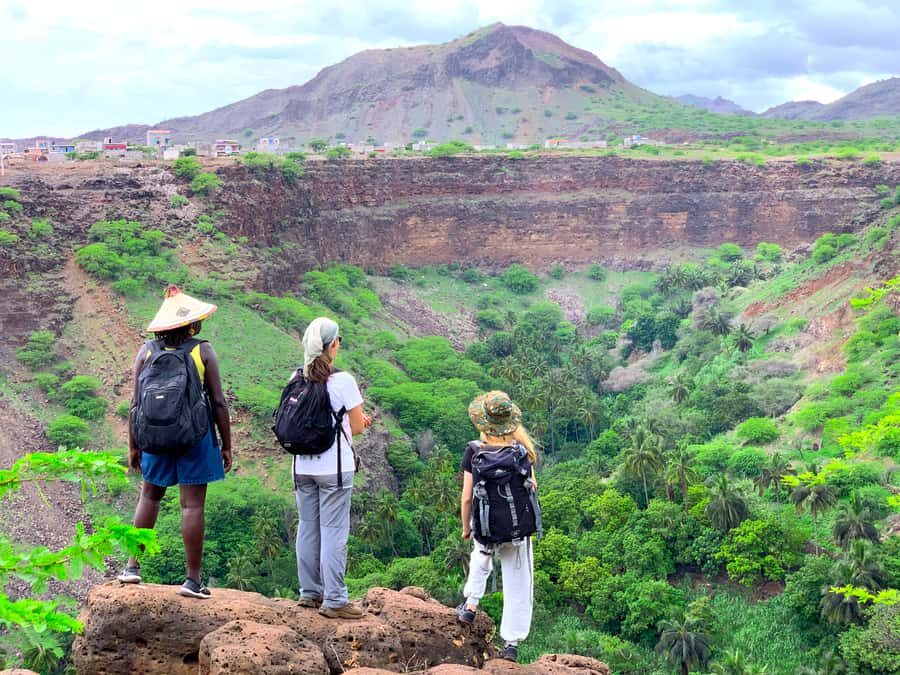
You don’t have to wrestle with schedules. The tour starts with pickup from your accommodation in Praia, and you’ll ride out to the small village of Calabaceira. The whole experience runs about 4 hours, which is a smart length on Santiago Island if you also want beach time or a later meal in town.
You also get flexibility in how you tour. You can choose a shared group option or a private/small group setup. That matters because the pace of a hike and the flow through a historic town can be different depending on how many people are in the group.
Guides work in multiple languages—English, French, Portuguese, and Spanish—so you should be able to ask questions and get real explanations rather than just “look over there” moments. And based on guide names I’ve seen people mention (Mario, Katia, Ivana, Soraya, Riccardo), you’re likely to hear detailed, practical storytelling.
You can also read our reviews of more hiking tours in Praia



Calabaceira Valley trek: easy rating, real-world footing
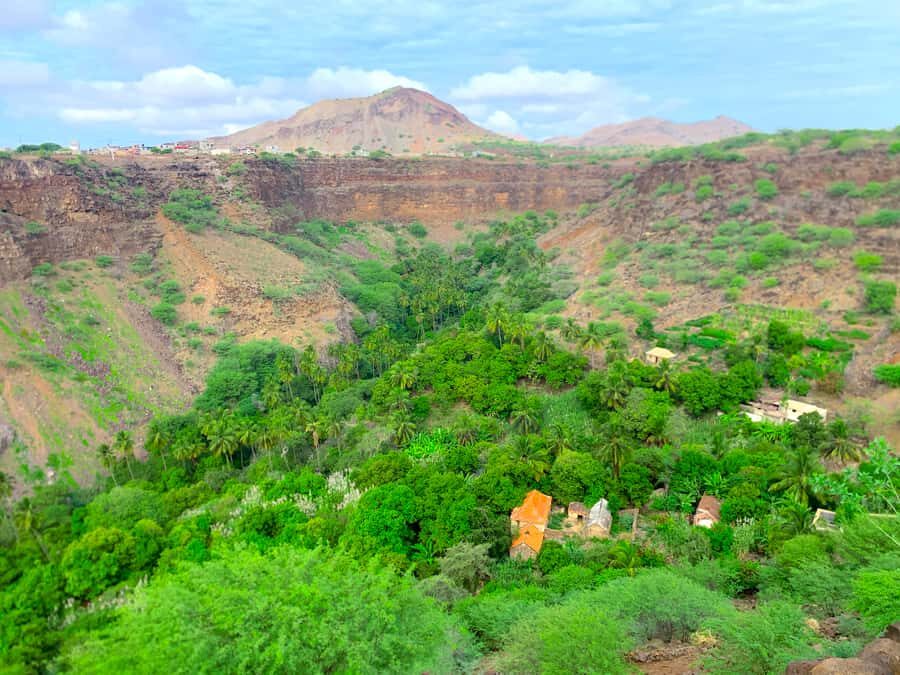
This is a one-way hike of about 5 km, and the walking time is around 2 hours. On paper it’s classed as easy, with only small elevation changes listed, but you’ll still be dealing with a medium-tilt trail, including a narrow section at the beginning that’s described as safe. Translation: you’ll want decent footwear and steady confidence.
Elevation is listed as modest overall (with both gain and loss), but the range between minimum and maximum altitudes suggests there’s some up-and-down feel rather than a flat stroll. Add in uneven ground and you’ve got the kind of walking that rewards hikers who pack normal trail habits: shoes with grip, a hat, and water.
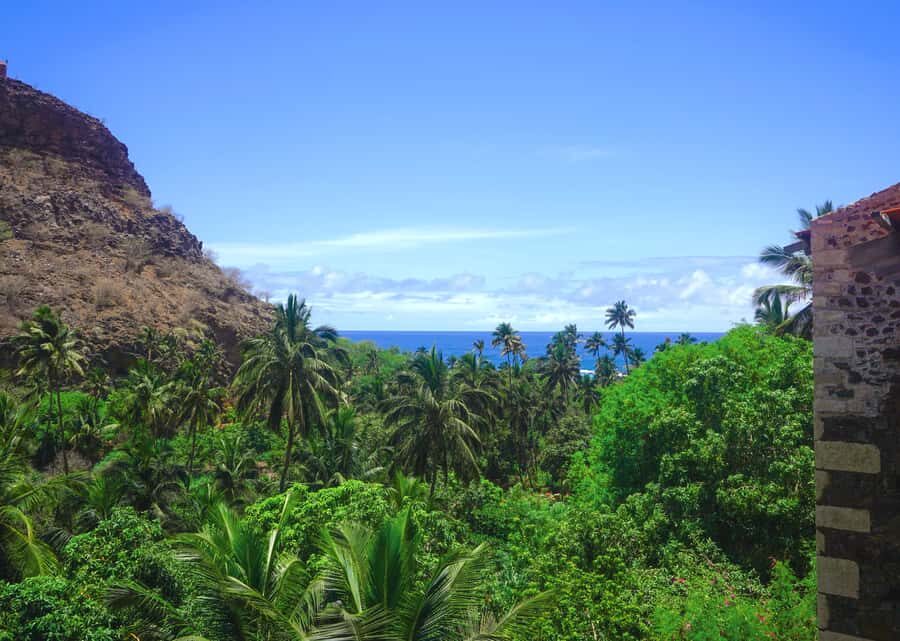
I like this trek because it’s short enough to stay energetic, but long enough for the valley to actually show its character. In the green interior, you can get glimpses of birds and monkeys, and you’ll see the kinds of trees people come to Santiago for—especially baobabs, famously mentioned by Charles Darwin. The valley also carries a darker layer: it served as an escape route during slavery, which comes up in the context your guide shares as you walk.
A gentle reality check: one person flagged that the hike felt more difficult than expected, including a steep descent with boulders and the tour running longer than advertised. So while most people should be fine, I’d treat this as “easy hike, but not zero-effort.”
Rum distillery and local farms: nature meets everyday life

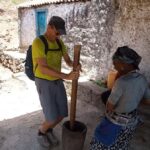
After the initial stretch of walking, you’ll head toward a local rum distillery. This isn’t just a quick photo stop. The stop is positioned as part of the valley experience—there’s an emphasis on the countryside context: intact nature, local agriculture, and the people who keep the landscape working.
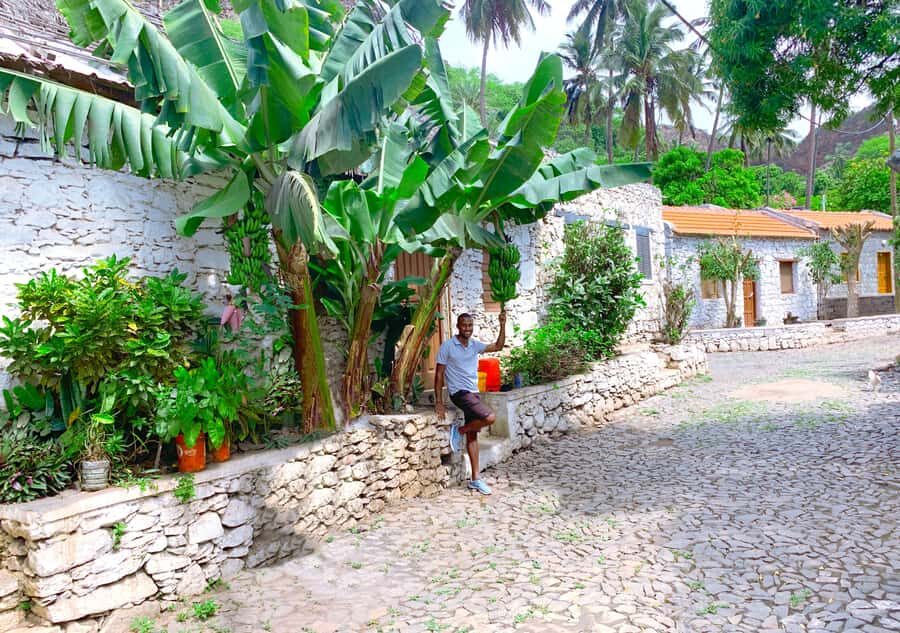
You’ll have a chance to connect with local farmers and see agricultural fields with crops like:
- sugar cane
- mango trees
- cassava
- banana
That list is more than scenery. It explains what “local” means here. Cape Verde isn’t just postcard islands—it’s a real food system shaped by climate, soil, and tradition. And when you see how sugar cane links to rum production, the distillery becomes a story you can actually hold in your hands.
If you’re the type who likes to understand what you’re eating, drinking, or buying while traveling, this stop is a win. It turns the trip from “pretty nature + old town” into “nature + economy + culture.”
Arriving in Cidade Velha: UNESCO sites on a tight route
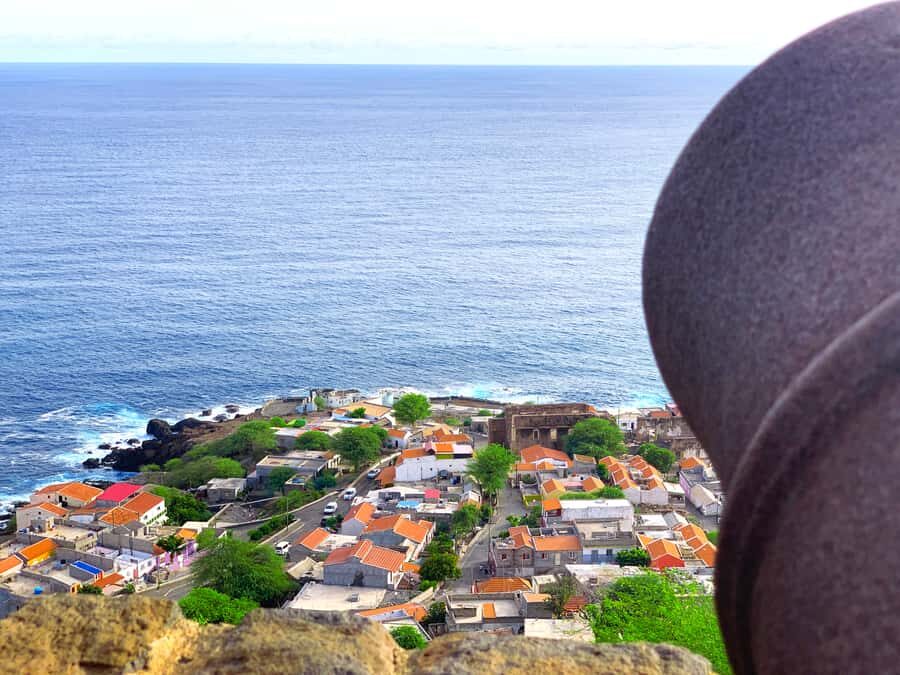
Once you reach Cidade Velha, the day pivots into history mode. Cidade Velha is described as the first city built by Europeans in sub-Saharan Africa, and it’s UNESCO World Heritage for good reason. The town is compact, but it’s full of layers—religious sites, colonial-era buildings, and traces of trading systems that shaped the region.
Your route includes several key stops:
- São Francisco Convent
- Banana Street
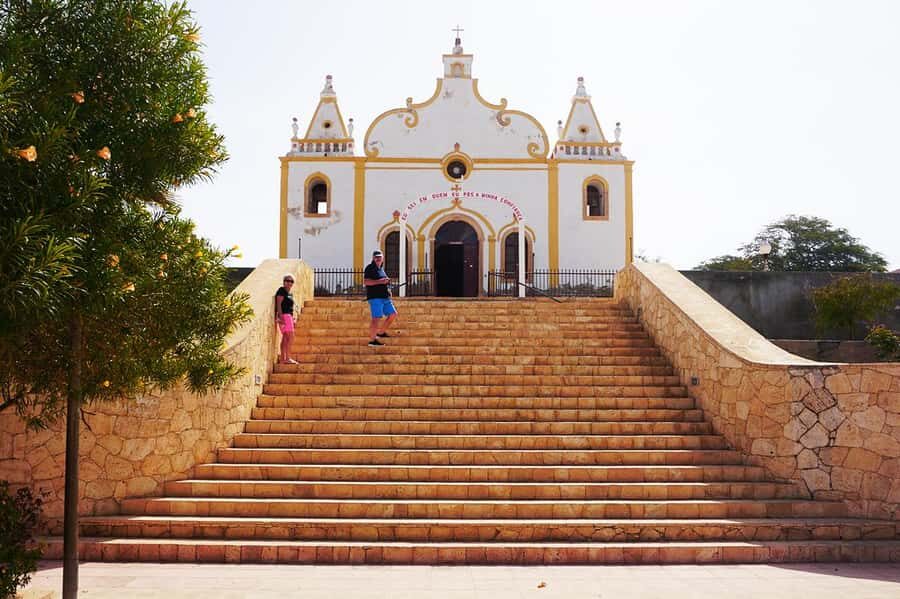
- Nossa Senhora do Rosário church
This sequence works well because you’re moving from one recognizable landmark to the next without long gaps. You get to understand the town through its architecture and street-level texture, not just by reading a few facts and moving on.
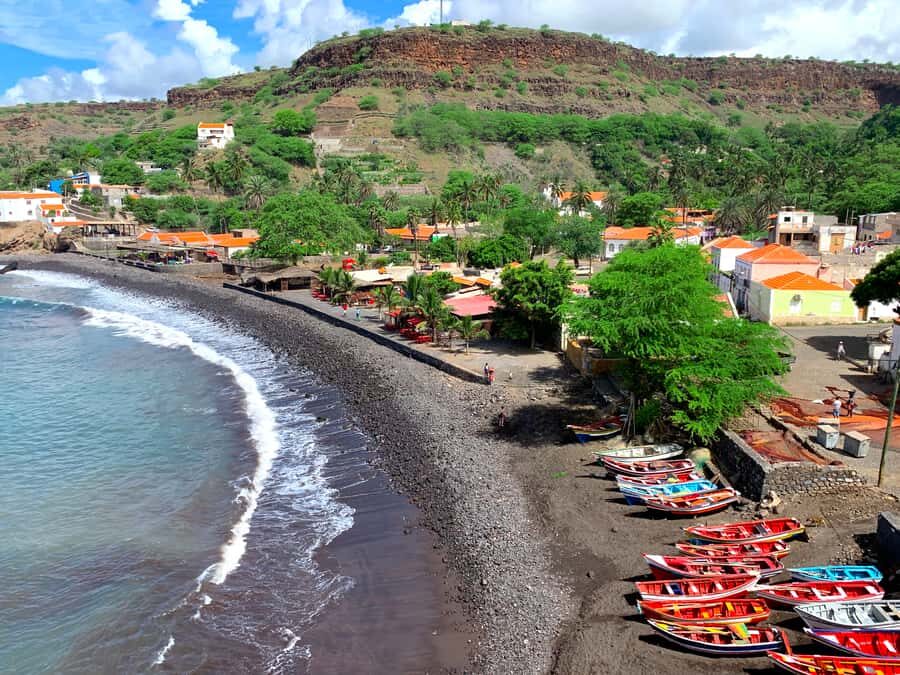
Then you’ll take a break for lunch. Lunch is not included, but the tour provides time to eat at a typical restaurant right on the seafront. I’d use that break to slow down, hydrate, and reset—because after lunch you’re heading back into more concentrated history stops.
São Francisco to the slave market: history you can’t skip past
The most emotionally heavy parts of Cidade Velha are built into the itinerary. After lunch, you’ll visit the former slave market and then the ruins of the Sé Catedral. You’ll also stop at the Nossa Senhora do Rosário church, a site that helps frame the religious and political atmosphere of the town’s era.
I appreciate how this tour doesn’t treat these locations like boxes to check. You’re walking through places that were tied to real suffering and forced movement, and the guide’s explanations matter here. The former slave market is a particularly important stop because it connects the town’s European prominence with the human reality of how trading systems worked.
From the ruins of the Sé Catedral, you can also grasp how fragile these structures are over time—and how the town’s history survives through both stone remnants and oral storytelling.
If you’re sensitive to darker history, give yourself permission to take a breath. This part of Santiago can feel heavy, and that’s normal.




Royal Fortress of São Filipe: defense against pirates and big viewpoints

The last major stop is the Royal Fortress of São Filipe. This is where the trip turns into viewpoint mode. You’ll go to the top, and from there you’ll enjoy views over the whole old town.
The guide also explains the defense strategy used against pirates, which adds context to the fortress beyond “it’s old.” It helps you see the town as a defended settlement shaped by threats, not just as a pretty historic core.
One practical note: the entrance to the fortress has a fee of €5, and it’s listed as not included in the tour price. Bring cash or plan for an easy payment on-site so you’re not stuck at the gate.
Price and value: what $82 buys you on Santiago

The price is $82 per person, and what I like is that it bundles the parts that usually take time to arrange yourself:
- pickup and drop-off in Praia
- transportation
- a tour guide
- liability insurance
What’s not included is also clear:
- lunch
- €5 fortress entrance fee
For many travelers, the value isn’t just the sites—it’s the logistics of getting you from Praia to the valley, then into Cidade Velha, then back again. You also get guide interpretation, which is especially important at places like the former slave market and the fortress where the details change how you understand what you’re seeing.
If you’re planning to visit Cidade Velha anyway, this tour is a sensible way to combine it with the Calabaceira nature experience instead of splitting your days into separate trips.
Who this tour fits well (and who should rethink)
This tour is a good fit if you want a balanced mix: a short hike, a local production stop, and multiple major historical landmarks in one go.
It’s also a solid choice if you care about guidance quality. The guide-led format matters in both the valley and the town. People like Mario, Ivana, and Soraya mentioned being friendly and strong at explaining what you’re seeing, and that’s the difference between “I walked around” and “I understood the place.”
On the other hand, it’s not suitable for people with mobility impairments, due to the walking involved.
Also, if you’re very risk-averse on uneven trails, treat this as an active hike. One person’s experience suggested that even “easy” can feel hard when the ground is steep or rocky. Wear shoes you trust.
What to pack and how to make the day easier
This is a small practical day, but the outdoors can still be tough if you show up underprepared. The basics matter:
- hiking pants, especially from August to November
- decent footwear with grip
- a hat
- sunscreen
- water
- €5 for the São Filipe Fortress entrance fee
The tour guidance also suggests being ready for pickup. You should wait in the hotel lobby about 10 minutes before pickup, and the driver waits only 5 minutes after the scheduled time. It’s a small detail, but it helps the day start smoothly.
Should you book the Calabaceira Valley trek and Cidade Velha tour?
I’d book it if you want one clear plan that takes you from lush valley scenery to a UNESCO old town with both religious landmarks and the former slave market, plus a rum distillery and a real viewpoint from the São Filipe Fortress. The structure is efficient, and the guide-driven context makes the city history much more meaningful.
I’d think twice if you need a fully flat walk or if you struggle with steep/rocky sections. Also plan for extra costs you control: lunch on your own and the €5 fortress fee.
If you’re comfortable with a short, active hike and you want to understand Cidade Velha beyond the surface, this is one of the better-value ways to spend a half-day on Santiago.
FAQ
How long is the tour from Praia?
The full experience takes about 4 hours total, including transport, a hike in the valley, and the visits in Cidade Velha.
Is the lunch included?
No. Lunch is not included, though the tour includes a break time to eat at a typical seafront restaurant.
What entrance fees should I plan for?
You’ll need about €5 for the São Filipe Fortress entrance. This fee is not included in the tour price.
How difficult is the trek?
The trek is rated easy, with about 5 km of walking and around 2 hours of walking time. Still, expect a medium-tilt trail and a narrower area at the start, so good shoes matter.
What languages are available for the guide?
The live guide is available in English, French, Portuguese, and Spanish.
Can I book a private tour?
Yes. You can choose private or small groups, or a shared group trek option (with a minimum of 2 participants for shared tours).
Is the tour suitable for people with mobility impairments?
No. The tour is listed as not suitable for people with mobility impairments.