REVIEW · MAIO
Maio Island: Full-day Guided Tour with Breakfast
Book on GetYourGuide →Operated by Bu Country Tours · Bookable on GetYourGuide
Six hours can change how you see Maio. This small-group tour links breakfast with a local family to salt-wetland life, desert-white dunes, and then ends with Bitchirotcha Beach time. The best part is how the day moves from everyday island work to big, old landmarks like São José Fortress—without feeling like a museum checklist.
I especially like the food moments: cuscuz at a home in Morro and the stop to learn about goat cheese production in Ribeira João. And I love the pace of a guide who clearly cares—people rave about the energy of João, the kind of person who remembers names and tells you why places matter. One consideration: ask ahead to confirm the day you book truly includes the family breakfast and the production stops, because the route can vary if an operator runs a more standard version.
In This Review
- Key highlights worth planning for
- Maio Island in One Day: The Sweet Spot Between Culture and Beach Time
- Eco-Museum + Porto Inglês Salt Flats: Why Maio’s Salt Matters
- Morro Village Breakfast: Cuscuz, Warm People, and a Real Start
- Calheta Craft Center + Souvenir Time That Doesn’t Feel Forced
- Morrinho Dunes Walk: Desert Sand, Wind Direction, and Easy Stride
- Pedro Vaz Village and Lunch Options: Local Food Time, But Plan Ahead
- Ribeira João Goat Cheese: Turning a Snack Into a Skill
- Our Lady of Grace Church + São José Fortress: History You Can Point At
- Bitchirotcha Beach Swim Time: The Payoff at the End
- Price and Value: Is $94 for Six Hours Fair?
- Who This Tour Suits Best (And Who Might Want a Different Option)
- Should You Book This Maio Island Full-Day Tour?
- FAQ
- How long is the Maio Island full-day guided tour with breakfast?
- Is breakfast included in the price?
- How big is the group?
- Do I get picked up from my accommodation?
- What languages is the live guide available in?
- Is there an option to cancel for a refund?
Key highlights worth planning for
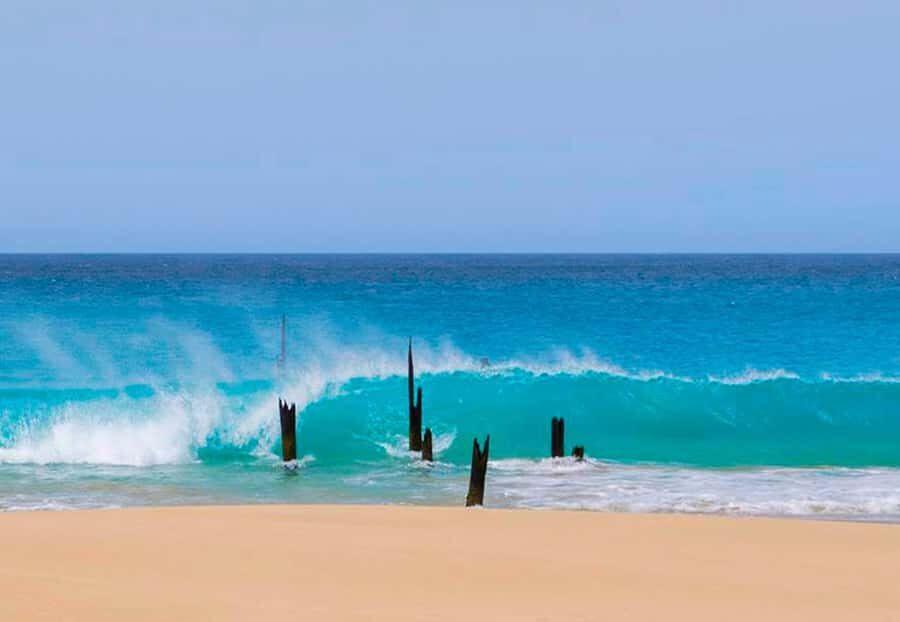
- Family breakfast in Morro with Cape Verdean cuscuz and local hospitality
- Porto Inglês salt flats and eco-museum context for Maio’s salt-export past
- Morrinho dunes walk over white sand shaped by wind from the Sahara Desert
- Ribeira João goat cheese stop that turns a snack into a story
- São José Fortress + Our Lady of Grace Church for a clear 18th-century island-defense picture
- Bitchirotcha Beach swim time at the end of the day
Maio Island in One Day: The Sweet Spot Between Culture and Beach Time
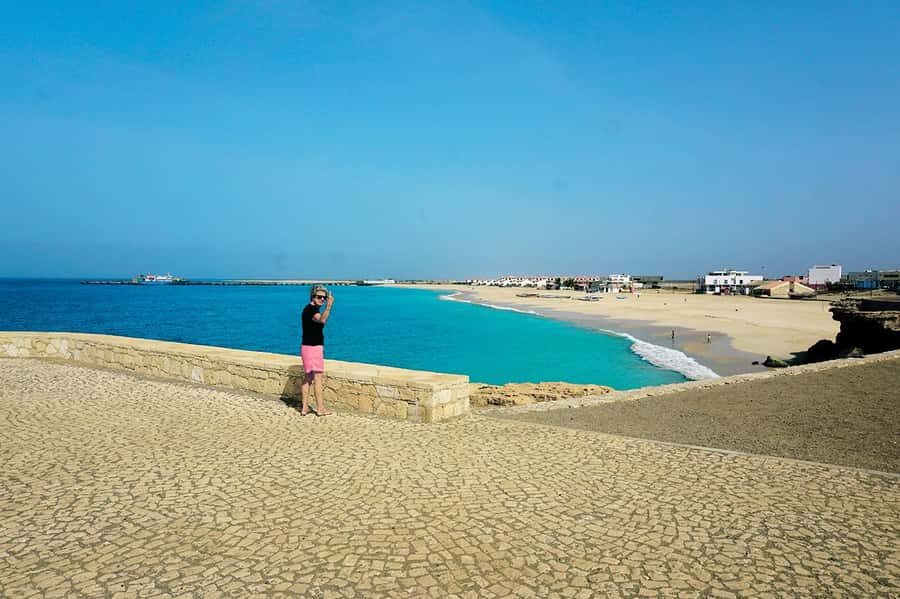
Maio is the Cape Verde island that many people rush past—then regret it later. This tour is a good way to correct that. In six hours, you get a practical sampler: you’ll see how salt and agriculture shape daily life, learn what makes the dunes look like a miniature desert, and finish with swim-worthy beach time. It is not a slow, wandering day. It is designed for people who want the highlights—then want the beach payoff.
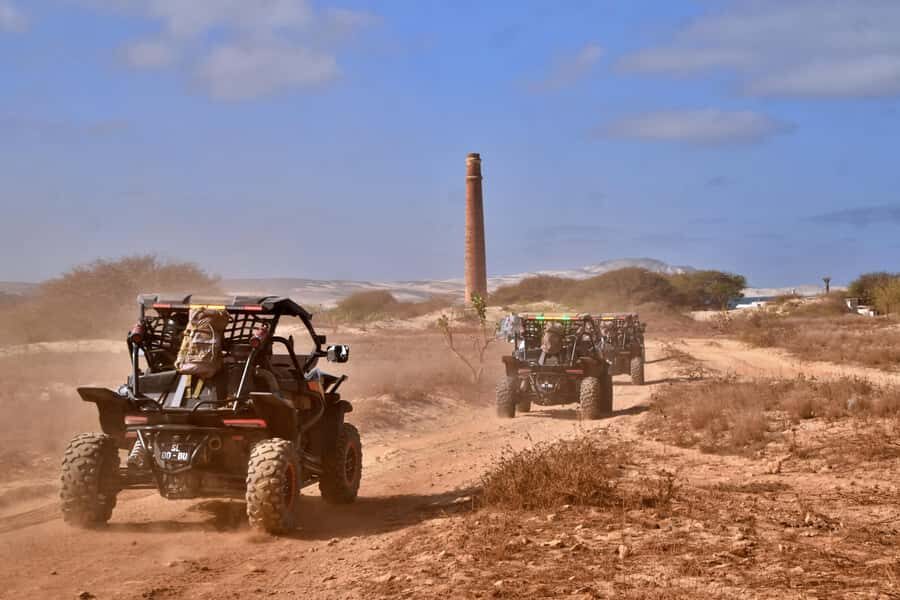
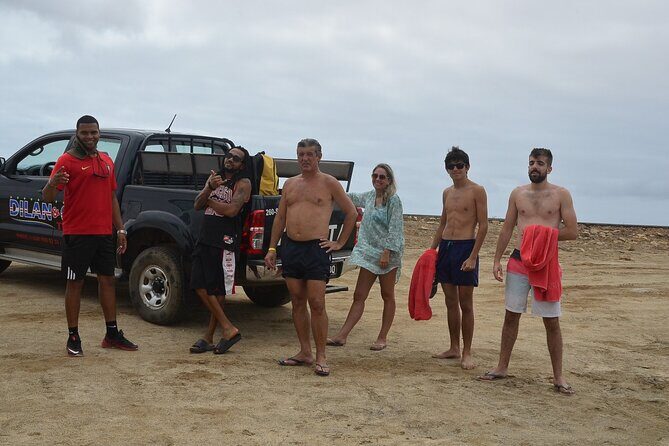
The logistics are straightforward. You’re picked up from your accommodation, you ride around the island with a live guide (English, Portuguese, or Spanish), and you’re back with drop-off after the final swim. The group stays small (up to 8 participants), which matters on a day with lots of stops. With fewer people, you spend less time waiting and more time asking questions.
For a solo traveler, that small group can feel easier, too. One traveler specifically pointed to feeling comfortable and safe with the guide’s steady, familiar energy. Add in punctual pickup and a guide who actually talks through what you’re seeing, and the whole day clicks.
Eco-Museum + Porto Inglês Salt Flats: Why Maio’s Salt Matters
Most Cape Verde tours focus on towns and viewpoints. This one adds something more grounded: the island’s salt story. You start with a stop at the eco-museum, where you learn how colonization on Maio was tied to salt exploitation. The big detail I like here is the export reach—salt went to countries including Brazil until the 19th century. It helps you understand why salt flats and wetland work are not just scenery; they are part of the island’s economic backbone.
Right after the museum context, you move to the Salinas wetland of Porto Inglês. This is where the day gains texture. You get a chance to see locals producing salt. Even if you do not know anything about salt production, seeing it in action gives you instant respect for the work behind what you buy in a store later.
Why this matters for your trip: when a tour explains why a place exists, you remember it longer. And salt is one of those invisible “infrastructure” realities that shapes coastlines, wetlands, and how communities live. On Maio, that connection feels especially clear.
Practical note: wear shoes that handle wet ground. Even if you stay mostly on flat paths, salt-wetland areas can be uneven and slick.
Morro Village Breakfast: Cuscuz, Warm People, and a Real Start
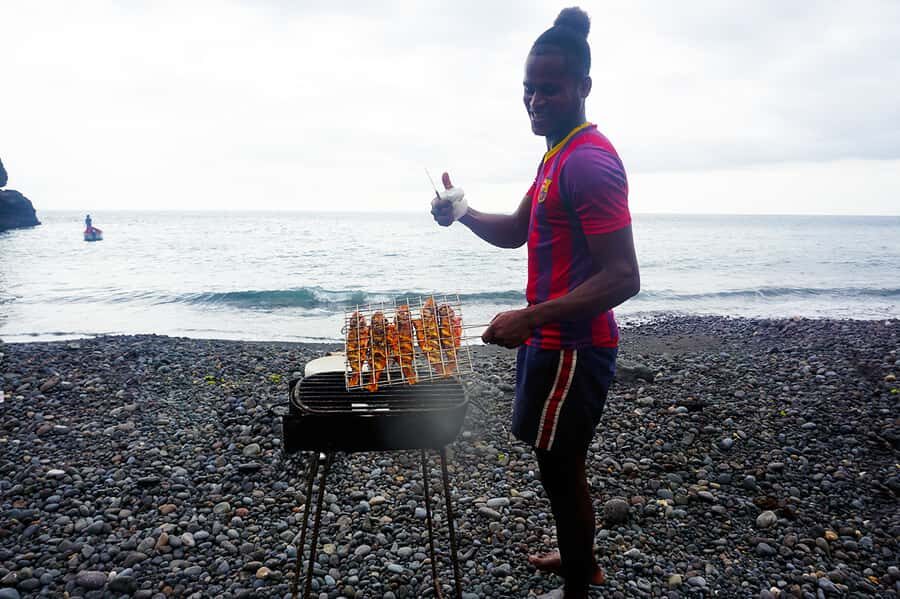
Then the tour shifts from history to breakfast—Morro village is where you slow down for the day. You’ll enjoy a typical breakfast with a local family. The headline dish is famous Cape Verdean cuscuz, but what makes it valuable is the setting. You’re not eating at a staged restaurant. You’re eating where the day begins: with conversation, local routines, and food that matches what people actually serve at home.
From the trip vibe, this is the part most worth protecting. One review strongly highlighted how the guide’s love for the island translated into a day that felt personal, especially for solo travelers. That same kind of warmth is exactly what breakfast with a family tends to bring.
One key consideration: because you’re relying on a home setting, you should double-check with the operator before you go that the family breakfast is included on your specific schedule (and that it is not being replaced by a generic meal). The tour description says breakfast is included, but routes can vary in the real world.
If you’re the kind of traveler who likes to taste culture more than collect photos, this is the stop that will feel most meaningful.
Calheta Craft Center + Souvenir Time That Doesn’t Feel Forced
After breakfast, the day keeps moving, but the energy stays friendly. You head to Calheta to visit a handcraft center. This is your structured chance to buy souvenirs—things connected to local making rather than mass-produced kiosks.
I like this stop because it balances the day. You’ve had food, history, and wetland work. Then you switch gears to skills: crafts are often a quiet window into materials and design traditions. Even if you only buy one small item, it is better than spending your time later hunting for something generic.
Tip: keep your hands free if you plan to swim near the end. If you buy anything early, you may want a simple way to carry it without mixing it with beach stuff.
Morrinho Dunes Walk: Desert Sand, Wind Direction, and Easy Stride
Next comes one of Maio’s most striking visuals: the Morrinho dunes, where you walk over white sand. These dunes are formed from desert sands blown by wind from the Sahara Desert. You get that cool, almost impossible feeling—Cape Verde on an island, yet with sand that tells a much longer wind story.
The walk is described as easy, which is ideal for most travelers. You do not need special trekking skills. You do need basic comfort with walking on loose sand. Take your time. Your shoes will sink slightly, and you’ll feel how different this footing is from paved roads.
This stop also helps connect the island’s climate to its look. The dunes are not random—they’re part of an ongoing process between wind, sand supply, and the shoreline area. Once you see that, Bitchirotcha Beach at the end feels like the natural continuation: sand to sea, desert to salt air.
Pedro Vaz Village and Lunch Options: Local Food Time, But Plan Ahead
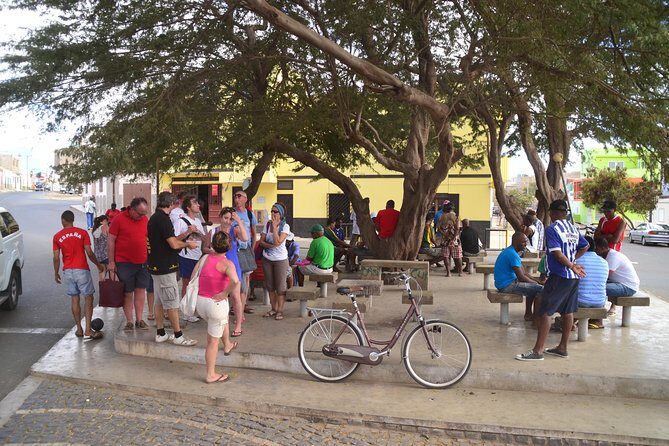
You then move to Pedro Vaz village, noted as the first village on the island to be inhabited. Even if you do not have a deep background in Maio’s settlement patterns, it is the kind of stop that adds meaning to the route. It reminds you that this is an inhabited island with history behind the roads.
You get free time to buy lunch at a typical local restaurant. Lunch is not included in the tour price, and drinks are not included either. This matters for value planning: the tour gives you breakfast, but you’re paying your own way for lunch and any beverages.
My practical advice: treat lunch time as your chance to slow down and recharge. Keep your meal simple and filling, because the rest of the tour includes more driving, then church and fortress, and then beach time.
If you’re sensitive to heat, try to eat sooner rather than later and choose shaded seating when available.
Ribeira João Goat Cheese: Turning a Snack Into a Skill
After lunch comes a more hands-on theme: local production of goats cheese in Ribeira João. This is the kind of stop that makes a difference. If you taste goat cheese later and remember where it came from, it feels more personal, more real.
I like this part because it connects with the breakfast you had earlier. Both are about what people produce and serve, not just what they show tourists. When an island tour includes food production, you learn how supply works—how a product becomes a livelihood.
As with breakfast, this is a stop worth confirming before the day starts. Goat cheese production is listed in the tour highlights, so you should expect it. If your goal is specifically to see production and not just buy cheese, say that clearly when booking.
Our Lady of Grace Church + São José Fortress: History You Can Point At
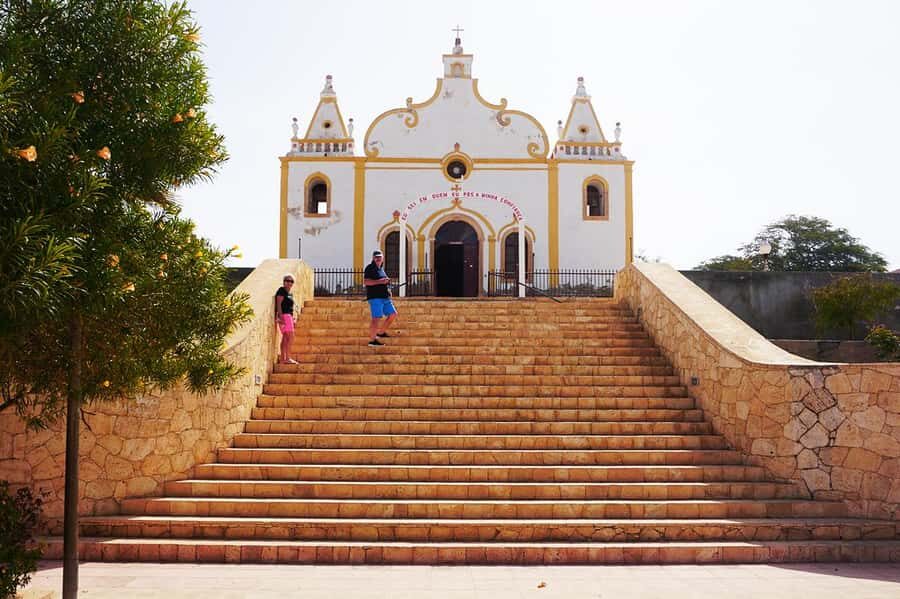
After the food stops, the tour switches into landmark mode. You’ll visit Our Lady of Grace Church, then head to São José Fortress, built in the 18th century to protect the island from pirate attacks.
This pair works well because it gives you two different angles of island life. A church is often where community identity shows. A fortress is where survival and defense show. Together, they help you understand why Maio’s history includes both faith and protection.
A guide who’s passionate (and not just reciting facts) can make these stops feel less like stops and more like stories you can walk through. One traveler specifically praised the guide’s punctuality and enthusiasm for local history. That’s exactly what you want in fortress visits: context, not just walls.
Practical note: fortress and church stops may involve stairs or uneven ground. Comfortable shoes are a must.
Bitchirotcha Beach Swim Time: The Payoff at the End
Then the tour delivers the best type of finish: water time. You’ll head to Bitchirotcha Beach, described as the most beautiful beach on the island, and you get a chance for a dip.
This is where the tour earns its keep. The morning could be salt flats and dunes. The afternoon could be churches and fortress stones. By the time you reach Bitchirotcha, you’ve earned a break.
Pack for beach reality. Bring swimwear in something easy to access. Use sun protection and be mindful of sand—dunes and beaches both mean it sticks around. And because your lunch is on your own, you’ll probably appreciate a moment to reset before the drive back to the capital.
If you care about having a beach moment without spending half a day getting there yourself, this end stop makes the tour feel efficient rather than exhausting.
Price and Value: Is $94 for Six Hours Fair?
At $94 per person for a 6-hour guided day, the value depends on two things: how much you’ll enjoy the mix of food and sites, and whether you want a guided explanation rather than independent driving.
Here’s what you are paying for that matters:
- Guide services in English/Portuguese/Spanish
- Transportation and accommodation pickup and drop-off
- Entrance fees
- Breakfast
Lunch and drinks are on you, so you’re not totally hands-off financially, but the tour still covers the expensive parts that are annoying to arrange yourself: transport around the island and the guided connections between stops.
If you’re the type of traveler who would otherwise hire a driver and then still miss context, the guide value is real. And if you specifically want the family breakfast and the goat cheese production stop, this price is more justified because those are hard to self-organize on short notice.
Small group also helps. Up to 8 people means you’re not stuck watching other people take forever at every photo angle.
Who This Tour Suits Best (And Who Might Want a Different Option)
This is a strong fit if you want:
- A structured one-day Maio experience without negotiating transport
- Food-focused cultural stops (cuscuz breakfast and goat cheese production)
- A balance of island work (salt, agriculture/fishing areas) and landmark history
- A real beach finish at Bitchirotcha
It may be less ideal if you hate packed schedules or you prefer long stays in one place. This is a “see a lot” plan. You’ll be moving through the island’s north-south flow during the day, with brief windows at each stop.
Also, if your top priority is a very specific exact route (like getting to every dune area or every production stop), message the operator ahead of time. The tour description is clear, but real-world execution can vary by day.
Should You Book This Maio Island Full-Day Tour?
Yes—if you want a guided day that connects Maio’s daily work and food to the island’s big-name history and ends with beach time. This tour is especially worth it for travelers who value breakfast moments, local production, and a guide who tells stories with energy.
Book it if:
- you like learning why places matter, not just where they are
- you want cuscuz breakfast in Morro and the goats cheese production stop
- you’d rather swim at Bitchirotcha with a schedule already planned
Consider another approach if:
- you want total control over lunch and timing all day
- you prefer a very slow pace with fewer stops
- you are relying on a specific set of inclusions (breakfast and production) and you don’t want any chance of route variation—then confirm details before you go
FAQ
How long is the Maio Island full-day guided tour with breakfast?
The tour lasts 6 hours.
Is breakfast included in the price?
Yes. Breakfast is included, while lunch is not included and drinks are not included.
How big is the group?
The tour is a small group limited to 8 participants.
Do I get picked up from my accommodation?
Yes. Pickup and drop-off at your accommodation are included. You should wait in the hotel lobby 10 minutes before the scheduled pickup time.
What languages is the live guide available in?
The live tour guide is available in English, Portuguese, and Spanish.
Is there an option to cancel for a refund?
There is free cancellation up to 24 hours in advance for a full refund.