REVIEW · PRAIA
Cape Verde: Wonders of Santiago Island – 7 Days 6 Nights
Book on Viator →Operated by Bu Country Tours · Bookable on Viator
Santiago moves fast, in the best way. This week-long private tour stitches together Cape Verdean culture and local food with bilingual guiding, plus door-to-door hotel transfers that keep your day from turning into a scavenger hunt. You’ll hit lighthouse views, market mornings, UNESCO Cidade Velha, mountain viewpoints, and Tarrafal beach time—then finish with a night of live music and katxupa.
I also like the human touch: the guide team you may meet includes people like Admilson, Maria, and Zenildo (and you’ll see warmth and good vibes from the staff). One possible drawback: the days are packed, so expect plenty of driving and sun exposure—bring your hat and plan for a full-on week, not a slow stroll.
In This Review
- Key Things I’d Watch For
- Entering Santiago Through Praia Airport to Your Hotel
- Plateau Highlights in Praia: Lighthouse Cannons, City Center, and Old Barracks
- Cidade Velha UNESCO Day: Fortified Walls, Cathedral Ruins, and the Seafront Lunch
- Santa Cruz Plantation Walk: Banana and Coconut Variety You Can Actually See
- São Jorge dos Órgãos and the Rum Stop: Mountain Air and Lemba Lemba Eco Bar
- Rui Vaz Lunch and the Monte Tchota Viewpoint: Volcano Island in Sight
- São Lourenço dos Órgãos Breakfast and Assomada Market: How the Day Starts Here
- Serra de Malagueta Views and Tarrafal Beach: Two Sides of Santiago
- Tarrafal Free Day: Use It for the Beach, Not Extra Planning
- East Coast Culture: Rabelados Thatched-House Traditions and Handmade Art
- Quintal da Música Night: Live Music and Katxupa for a Real Food Ending
- Your Packing List and Comfort Tips (Do Not Skip This)
- Price and Logistics: What $1,050.58 Buys You on This Route
- Who This Santiago Tour Fits Best (And Who Should Rethink)
- Should You Book Cape Verde: Wonders of Santiago Island?
- FAQ
- What time does the tour start?
- Is hotel pickup and drop-off included?
- How many nights and meals are included?
- Are entrance fees included?
- Is there a limit on group size?
- Are dietary options available?
- What should I bring for the trip?
- Is the rum distillery visit affected by season?
- Do I need to pay any taxes locally?
Key Things I’d Watch For

- Private, door-to-door transfers so you spend less energy figuring out logistics.
- UNESCO Cidade Velha + fort ruins paired with markets and churches.
- Real food stops: breakfast cakes (cuscuz, fidjós), plantation produce, and katxupa at night.
- Tarrafal Beach time + Chão Bom history for a trip that’s fun and thoughtful.
- Smaller max group size (up to 6) for easier pace control and more personal guidance.
- Rum distillery timing matters since the production season runs Jan 1 to May 31.
Entering Santiago Through Praia Airport to Your Hotel
Most tours start with a “meet here” moment. This one starts cleaner: you land at Nelson Mandela Praia International Airport, then get a professional driver and licensed guide who take you straight to your accommodation in Praia. There’s free waiting time, which matters because flights can run late, and you don’t want to lose half a day to airport stress.
This transfer is also a big value signal. It removes the usual Cape Verde “first day friction”: money, time, and energy spent figuring out transport. If you’re doing Santiago for the first time, that first smooth handoff helps you actually enjoy the trip instead of managing it.
You can also read our reviews of more tours and experiences in Praia.


Plateau Highlights in Praia: Lighthouse Cannons, City Center, and Old Barracks
Day 2 works like a sampler platter for Praia. You begin at Farol de D. Maria Pia (Dona Maria Pia Lighthouse). The top of the lighthouse gives you dramatic views, and the cannon installations add a story layer—this coast has long been shaped by defense against pirate attacks, including names linked to history such as Francis Drake and Jacques Cassard.
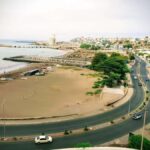
From there, you move through the historical center of Plateau. You’ll pass the Praia City Hall area, take in Quartel Jaime Mota with a walking-style look at military barracks and Cape Verdean independence history, and then roll past the Presidential Palace and Alexandre Albuquerque Square. It’s not a museum crawl. It’s more like getting your bearings while learning how the city fits together.
Then comes the market combo that I really like for authenticity. At Mercado de Sucupira, you meet locals and see fresh fruits and vegetables, then explore the souvenir market. This is where you’ll get a feel for daily life, plus it’s a convenient chance to buy small gifts without wandering around searching for “the right market.”
Why this day works: it balances photo stops with real places where people live. Drawback to consider: city walking can be slower in heat, so wear comfortable shoes and use shade when you can.
Cidade Velha UNESCO Day: Fortified Walls, Cathedral Ruins, and the Seafront Lunch

Cidade Velha is one of those places you can’t really fake. On Day 2, you head to Fortaleza Real de San Felipe and then into Cidade Velha, a UNESCO World Heritage Site. The time you spend here isn’t just about buildings—it’s about layers of Cape Verde’s story, from early sub-Saharan Christian history to later colonial-era changes.
You also visit the historic center of Ribeira Grande, including ruins of the first sub-Saharan African cathedral, the fishermen bay, Pelourinho (the former slave market), Banana Street with traditional houses, and sites like Nossa Senhora do Rosário church and the Convent of São Francisco. That’s a lot for one stop, but the flow is guided, so you’re not just looking at stones and wondering what happened.
Lunch lands right where you want it: Pelourinho’s seafront atmosphere. You’ll sit down at a typical restaurant and taste local dishes, then finish with drop-off back in Praia. It’s the kind of timing that helps the older parts of the island feel grounded, not abstract.
Real-world note: this is a historical day, so go in mentally ready for heavier content (Pelourinho is not light). If your idea of a perfect vacation is all beach and selfies, this might feel more serious than you expected.
Santa Cruz Plantation Walk: Banana and Coconut Variety You Can Actually See

Day 3 begins with a drive inland to Santa Cruz, the island’s largest banana and coconut plantation. You’ll walk through the fields while a local guide talks about fruit varieties and dozens of plants along the route.
This is more than a “tour of a farm.” It’s a chance to understand what the island grows and how that shapes food, markets, and daily life. When you taste produce later—or even just shop markets—you’ll make better sense of what you’re seeing.
Expect about two hours at the plantation. Bring sun protection and be ready for uneven ground in places. This is one of the stops where your “hat + water” habits pay off.
São Jorge dos Órgãos and the Rum Stop: Mountain Air and Lemba Lemba Eco Bar
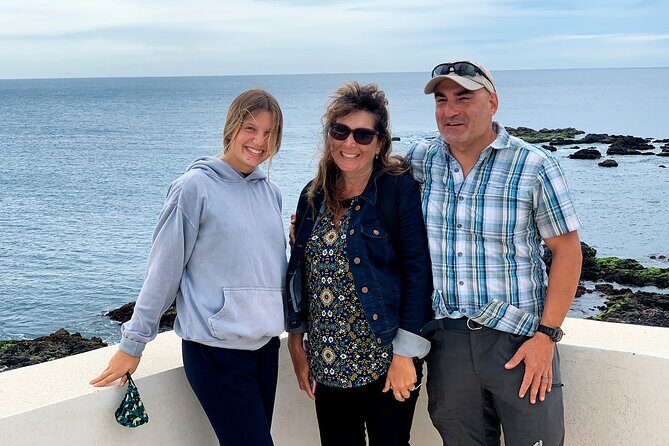
Next you continue inland to São Jorge dos Órgãos, heading toward the foot of the highest mountain on the island. Here you visit a local rum distillery and then have a stop connected with Lemba Lemba Eco Bar in Longueira village.
Important timing detail: rum production runs from January 1 to May 31. That doesn’t mean you’ll get nothing if you visit outside those dates, but it does mean the distillery experience may vary depending on season.
If you’re the kind of traveler who likes to connect flavors to place, this stop is a win. You get the story behind the island’s famous rum tradition instead of treating it like a random tasting.




Rui Vaz Lunch and the Monte Tchota Viewpoint: Volcano Island in Sight
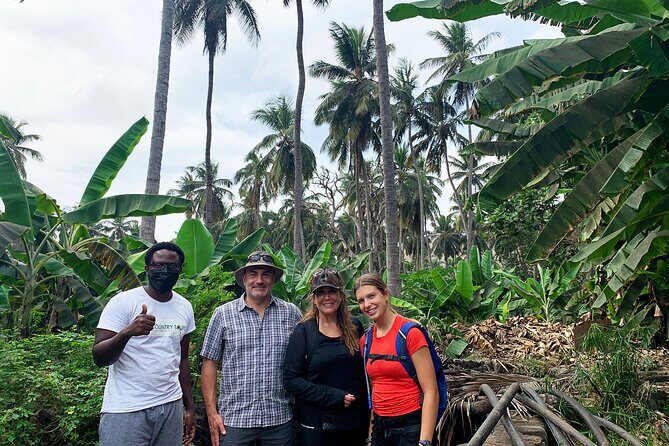
After São Jorge dos Órgãos, you move to the village of Rui Vaz at around 800 meters altitude. Lunch happens at a mountaintop restaurant. That altitude shift matters: it often feels cooler than coastal Praia, and the views usually help your brain slow down after earlier walking.
Then you head to Estação de Monte Tchota Natural Park. The walk is short—about 15 minutes—to a must-see viewpoint. From here, you get panoramic views of the volcano on Fogo Island and learn about the highest peak of Santiago.
This is the stop I recommend if you want a “wow” moment without a marathon hike. Bring comfortable shoes and stay hydrated.
São Lourenço dos Órgãos Breakfast and Assomada Market: How the Day Starts Here
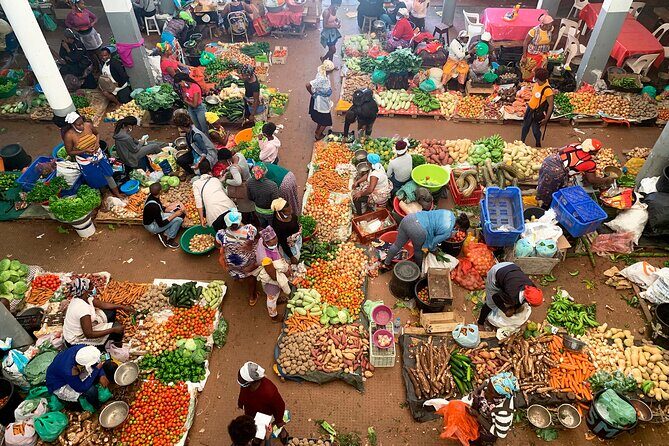
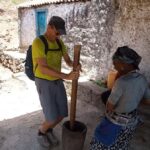
Day 4 is about the interior, and it begins with food. In São Lourenço dos Órgãos, you stop at Mrs. Luisa’s house and sample cuscuz (corn flour cake) and fidjós (fried banana mixed with wheat). This is Cape Verdean breakfast-style comfort food, tied directly to local family routines.
Then you head to Assomada Market. It’s colorful and energetic, and it’s another chance to see daily life beyond the tourist trail. If you like photography, markets are where you’ll find real motion: hands, baskets, fruit colors, and quick conversations happening all around you.
Serra de Malagueta Views and Tarrafal Beach: Two Sides of Santiago

After breakfast and market time, you move to Serra de Malagueta Natural Park. The viewpoint sits around 1,000 meters above sea level, giving you wide ocean-and-valley views (and a break from the heat that can follow you at sea level).
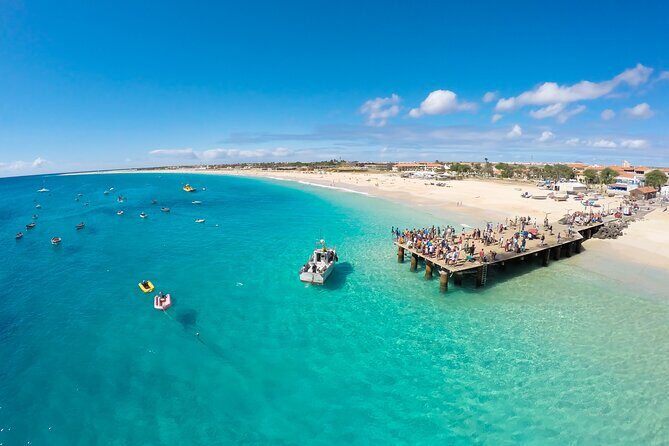
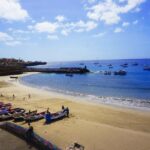
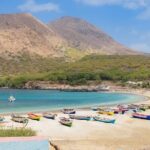
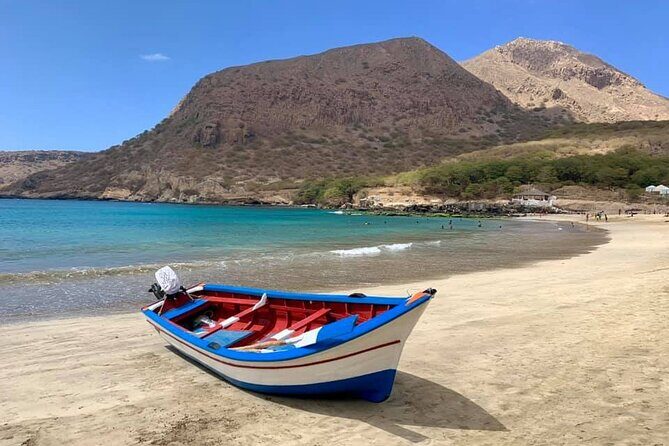
Then you swing to Tarrafal Beach, often described as one of Santiago’s prettiest beaches—white sand and clear water. You’ll spend about an hour here, which is enough to swim a bit, relax, and get your body back from the inland driving.
But Tarrafal isn’t just relaxation. After beach time, you head to the Camp de Concentration du Tarrafal (Chão Bom resistance museum). This is where the trip becomes emotionally serious, focused on political prisoners who were held during dictatorship.
Why this combination matters: you get both the beauty and the cost of freedom struggles. If you skip one side, you lose the full shape of the island story.
Tarrafal Free Day: Use It for the Beach, Not Extra Planning
Day 5 is a day off to explore on your own. You can relax at Tarrafal Beach and enjoy the pace. Since you already saw the key sights earlier, this free day gives you control: swim, read, nap, or just do nothing the way only a good beach can make you do it.
It also helps balance the rest of the week. You’ve got long drives and guided visits in the other days, so having one lighter day is a smart design choice.
My practical advice: if you’re going to venture out, keep plans simple. You’re working with limited time in a small place, and the easiest win is to stay close to where you feel comfortable.
East Coast Culture: Rabelados Thatched-House Traditions and Handmade Art
On Day 6 you head back out on the island’s east coast. You start in Espinho Branco with a stop at the religious community of Rabelados. This group still lives in thatched houses and preserves what’s described as Cape Verde’s oldest customs and beliefs.
You’ll also see local handicraft production and have the chance to buy handmade paintings from artisans. This is the kind of purchase that feels different than a generic souvenir, because you’re buying the output of living practices, not just mass-produced items.
Then there’s a lunch break in Santa Cruz on the way back to Praia.
Quintal da Música Night: Live Music and Katxupa for a Real Food Ending
Day 6 finishes with an evening restaurant stop at night, including live local music. You’ll go to one of Santiago’s popular spots called Quintal da Música, then eat Katxupa—Cape Verde’s famous slow-cooked stew made with corn, beans, cassava, sweet potato, and fish or meat, plus dessert and water.
Katxupa is one of those dishes that tastes like the island’s weather: slow, warm, and filling. It also works as a finale because it’s recognizable Cape Verdean comfort food, not just something you sample and forget.
This night format is also a mood shift from the daytime sightseeing. It helps the week feel like a journey, not a checklist.
Your Packing List and Comfort Tips (Do Not Skip This)
The tour asks you to bring smart basics, and I agree. Plan on sun and walking. You’ll want:
- passport
- sandals or flip-flops
- comfortable shoes
- towel
- hat
- swimwear
- sunscreen
You’ll have beach time at Tarrafal, and you’ll also have farm and park walks where footwear matters. If you show up underprepared, the schedule can feel harder than it needs to be.
Meals are handled in a helpful way but not totally all-inclusive. Breakfast is included for 6 days, and lunch for 5 days, plus fish/meat with dessert and water for the included meals. Vegetarian food is available upon request. Dinners are not all included, which gives you flexibility to choose restaurants near your accommodation when you want something different.
Price and Logistics: What $1,050.58 Buys You on This Route
At $1,050.58 per person, this isn’t a cheap bus tour—but it also isn’t “just pay for driving.” You’re paying for a full package that includes:
- 6 nights accommodation
- custom private roundtrip airport transfers
- luggage transfers
- hotel pickup and drop-off for tours
- guided visits and entrance fees
- local assistance 24 hours a day
- 6 breakfasts and 5 lunches
That value becomes real once you do the math of what you’d otherwise pay separately: airport logistics, entry tickets, and the cost and hassle of arranging day-to-day transport. The small group size (max 6 travelers) also helps justify the price—fewer people means the day doesn’t feel like cattle herding.
If you want a trip where your transportation and admissions are already handled, this price starts to make sense. If you prefer building everything independently, a structured private itinerary like this may feel less flexible than you’d like.
Who This Santiago Tour Fits Best (And Who Should Rethink)
This tour is a great match if you want:
- a balanced week of history, markets, nature, and beach time
- a guide who can explain what you’re seeing, in a bilingual setup
- a simple plan with pickups and included admissions
It’s also well-suited for first-timers on Santiago, since the route covers Praia, Cidade Velha, the interior mountains, and both sides of the island.
You might want to consider another style of travel if you’re someone who hates fixed schedules. This itinerary is full, and there’s little “wander until you feel like it” built in besides Day 5.
Also keep in mind the concentration camp visit. It’s short, but it’s not a casual stop.
Should You Book Cape Verde: Wonders of Santiago Island?
I’d book it if you want an organized, human-guided Santiago week that doesn’t require you to figure everything out alone. The strongest reasons are practical: door-to-door transfers, included entrance fees, and a route that pairs real places (markets, Cidade Velha, Tarrafal) with classic Cape Verde food (cuscuz, fidjós, and katxupa).
Hold off if you dislike packed days, or if you only want beach time with minimal historical stops. And if you’re traveling outside January to May, remember that rum production season timing may affect how the distillery portion feels.
If your goal is to see the island’s big contrasts—coast to mountains, fun to remembrance, markets to food—this is a solid choice.
FAQ
What time does the tour start?
The start time is listed as 9:00 am.
Is hotel pickup and drop-off included?
Yes. Hotel pick-up and drop-off are included for all tours, along with luggage transfers.
How many nights and meals are included?
Accommodation is included for 6 nights. Breakfast is included for 6 days, and lunch is included for 5 days. Dinner is not fully included since some meals are left flexible.
Are entrance fees included?
Yes. All entrance fees are included for the stops mentioned in the program.
Is there a limit on group size?
Yes. This tour has a maximum of 6 travelers.
Are dietary options available?
Vegetarian food is available upon request. Included meals are described as fish/meat with dessert and water, but vegetarian can be arranged.
What should I bring for the trip?
Bring your passport, sandals/flip-flops, comfortable shoes, a towel, a hat, swimwear, and sunscreen.
Is the rum distillery visit affected by season?
The rum production season runs from January 1 to May 31, so timing can matter for what’s possible at the distillery.
Do I need to pay any taxes locally?
A tourist tax is noted as payable locally at 2 euros per person per night. TSA and visa fees (if applicable) are not included, and international flights are also not included.