REVIEW · PRAIA
The origen of Capeverdean People
Book on GetYourGuide →Operated by Kapverden Tours · Bookable on GetYourGuide
Few places connect past to everyday culture. This 2-hour tour on Santiago traces how colonial-era arrivals from Senegal, Guinea-Bissau, and Gambia helped form the Capeverdean (Krioulo) people and their culture. You’ll also get a straightforward look at the old city of Cidade Velha, a major world heritage site tied to the slave trade.
What I like most is the tour’s Afrocentrist vision—it centers Black African contributions to Cape Verde’s founding—and the fact that it stays practical: hotel pickup, a short drive, then a focused visit to the key monuments in the ancient city. The guide quality is another win. In the small group setting, Antonio (seen in French-language feedback) is the kind of guide who can explain history clearly without turning it into a lecture.
One drawback to consider: the angle is strongly focused on African roots. If you want a perfectly balanced split between African and European perspectives on every topic, you may need to pair this with other visits during your stay.
In This Review
- Key things that make this tour worth your time
- Why Santiago’s African origins aren’t just a footnote
- Hotel pickup and the easy ride to Cidade Velha
- Entering Cidade Velha: an old city shaped by Africans and Europeans
- The main monuments: reading history on the ground
- Tracing the African peoples of Santiago
- Culture you can spot: skin colors, dance, and Krioulo dialect
- How the 2-hour timing fits real travel days
- Price and value: what $64 gets you
- The guide matters: clear explanation in real languages
- Who should book this (and who might want a different option)
- Quick practical tips before you go
- Should you book the Origen of Capeverdean People tour?
- FAQ
- Where does the tour take place?
- How long is the tour?
- What is the price?
- Is hotel pickup and drop-off included?
- What languages is the live guide available in?
- How big is the group?
- What will I learn during the tour?
- Where were many of the African arrivals connected to?
- Can I cancel for a full refund?
- Is reserve now, pay later available?
Key things that make this tour worth your time
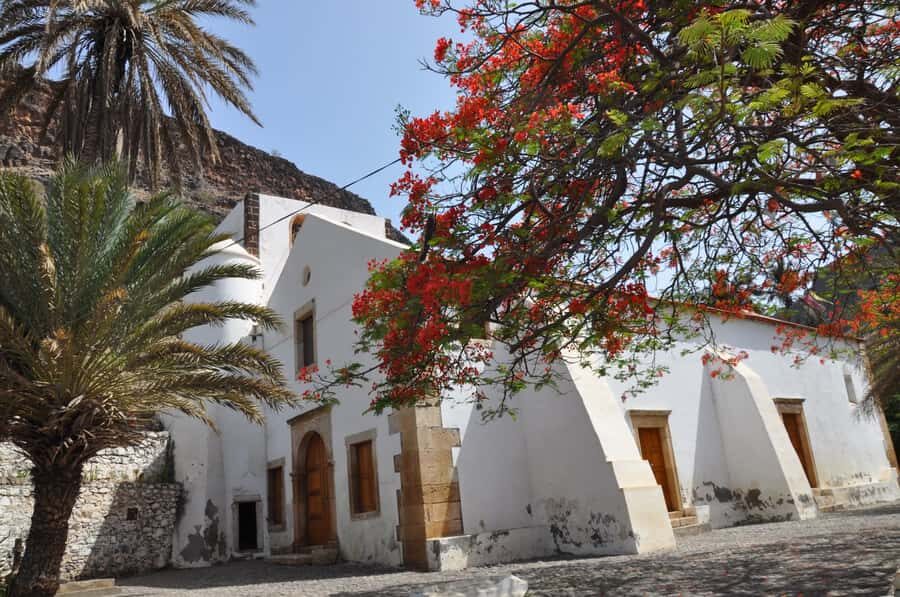
Afrocentrist focus on how African peoples helped shape the Krioulo nation
Short hotel-to-Cidade Velha transfer for a low-stress start
Small group limited to 7, so you can ask questions
Live guide in Portuguese, English, or French (Antonio is noted for strong French)
Monuments and the old city setting tied to the slave trade and later global connections
A clear link between the past and today’s culture, dance, skin colors, and Krioulo dialect
Why Santiago’s African origins aren’t just a footnote

Cape Verde’s identity didn’t form in a vacuum. It took shape through forced movement and colonial power, when millions of Black men and women were brought from places such as Senegal, Guinea-Bissau, and Gambia. This tour treats that history as foundational, not background noise.
I like that the experience connects origin to what you can actually see and hear today. The guide frames Capeverdean culture—skin colors, dance, and the Krioulo dialect spoken in the islands—as something with deep roots in the people who populated Santiago.
If you’ve only skimmed Cape Verde’s history from a distance, you’ll probably come away with a clearer sense of why the island’s culture feels distinct but still tied to wider African and Atlantic histories.
You can also read our reviews of more tours and experiences in Praia.



Hotel pickup and the easy ride to Cidade Velha
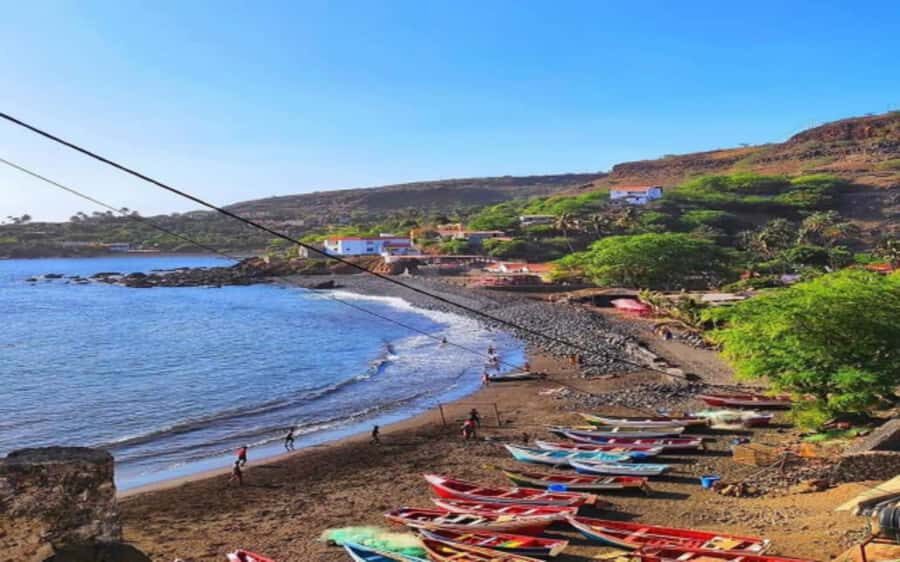
The day starts with hotel pickup, then a car drive of about 20 minutes to Cidade Velha. That matters more than it sounds. You don’t lose your energy negotiating transport or hunting for the right entrance. You just show up, meet the guide, and start moving.
Along the way, you may catch glimpses of the wider Santiago scenery—part of the appeal is that the tour doesn’t feel like you’re teleporting straight into a museum room. It feels like you’re approaching a real historic place, on a real island.
The small group size (max 7) also keeps things calmer. Less crowding means you can hear the guide without asking people to stop talking.
Entering Cidade Velha: an old city shaped by Africans and Europeans
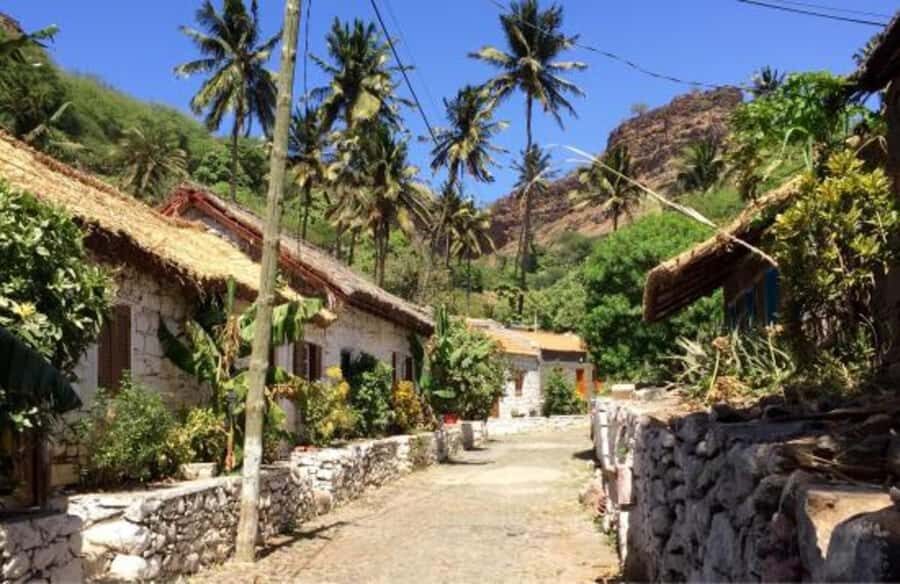
Once you reach Cidade Velha, you’re stepping into a historic core recognized as a world heritage site for its importance in the slave trade era. The tour explains how the city was founded by both Africans and Europeans, and how that mix became part of a larger Atlantic story.
This is where the tour’s tone becomes clear. It doesn’t treat the slave trade as an abstract timeline. It connects it to the people who lived through it—and the long-term cultural results that followed.
You’ll also learn why the site is remembered the way it is. The old city’s role in slavery trade didn’t just affect Cape Verde. It fed into broader European contact with the Americas and the re-shaping of the Atlantic world.
Practical note: since this is a monuments-and-walking kind of experience, you’ll feel happiest if you’re prepared to walk through parts of the old city for the duration.
The main monuments: reading history on the ground
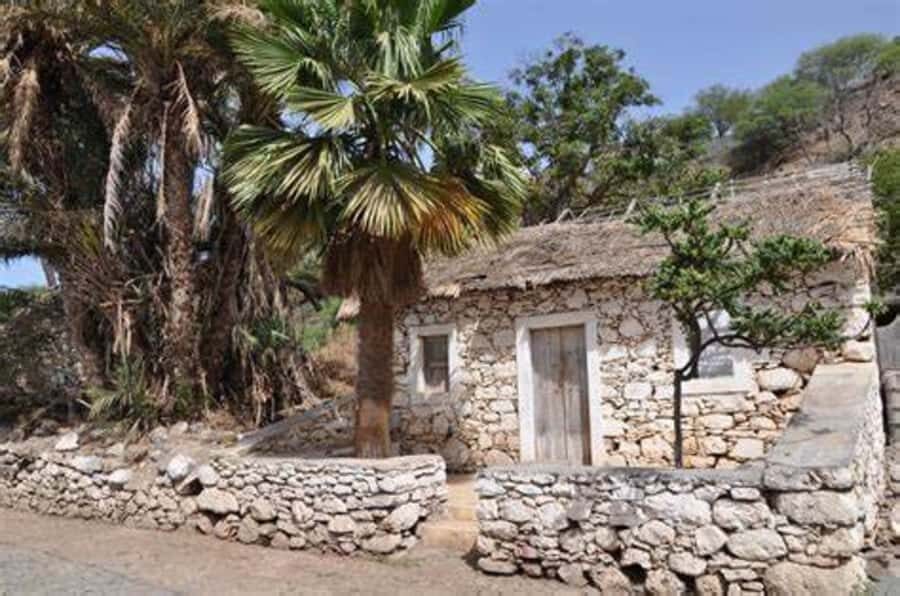
The tour includes visits to the main historical monuments that remain from the ancient city—monuments that testify to the contribution of Black men to the founding of the nation.
That wording is intentional. Instead of only pointing at impressive structures, the guide focuses on what those surviving landmarks represent: presence, labor, community-building, and cultural formation under colonial pressure. It’s history you can physically stand beside, not just history you scroll past.
Because the tour description doesn’t list individual monument names, I recommend you treat this as a guided interpretation. Let the guide lead you through the key points, then ask questions like:
- Which parts of today’s city reflect the African presence most clearly?
- What should I look for when I walk around on my own afterward?
That’s where a knowledgeable guide earns their fee.
Tracing the African peoples of Santiago
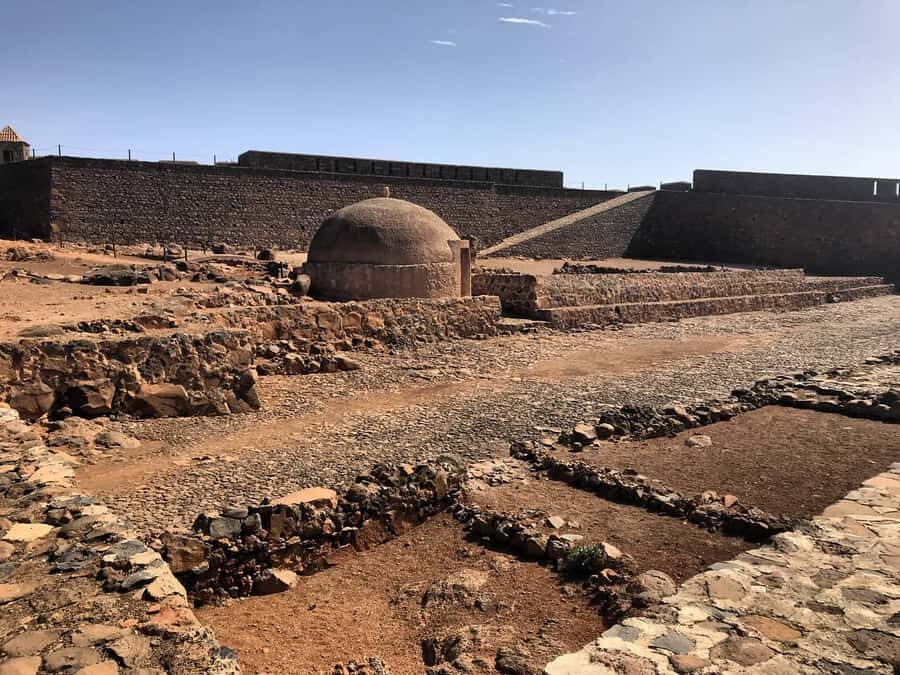
A big promise of the tour is discovering the main African peoples that populated Santiago. It’s not presented as a memorization exercise. It’s framed as a way to understand the roots behind Capeverdean identity.
The African origins are tied to regions connected to Senegal, Guinea-Bissau, and Gambia. The tour explains how colonial power brought people from those areas and how that movement contributed to a new Krioulo nation.
For you, this is useful in two ways:
- It gives names and directions to the cultural influences you may sense but not understand.
- It makes Cape Verde’s culture feel less like a random mix and more like a lived result of specific human journeys.
If you’re the type who likes to connect dots—language to people, dance to community, dialect to daily life—this format will feel satisfying.




Culture you can spot: skin colors, dance, and Krioulo dialect
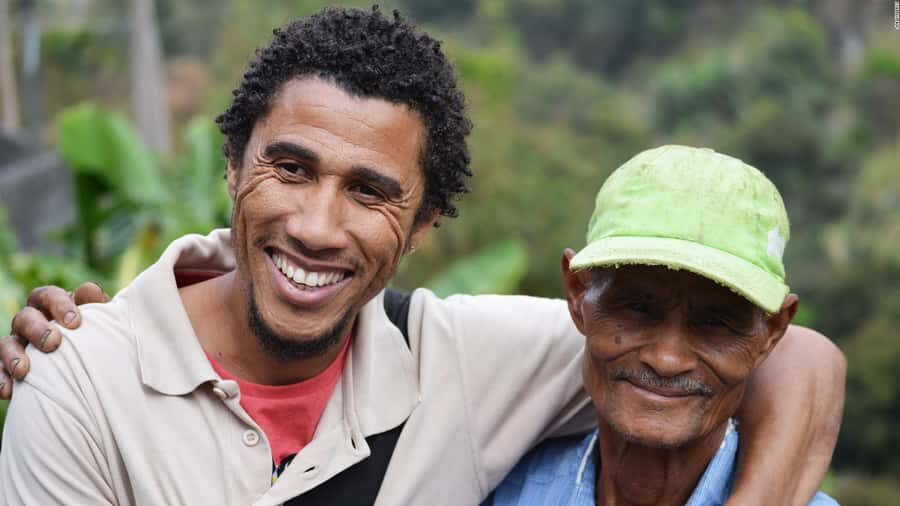
One of the strongest parts of this tour is how it explains traits you can encounter in everyday Capeverdean life. The tour highlights African influences in Cape Verdean culture, including dance, skin colors, and the Krioulo dialect spoken today.
Even if you already know Cape Verde is multilingual and culturally blended, this is the kind of tour that helps you understand why those elements exist—not just that they exist.
Here’s the value for you: instead of treating culture like decoration, you treat it like evidence. You start noticing patterns with more meaning:
- When you hear Krioulo, you’re hearing the result of people shaping communication over time.
- When you watch dance, you’re seeing community memory expressed through movement.
- When you talk with locals, you pick up on the way identity shows up in daily speech and expression.
If you’re on Santiago for a short trip, that “why” can change how you experience everything else.
How the 2-hour timing fits real travel days
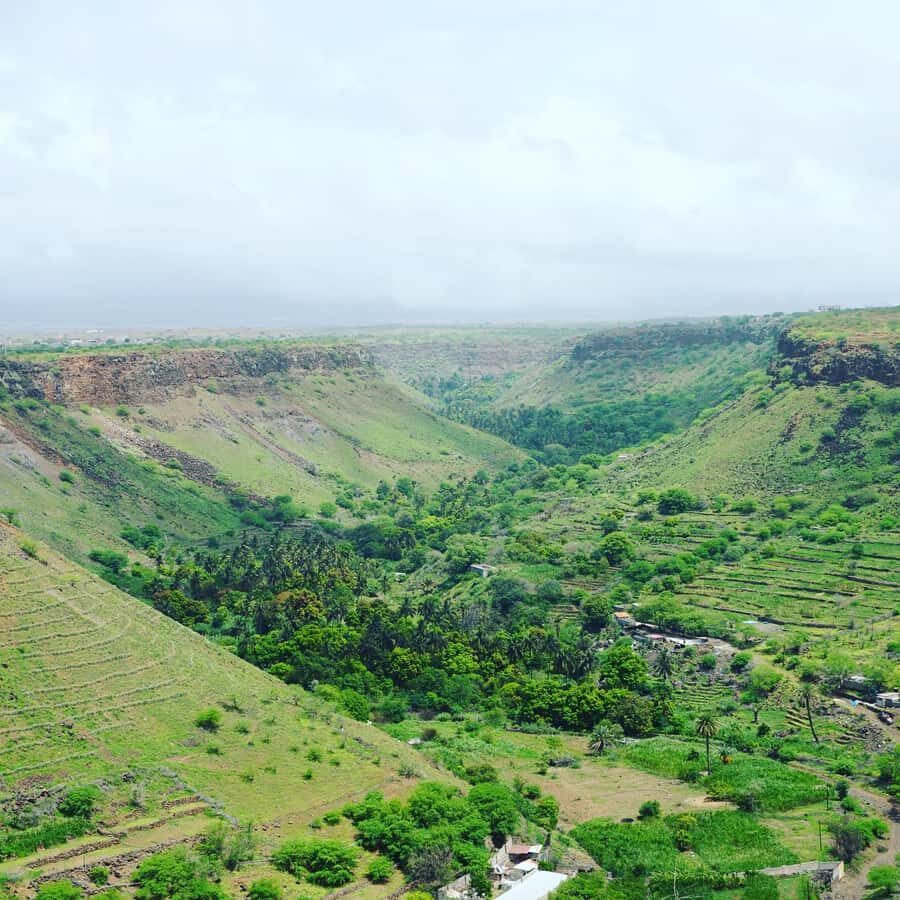
This is a 2-hour experience with pickup and drop-off included. That short duration is a practical advantage. It gives you a strong cultural-historical hit without swallowing your whole morning.
A tight tour also means you’ll get a curated route through the old city and monuments, guided by someone who knows what points matter most for this story. The benefit is focus: you don’t wander for hours trying to interpret history on your own.
Downside: with only two hours, you can’t expect everything to be covered in equal depth. If you’re especially curious about a specific aspect—dialect formation, particular migration histories, or the broader Atlantic connections—you’ll likely want follow-up reading or another guided visit later.
Price and value: what $64 gets you
At $64 per person for a 2-hour guided, small-group experience with hotel pickup and transport, this is priced like a focused city experience rather than a long, multi-stop day trip.
For your value equation, consider what you’re paying for:
- Guide interpretation (the whole point here is how the story is explained)
- Transport to and from the historic zone
- Entrance-free monument viewing within the old city area (as described)
- A small group limited to 7, which helps you hear details and ask questions
If you’re trying to balance cost with meaning, this tour makes sense because the time is tight and the story is coherent. You aren’t paying for hours of travel between far-flung sites.
The guide matters: clear explanation in real languages
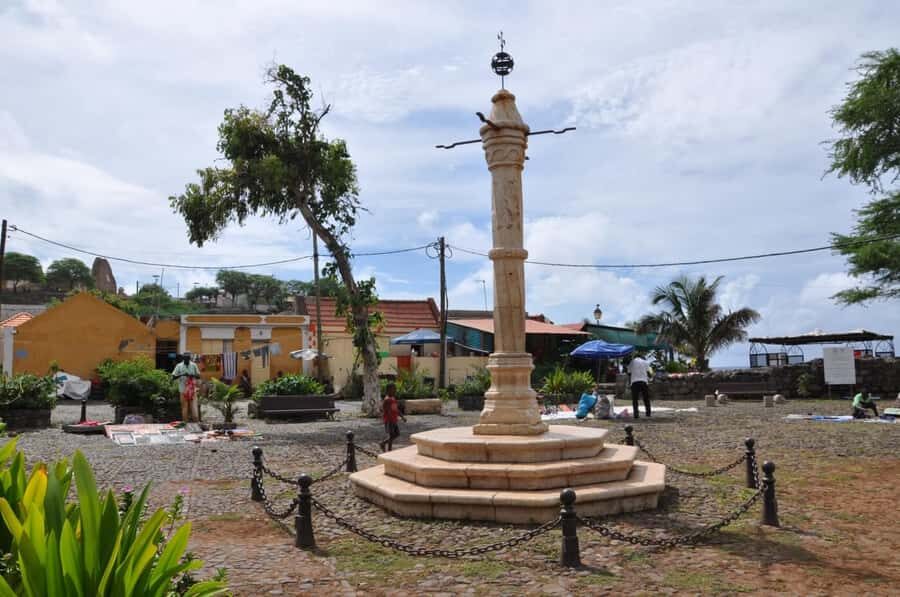
A recurring point in feedback is how well the guide communicates, especially in French. Antonio is specifically mentioned for explaining Capeverdean history with a very good level of French.
That matters because the tour’s theme—origins, forced migration, cultural formation—can get heavy. You’ll want clarity, not vague generalities. A good guide helps you keep the thread while still respecting the seriousness of the topic.
This is also why the live guide options matter. If you choose English or Portuguese and the guide speaks that well in practice, you’ll get more out of the monuments and context rather than just seeing sights.
Who should book this (and who might want a different option)
This tour is a good fit if you:
- want history with a human center, focused on African contributions
- like a guided walk through a world heritage site setting
- enjoy cultural connections—language, dance, identity—rather than only dates
- prefer small groups and a real chance to ask questions
It might be less ideal if you:
- expect a fully balanced, equal-time overview of every side of colonial history
- want named monuments listed in advance so you can research them obsessively beforehand
That said, the strong Afrocentrist framing can be exactly what makes this experience memorable and worth pairing with other viewpoints.
Quick practical tips before you go
Wear shoes you trust for walking around an old city area. Bring light sun protection, because even on shorter tours, weather can shift your comfort fast. And come with one or two questions about what you care about most—dialect, dance, or the African peoples involved—so the time feels personal.
Also: since this tour focuses on the origin story, your best results come from paying attention to how the guide ties monuments to people and culture.
Should you book the Origen of Capeverdean People tour?
I’d book it if you want an efficient, guided way to understand Cape Verde beyond surface-level “culture mix” talk. The pricing matches the structure: pickup + transport + live guide + small group + Cidade Velha monuments, all tied to a clear origin narrative.
If you only have a short window on Santiago, this is a strong use of that time. The main question isn’t whether you like history—it’s whether you want this specific angle. If Afrocentrist storytelling and the link to Krioulo identity sound like your thing, you’ll likely leave with a more meaningful map of the island in your head.
If that sounds like you, this is an easy yes.
FAQ
Where does the tour take place?
It takes place on Santiago Island, in Cape Verde, with the main visit centered on the old city area known as Cidade Velha.
How long is the tour?
The tour lasts 2 hours.
What is the price?
The price is $64 per person.
Is hotel pickup and drop-off included?
Yes. Hotel pickup and drop-off are included, along with transportation and a tour guide.
What languages is the live guide available in?
The live tour guide is available in Portuguese, English, and French.
How big is the group?
It’s a small group, limited to 7 participants.
What will I learn during the tour?
You’ll discover the main African peoples that populated Santiago, see traits of African people in Cape Verdean culture, and visit historical monuments connected to the contribution of Black men.
Where were many of the African arrivals connected to?
The tour explains how colonial power brought people from Senegal, Guinea-Bissau, and Gambia to help shape the Capeverdean nation.
Can I cancel for a full refund?
Yes. There is free cancellation up to 24 hours in advance for a full refund.
Is reserve now, pay later available?
Yes. You can reserve now & pay later, keeping travel plans flexible.