REVIEW · PRAIA
Praia: Plateau and Cidade Velha Guided Tour
Book on GetYourGuide →Operated by Be Capeverdean Tours · Bookable on GetYourGuide
Cidade Velha tells Cape Verde’s story fast. I love how this tour pairs UNESCO sites with real market time in Praia, so you get culture and context in one go; the main catch is it’s a solid amount of walking and it’s not designed for wheelchair users.
You’ll travel with a small group (up to 10) and a guide who works in English, French, Portuguese, or Spanish, which makes the history land fast and clearly. In the same tour format, guides like Edney and David are known for smart pacing and lots of practical local detail, including how people live today.
One more thing to plan for: the Royal Fortress entrance fee isn’t included, and lunch is on you (though there is a sea-view lunch stop). Bring comfortable shoes, sunscreen, and water, because you’ll be on your feet in sun.
In This Review
- Key highlights worth your time
- How this 4-hour Praia–Cidade Velha loop really plays out
- Praia Plateau landmarks: Jaime Mota Barracks and the city’s power center
- Municipal Market on Praia Plateau: fruit, veggies, and local rhythms
- Sucupira Market: the flea market side of Cape Verde culture
- Getting into Cidade Velha: the views and the shift in atmosphere
- Royal Fortress of São Filipe: pirate-defense walls and 121 meters of views
- Cathedral ruins and the story of slavery at Pelourinho
- Banana Street, churches, and the Convent of São Francisco
- Fishermen back from sea: a living complement to the ruins
- Sea-view lunch in Cidade Velha: what’s included and what to pay
- Guides on this route: Edney and David style of storytelling
- Price and value: is $70 fair for this mix of sites?
- Small-group walking reality checks (the good and the limiting)
- Should you book Praia: Plateau and Cidade Velha?
- FAQ
- Where does the tour pick up and drop off?
- How long is the tour?
- What is the price per person?
- Is the Royal Fortress entrance fee included?
- Is lunch included in the price?
- Which markets are visited?
- Are the markets open every day?
- What languages are the guides available in?
- How big is the group?
- What should I bring, and what’s not allowed?
Key highlights worth your time
- Cidade Velha, a UNESCO World Heritage Site focused on the roots of Cape Verdean nation and culture
- Royal Fortress of São Filipe with views from 121 meters above sea level
- Cathedral ruins in sub-Saharan Africa that show how early European faith mixed into local history
- Pelourinho stop centered on the old slave market and the darker side of the story
- Praia Plateau markets including the Municipal Market and Sucupira flea market time
How this 4-hour Praia–Cidade Velha loop really plays out
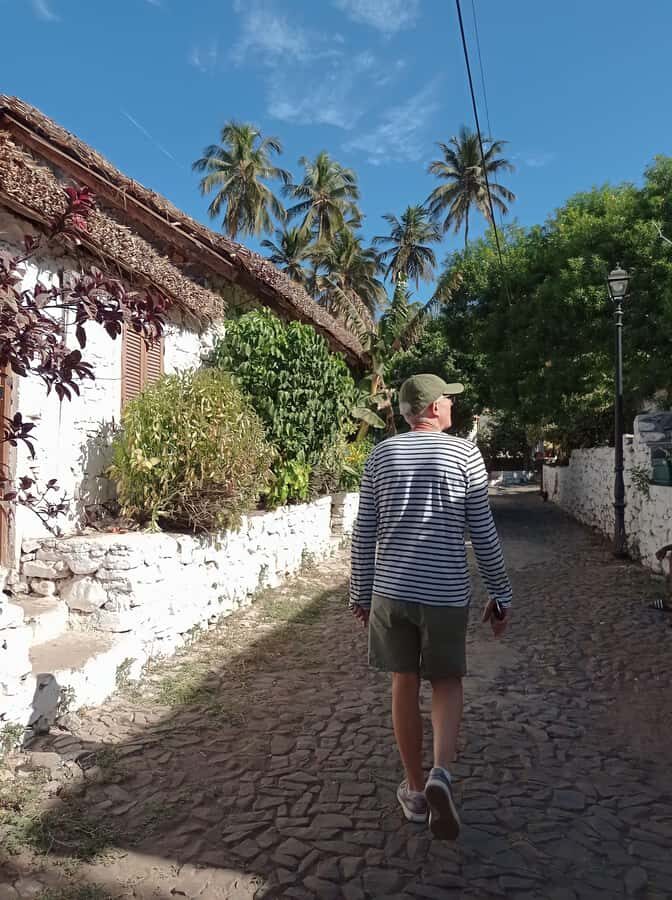
This is a short tour with a big punch. In about four hours, you’ll shift from Praia’s modern pulse on the Plateau to Cidade Velha’s older streets and coastal atmosphere.
Because the group stays small, you usually get easier back-and-forth with your guide—especially when you want clarification about dates, Portuguese-era buildings, or why certain places matter. The guide also helps you keep things straight when you’re moving between religious sites, forts, and market areas.
Still, it’s not a sit-and-watch outing. You’re walking through historic zones, and some movement is part of the sightseeing plan, including a bus transfer and a cable car ride connected to getting around Cidade Velha.
You can also read our reviews of more guided tours in Praia



Praia Plateau landmarks: Jaime Mota Barracks and the city’s power center
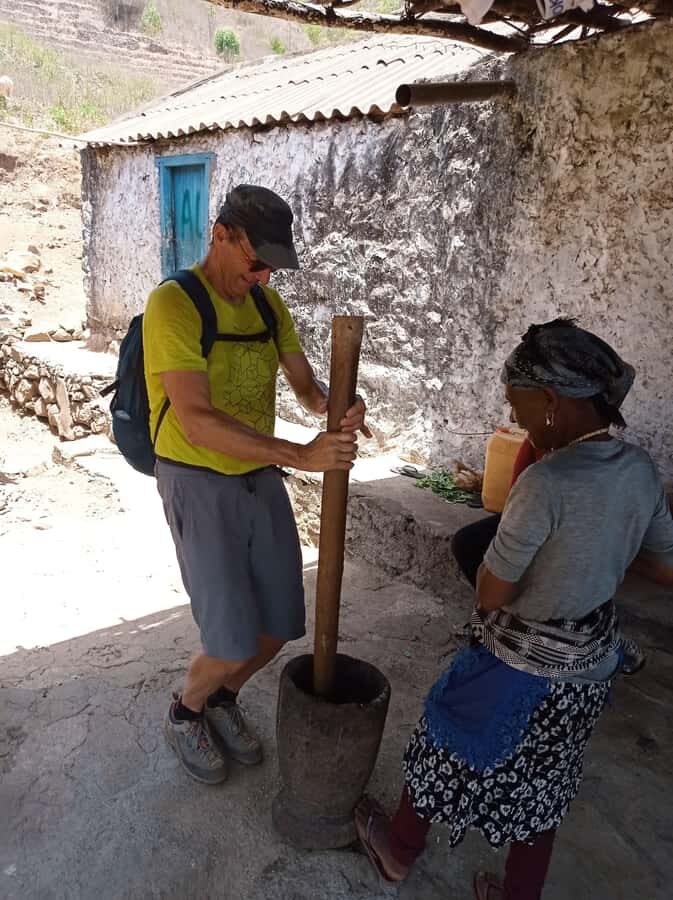
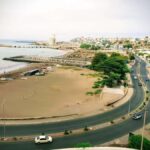
Your tour starts in Praia with a guided walk through the historic center on the Plateau. You begin around the Jaime Mota Military Barracks, then move past major civic landmarks like the Presidential Palace and Alexandre Albuquerque Square.
These stops work well because they set the tone before you jump to Cidade Velha. Instead of only chasing old ruins, you get a quick “now and then” contrast—Praia as the island’s active hub, and Cidade Velha as the earlier European-founded settlement.
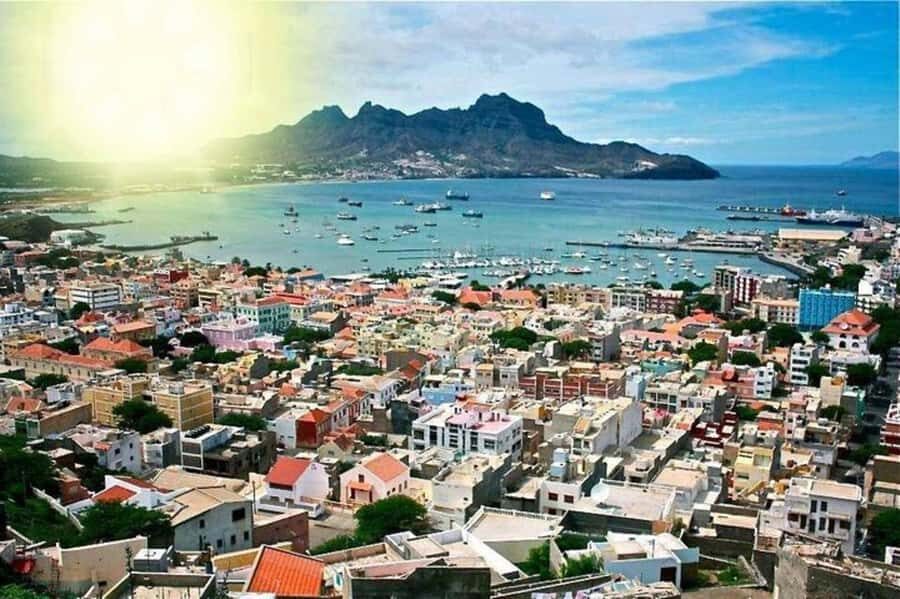
You’ll also get at least one photo stop by the visitor center area. That’s handy for orientation, since you’ll later look back at Praia views and understand how the city and coastline relate.
Municipal Market on Praia Plateau: fruit, veggies, and local rhythms
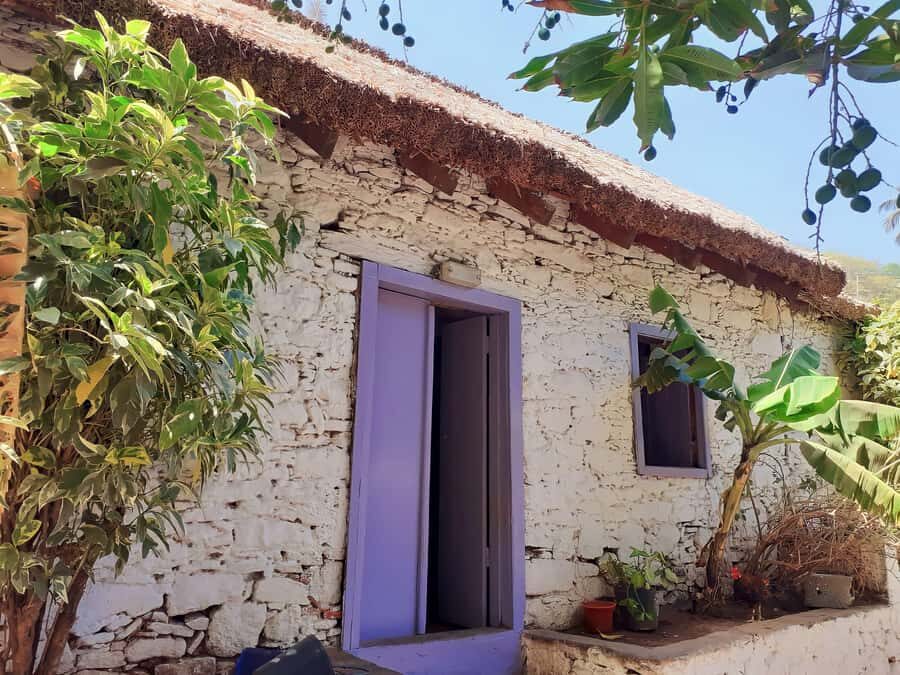
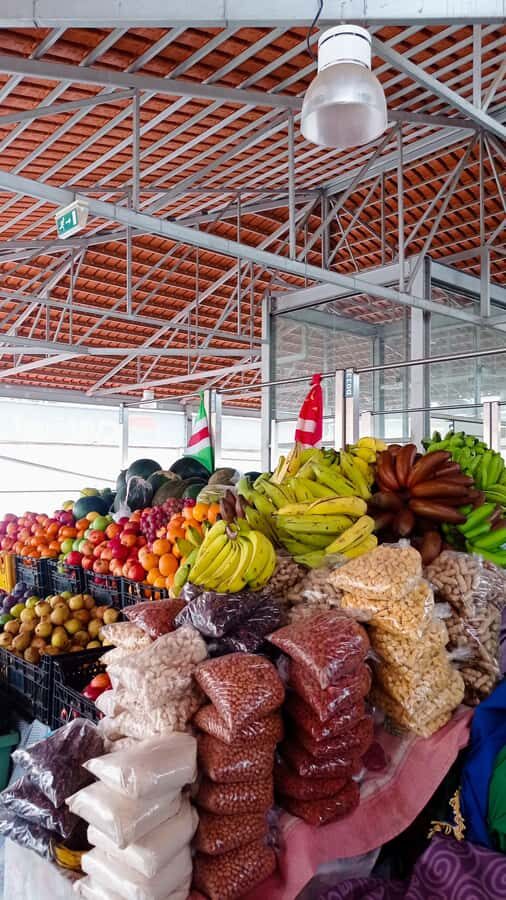
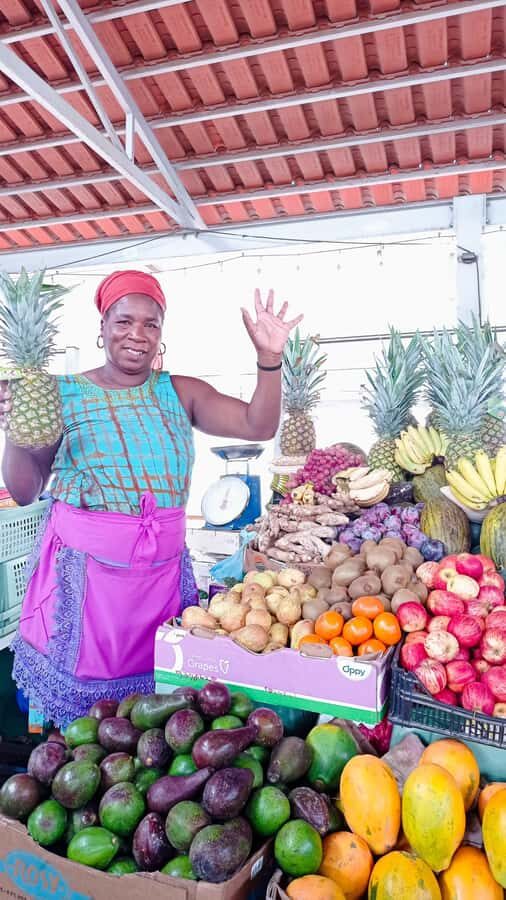
One of the best “small-tour” wins here is that you don’t just pass by food. You actually visit the Municipal Market and spend time meeting locals and scanning the everyday goods.
You’ll find a mix of local fruits and vegetables, and the market energy tends to make the city feel lived-in rather than museum-like. It’s also an easy moment to ask questions you might not think to ask during fortress stops.
Important note: the Municipal Market is closed on Sundays. If your trip date falls on a Sunday, you’ll want to keep your expectations flexible, because the market part of the experience may be affected.
Sucupira Market: the flea market side of Cape Verde culture
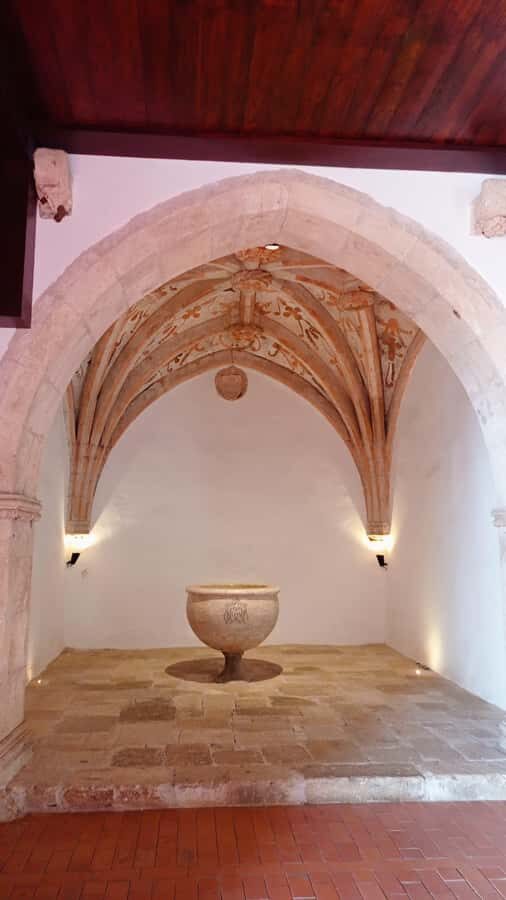
After the Municipal Market, you head to Sucupira Market, described as Cape Verde’s largest flea market. This is where the tour adds flavor beyond produce—think shopping browsing, everyday objects, and more chance to see how people trade and reuse things.
This part can be great if you enjoy small discoveries: useful items, interesting crafts, or just the chance to compare what locals sell here versus markets in other West African cities. The pace also tends to be more casual, because you can take your time looking rather than rushing between monuments.
If you’re the type who prefers quiet sightseeing, bring a mindset shift. Flea-market time isn’t about architecture—it’s about conversations, bartering style, and noticing what people keep around.
Getting into Cidade Velha: the views and the shift in atmosphere
Once you reach Cidade Velha, you’ll feel the change immediately. The area has that older-city feel where narrow streets, historic walls, and the coastal air all seem to compress time.
You typically arrive first at the Royal Fortress zone, and you’ll get a strong sense of elevation and reach. The plan includes getting around by bus and a cable car ride, which matters because Cidade Velha is not a flat stroll in all directions.
Even if you’re not chasing every photo, it’s worth watching where the guide positions the group. You’ll learn faster when you see how the fort location connects to the city below.






Royal Fortress of São Filipe: pirate-defense walls and 121 meters of views
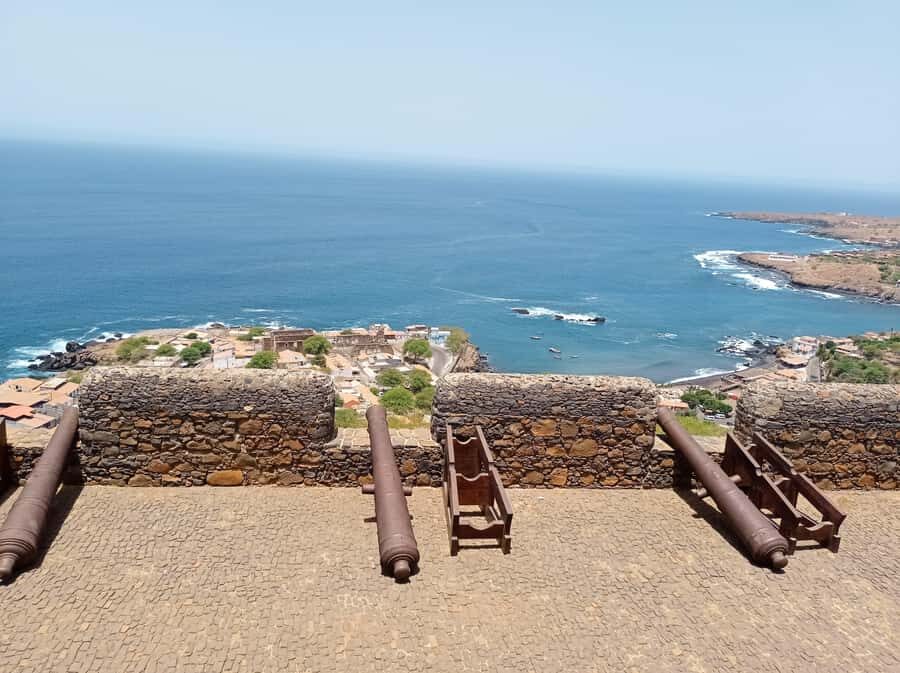
The Royal Fortress of São Filipe is built to defend the city from pirate attacks, and you’ll feel that purpose in the siting. It sits at 121 meters above sea level, which gives you a real sense of why the fort mattered.
This stop is more than photos, too. When your guide explains the defensive idea—control of approach and visibility—it helps you connect the fort to the island’s maritime reality.
Entrance fees for the fortress are not included: plan for 5 euros per person if you want to go inside. If you’re on a tight budget, you might treat the exterior views as optional, but the fort is one of the main historic anchors of the tour.
Cathedral ruins and the story of slavery at Pelourinho
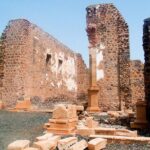
Cidade Velha’s most powerful historical stops sit close together. After the fortress, you’ll visit the ruins of the first cathedral in sub-Saharan Africa. Even in fragments, it’s an intense reminder of how early European presence shaped religion, politics, and daily life.
Then comes the stop at Pelourinho, the old slave market. This is the part that needs the right kind of attention. The guide’s job here isn’t to sensationalize—it’s to explain the history directly, with the place name and what it meant for people.
I like that this tour doesn’t dodge the hard parts. If you want a surface-level overview only, you may find this section emotionally heavy, because it’s grounded in a specific historic location rather than a vague theme.
Banana Street, churches, and the Convent of São Francisco
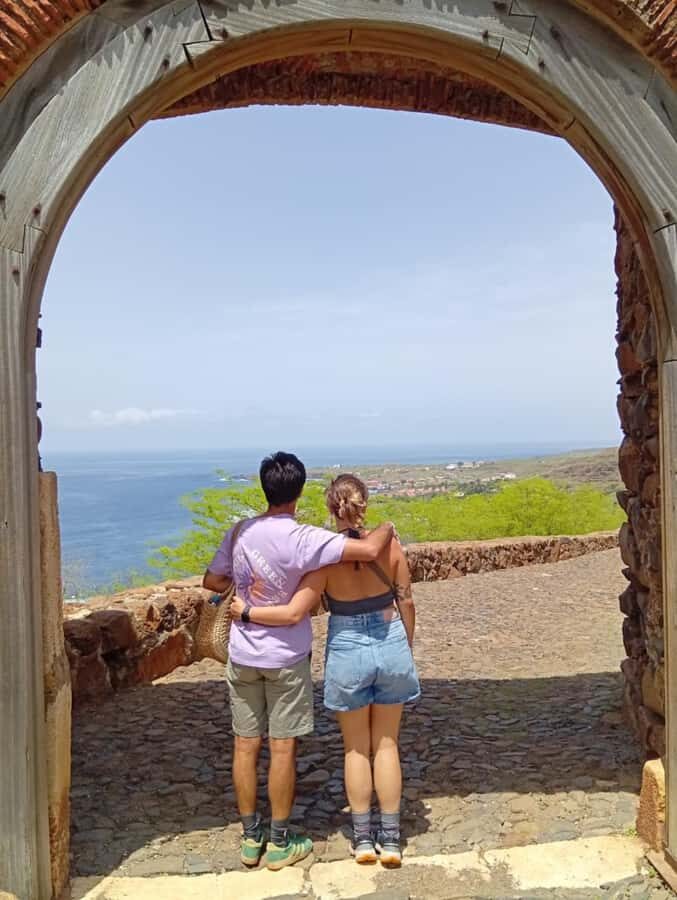
From the slavery history stop, the tour shifts into streets and religious sites. You’ll see Banana Street with its traditional houses, which is a nice visual break after Pelourinho because you’re looking at architecture and street life rather than the market’s purpose.
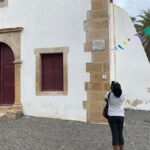
You’ll also visit Church of Nossa Senhora do Rosário and then the Convent of São Francisco. These stops help you understand why Cidade Velha became a long-term center for European institutions, not just a short-term outpost.
At a good pace, this stretch is where you start to notice details: door shapes, building materials, and the way religious spaces sit within the everyday flow. If your brain likes patterns, you’ll enjoy how the guide connects what you see to what it signaled back then.
Fishermen back from sea: a living complement to the ruins
Another standout moment is when you see fishermen returning with traditional boats carrying fresh fish. That contrast is important: ruins and forts are history, but the fishing culture is present-day reality.
This is where your camera usually comes out, and the timing tends to make the scene feel more real than staged viewpoints. Even if you only get a short look, it adds balance to a tour that otherwise could feel like a sequence of monuments.
Bring patience here. You might not control the exact timing of returns, but the guide’s local knowledge typically helps the group find good sightlines.
Sea-view lunch in Cidade Velha: what’s included and what to pay
Lunch happens during the tour, in a typical local restaurant with a sea view. The atmosphere is meant to slow you down after walking—shade, quiet conversation, and a chance to digest what you just learned.
However, lunch isn’t included in the tour price. You’ll pay your own meal on-site, so budget accordingly. The upside is you’re eating in the right place—Cidade Velha—rather than rushing to a different area just to find food.
If you’re picky about meal timing, it helps to know you’ll be eating after the main historic cluster. If you prefer snacks instead of a full sit-down, you can ask your guide what portion of the day is closest to lunch.
Guides on this route: Edney and David style of storytelling
The tour runs with guided service in multiple languages (English, French, Portuguese, Spanish), and the guide role is what keeps the walking tour from turning into a memorization exercise.
Guides like Edney and David are specifically praised for being approachable and adaptive—answering questions, adding anecdotes, and adjusting pace so you don’t feel rushed. One guide is also noted for sharing details about local flora and fauna, which can turn a short walking day into something more sensory.
For you, that matters because it changes how you process each stop. Instead of seeing Pelourinho as a name on a sign, you understand why it sits where it does and what the city’s growth depended on.
Price and value: is $70 fair for this mix of sites?
At $70 per person for about four hours, the value is strongest when you use the parts that money normally can’t buy alone: hotel pickup/drop-off and a guide for both Praia and Cidade Velha.
The tour includes guided sightseeing in Praia and Cidade Velha, plus visits to the Municipal Market and Sucupira Market. It also includes the guiding service across several languages, and the group size stays limited to 10, which usually makes Q&A easier.
What you should mentally subtract: fortress entrance fees (5 euros per person) and lunch are not included. If you’re planning to eat a full meal, set aside extra budget for that, since the tour expects you to handle it.
Even with those add-ons, it can still be a fair deal if you’d otherwise pay for entry, arrange transport, and do the history part alone. A guided route helps most when you want real context, not just photos.
Small-group walking reality checks (the good and the limiting)
This tour is best if you’re comfortable walking through historic areas and managing sun. You’ll want comfortable shoes, sunscreen, and water in your day bag, and a sun hat helps a lot.
It also isn’t suitable for people with mobility impairments or wheelchair users. If that applies to you, it’s worth looking for a different format with less walking and easier access.
One more practical watch-out: the Municipal Market closes on Sundays. If you travel on a Sunday, ask your guide how they adapt the market portion so you can still get the best experience.
Should you book Praia: Plateau and Cidade Velha?
I’d book this tour if you want a compact “roots and daily life” day in one package. You get the UNESCO Cidade Velha storyline, the hard history at Pelourinho, fortress views from high ground, and market time in Praia that feels like real Cape Verde rather than staged sightseeing.
Skip it or plan carefully if you need a low-walking day, or if you strongly prefer only upbeat, lighter stops. Pelourinho means the history won’t be sugar-coated.
If you’re on the fence, choose based on what you care about most: architecture and views, market culture, or guided historical context. This tour hits all three—then leaves you with a sea-view lunch moment to reset before the ride back to Praia.
FAQ
Where does the tour pick up and drop off?
It includes hotel pickup and drop-off in Praia. You’ll be picked up at your hotel (or waiting at the reception/in front of the hotel).
How long is the tour?
The tour duration is 4 hours.
What is the price per person?
The price is $70 per person.
Is the Royal Fortress entrance fee included?
No. Entrance fees to the Royal Fortress are 5 euros per person, and you’ll pay that separately.
Is lunch included in the price?
Lunch is not included. The tour includes a lunch stop at a typical local restaurant with a sea view.
Which markets are visited?
You’ll visit the Municipal Market and the Sucupira Market.
Are the markets open every day?
The Municipal Market is closed on Sundays.
What languages are the guides available in?
Guiding service is available in English, French, Portuguese, and Spanish.
How big is the group?
It’s a small group limited to 10 participants.
What should I bring, and what’s not allowed?
Bring comfortable shoes, a sun hat, a camera, sunscreen, and water. Smoking is not allowed.