REVIEW · PRAIA
Full day Santiago Excursion
Book on Viator →Operated by ATLANTUR, viagens e turismo,Lda · Bookable on Viator
A day on Santiago can feel like a lot of driving. That’s why I like this full-day small-group route: you cover Assomada, Tarrafal, and the Rabelados community with real time at each stop and fewer “drive-by” moments. Lunch and the museum entrance are included, and the guide work matters here—guides like Zé and Bruno are praised for connecting the places to Cape Verde’s music, history, and geography. One consideration: the schedule depends on good weather, so if conditions are rough, you may need a different date.
What I like most is the blend of practical browsing and meaning. You get market time in Assomada, then you switch gears to the Tarrafal concentration camp museum, followed by a swim stop at Tarrafal Bay. I also appreciate that the group is capped at 11 travelers, which usually means less waiting and more chance to ask questions when you’re standing in front of something historical. The main drawback is that you’re on the move for about 8 hours, so it’s not for you if you want a slow, sit-and-do-nothing day.
In This Review
- Key highlights at a glance
- Why this Santiago day trip makes sense from Praia
- Assomada Market: shop, snack ideas, and local rhythm
- Serra de Malagueta Park: a short nature stop that’s actually worth it
- Tarrafal Beach and the museum: history with time to breathe
- Pedra Badejo and the black-sand coast: scenery on the return drive
- Rabelados village: art, identity, and a community story you can’t fake
- Price and value: what $111.62 gets you, and where costs pop up
- Logistics that affect your day more than you expect
- Who this tour suits best (and who might want a different plan)
- Should you book the Full-Day Santiago Excursion?
- FAQ
- What time does the Santiago full-day tour start?
- How long is the tour?
- Is pickup included?
- What is included in the price?
- What is not included?
- How big is the group?
- Is a mobile ticket used?
- What happens if the weather is bad?
Key highlights at a glance
- Assomada Market time with a real chance to shop and get a feel for everyday life
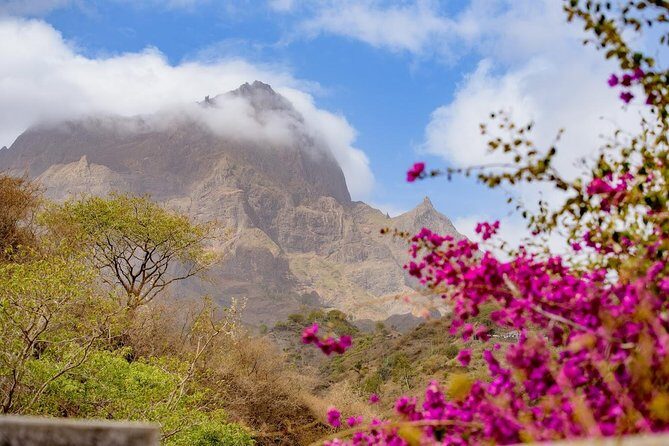
- Serra de Malagueta Park quick stop for eucalyptus forest, acacias, and photo-worthy plant life
- Tarrafal Bay + concentration camp museum with lunch included and time for a swim after
- Black-sand coastline views near Pedra Badejo plus groves and quiet beaches
- Rabelados village visit to see paintings and learn about a community that resisted colonial society and church
Why this Santiago day trip makes sense from Praia
If you’re basing yourself in Praia and want to understand Santiago beyond the city, this tour is a smart use of a single day. The route is built around two kinds of stops: places where you can do something (markets, a swim, browsing village art), and places where you’ll understand something (the museum and the community story).
You’re looking at about 8 hours total, starting at 9:00 am, with pickup offered. That morning start matters on Santiago because the island’s sights are spread out. With a small group (up to 11), you spend less time herding people and more time getting the most out of each stop.
The value here isn’t only that lunch and entrance fees are included. It’s that the tour doesn’t treat every location as a quick checkmark. Even the shorter stops are timed so you can actually enjoy them—think photos in the eucalyptus park, a meaningful museum visit, and a full village hour where you can ask questions rather than rushing past.
A few more Praia tours and experiences worth a look

Assomada Market: shop, snack ideas, and local rhythm
Assomada sits roughly 60 km from Praia, and the market stop is one of the easiest ways to feel Santiago’s day-to-day culture. You’ll have about 30 minutes here, and it’s timed around the market days: the tour visits on Wednesdays and Saturdays.
With only half an hour, your strategy matters. I suggest you show up ready to do three things:
- scan stalls for crafts and everyday goods
- check prices quickly before buying
- buy small if you’re unsure about transport (you’ll thank yourself later in your luggage)
Also, markets are often where local food smells, ingredients, and snacks show up before the rest of the island tour gets serious. Even if you don’t snack right away, I like having market time early because it sets the tone for the rest of the day.
One thing to consider: market days can get crowded. The good news is the group size stays small, and you’re not stuck following a huge bus crowd through the aisles.
Serra de Malagueta Park: a short nature stop that’s actually worth it
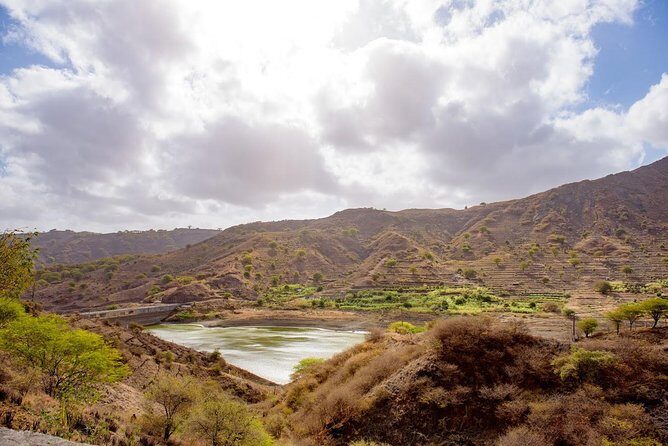
After Assomada, you’ll head into Serra de Malagueta Park. The park stop is short—about 15 minutes—but it’s designed for quick payoff: eucalyptus forest, different types of acacias, and other endemic plants. Even if you’re not the type to read plant labels, you’ll still benefit from the change of scenery and the photo opportunities.
This is the kind of stop that’s best if you treat it like a reset button. Use it to:
- get outside the urban heat and dust
- snap a few photos while the light’s decent
- stretch a bit before the longer driving segments
Since the time is limited, wear shoes you can walk in without stress. Also, bring something light for sun and wind; this is an island with quick weather shifts, and Serra de Malagueta can feel very different from the coast.
If you’re expecting a long hike, you’ll be disappointed. But if you want nature without committing the entire day to trekking, this is a practical compromise.
Tarrafal Beach and the museum: history with time to breathe
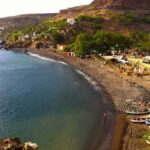
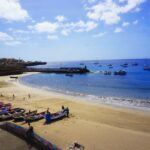
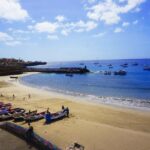
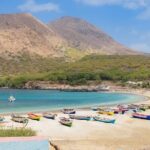
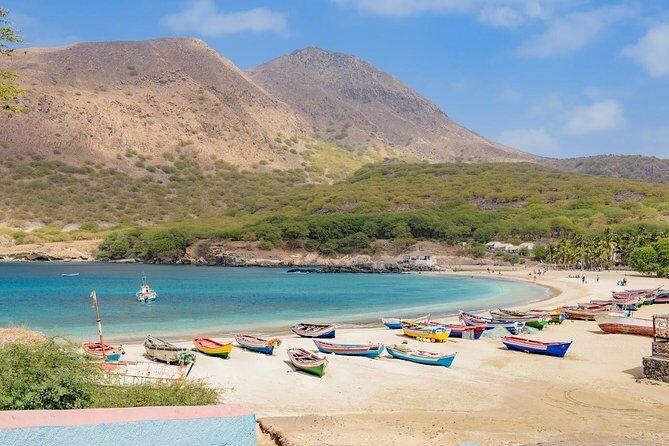
Tarrafal is where the tour shifts from market-and-views mode into meaning. You’ll reach Tarrafal, a fishing village, and the stop includes the concentration camp museum (entrance included). On top of that, you get a look at the bay itself—famous for its palm-framed shoreline—and you’ll have time to relax after lunch.
You’ll spend about 2 hours total at Tarrafal, and the order helps. Lunch comes first at a typical restaurant, then you’ll be welcomed for a swim in the bay afterward. That sequencing matters: if you’re going to swim, you don’t want to do it right after a travel-heavy morning when you’re hungry and moving on a tight schedule.
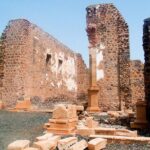
The museum visit is the emotional anchor of the day. It’s also the part where a good guide really earns their seat. In the feedback around guides like Zé and Bruno, you can see what to expect: clear explanations that connect the place to Cabo Verde’s wider story—music, history, and geography, not just facts read off a plaque.
A quick practical note: swimming is offered after lunch, but you’ll still want basic swim gear if you plan to take advantage of it. And if you’d rather not swim, the bay setting still gives you a chance to slow down visually.
Pedra Badejo and the black-sand coast: scenery on the return drive
On the way back toward Praia, the tour includes a stop related to Pedra Badejo. This section is less about a single fixed landmark and more about enjoying the coast views.
You’ll have a chance to see small bays, groves, and deserted beaches with black sand. Even if you only get a short window, this kind of stop is where you start noticing Santiago’s variety: the contrast between bright coastal areas and dark sand beaches, and the way the landscape changes as you move along the island.
I like adding these scenic stops because it breaks up the day. Without them, you’d go from museum emotions back to a pure road-and-roads finish. With them, the return feels like part of the experience rather than just the trip home.
Bring your phone camera, but also keep your eyes up. Black-sand beaches can look like a specific place from one angle and a whole different scene from another.






Rabelados village: art, identity, and a community story you can’t fake
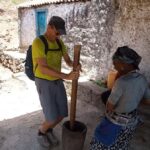
The final stop is the most “human” part of the route: Rabelados village. You’ll spend about 1 hour here, which is a strong amount of time for a community visit. You’ll see paintings and learn about the culture of a community that, during colonial times, rebelled against society and church and still protects its unique traditions.
This is the stop where you’ll feel the difference between tourism-as-sightseeing and tourism-as-understanding. It isn’t only about walking through a place—it’s about hearing a story that helps explain why the arts and traditions look the way they do.
What to do during your hour:
- ask questions about what the paintings represent (and how people use them)
- listen for the parts that explain how traditions survived
- take your time reading what’s meant to be seen, not just photographing everything
A consideration: because it’s a village visit, don’t expect polished “attraction” infrastructure. Your experience will depend more on the conversation and how the guide frames what you’re seeing.
Price and value: what $111.62 gets you, and where costs pop up
The price is listed at $111.62 per person, and that number matters because not every Santiago day trip includes food and key entrances. Here, lunch is included, and entrance to the concentration camp museum is included. That’s already a big chunk of the “hidden costs” people usually forget to budget.
What’s not included is also clear: alcoholic beverages and soft drinks. So if you want a soda with lunch or a beer after the swim, plan on paying extra. If you travel with a water plan (bring a bottle where allowed, or buy what you need once you’re stopped), you’ll keep the day comfortable.
The small-group cap (up to 11 travelers) also affects value. In practice, it can mean faster boarding, fewer people per guide, and more room to ask questions at the museum and village stops. When you’re paying for guided interpretation—especially at a site like Tarrafal—that attention is worth something.
Logistics that affect your day more than you expect
This tour runs about 8 hours, and the pacing is a mix of short stops (Assomada, Serra de Malagueta) and longer impact moments (Tarrafal, Rabelados). If you’re someone who hates rushing, focus on two things: comfortable shoes and a calm attitude. The schedule is full, but it’s not random.
Also, the tour uses a mobile ticket, and pickup is offered, which reduces the annoying parts of getting out the door. If you’re traveling with a very small group (under 3 people), the guide might also be the driver, which can mean a more flexible feel inside the day—though it may also reduce time for extra guiding between stops.
Finally, this experience requires good weather. On a day-trip schedule, weather can shift timing or plans quickly. If you see a forecast that looks shaky, don’t lock your most important connection plans too tightly for the same day.
Who this tour suits best (and who might want a different plan)
You’ll likely enjoy this tour if you:
- want a full-picture first day on Santiago from Praia
- like mixing markets, coast scenery, and a museum in one route
- enjoy guided context—especially for history sites
- prefer a smaller group over the large-coach experience
You might want to choose something else if you:
- want lots of free time to wander without a set schedule
- aren’t interested in museum history at all
- hate driving days or long stretches of being on the move
Should you book the Full-Day Santiago Excursion?
I’d book it if you want one efficient day that adds variety: market life in Assomada, a nature reset in Serra de Malagueta, a meaningful stop at Tarrafal’s museum (with lunch and a bay swim afterward), then coastline views and a real community visit at Rabelados.
It’s not a “rest day,” and it’s not designed for total freedom. But it is designed for value: lunch and a key entrance are included, the group stays small, and the itinerary gives you enough time at each stop to actually absorb what you came for. If you’re on Santiago with limited time, this is one of the most practical ways to understand more than just the postcard parts of the island.
FAQ
What time does the Santiago full-day tour start?
The tour starts at 9:00 am.
How long is the tour?
The duration is about 8 hours.
Is pickup included?
Yes, pickup is offered.
What is included in the price?
Lunch and entrance to the concentration camp museum are included.
What is not included?
Alcoholic beverages and soft drinks are not included.
How big is the group?
The maximum group size is 11 travelers.
Is a mobile ticket used?
Yes, the tour uses a mobile ticket.
What happens if the weather is bad?
The experience requires good weather. If it’s canceled due to poor weather, you’ll be offered a different date or a full refund.