REVIEW · PRAIA
Santiago Island: Full-Day Sightseeing Experience
Book on GetYourGuide →Operated by Dias Tour · Bookable on GetYourGuide
Santiago has a way of feeling big. This full-day tour on Santiago Island strings together mountain views, Assomada’s market energy, and a long beach break at Tarrafal. I love the big-sky sightseeing (Serra Malagueta especially) and the calm, complete pace that feels easy rather than rushed. One drawback: it’s not recommended for limited mobility, since you’ll be moving around on uneven ground.
What really makes this day work is the guide-led, private format. If you get a guide like José, you’ll get more than facts—you’ll get a feel for Capoverdian life through real stories. Also, double-check the meal situation: lunch is listed as included, but there’s also a note saying lunch isn’t included.
In This Review
- Key highlights to look forward to
- Getting From Praia Into Santiago’s Interior: The Day Starts Strong
- Assomada Market in the Middle of the Island: A Real Sense of Daily Life
- The Old Tree Moment and Serra Malagueta Viewpoints
- Tarrafal Beach Time: Swimming and a Proper Decompression
- Rabelados Communities: Simple Life Without the Script
- Pedra Badejo Banana Plantations: Coconut Sampling and Work-Ready Terrain
- Guide and Languages: How Storytelling Makes the Day Feel Personal
- Price and Value for a $115 Full Day
- Who This Tour Fits Best (and Who Should Skip It)
- Should You Book This Santiago Island Full-Day Tour?
- FAQ
- What is the price of the Santiago Island full-day sightseeing tour?
- What does the tour include?
- Is lunch included?
- What language options are available?
- What should I bring?
- Is the tour suitable for people with limited mobility?
Key highlights to look forward to
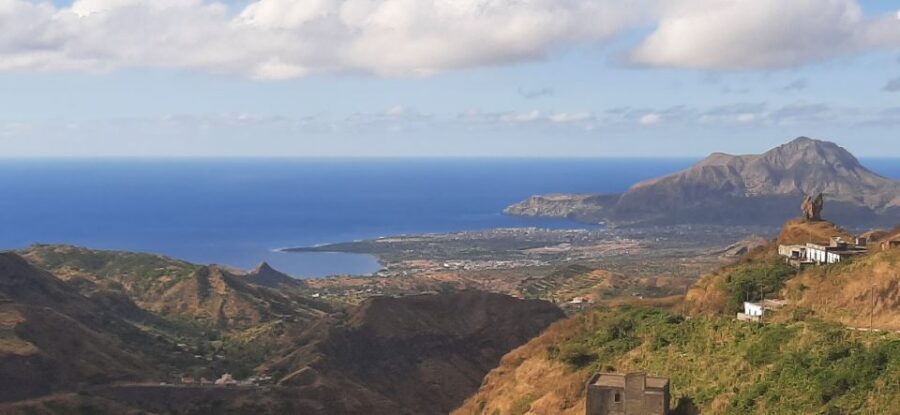
- Assomada market time in the island’s interior, with time to wander
- 900-year-old tree and the big-tree moment everyone talks about
- Serra Malagueta natural park for viewpoints over neighboring islands
- Tarrafal beach for swimming and a proper decompression
- Rabelados communities to see daily life up close
- Pedra Badejo banana plantations with a chance to try coconut
Getting From Praia Into Santiago’s Interior: The Day Starts Strong
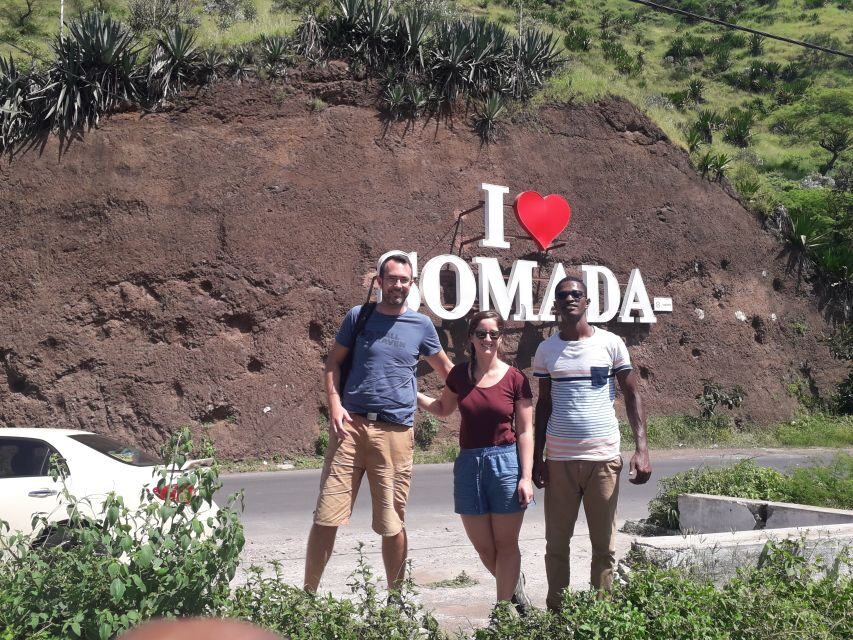
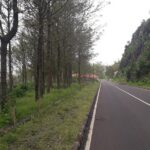
Most Santiago island days either feel like driving all day or staying too close to town. This one aims for the sweet spot: you’re picked up from your accommodation in Praia, then you head inward right away, so the first payoff is the scenery. Expect winding roads that trade flat city views for mountain angles, valley views, and small glimpses of how people live between the coast and the high ground.
I like that the tour is built around viewpoints, not just stops. You get the feeling that Santiago is made of layers—mountains rising behind villages, different weather pockets, and wide horizons that change as the vehicle climbs and descends. The guide keeps the day grounded with context about what you’re seeing, which helps you notice details you’d otherwise miss.
This is also where you’ll feel the pace. It’s a full day, and you’ll be outside for stretches, so wear shoes that handle dust and uneven surfaces. If you need lots of step-free time, plan carefully—this isn’t marketed for mobility limits.
A few more Praia tours and experiences worth a look
Assomada Market in the Middle of the Island: A Real Sense of Daily Life
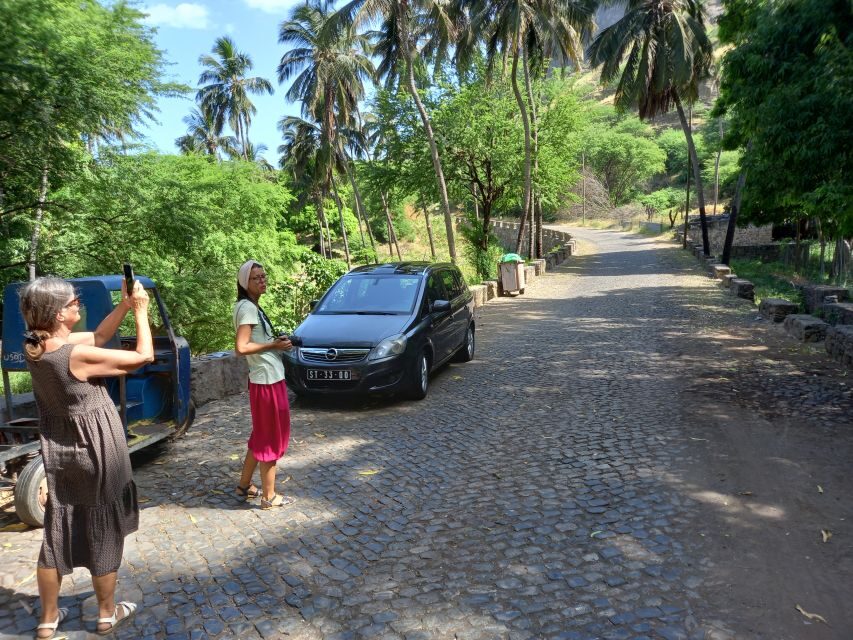
Assomada City is the kind of place where you don’t need a script. The tour stops you at what’s described as the best market in the country, and the key is that you’re given time to wander rather than just “look and leave.” That freedom matters. You can slow down, watch trade in action, and get a feel for what locals buy and how conversations move.
Assomada also works as a rhythm-break. After the mountain roads, the market is more human-scale: faces, colors, hands moving, and lots of small interactions. It’s the sort of stop that makes the rest of the day click, because suddenly you can connect the scenery to the people living there.
Practical tip: bring a little cash for small purchases if you want souvenirs or snacks, but the tour doesn’t list drinks as included. If you’re the type who likes to take photos, you’ll find plenty of subjects—just keep an eye on crowds and don’t block foot traffic.
This isn’t a “shopping tour,” even if you’ll pass stalls. It’s a morning-to-midday window into local routines.
The Old Tree Moment and Serra Malagueta Viewpoints
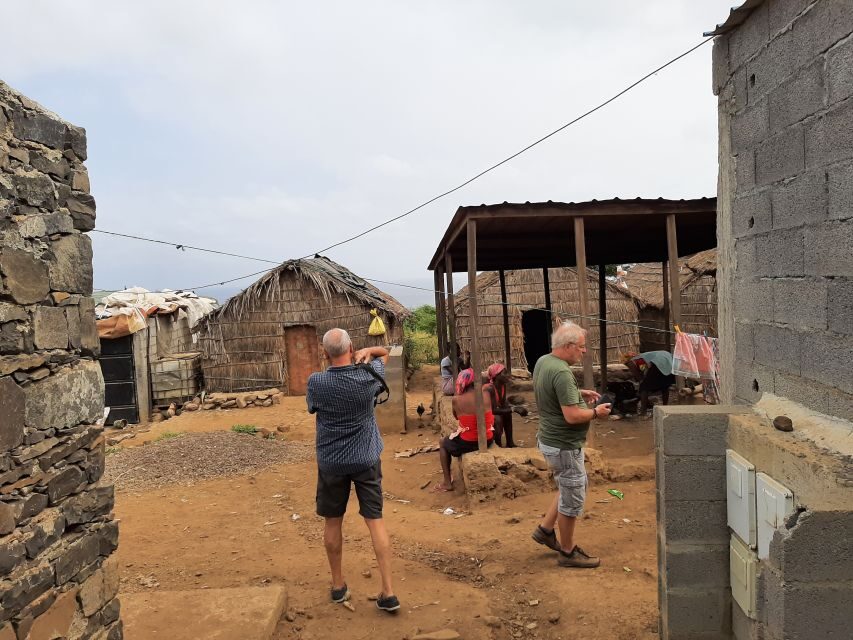
Next comes the landmark stop: a 900-year-old tree. The tour frames it as the oldest tree on the island and also highlights it as the biggest tree in the country—so you’re not just ticking a box. This is one of those moments where you stand still for a minute and realize how time works. You’ll see why people build memories around a single living thing that’s outlasted generations.
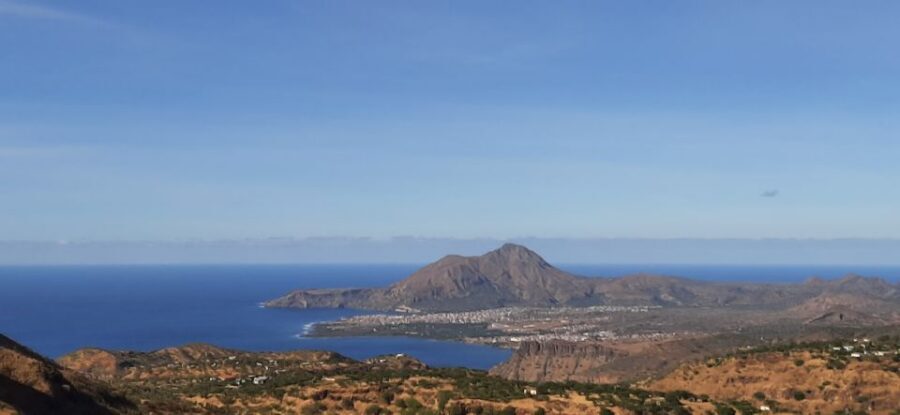
Then you head to Serra Malagueta natural park. This part is about the viewpoints—scanning neighboring islands from higher ground. It’s the kind of “look up and take it in” scenery that makes you understand why people farm and travel where they do. From these elevations, it’s easier to read the island’s shape and understand the valleys and ridgelines you crossed earlier.
The trade-off: this section likely means some walking, plus sun and changing temperatures as you move between heights. Bring a light layer even on warmer days. And if you’re sensitive to heat, pace yourself—stop, look, breathe, then keep going.
If you only liked Santiago for beaches, Serra Malagueta is the reality check that makes the island feel complete.
Tarrafal Beach Time: Swimming and a Proper Decompression
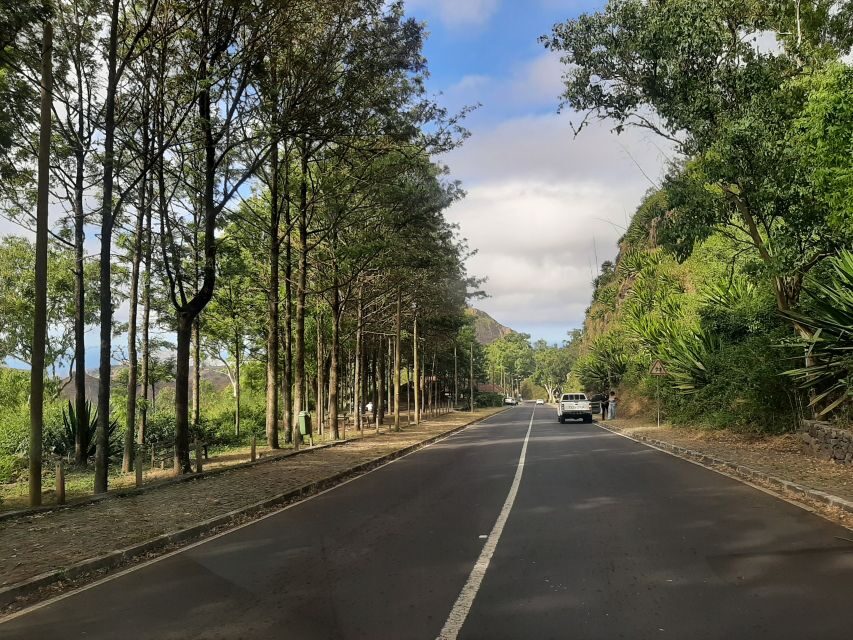
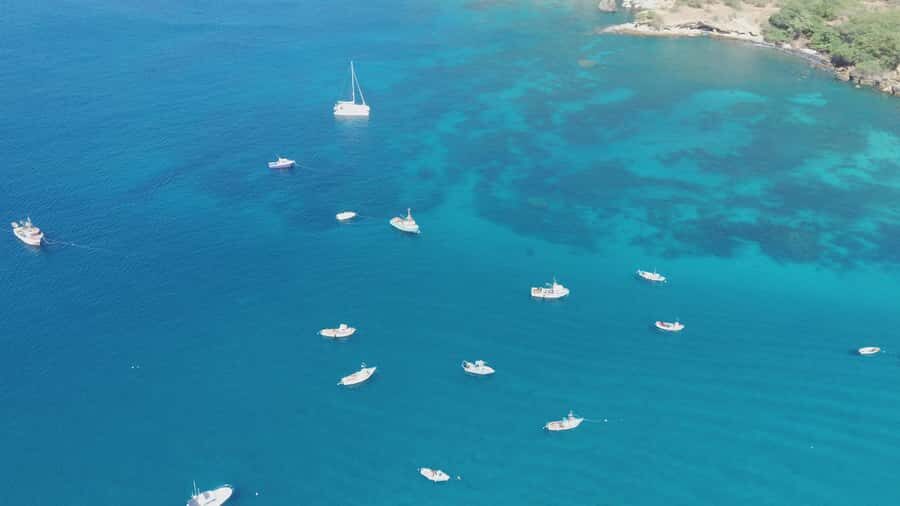
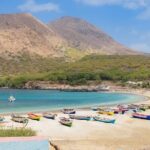
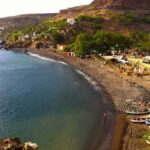
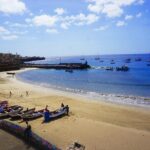
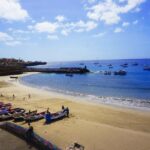
After the interior, the tour brings you to Tarrafal, described as the best beach on the island. This is the payoff for everyone who wants more than one viewpoint photo. Tarrafal is where you shift gears from “watching and walking” to “resting and cooling off.”
You’ll get time to enjoy the beach, and the tour overview includes swimming. That matters because Santiago can be warm in the sun-heavy parts of the day. Beach time is your chance to reset, rinse off dust from earlier stops, and stretch out before heading back toward Praia.
What I like about ending with Tarrafal is that it keeps the energy low-stress. You’re not being asked to rush through one more city stop. Instead, it feels like the tour closes with a reward.
Tip: pack simple beach essentials—sunscreen and water. Drinks aren’t listed as included, so plan to stay hydrated even if you’re just lounging.
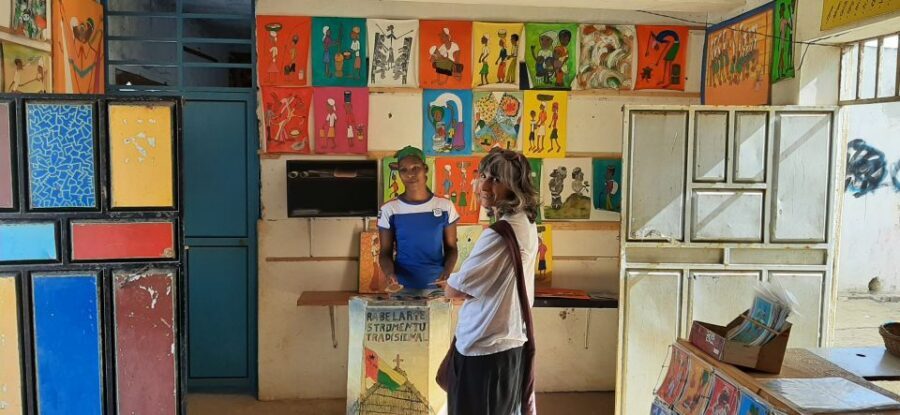
Rabelados Communities: Simple Life Without the Script

The tour also includes stops in Rabelados communities, with time to learn their simple life. This isn’t described as a performance or a themed activity—it’s framed more as an on-the-ground look at daily living. That’s often what separates a good cultural stop from a forced one: you’re shown real routines, not rehearsed answers.
I find these community moments valuable because they connect the dots between what you see in markets and what you notice in villages. After Serra Malagueta and the ancient tree, you can see how people adapt to the island—what feels practical, what looks hard, and what looks sustainable.
The best way to get value here is to be curious and calm. Ask small questions through the guide, listen, and avoid treating it like a quick photo stop. If you respect people’s pace, the conversations tend to be more genuine.
Also remember: because this is a full day with driving, you’ll want to stay present but not overextended. Take breaks when you can and keep your energy for the beach later.



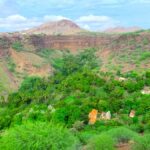

Pedra Badejo Banana Plantations: Coconut Sampling and Work-Ready Terrain
One of the tour’s most practical stops is the banana plantation area around Pedra Badejo. The itinerary calls this one of the best places for banana plantations, and it even notes an opportunity to try coconut (spelled as coconoty in the info you provided).
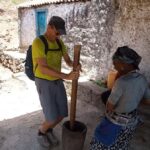
This is a good stop if you like agriculture because it’s not just a scenic viewpoint. You get a sense of the island’s working side—what grows, what people tend, and how food connects to travel and trade. Even if you’re not a plant expert, you’ll likely find it more interesting than a standard souvenir stop.
There’s also a subtle benefit: this part of the day tends to make you think about terrain. From the mountains to the coast, you can start to understand why certain areas are planted and how water and sun exposure shape what thrives.
One caution: plantation areas can mean uneven paths and direct sun. Wear grippy shoes and protect yourself from the sun. If you’re sensitive to strong heat, you may want to slow down during walking segments and drink water as often as you can.
Guide and Languages: How Storytelling Makes the Day Feel Personal
This is a private tour with a guide, which is where you usually gain the most value. The tour’s guide-led style comes through clearly in feedback about insight into Capoverdian life and the way guides can make Santiago feel understandable rather than just scenic.
One guide name you’ll see in the feedback is José. The praise points to him sharing lots of information and insights, which matters because Santiago’s geography can be confusing if you only see it from a bus window. With a good guide, you start matching routes to explanations. You learn why a place looks the way it does, how people make a living, and what’s worth noticing along the way.
Language coverage is also a plus. The tour offers languages including Spanish, English, French, and Portuguese. If you’re traveling with family or friends who don’t share the same language, this broad coverage increases your odds of a smooth day.
Practical tip: if you have questions (about farming, daily routines, or the meaning behind a landmark), write a few down in advance. You’ll get more out of the conversation when you go in with a couple of specific curiosities.
Price and Value for a $115 Full Day

The price is $115 per person for a full day with pickup and drop-off from your accommodation, a guide, a private tour, lunch (listed as included), and a ticket. Drinks aren’t included, and there’s a note saying lunch isn’t included—so treat food as the one variable you should confirm before you go.
Is it worth it? For most people on Santiago, the value is in the combination: transport across the island interior, multiple major stops (markets, old tree, natural park, beach), plus a guide who ties it all together. Without a guided day like this, you’d likely spend more time coordinating rides and you’d miss context that makes the scenery feel meaningful.
Think of it like paying for time and for clarity. You’re buying a plan, not just a ride. If you’re the type who wants structure and hates figuring out logistics mid-holiday, you’ll probably feel like this is a good deal.
Also, private touring usually means you can move at a sensible pace for your group. If your group likes to talk, take photos, and not feel herded, this format tends to pay off.
Who This Tour Fits Best (and Who Should Skip It)

This tour fits best if you want a full-day overview of Santiago that goes beyond Praia’s waterfront. If you like markets, viewpoints, and seeing how people live and work, it’s a strong match. You’ll also enjoy it if you’re comfortable spending hours outdoors, since the day includes mountain areas, a natural park, and beach time.
You should likely skip it—or at least consider an alternative—if you have mobility issues. The tour explicitly notes it’s not recommended for people with limited mobility and isn’t suitable for mobility impairments. Even with a helpful guide, the terrain and moving between sights can be tough.
If you’re a first-timer on Santiago and you want the island’s big highlights in one day, this does that. It’s also a good choice for people who don’t want to rush through everything on their own.
Should You Book This Santiago Island Full-Day Tour?
If your ideal day is part sightseeing, part local life, and part beach reset, I’d book this. The mix of Assomada market, the 900-year-old tree, Serra Malagueta viewpoints, and Tarrafal beach is the kind of itinerary that gives you a real sense of the island instead of just a few photos.
My only “pause” advice: confirm the lunch situation before you go, since the info you have includes conflicting notes. Also be honest about mobility and comfort with walking and uneven ground. If that all checks out, this is a solid value way to spend a full day on Santiago.
FAQ
What is the price of the Santiago Island full-day sightseeing tour?
The price is $115 per person.
What does the tour include?
The listed inclusions are hotel pickup and drop-off, a guide, a private tour, lunch, and a ticket. Drinks are not included.
Is lunch included?
The info you have says lunch is included, but it also includes a note saying lunch isn’t included. I’d confirm this directly with the provider before your day starts.
What language options are available?
The tour languages include Spanish, English, French, and Portuguese.
What should I bring?
You should bring your passport.
Is the tour suitable for people with limited mobility?
It is not recommended for people with limited mobility and is marked as not suitable for people with mobility impairments.