REVIEW · SANTA MARIA CAPE VERDE
Sal: Kitesurfing Lessons
Book on GetYourGuide →Operated by Surf Hub Cabo Verde · Bookable on GetYourGuide
Wind, water, and control. That mix is exactly what makes these kitesurfing lessons in Sal, Cape Verde so appealing: you learn kite handling in real wind and move step-by-step toward actually getting on the board. I like that instruction is led by an IKO qualified kitesurf instructor, and I also like the private, learn-at-your-own-pace setup that keeps the experience from feeling rushed. The only real drawback is that progress depends on conditions and your comfort in the water, so you shouldn’t expect instant riding after the first session.
The lesson structure is practical from minute one: you start with training-kite skills, then you move into setup and safety systems for the big kite, and you practice with hands-on coaching. I also like how much focus goes into the basics that matter most, like getting away from the beach, returning safely, and learning how relaunches work from the water.
Still, there’s a key consideration. The first stage is heavy on control and water techniques (like body dragging), and even great instructors can take time before you’re consistently riding, especially if waves feel big for a total beginner.
In This Review
- Key things to know before you go
- Why Sal, Cape Verde works so well for kitesurfing lessons
- What you actually get for $141: pickup, equipment, and IKO coaching
- Intro Kite (1st lesson): the training-kite basics, safety systems, then body dragging
- Kite Course levels 2–4: upwind, downwind, relaunches, and finally riding
- 2nd Lesson: upwind/downwind and relaunch practice
- 3rd Lesson: adding the board and learning the water start
- 4th Lesson: water starts plus riding in different directions
- The real learning curve: how waves and expectations can shape your first day
- Where you meet in Santa Maria and how the timing works
- Cost vs value: when a 2-hour lesson is a starting point
- Who this kitesurfing lesson suits best (and who should skip it)
- Should you book this Sal kitesurfing lesson?
- FAQ
- Where does the kitesurfing lesson meet in Sal?
- How long is the kitesurfing lesson?
- What skill levels is this lesson suitable for?
- Do I need to be able to swim?
- What are the Intro Kite and Kite Course options?
- Who teaches the lesson, and what languages are offered?
- What’s included in the price?
- Is food and drinks included?
- What cancellation and payment options are available?
Key things to know before you go
- IKO qualified instruction that teaches safety and kite control, not just stunts
- Private group pacing, so you can move as quickly (or slowly) as you need
- Four-stage skill path, from land kite basics to upwind/downwind and riding
- Water confidence matters since non-swimmers aren’t suitable and swimming ability is required
- Cape Verde wind + strong practice time, meaning you’ll learn in conditions designed for kitesurfing
Why Sal, Cape Verde works so well for kitesurfing lessons
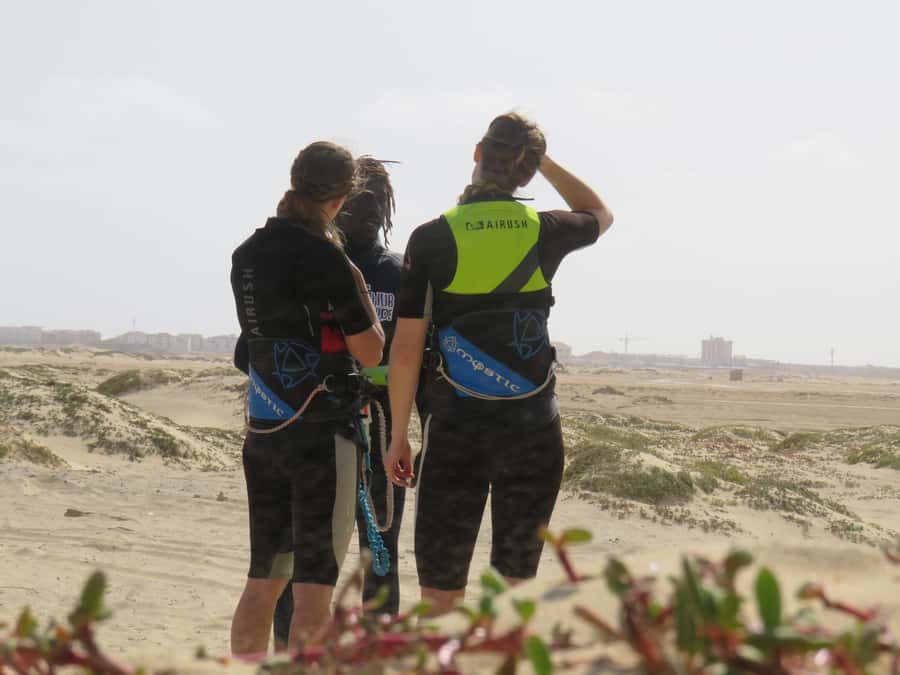
Sal is one of those places where learning outdoors feels natural, not forced. You’re kitesurfing around the beaches of Sal, and the whole point of the experience is to use the strong wind Cape Verde is famous for. That’s important because kitesurfing is mostly about timing: kite power, body position, and steering. When the wind cooperates, your trainer can actually teach the right technique instead of constantly waiting for the ocean to calm down.
Another reason Sal makes sense for beginners is that the teaching process is built around stages. The lesson options start with a land and water session and then move into more water-based riding skills. That staged approach is exactly what you want in a sport where one bad habit can mess up everything that follows.
And yes, you will still feel how physical it is. Kitesurfing can look clean and effortless from shore. In reality, you’re dealing with kite power, water resistance, and your own balance, all at the same time. The good part: you’re not thrown in without support. You learn the setup and safety systems, then you practice the movements that let you control where you go.
A few more Santa Maria Cape Verde tours and experiences worth a look


What you actually get for $141: pickup, equipment, and IKO coaching
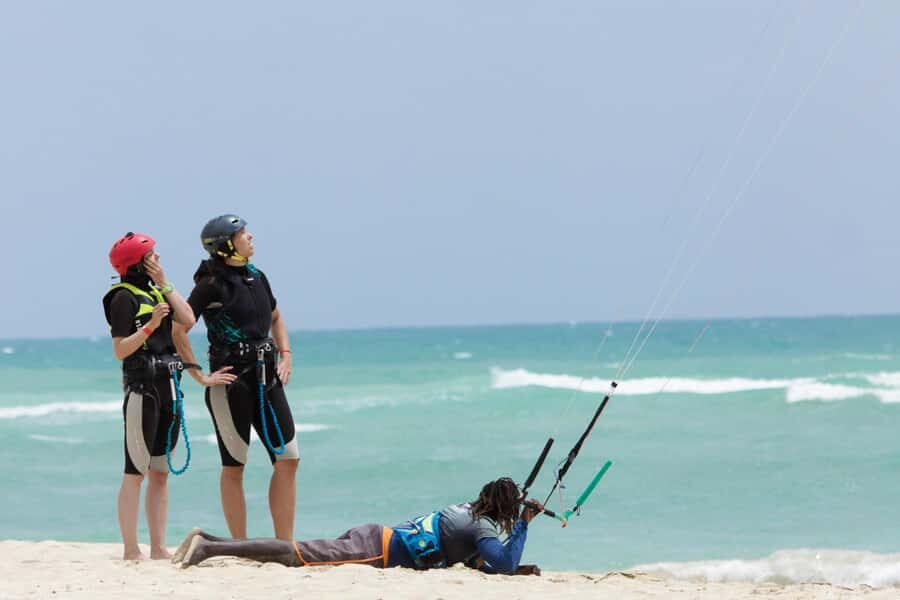
At $141 per person, the value here isn’t just the instructor time. The package includes hotel pickup and drop-off plus kite surfing equipment for the duration of the lesson. For a first-timer, that matters a lot because gear and logistics are two things you don’t want to juggle while you’re learning.
You also get an English-speaking instructor option, plus Portuguese, French, Italian, and Spanish. That’s a real quality-of-life detail. In kitesurfing, small misunderstandings about safety steps can create big frustration, so being able to learn in your language makes the whole process smoother.
One more practical thing: this is set up as a private group. That usually means more time for you to ask questions and get corrections. When you’re struggling with body dragging or kite relaunching, those quick, targeted fixes are the difference between feeling stuck and making progress.
The lesson is listed as 2 hours, but the skill path is offered in levels. So before you go, double-check which option you booked (the 1st lesson only, or the multi-lesson package). It’s the best way to match your expectations with your time in the water.
Intro Kite (1st lesson): the training-kite basics, safety systems, then body dragging
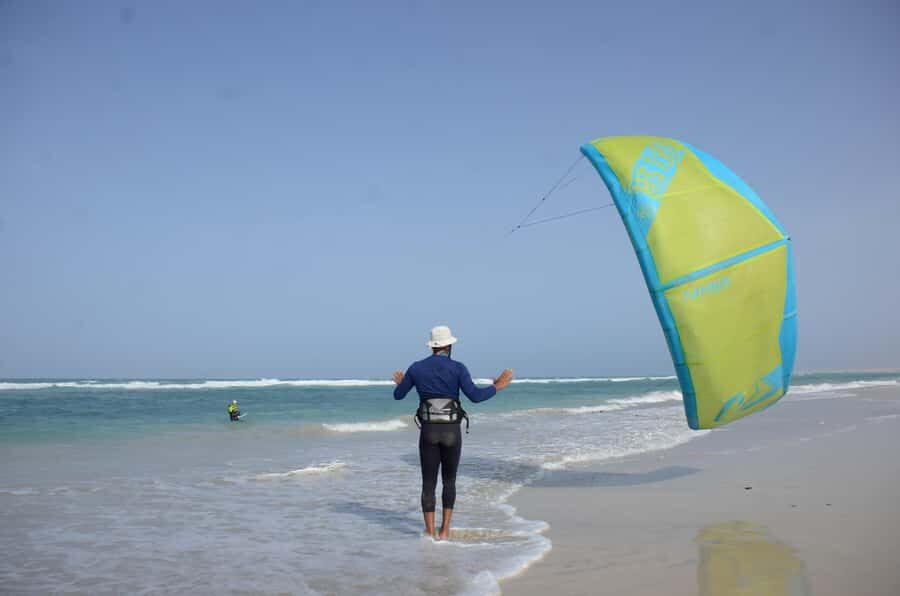
Think of the Intro Kite stage as your foundation. It’s designed to teach you how to control the kite safely and then translate that control into water technique. You start with land and water-based instruction before you fully enter the water work.
First, you learn basic flying skills with the training kite. This is where your brain gets used to the kite’s response—how it pulls, how it changes, and how you move so the kite doesn’t become a problem instead of a tool.
Next, once you’ve mastered those basics, your instructor moves you into the big-kite setup and safety systems. This part matters because the kite is powerful even when you’re not riding. Getting the safety steps right is what helps you stay calm when things don’t go perfectly.
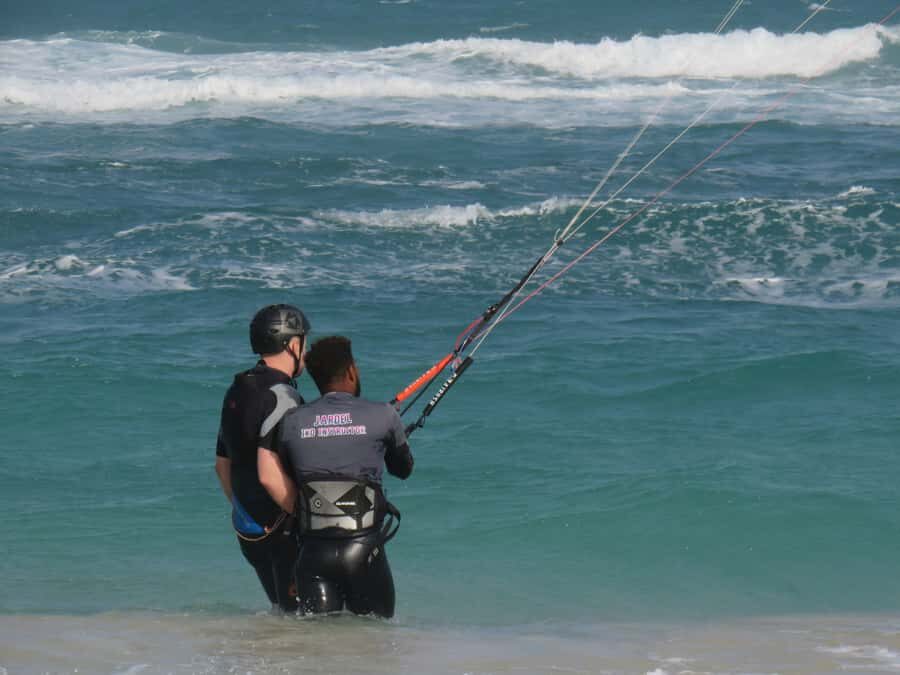
Then you practice on land with the instructor before entering the water. In the water, they enter with you and teach you body dragging (without the board). This is one of those skills that feels weird at first. You’re basically learning how to let the kite move you without the added complexity of standing and balancing on a board.
You’ll also learn how to:
- get away from the beach
- get back to the beach
- launch the kite from the water
If you’re a complete beginner, this stage is a win even if you don’t ride much yet. You’re building the core control skills that make the next steps possible.
Kite Course levels 2–4: upwind, downwind, relaunches, and finally riding
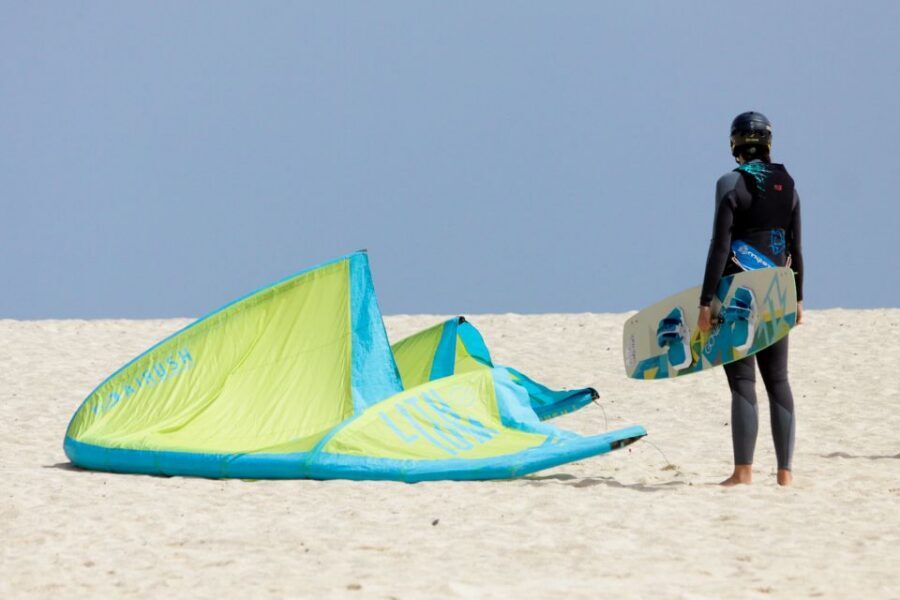
If Intro Kite is about control, the Kite Course is about progressing into actual riding mechanics. The package builds across a sequence of water-based sessions.
2nd Lesson: upwind/downwind and relaunch practice
In the 2nd lesson, you focus on going towards the wind (upwind) and away from the wind (downwind). That sounds simple, but it’s the heart of steering in kitesurfing. Your instructor also has you practice relaunches from water and direction changes when body-dragging.
This is the stage where some people suddenly realize kitesurfing is a skill system, not a single move. You’re learning to reset and keep going instead of losing power and starting over every time.





3rd Lesson: adding the board and learning the water start
The 3rd lesson adds a big new challenge: the board. You begin by body dragging with the board in one hand and the kite in the other. Once that feels manageable, you work on putting the board on your feet and completing a water start, where you get up on the board to begin riding.
This stage is often the one with the biggest emotional swings. It can feel awkward and heavy. But when it clicks, it’s exciting because now you’re not just being pulled—you’re steering your ride.
4th Lesson: water starts plus riding in different directions
In the 4th lesson, you practice your water starts and start riding a little bit in each direction. By the end, the goal is that you can kitesurf independently, then you’ll be ready to rent equipment and practice on your own.
This is also where you should set expectations realistically. One past experience highlighted that reaching consistent water riding can take more time than a single first lesson. That tracks with how staged learning works here: even a friendly, capable instructor can only compress so much skill into one short session.
The real learning curve: how waves and expectations can shape your first day
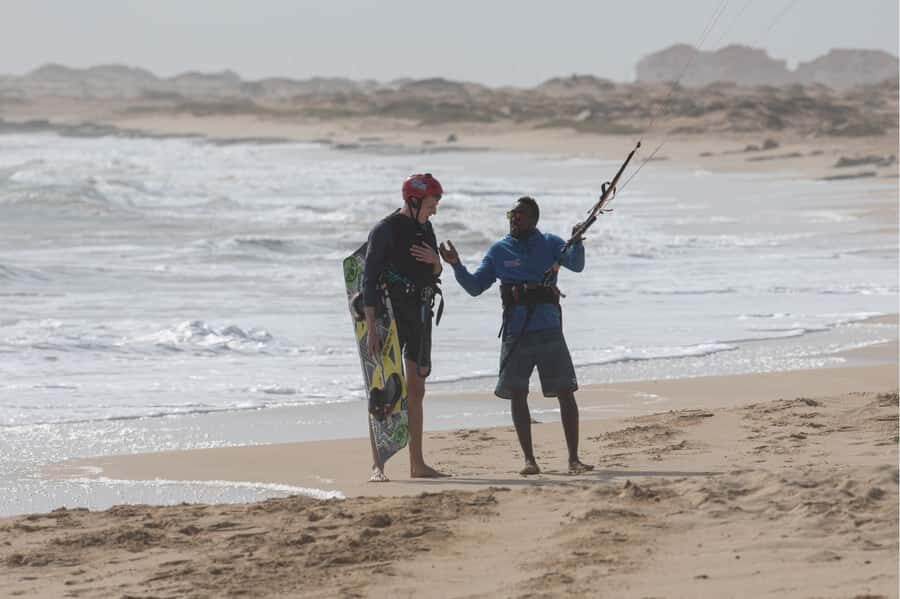
Kitesurfing is harder than it looks, and that’s not a motivational poster line. When you’re new, you’re learning several things at once:
- controlling kite power
- coordinating body movement with kite position
- staying calm when you get dragged
- handling relaunch and direction changes
That’s why the most helpful coaching is the kind that stays patient and detailed. In one positive experience, the instructor and team were described as friendly and helpful, and the lesson was called comprehensive in the sense of covering the important parts thoroughly. The same feedback also pointed out that it’s harder than it looks, which is exactly the mindset you want going in.
At the same time, one caution came up about lesson expectations. The online description can make some people expect to be on the water riding immediately after a first session. If you want that outcome, plan to book the right level and understand the staged progression. The course is built so you move from body dragging toward riding across multiple lesson steps.
Waves are another factor. One experience noted that conditions can mean there are too many waves for a totally beginner. That doesn’t mean the lesson is bad. It means your comfort level matters, and your instructor may focus more on control and safe technique than on pushing you into early riding when the water feels rough.
Where you meet in Santa Maria and how the timing works
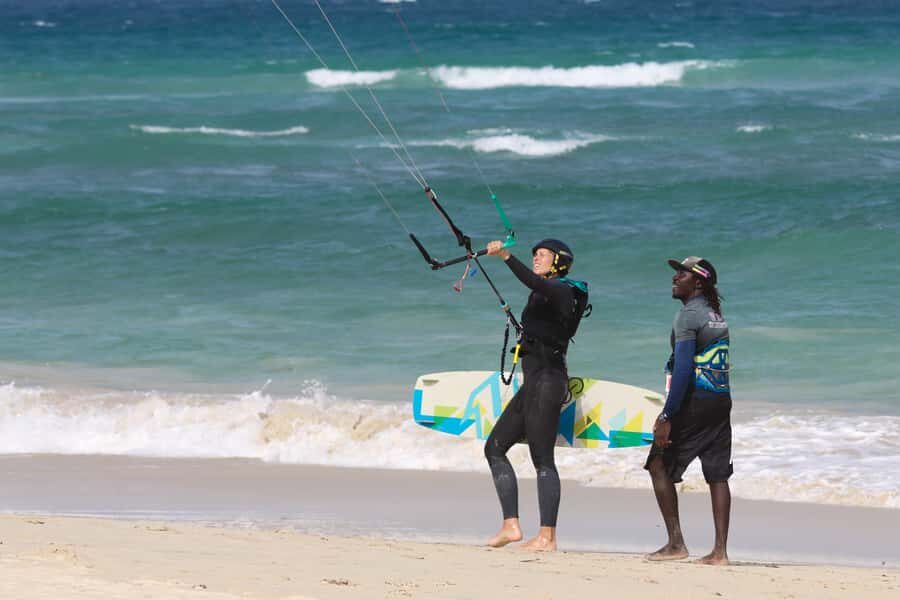
The lesson meets in Santa Maria, on the road by the ocean. You’ll find them across the road from fabrica de grelhados, just by the Main Square and Ocean Cafe.
After you book, you’ll contact the team by WhatsApp to finalize the start time, since it varies day to day. That’s worth taking seriously. Wind and sea conditions influence how instructors plan the safest, most productive water time.
Also, because the lesson runs on a short time window, try not to show up late. In water sports, delays can compress safety checks and training blocks, and that’s the opposite of what you want as a beginner.
Cost vs value: when a 2-hour lesson is a starting point
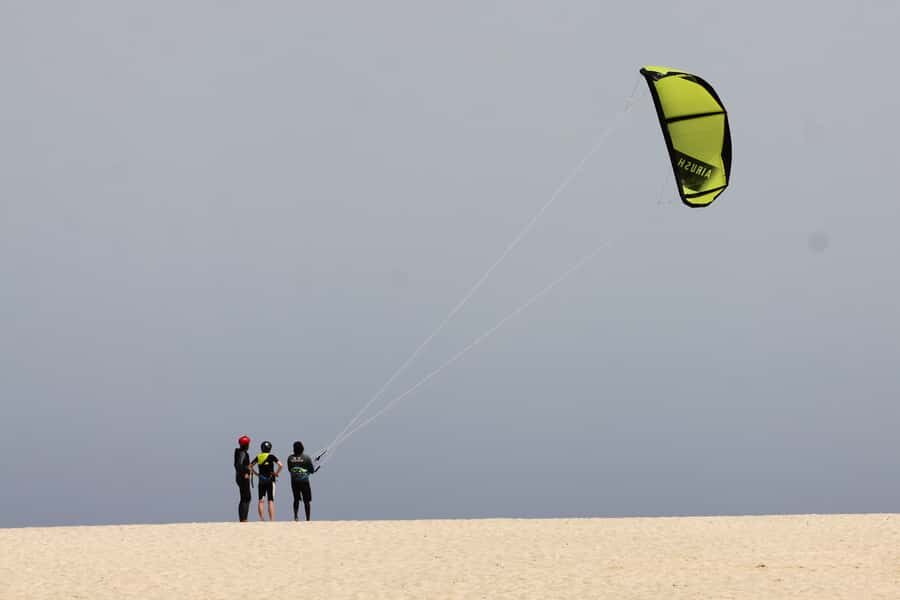
Let’s talk value, not just price. $141 for a 2-hour lesson includes pickup, drop-off, and equipment. That’s a solid deal if you consider how much time you’d otherwise spend arranging rentals and figuring out basic kite control safely.
But the value depends on your goal.
- If your goal is to learn safety systems, kite control, and water technique foundations, this lesson is a great first step. You’ll come away with skills you can build on, not just a single thrill.
- If your goal is to reliably ride by the end of day one, you may need more than the first stage. The structure here suggests that riding comes after you’ve mastered body dragging, relaunching, and water starts.
The nice part is that the curriculum is clear. You can choose Intro Kite for the foundation or book the multi-lesson Kite Course stages to move toward independence.
Who this kitesurfing lesson suits best (and who should skip it)
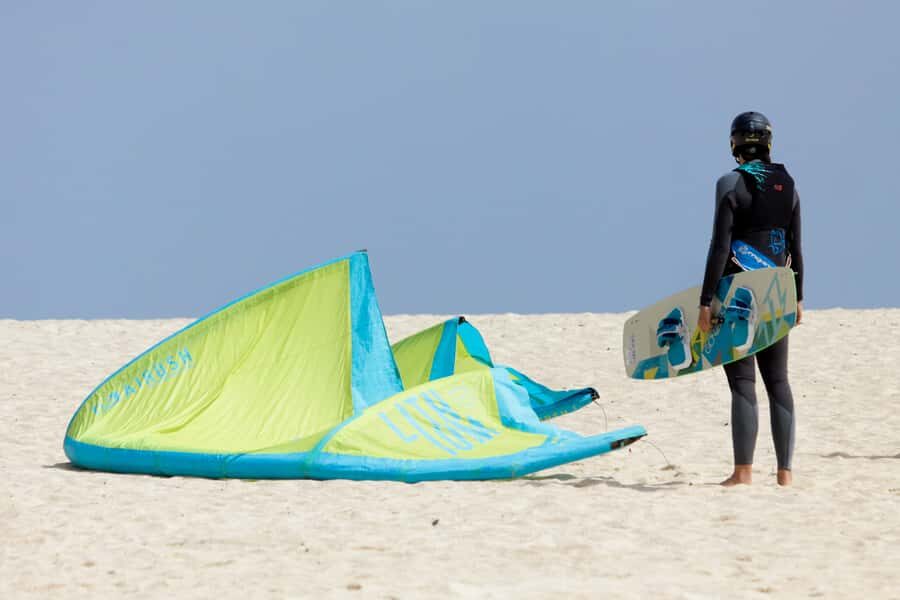
This activity is meant for beginners and people who have tried kitesurfing before. If you’re brand new, Intro Kite is a sensible entry point because it teaches fundamentals on land and then transitions you into water safely.
It’s also a good fit if you like structured, coached practice. The lesson is built around steps: training kite skills, then big-kite safety setup, then body dragging, then upwind/downwind and relaunches, and finally board skills and riding.
However, it’s not suitable for everyone. It’s not for people with mobility impairments, and it’s not suitable for non-swimmers. The lesson notes that participants must be able to swim, and you’ll be in the water with instructors for the key skills.
If you’re unsure about your swimming ability, don’t guess. Ask before you book. This isn’t the kind of sport where you want to discover the limits on the day.
Should you book this Sal kitesurfing lesson?
Book it if you want a structured path, not random practice. The combination of an IKO qualified instructor, safety systems focus, and a staged progression from body dragging to riding makes this a smart choice for learning kitesurfing in a wind-driven destination.
I’d also book it if you value convenience. Hotel pickup and drop-off plus equipment included means you can spend your brain on learning instead of logistics.
Skip or reconsider if you’re hoping for immediate, independent riding after only the first stage. The training here is about control first, and riding comes later. Also think twice if you know rougher water conditions would stress you out as a total beginner. In that case, the best move is to choose the right lesson level and let the instructor pace your progress.
If you want, tell me your kitesurfing experience level (complete beginner, tried before, or can ride), and whether you’re staying near Santa Maria. I can help you pick the right lesson option so you get the most fun per hour.
FAQ
Where does the kitesurfing lesson meet in Sal?
It meets in Santa Maria on the road by the ocean, across from fabrica de grelhados, near the Main Square and Ocean Cafe.
How long is the kitesurfing lesson?
The duration is listed as 2 hours, with availability and starting times varying.
What skill levels is this lesson suitable for?
It’s suitable for complete beginners and also for people who have previously tried kitesurfing.
Do I need to be able to swim?
Yes. The lesson is not suitable for non-swimmers, and participants must be able to swim.
What are the Intro Kite and Kite Course options?
Intro Kite is the 1st lesson with land and water practice using a training kite, big-kite setup and safety systems, and then body dragging without the board. Kite Course includes the 1st lesson plus water-based 2nd, 3rd, and 4th lessons focused on upwind/downwind, relaunches, adding the board, water starts, and progressing toward independent riding.
Who teaches the lesson, and what languages are offered?
The instructor is IKO qualified, and lessons are available in English, Portuguese, French, Italian, and Spanish.
What’s included in the price?
Pickup and drop-off, plus kite surfing equipment for the duration of the lesson.
Is food and drinks included?
No. Food and drinks are not included.
What cancellation and payment options are available?
You can cancel up to 24 hours in advance for a full refund, and you can reserve and pay later to keep plans flexible.