REVIEW · SANTA MARIA CAPE VERDE
Sal Island: Santa Maria Snorkelling
Book on GetYourGuide →Operated by ILHA DO SAL TOURS, SOCIEDADE UNIPESSOAL LIMITADA · Bookable on GetYourGuide
The wreck gives the whole trip a reason to go. I like how this 2-hour Santa Maria snorkelling outing pairs easy, guided water time with big payoff underwater—especially around the Bolama Wreck and the reefs close to shore with great conditions. You also get a clear chance at seeing rays, turtles, and coral formations without needing scuba-level skills.
One thing to keep in mind: the tour can cost more than some local options, and if conditions are windy you might end up snorkelling in a slightly different way than planned.
In This Review
- What you’ll actually do, step by step
- Key things you’ll notice on this snorkel in Sal
- Santa Maria Bay conditions: why two hours feels like more
- Meeting Nando at Santa Maria Peer and getting kitted up
- On-water experience: boat drop near the reef
- Dunas Bikini: a great first reef stop for easy snorkel time
- Farol reef area: where turtles and rays are on the radar
- Bolama Wreck: the shallow shipwreck stop that pulls everything together
- What you can realistically see: a practical checklist
- Price and value: does $70 for 2 hours make sense?
- Safety rules that keep the experience enjoyable
- Who this snorkel tour is best for (and who should skip it)
- Should you book Santa Maria Snorkelling to Bolama and the reefs?
- FAQ
- How long is the Santa Maria snorkelling tour on Sal?
- Where do I meet the guide?
- What languages are available for the instruction?
- What snorkeling gear is included?
- What should I bring?
- Is the price per person $70?
- Is free cancellation available?
- Who is this tour not suitable for?
- Am I allowed to touch marine life?
What you’ll actually do, step by step
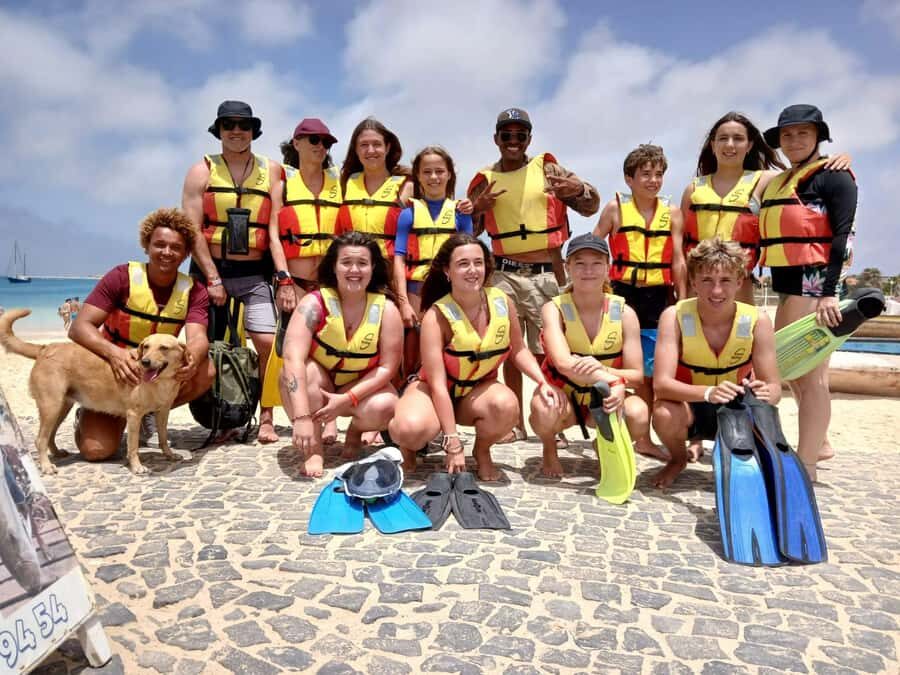
I’d plan to arrive early and relaxed, not rushed. Meet your guide at Santa Maria Peer, next to the Lobster restaurant, 15 to 10 minutes before the start, where Nando runs a safety briefing and shows you snorkel technique and how to use the gear. Then you board a boat, get dropped near the reef, and spend the rest of the tour exploring spots like Dunas Bikini and Farol, ending with the shallow Bolama wreck area.
You don’t have to be a pro swimmer, but you do have to be comfortable in the water. The tour isn’t suitable for children under 8, people with mobility impairments, or non-swimmers, and you’ll also want to skip alcohol or drugs before getting in the water.
Key things you’ll notice on this snorkel in Sal
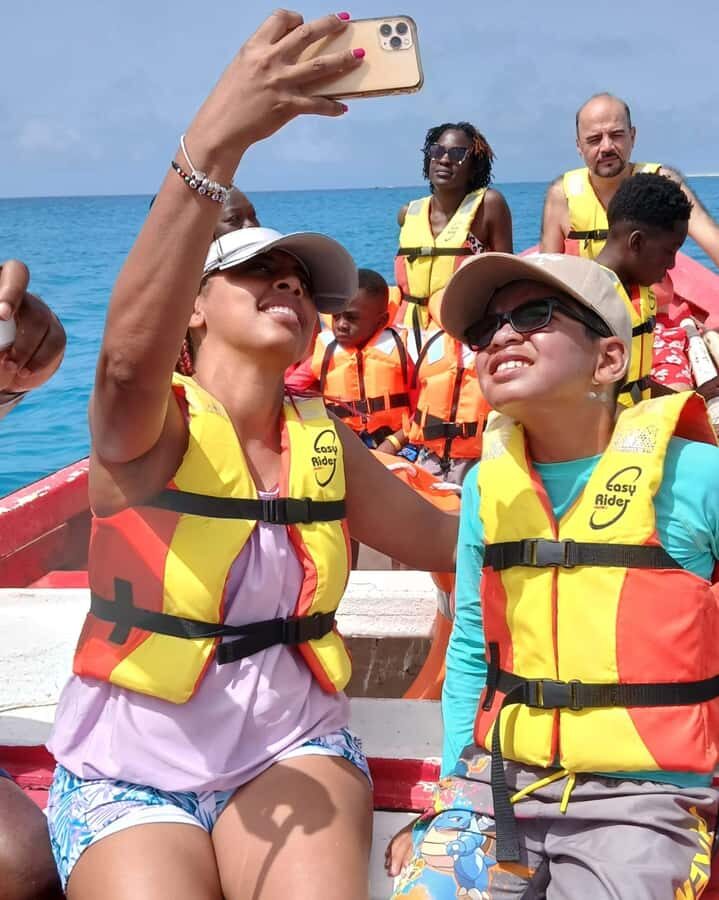
- Bolama Wreck is shallow and packed with schooling fish, making it the star stop
- Clear visibility in the Bay of Santa Maria helps you enjoy the whole route without squinting
- All-skill-level snorkelling means beginners aren’t left behind
- Wetsuits, snorkel vests, and gear are included, so you can travel lighter
- Local guide Nando gives you technique and safety basics before you head out
- Rules matter: you’re not allowed to touch marine life, and you’ll be briefed on safer behavior
You can also read our reviews of more snorkeling tours in Santa Maria Cape Verde
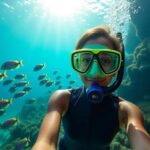
Santa Maria Bay conditions: why two hours feels like more
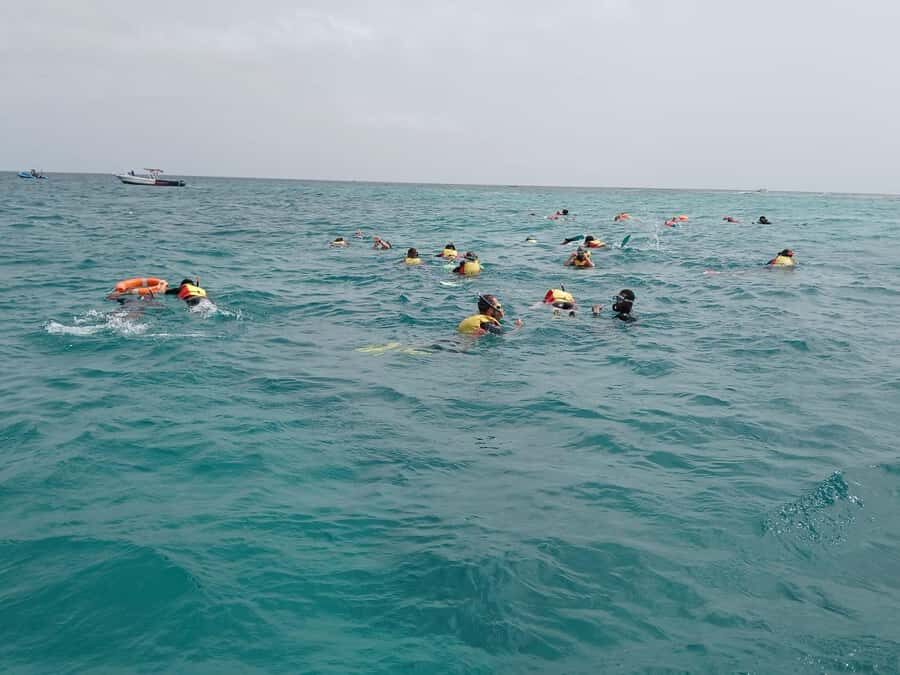
Sal’s Santa Maria area is known for clear water, and it matters more than you might think. When visibility is good, you waste less time searching and spend more time actually spotting fish, rays, and turtles. With a 2-hour format, that kind of water clarity turns the trip from a checklist into something you can enjoy.
Also, because you’re snorkelling near reefs and a shallow wreck zone, you can get great sightings even without long swims. It’s the kind of tour where the scenery is doing a lot of work for you—without requiring you to go far from the boat drop.
Meeting Nando at Santa Maria Peer and getting kitted up
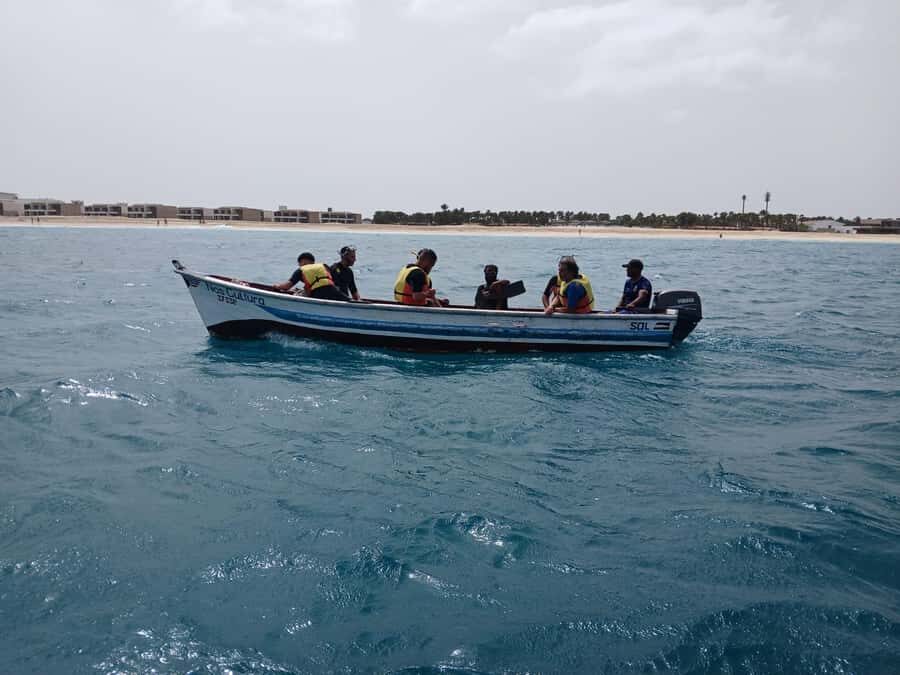
Timing here is simple but important. You meet at the Santa Maria Peer next to the Lobster restaurant, and you should show up 15 to 10 minutes early. Nando will go over what to expect, then you’ll get a safety briefing covering key snorkel skills and how to use your equipment.
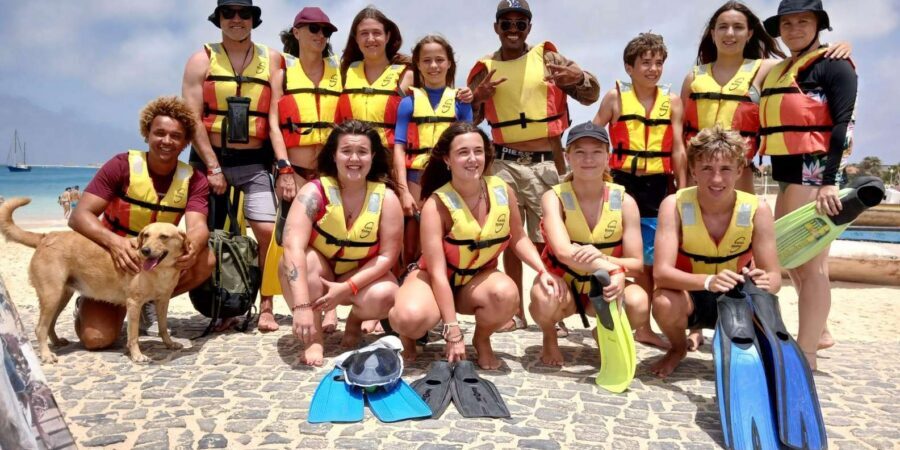
The equipment setup is part of the value. You’ll receive snorkelling gear plus a wetsuit and a snorkelling vest, so you’re not stuck renting random items or trying to figure out gear on the fly. You do need to bring swimwear and a towel, because those aren’t included.
Language options are solid too. The instruction is available in English, Portuguese, Italian, and Spanish, which helps if you want to understand the safety points clearly and fast.
On-water experience: boat drop near the reef
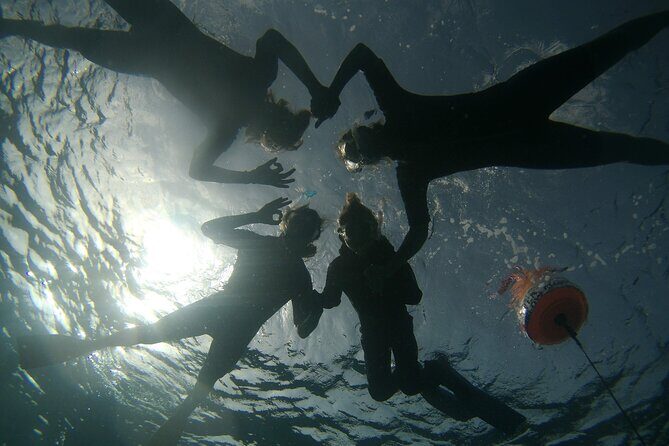
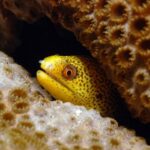
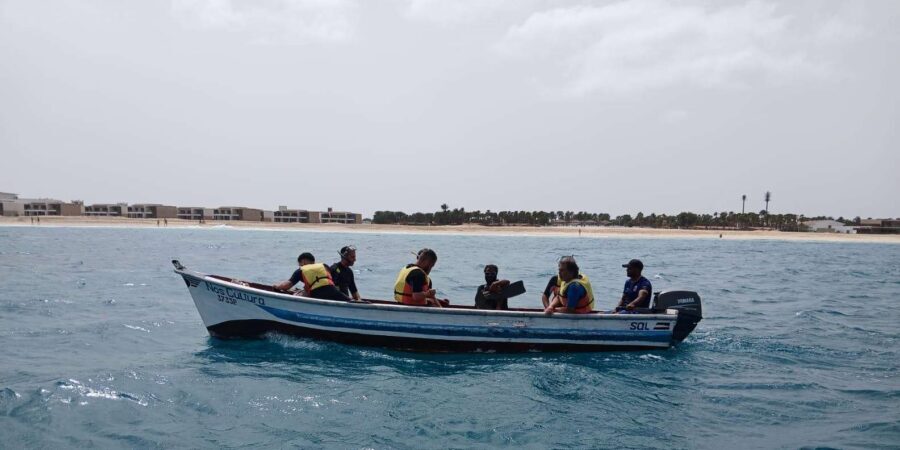
After the briefing, you board the boat and are dropped off in the water near the reef. This matters because it reduces the amount of effort you need to get to the good spots. Once you’re in, you follow the guide through different reef areas, keeping your eyes open for rays, turtles, moray eels, and tropical fish.
Here’s a practical reality check: wind can change the plan. If conditions are strong, you may not go out by boat as expected and could be directed to snorkel closer in. If you’re the kind of person who wants lots of ongoing narration underwater, keep a flexible mindset—conditions can affect how much the guide can cover while you’re in the water.
Dunas Bikini: a great first reef stop for easy snorkel time
Dunas Bikini is one of the named reef areas, and it’s the kind of stop that works well for mixed abilities. Since this activity is designed to suit all snorkelling skill levels, you’re not expected to sprint, zigzag, or keep up like it’s a race. You’re there to look, breathe, and build comfort while the guide helps you stay safe.
What to expect here is reef life rather than just open-water wandering. Plan for tropical fish, coral formations, and the general sense of a reef ecosystem doing its thing around you. Even if you’re nervous at first, the structure of the tour helps you settle in quickly.
A small but important rule: you’re not allowed to touch marine life. That’s not just for wildlife protection—it also keeps you from accidentally damaging coral or kicking up sediment that ruins visibility.
Farol reef area: where turtles and rays are on the radar
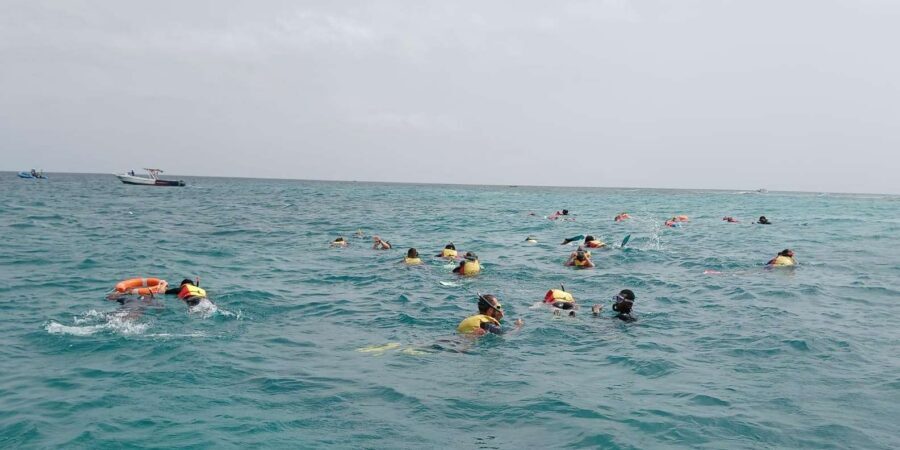
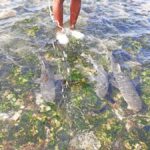
Farol is another stop where the goal is wildlife spotting as you snorkel along the reef. The tour description specifically points you toward watching for rays and turtles, and that’s realistic if you keep your eyes open and swim steadily rather than thrashing around.
This kind of reef snorkel is also about patience. You might spot something instantly, or you might only see the big stuff after a few quiet minutes. I like this route because it doesn’t feel like a single photo moment; it’s a guided scan of different areas where animals can show up when you’re in the right zone.
Bolama Wreck: the shallow shipwreck stop that pulls everything together
If you want one highlight to anchor the whole trip, make it Bolama. The wreck is shallow, so it’s reachable with snorkelling without needing specialized gear. It’s described as a shallow shipwreck home to schools of fish, which is exactly what makes it so memorable.
What you’ll want to watch for around the wreck includes soldier fish, snappers, parrot fish, and trumpet fish. In real-world snorkel terms, this means you’re more likely to enjoy consistent sightings than just hoping something floats past you. Schools of fish also attract bigger attention—so you’re giving yourself the best odds at seeing larger marine life like rays or turtles in the same general area.
Why the wreck works so well for value is simple: it’s a fixed destination. You’re not just drifting and hoping. You have a clear underwater landmark, and that makes the route feel purposeful even within just two hours.
What you can realistically see: a practical checklist
You’re not guaranteed every animal on every trip, but you can plan for these based on the tour’s focus. Keep your attention forward and down, and don’t stare so hard that you forget to breathe.
- Rays: often spotted when you’re near reef edges or where fish congregate
- Turtles: best seen when you move calmly and scan slowly
- Moray eels: you may spot them around reef structure
- Coral formations and reef life: the environment that supports the bigger animals
- Tropical fish: generally easier to spot, especially around the wreck and reef zones
If you’re going with family or friends who are new to snorkelling, this is also an encouraging setup. You can still have a great time even if you don’t find a turtle immediately, because there’s plenty to watch up close around coral and fish schools.
Price and value: does $70 for 2 hours make sense?
At $70 per person for a 2-hour snorkel, you’re paying for more than just water access. You’re paying for a guide, snorkelling vest support, and the full kit including wetsuit and equipment. That can matter on Sal because gear quality and fit affect comfort and safety.
That said, value is personal. Some people feel the price sits higher than competing options, especially if they snorkel the same general spots with the same kind of equipment. If price is tight for you, do a quick comparison on what’s actually included, not just the headline route.
Also consider the wind factor. If strong winds change how the tour runs, the experience can feel different than expected. You still get to snorkel, but the flow of instruction and the route logistics may shift, which can make the experience feel less premium even if it’s still fun underwater.
Safety rules that keep the experience enjoyable
This tour gives you a safety briefing before you get in. You learn essential snorkelling techniques and instructions on using the equipment, which is exactly what you want—especially if it’s your first time with a wetsuit or snorkel setup in open water.
Then there are the clear behavioral rules:
- No alcohol or drugs before the water activity
- No touching marine life
Those two lines protect you and the reef. Touching animals and coral can harm wildlife, and it can also hurt your visibility by kicking up sediment or breaking fragile reef structure.
And since the tour isn’t suitable for non-swimmers, you should be honest with yourself about comfort in the water before booking.
Who this snorkel tour is best for (and who should skip it)
I’d book this if you want a structured snorkel with a real reef focus and you like the idea of finishing at Bolama Wreck. It’s also a good match if your group has mixed experience levels, since the activity is designed to work for all snorkelling skill levels.
You should skip it if any of these apply:
- You need an accessibility-friendly alternative for mobility reasons
- You’re a non-swimmer
- You’re bringing a child under 8
If you’re a confident swimmer who enjoys seeing wildlife like rays and turtles, you’ll probably feel like the time and effort line up well with the sightings.
Should you book Santa Maria Snorkelling to Bolama and the reefs?
Yes, I think it’s a solid choice if you care about reefs and want guided snorkeling with wetsuit and gear included. The Bolama Wreck stop is the main reason to go, because it gives you a defined underwater landmark and consistent fish activity around a shallow wreck.
I’d hesitate only if you’re very price-sensitive or you’re expecting the same exact experience in all weather. On windy days, the plan can shift, and that can reduce how much guidance and interpretation you get while you’re in the water. If you go in with flexibility and bring swimwear and a towel, you’ll likely come away happy with the underwater variety in just two hours.
FAQ
How long is the Santa Maria snorkelling tour on Sal?
It lasts 2 hours.
Where do I meet the guide?
You meet at Santa Maria Peer, next to the Lobster restaurant.
What languages are available for the instruction?
The guide provides instruction in English, Portuguese, Italian, and Spanish.
What snorkeling gear is included?
You get use of snorkelling equipment and a wetsuit, plus a snorkelling vest.
What should I bring?
Bring swimwear and a towel.
Is the price per person $70?
Yes, the tour price is listed as $70 per person.
Is free cancellation available?
Yes, you can cancel up to 24 hours in advance for a full refund.
Who is this tour not suitable for?
It’s not suitable for children under 8, people with mobility impairments, or non-swimmers.
Am I allowed to touch marine life?
No, touching marine life is not allowed.