REVIEW · SANTA MARIA CAPE VERDE
Santa Maria: Sal Island Sea Turtle Watching Experience
Book on GetYourGuide →Operated by sodadetour · Bookable on GetYourGuide
Sea turtles lay eggs where you walk. On Sal in Cape Verde, this late-night sea turtle watching outing puts you close to the most important nesting moments—without turning it into a circus. You’ll ride out in comfort, meet expert guides, and spend hours on a beach where night nesting is the whole show.
What I like most is the way the guides explain what you’re seeing, from first approach to eggs being covered and the mother heading back to sea. I also love the respect-focused setup: small groups (max 10) and rules that keep you quiet, low-impact, and out of the turtles’ way.
One thing to plan for: you may wait. Even when you’re on the right beach, spotting activity can take time—one group reported over an hour before turtle action started—and that patience check can feel long on a dark shoreline.
In This Review
- Key highlights you should care about
- Why Sal’s turtle nesting tours feel different
- Pickup at night: the 8 PM start and what the timing really means
- The Santa Maria orientation: a 45-minute biology briefing on what you’ll see
- Kite Beach night watching: the quiet walk that makes or breaks the experience
- Egg-laying and hatchling moments: what you can realistically hope to see
- The egg-laying process (the big moment)
- Hatching and babies going to the sea
- How much does your group size matter?
- What you learn from the biologists and expert guides
- Getting the best experience for the $37 price
- What to bring (and what to avoid) for a smooth turtle night
- Who should book this turtle watching outing?
- Should you book this Santa Maria sea turtle tour?
- FAQ
- Where does this tour take place?
- How long is the experience?
- How much does it cost?
- What’s included in the price?
- Is food or drinks included?
- What languages are offered by the live guide?
- What should I bring for the night?
- Are flash photos allowed?
- Is it wheelchair accessible?
Key highlights you should care about
- Small group, big focus: capped at 10 participants, so you get real guidance instead of just standing around.
- Guides who can talk biology: you’ll have a chance to ask questions and learn the full nesting process step-by-step.
- Quiet, eco-minded beach walking: you’ll move slowly at night and follow strict behavior rules around turtles.
- Red-light approach (when hatching/laying is underway): helps reduce disturbance from harsh white flash.
- Multilingual explanations: English, Portuguese, French, and Italian are supported, and guides work to split groups by language so you can actually follow along.
- Chance to see multiple stages: depending on timing, you might witness egg-laying and/or babies heading to the sea.
Why Sal’s turtle nesting tours feel different
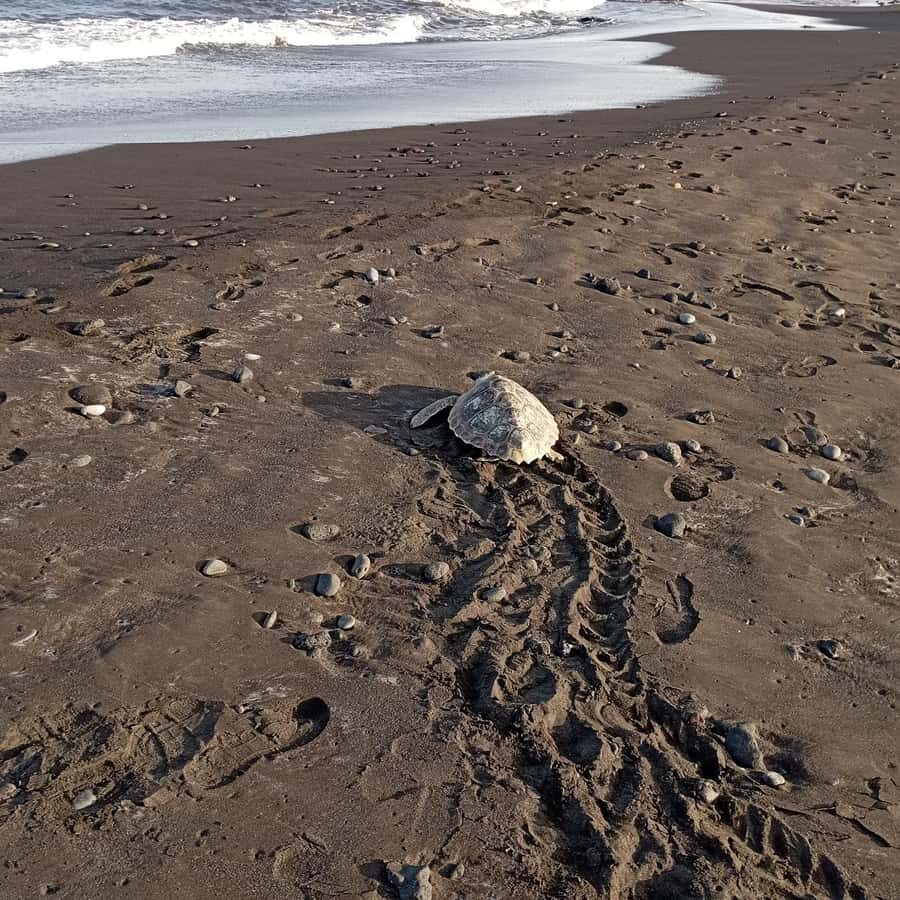
On Sal, the turtles come to shore to nest—and that changes the whole vibe of a beach visit. Daytime beach time is about sun and swims. This is different. At night, you’re watching instinct, timing, and survival play out in the sand.
Cape Verde is home to three turtle species, and the common one you’re most likely to encounter is the yellow turtle, also called the common turtle. Nesting beaches like the sandy stretches here are among the most important places for them to lay eggs. So when you join this tour, you’re not just seeing animals. You’re witnessing a biological cycle that happens because the island offers the right conditions.
Another reason it feels special: the guides don’t treat it like a photo op. They push conservation and animal welfare hard. One review specifically praised how much the team cared about turtle conservation and how they managed spacing to reduce disturbance—exactly what you want from a night wildlife experience.
You can also read our reviews of more tours and experiences in Santa Maria Cape Verde.


Pickup at night: the 8 PM start and what the timing really means
This is an evening outing, not an afternoon stroll. Pickup starts from your accommodation around 8 PM, and the activity typically runs late—starting at 7 PM and usually ending around 11 PM. The advertised duration is about 3 hours, so think of it as a late-evening window where the exact timeline depends on when turtles show up.
Here’s how that usually plays in real life: you drive to a quieter beach location that takes less than an hour to reach. Once you arrive, you’ll gear up mentally for night watching: darkness, cool evening air, and the reality that turtles don’t rush.
That time factor is part of the experience. You’re seeing nature at work, not a scheduled performance. Just know that you may not start seeing action immediately. One review described waiting for over an hour while guides searched for turtle activity, then suddenly seeing hatching and later egg-laying at another site.
Practical tip: go in expecting a slow start and bring items that help you stay comfortable for a wait—especially shoes you can stand/walk in for a while.
The Santa Maria orientation: a 45-minute biology briefing on what you’ll see
Before the nighttime beach portion fully kicks off, you get a guided talk in Santa Maria (about 45 minutes). This matters more than it sounds.
If you understand the process—how turtles come to shore, how laying happens, how eggs are covered, and how the female returns to the ocean—you’ll watch with better eyes. Instead of only thinking, I hope I see something, you’ll be able to track what stage you’re currently in.
This is also where the guide education style becomes obvious. Expect explanations about turtle evolution, characteristics, and curiosities, plus why their welfare comes first. Since the tour is conservation-focused, the rules you follow on the sand usually match what you learn in the briefing.
One thing I’d watch for when you’re there: the guide will likely tailor explanations by language. Reviews mention guides working hard to split multilingual groups so English speakers (and others) weren’t left out. If you’re in a mixed-language group, still listen closely—this part is what turns a sighting into understanding.
Kite Beach night watching: the quiet walk that makes or breaks the experience
The core of the tour is the beach segment. After the initial guidance, you spend time at Kite Beach with a 2-hour guided portion. Depending on where turtles are nesting that night, you’ll likely walk along the shoreline in small groups and watch for turtles moving up onto the sand.
This is where eco rules become real. The tour encourages you to sit down and remain as silent as possible if you spot turtles nesting. You’re not just being polite—you’re reducing disturbance during a critical moment.
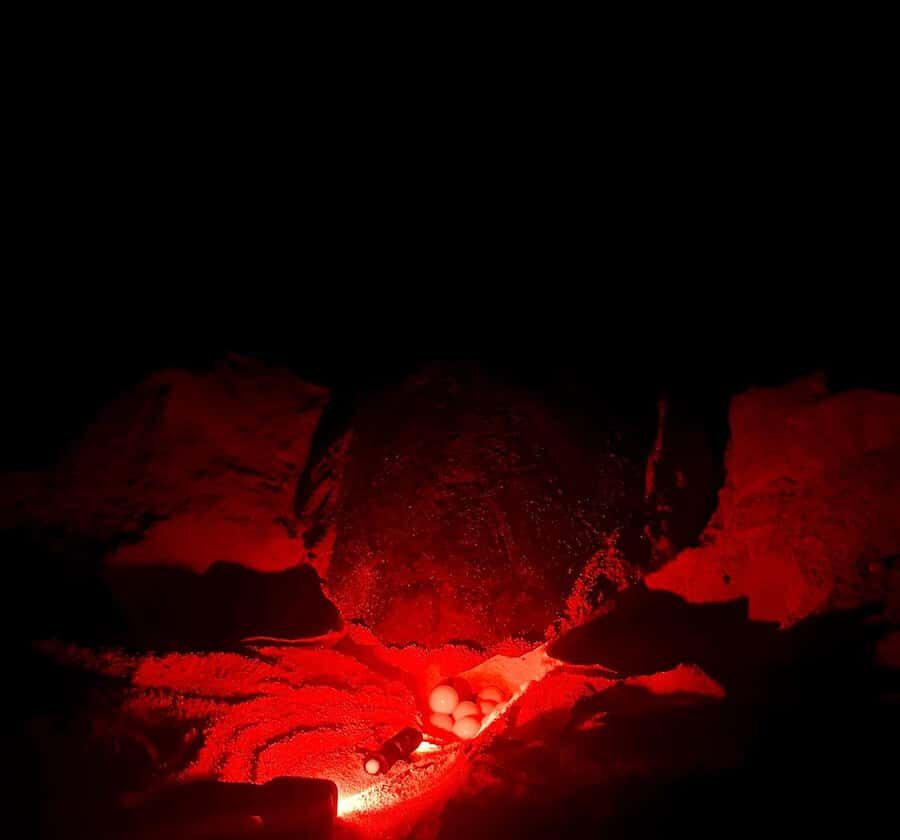
In the same spirit, the tour uses low-disturbance lighting. One account mentioned red lights used so turtles weren’t distracted by white light. That’s a meaningful detail. If you’ve ever tried to sleep with bright lights in your face, you get the idea. The tour tries to keep the animals’ world as normal as possible.
What it feels like: you’ll walk, pause, watch, and then wait again. When you’re lucky, you’ll see hatching or egg-laying. When you’re not, you still learn a lot about turtle nesting and the rules that protect them.
Egg-laying and hatchling moments: what you can realistically hope to see
Here’s the honest part: you can’t guarantee every stage. Sea turtle activity depends on natural timing. But the experience is built around the nesting cycle, and in good conditions, you may witness several steps.
Based on what you’ll be taught and the moments people report, here’s what you should mentally prepare for:

The egg-laying process (the big moment)
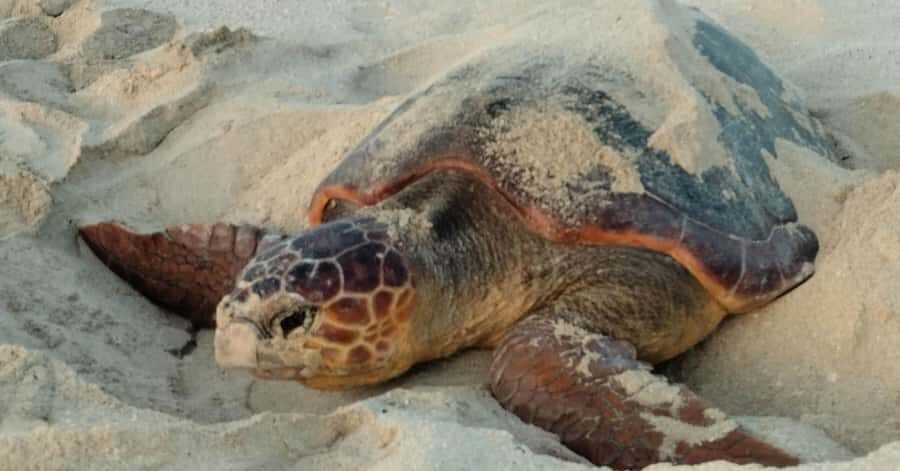
You may get to see a turtle come ashore, lay eggs, and then cover them up carefully before returning to the ocean. Several reviews specifically call out seeing the turtle lay eggs, hide them, and go back to sea—and one even mentioned a guide-led group using red lights to reduce disruption.
This is not a quick show. It’s a slow biological event. If you’re the kind of person who gets annoyed by waiting, this might try your patience. If you can relax, watch, and follow instructions, it becomes unforgettable.
Hatching and babies going to the sea
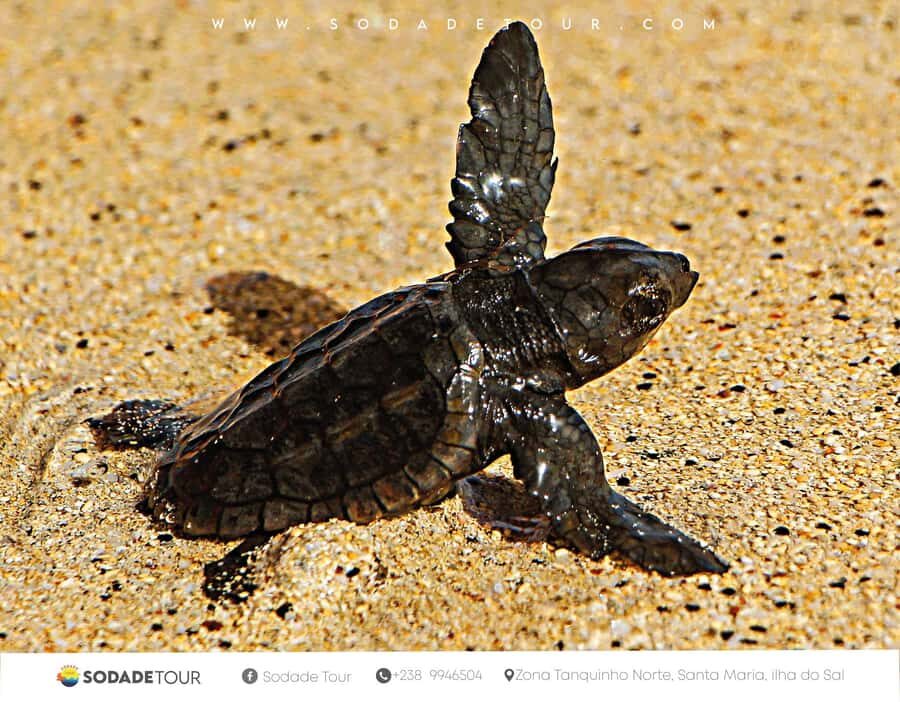
Some nights include hatchlings. Reviews describe baby turtles emerging and scurrying toward the water, sometimes followed by egg-laying at a different moment or site during the same evening.
If you do see hatchlings, the key is to stay still. The tour’s rules about not touching animals and avoiding flash photos are there for a reason. Distance isn’t just for safety; it’s for animal welfare.
How much does your group size matter?
With a maximum of 10 participants, you’ll usually have a better chance of staying respectful and spaced out. Still, a few reviews mention that there can feel like a lot of people on the beach. That doesn’t mean the tour is careless—it means turtle watching is popular and the beach can fill when action happens. The best guides manage spacing, keep you quiet, and make sure everyone can follow instructions.
What you learn from the biologists and expert guides
Even if you’re not a wildlife nerd, the guide explanations will change what you take away from the tour.
You’ll hear about:
- turtle evolution and characteristics
- the nesting process from start to finish
- why animal welfare is a top priority in Cape Verde
- the local importance of sandy beaches for nesting
And there’s a plus: the guides are often actively conservation-minded. Reviews mention guides like Sousa (and his daughter) as respectful and attentive, and another review referenced a guide named Anastassi salsa as very informative and caring. Another mentioned Johnny Cash leading a multilingual group and doing a good job coordinating language support.
Names aside, the pattern is consistent: the guides care about how they behave around turtles and they help you understand what’s happening while you watch.
If you love asking questions, bring them. This is one of those activities where a smart question can turn into a 10-minute education moment on the sand.
Getting the best experience for the $37 price
This tour costs $37 per person, lasts about 3 hours, and includes hotel transfer plus a professional local guide. Food and drinks are not included.
At first glance, it’s a simple rate. What makes it good value is what’s wrapped into that price:
- you’re not left to figure out transport to a remote beach at night
- you get guide-led learning (not just a driver and a hope)
- the small-group structure helps keep it respectful
- it’s focused on high-impact conservation moments—nesting and/or hatchlings
One review even suggested it was the cheapest option at the time and that you shouldn’t overthink choosing something pricier for the same goal. I’d phrase it more carefully: if your main purpose is to witness turtle nesting with a responsible guide, the pricing here feels aligned with that goal.
Just don’t expect food included. Pack water. Even though drinks aren’t listed, you can bring what makes sense for a late-evening walk, within common sense and tour rules.
What to bring (and what to avoid) for a smooth turtle night
This tour is strict in the right ways. The rules help protect turtles and keep the experience fair for everyone.
Bring:
- comfortable shoes for sand and night walking
- a camera (and remember: flash is not allowed)
- biodegradable sunscreen
- biodegradable insect repellent
- comfortable clothes for evening air
- a garbage bag (you’re expected to pack out your trash)
Avoid:
- flash photography
- touching animals
- littering
- smoking in the vehicle or indoors
- alcohol and drugs
Also note a couple of practical limitations: the tour is not suitable for wheelchair users and also not suitable for visually impaired people, based on what’s listed. If mobility or visual assistance is a concern, I’d treat that as a firm guide, not a suggestion.
Who should book this turtle watching outing?
I think this tour is a strong match if you:
- want an eco-focused wildlife experience (not a loud beach event)
- care about animal welfare and will follow quiet instructions
- like learning while watching, especially about nesting behavior
- can handle waiting at night for the right moment
It’s less ideal if you:
- hate uncertainty (turtles won’t always show up right on schedule)
- need full accessibility support (it’s not set up for wheelchairs)
- require visual accommodations (it’s not listed for visually impaired guests)
- dislike standing and walking in the dark for portions of the evening
If you’re traveling with kids, you’ll want to consider whether they can stay quiet and still during the nesting moments. Strollers are also not allowed, which can affect how family-friendly it feels logistically.
Should you book this Santa Maria sea turtle tour?
Yes, I’d book it if your top priority is responsible, guided turtle watching on Sal. The small-group limit, the focus on the full nesting cycle, and the conservation-minded approach make the experience feel purposeful—not just scenic.
Only skip it if you know you won’t tolerate night waiting or you need accessibility accommodations that the tour doesn’t list as supported. Otherwise, go prepared with biodegradable products, quiet behavior, and patience. When the turtle activity lines up, it’s the kind of nature moment you’ll remember long after the beach walk ends.
FAQ
Where does this tour take place?
It’s in Sal, Cape Verde, with pickup from your accommodation in Santa Maria and a night beach experience.
How long is the experience?
The duration is listed as 3 hours. It usually starts at 7 PM and typically ends around 11 PM.
How much does it cost?
The price is $37 per person.
What’s included in the price?
You get a professional local guide, transfer from your hotel, and taxes/fuel/service charges.
Is food or drinks included?
No. Food and drinks are not included.
What languages are offered by the live guide?
The live tour guide is available in Portuguese, English, French, and Italian.
What should I bring for the night?
Bring comfortable shoes, a camera, biodegradable sunscreen, biodegradable insect repellent, comfortable clothes, and a garbage bag.
Are flash photos allowed?
No. Flash photography is not allowed.
Is it wheelchair accessible?
No. It’s listed as not suitable for wheelchair users (and also not suitable for visually impaired people).