REVIEW · SANTA MARIA CAPE VERDE
Sal Island Turtle Watch Tour in Natural Habitat
Book on GetYourGuide →Operated by Logan Tours · Bookable on GetYourGuide
Turtles at dusk feel unreal. On Sal Island, you’ll watch loggerhead turtles come ashore to nest, guided by locals who explain what you’re seeing and how the beach teams protect them. I love the close-to-the-ground nature of it: you’re on the sand during real turtle behavior, not just looking at pictures. I also love the practical education angle—how to act so the turtles can do their thing safely. One thing to keep in mind: sightings are not guaranteed, and you may need patience if activity is slow.
This is a short 2-hour outing with pickup and drop-off, geared as an evening wildlife experience. You’ll have a live guide speaking English, Portuguese, or Spanish, plus group transport from the pickup point. The main consideration for most people is simple—this tour follows wildlife rules, so you can’t rush it or change the plan if turtles aren’t cooperating.
In This Review
- Key things to know before you go
- What you’re really watching: loggerheads nesting on Sal’s beaches
- The 2-hour plan: how the turtle search usually works
- Local guides, real conservation rules, and why you’ll feel part of it
- Packing for the beach walk: dark clothes, shoes, and your phone
- Price and value: is $43 for 2 hours worth it?
- Who this tour fits best (and who should skip it)
- My take: the main reasons to choose it, and the one reason to be cautious
- Should you book Logan Tours Turtle Watch on Sal Island?
- FAQ
- FAQ
- How long is the Sal Island Turtle Watch Tour?
- What’s included in the $43 per person price?
- What languages is the live guide?
- Can I use flash photography or a flashlight?
- Is it guaranteed that you’ll see turtles?
- Is free cancellation available?
Key things to know before you go
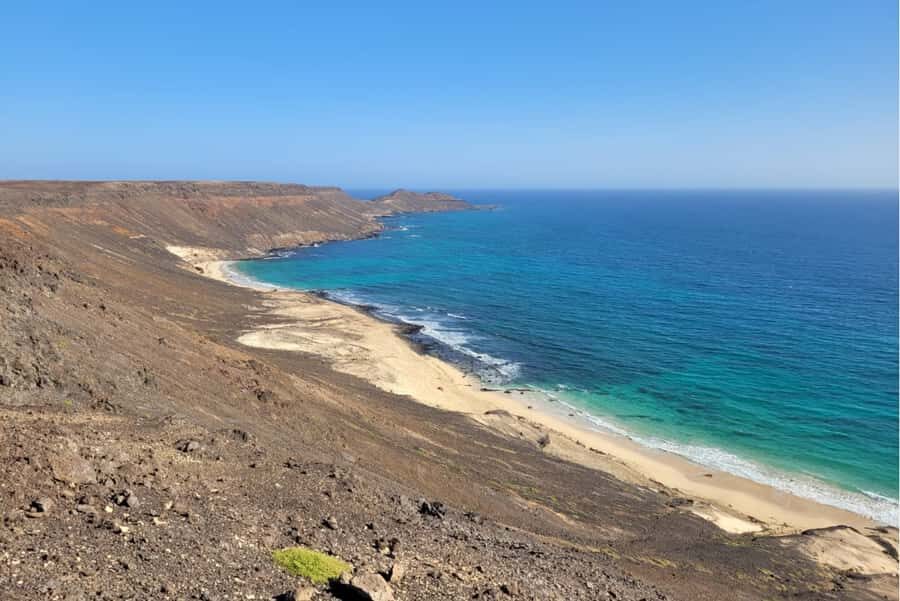
- Nesting in natural habitat: You’re there for the nesting process on the beach, not a zoo-style show.
- Seasonal spectacle: Turtle activity depends on the season, so availability and outcomes vary.
- Guides keep searching: If one beach is quiet, the group may visit multiple beaches to improve the odds.
- No flash, no flashlight: Your phone and your behavior are part of the conservation plan.
- Dark clothing helps: You’ll be asked to dress in a way that minimizes disturbance during the nesting window.
- Short and focused: At about 2 hours, it’s intense for its length—expect an evening-style outing.
What you’re really watching: loggerheads nesting on Sal’s beaches

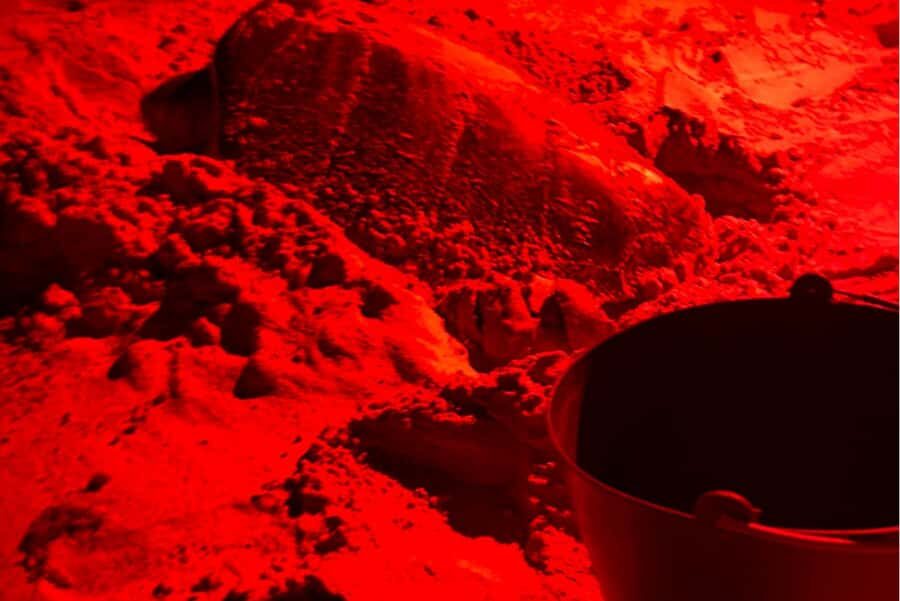
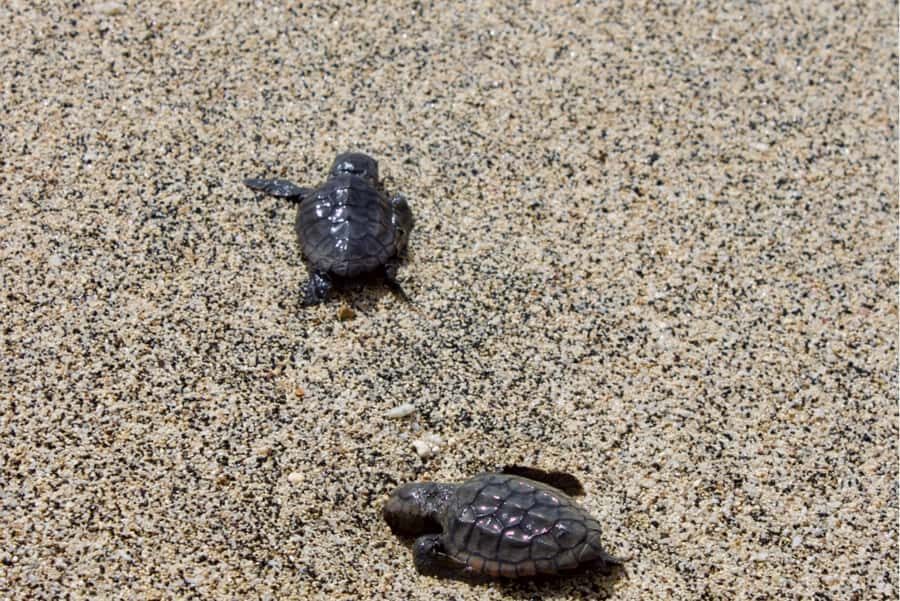
This tour is all about one moment in a turtle’s life. Loggerhead turtles come onto the beach, work their way through nesting behavior, and then head back toward the sea. It’s fascinating because it’s not a performance. It’s instinct, timing, and a tiny set of actions carried out under cover of night.
I like that the experience isn’t sold as just seeing turtles. You’re there to witness a specific behavior: nesting. That changes how you pay attention. You watch the shoreline the way the guide does—quietly, patiently, and with your body language turned down low. When the turtles are active, you’re suddenly aware of how much their success depends on human behavior.
The other reason this works well is that the guides connect the moment to the bigger picture: conservation and the simple ethics of sharing a beach with wildlife. Even if you’re not a “turtle person,” you’ll get the point quickly—these animals are endangered, and the rules you follow on tour are meant to reduce disruption during nesting and return to the sea.
You can also read our reviews of more tours and experiences in Santa Maria Cape Verde.


The 2-hour plan: how the turtle search usually works
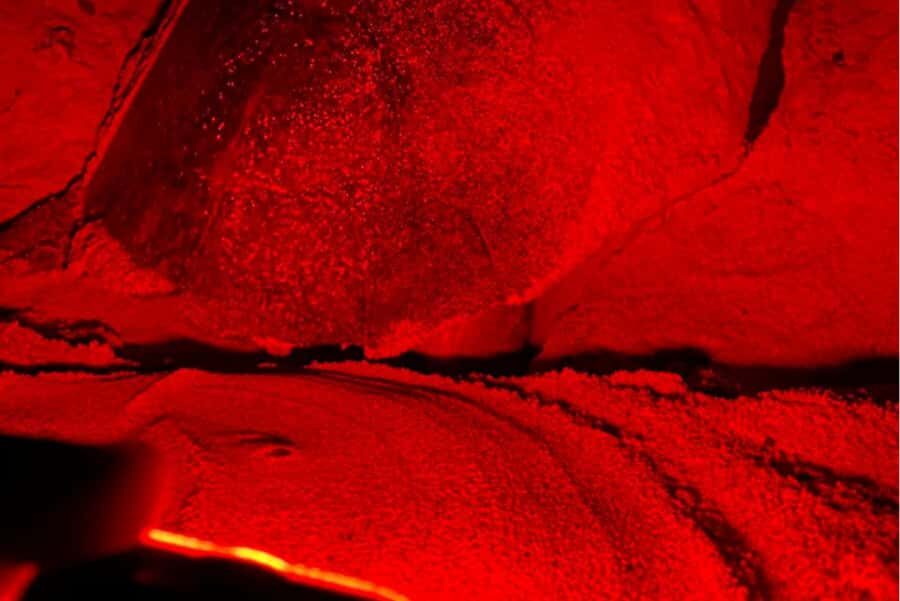
This is a short tour—about two hours from pickup to drop-off—so the rhythm is practical. You get collected with the group, then you head to beach areas where turtle activity might be happening.
If you’re hoping for a guaranteed sighting the minute you arrive, adjust that expectation. Turtle sightings can vary. In practice, that means the group may spend some time scanning the shoreline, then moving to another nearby beach if the first area is quiet. The whole point is to maximize your chances without breaking the rules or putting the turtles under extra stress.
Once you find active nesting behavior, you’ll shift from searching mode into quiet viewing mode. The guide will help you understand what you’re seeing and how to stay out of the turtles’ way. That’s when the “evening adventure” part clicks. You’re out there in low light, keeping noise down, staying still, and letting the turtles set the pace.
Because it’s only two hours, you should plan to be present from the start. Don’t treat it as a casual walk. It’s more like wildlife watching with a tight window: you want to be ready to follow instructions, dress properly, and keep your movements slow.
Local guides, real conservation rules, and why you’ll feel part of it
The tour runs with a live guide (English, Portuguese, or Spanish) and includes local driver and guide services. You’ll be with a group, but the guide’s role matters a lot here. Turtle nesting is delicate. Even well-meaning people can accidentally cause problems with noise, light, or crowding.
That’s why the instructions are very specific. The goal is simple: protect turtles so they can safely nest and then return to the sea.
Here’s how the rules play out on the ground:
- No touching marine life: You don’t need to see closer to understand what matters. Touching can stress the animal and disrupt behavior.
- No flash photography and no flashlight: Light can confuse or disturb animals during nesting. The tour explicitly bans flash and flashlight use.
- Speak softly: Low noise helps keep the scene calm.
- Avoid strong fragrances: Turtles have a sensitive smell. Perfume, hair spray, and heavily scented products can interfere.
- Wear dark clothing: The darker your outfit, the less you stand out in the turtle’s world.
I appreciate how these rules aren’t just “do’s and don’ts.” They make you a participant in conservation, not an observer who only cares about a photo.
Packing for the beach walk: dark clothes, shoes, and your phone
Even though this is called a turtle watch tour, the experience depends on what you wear and how you move. The tour guidance is clear, and you’ll feel it as soon as you start walking on sand.
Bring and wear:
- Dark clothing (it’s explicitly recommended)
- Comfortable shoes for beach walking
- Your phone in a way that allows careful viewing without flash
The tour is also strict about lighting. If you’re tempted to grab a dramatic flash shot, don’t. The rules are clear on no flash photography, and the advice includes using phone settings like night mode rather than blasting light.
One more practical point: this is an outdoor evening-style activity. If you’re the kind of person who runs cold, plan for that—but still keep your outfit dark. You want warm, not flashy.
If you have pets, this tour isn’t for you (assistance dogs are allowed). And if you’re traveling with a group of kids, double-check ages: it isn’t suitable for children under 3 years.
Price and value: is $43 for 2 hours worth it?
At $43 per person for a two-hour tour, the value comes from what’s included and what you’re actually doing.
What you’re paying for includes:
- Pick-up and drop-off
- Local driver and guide
- Group transport on pickup
- A live guide experience focused on nesting behavior and conservation
This isn’t just a free beach walk. The guide helps you interpret nesting behavior, follow safety and conservation rules, and improve your chances by working with the reality of wildlife timing.
The biggest “value question” isn’t the price—it’s the outcome. Turtle sightings vary, and you may spend time looking before you see active nesting. If you go with patience and follow the rules, the experience can feel deeply worth it because you’re seeing something rare and specific.
For people who need guaranteed action on a schedule, this may feel frustrating. For people who enjoy wildlife watching and respect the pace of nature, $43 for a guided, conservation-focused evening on Sal is pretty reasonable.


Who this tour fits best (and who should skip it)
This experience is best for nature lovers who are comfortable with quiet observation and following instructions in low light.
It suits:
- wildlife watchers who enjoy waiting for the right moment
- people who want an educational experience tied to conservation
- visitors who like evening beach walks when guided and controlled
It may not be a great fit if:
- you get impatient with variable sightings
- you want to take lots of flash photos or use a flashlight (both are not allowed)
- you’re bringing someone very young (not suitable under 3)
- you’re outside the top age limit (not suitable for people over 95)
Also, there’s a clear boundary around safety and behavior: unaccompanied minors aren’t allowed, and pets aren’t allowed (assistance dogs are allowed). So plan accordingly.
My take: the main reasons to choose it, and the one reason to be cautious
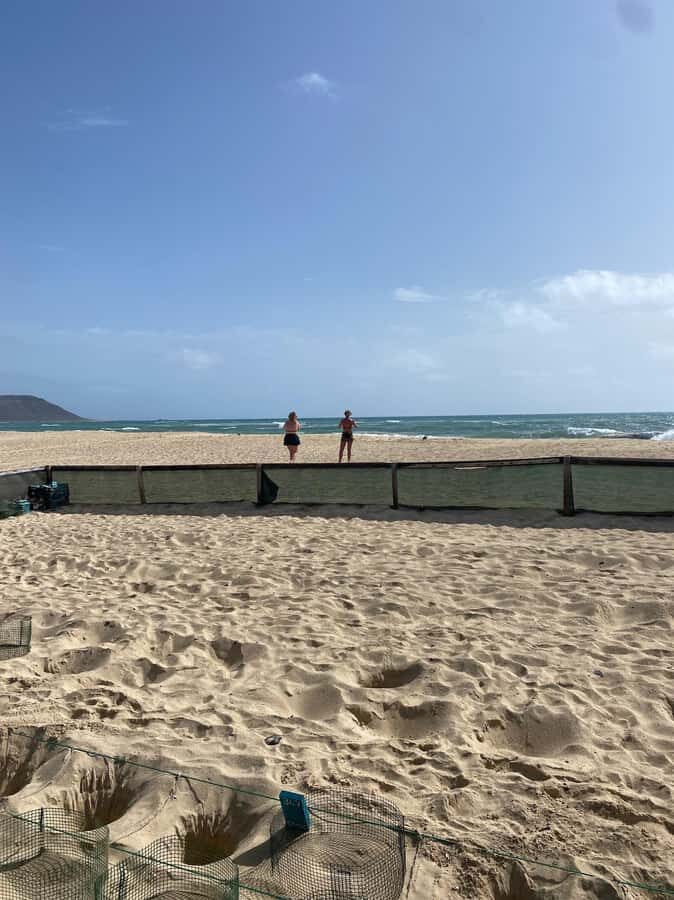
The most praised parts of this tour are easy to understand. When turtle nesting happens, it’s a real wow moment. And you’re not just left alone with a beach and hope. The guide-led search approach matters—if one area is quiet, the group can visit other beaches to improve the odds. That persistence can turn a slow start into a successful evening.
The education also tends to land well. You learn how to behave so you don’t disrupt nesting and return behavior. That makes the tour feel meaningful, not random.
The cautious note is also simple. Because sightings can vary, you could end the tour seeing fewer turtles than you hoped—or none at all. That doesn’t mean the tour is broken. It means you’re watching endangered wildlife with natural timing.
If you’re okay with that trade-off—paying for guidance, rules, and the chance to witness nesting—this is a strong option.
Should you book Logan Tours Turtle Watch on Sal Island?
Yes, if you want a guided wildlife experience that takes conservation seriously and you’re willing to be patient. This tour shines when you show up ready to do things the right way: dark clothing, quiet voices, no flash, and a steady mindset.
Maybe skip it if you need guaranteed sightings, dislike low-light rules, or you’re going with expectations of a quick, predictable show. Turtle watching isn’t like that, and the tour makes no promise of instant success.
If you do book, treat it like an evening mission. Dress for the rules, listen to the guide, and let the beach do the talking.
FAQ
FAQ
How long is the Sal Island Turtle Watch Tour?
The tour lasts 2 hours.
What’s included in the $43 per person price?
It includes pick-up and drop-off, a local driver and guide, and group transport on pickup.
What languages is the live guide?
The live tour guide is available in English, Portuguese, and Spanish.
Can I use flash photography or a flashlight?
No. Flash photography is not allowed, and a flashlight is not allowed.
Is it guaranteed that you’ll see turtles?
Not guaranteed. The tour aims to encounter at least one turtle, but sightings can vary.
Is free cancellation available?
Yes. You can cancel up to 24 hours in advance for a full refund.