REVIEW · PRAIA
Serra Malagueta Natural Park: Hike to Gongon Valley & Lunch
Book on GetYourGuide →Operated by Bu Country Tours · Bookable on GetYourGuide
On Santiago, the mountains feel close and real. This tour threads you through Serra Malagueta Natural Park to the Gongon valley and Hortelã valley, then adds a mountain-meal stop that makes the day feel more like local life than a canned sightseeing loop. I especially like the big view payoff from higher up in the park and the way the guide brings the plants and mountain routes to life as you walk. One thing to think about: this is a difficult hike with steep descents, so you’ll want proper shoes (and ideally poles) and you should plan for some rough terrain, not a stroll.
I like that it starts easy on your end: hotel pickup and drop-off from Praia means you spend your energy on the trail, not logistics. You’ll begin at about 1,000 meters and walk around 12.5 km over roughly 4–5 hours, with meaningful elevation changes. If you’re heat-sensitive or hiking in rainy months, pace yourself early and pack for slipping descents.
The human side is a real bonus too. You’ll pass remote spots, meet local families, and eat lunch during the day with juice/fruit and a sandwich included in the plan (and in practice, it’s more of a practical mountain meal than a long, fancy picnic). Guides like Jose and Katia (also Cati pops up in others’ experiences) get praised for friendly, attentive care and clear explanations—just match your expectations to the route’s effort level.
In This Review
- Key Points to Know Before You Go
- Serra Malagueta Natural Park: The View That Makes the Climb Worth It
- From Gongon to Hortelã: How the Valleys Shape Your Walk
- Meeting Families and Eating a Mountain Lunch
- Wildlife and Plants: What You Can Actually Spot
- The Tough Part: Difficulty, Weather, and What to Pack
- Price and Value: What $106 Buys You (and What It Doesn’t)
- Guides, Group Style, and the Pace Check You Should Do
- Who This Tour Is Best For (and Who Should Skip It)
- Should You Book Serra Malagueta: Gongon Valley & Hortelã Lunch?
- FAQ
- FAQ
- Where does the tour start and end?
- How long is the hike, and what distance should I expect?
- Is the hike one-way or round-trip?
- How difficult is this tour?
- What’s included in the price?
- What is not included?
- What should I bring?
- What languages are offered?
- Is there anything I should know about cancellations or minimum numbers?
Key Points to Know Before You Go
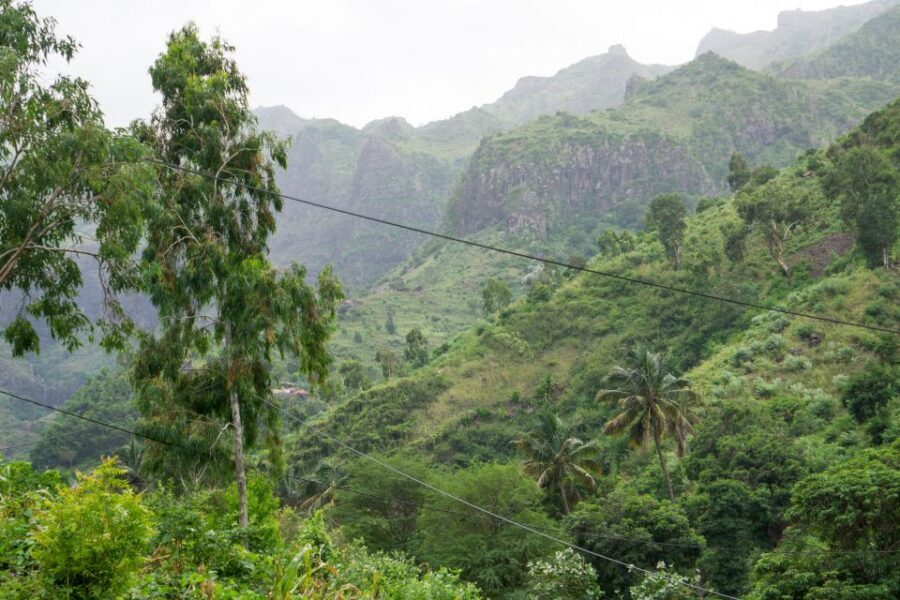
- Serra Malagueta climbs to about 1,035 m, with an overall tough route (roughly 580 m gain and about 1,100 m loss)
- A one-way trail through the Gongon and Hortelã valleys means you’re in motion for most of the day
- Local-family lunch stops add texture beyond scenery, especially if you like everyday Cape Verde mountain culture
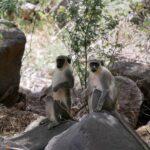
- Wildlife and birds are possible, including vervet monkeys and gray-headed kingfishers
- Pace can feel intense in heat or bad weather, so trekking poles and good shoes matter a lot
- You pay a small park entrance fee (€2/person) on top of the tour price
Serra Malagueta Natural Park: The View That Makes the Climb Worth It
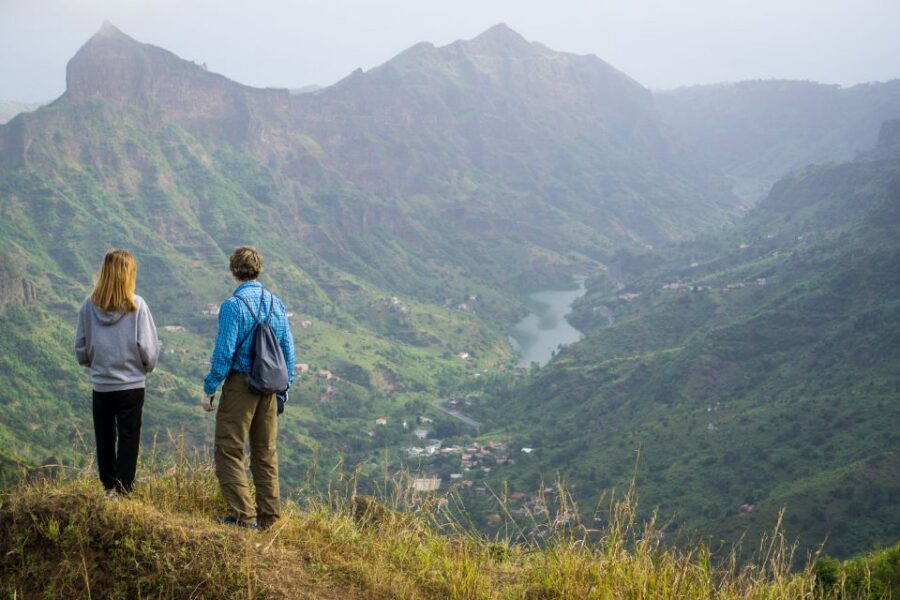
This hike is built around one main payoff: walking through Serra Malagueta Natural Park and then earning your views. You start high—around 1,000 meters above sea level—so you avoid that slow, flat “getting started” phase. The route still asks a lot of your legs, though. Expect a tough profile: about 580 m of elevation gain, then more work on the way down (the itinerary shows roughly 1,100 m of elevation loss overall).
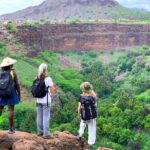
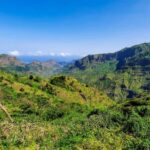
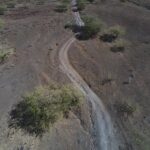
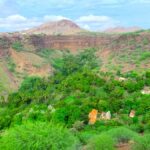
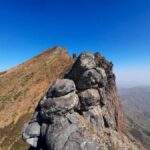
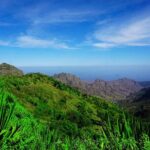
What you’re really buying with the difficulty is perspective. From the higher ground you’ll see jagged hills and patches of greenery below, and the terrain starts to make sense as a system: rocky slopes, paths cutting across the mountains, and valleys that feel bigger once you’ve crossed them on foot. If you’ve only seen Cape Verde from beaches or from towns, this is the part that makes the island feel three-dimensional.
One practical note from the reality of mountain walking: descents can be the hardest part even when the path is considered safe. One guide-led day in rainy September conditions was described as muddy and slippery, so you’ll want traction. If it’s hot when you go, the climb can feel relentless too—one set of footsteps from another group included a reminder that the heat can turn a tough hike into a suffer-fest fast.
A few more Praia tours and experiences worth a look

From Gongon to Hortelã: How the Valleys Shape Your Walk
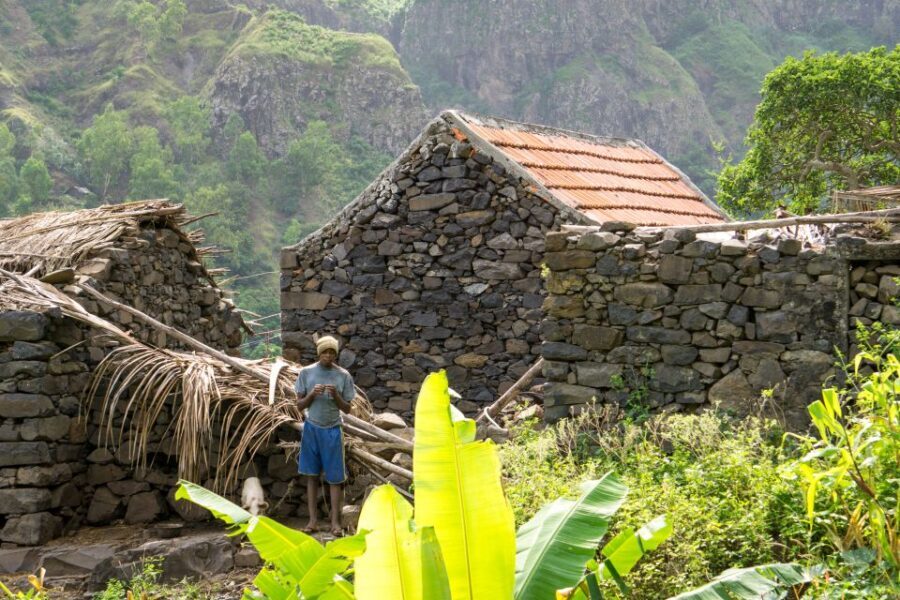
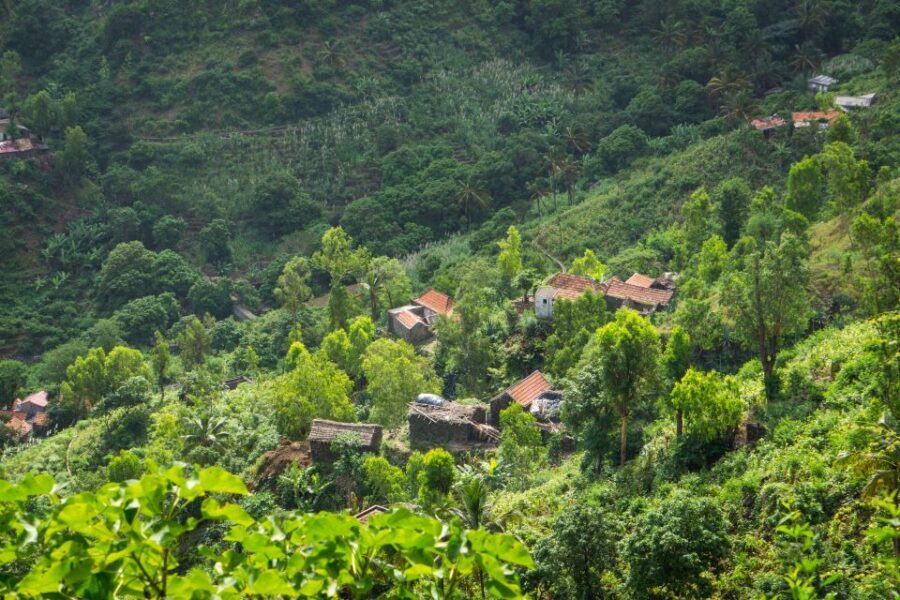
After the park time, the day pivots to valleys—Gongon valley and then Hortelã valley. This is where the hike stops being just “a mountain climb” and starts feeling like travel through different pockets of Santiago’s interior.
The tour’s structure matters: it’s a one-way hike type, and the total walking time is about 4–5 hours. So you won’t just take one scenic loop and call it done. You’ll cover around 12.5 km, and most of the mental effort is staying focused through constant movement—watching your footing, reading the trail, and checking the horizon when the path opens.
As you go, you’ll also pass deserted villages. That sounds quiet, and it is, but it’s also one of the more meaningful parts of the day. You’re seeing how people live when they’re not in a beach corridor. Even if you don’t speak much beyond greetings, the moment of meeting local families is a chance to slow down. People talk about life in remote mountain areas in a way you can’t get from a viewpoint photo.
You reach the next valley area after crossing the Gongon segment and then continuing east toward Hortelã. The reward is that the scenery shifts as the terrain changes. It keeps the hike from feeling repetitive.
Meeting Families and Eating a Mountain Lunch

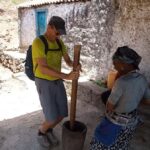
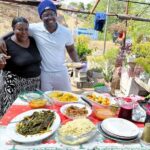
This tour isn’t just “nature + views.” A big part of the value is the human stop: you’ll meet and learn from local families during the hike. You’ll come across remote, partly deserted villages along the way, and lunch is described as taking place with a local family before you continue east.
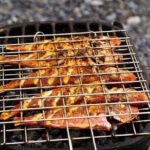
In the plan, lunch is a picnic-style meal with juice, fruit, and a sandwich. In real life, expectations should stay practical. One experience noted that the meal was simpler than the idea of a full picnic blanket-and-baskets moment—more like a quick stop to eat papaya. The good news is that either way, you’re getting a taste of what a mountain meal looks like in the middle of a walk, not just a packaged snack in a parking lot.
If you like the kind of travel that feels respectful—where you’re invited into the flow of someone’s day—this is the right setting. And if you’re the type who needs to know what’s ahead, here’s a helpful mindset: treat the lunch as fuel, not as the main event. Then the rest of the hike stays enjoyable rather than stressful.
One more detail that stands out: one person raved about lunch at Hermiña’s and called it delicious. So if you’re the sort who gets excited about a specific meal stop, keep your appetite open for that local food moment.
Wildlife and Plants: What You Can Actually Spot
One of the coolest parts of this route is that it gives you a reason to look around beyond just watching your feet. The park is known for endemic plants, and the hike includes time to see local flora.
It’s also a good day for wildlife scanning. Keep an eye out for vervet monkeys and gray-headed kingfishers. You won’t want to chase animals or slow down dangerously on steep ground, but if you pause when the guide points something out, you’re far more likely to catch a flash of movement or hear a call.
I also like that the trail description doesn’t promise some fantasy wildlife moment. It’s more grounded: watch for birds, check treetops and edges, and you’ll get what you get. That keeps the experience honest and focused on what you can actually enjoy.
The Tough Part: Difficulty, Weather, and What to Pack

Let’s talk about the work. This is marked difficult for a reason, not because it’s “technically” long. You’re looking at about 4–5 hours of walking plus a tough elevation profile: ~580 m gain and -/+ 1,100 m of overall elevation loss/gains listed, with max around 1,035 m and min around 110 m.
So do yourself a favor: pack for two threats—heat and slippery descents.
What to bring (these are not suggestions in disguise):
- Hiking shoes (sturdy soles for downhill)
- Hat
- Sunscreen
- Water
- Hiking pants (especially advised from August to November)
- Optional but smart: walking sticks or poles (multiple experiences highlight poles for safety and comfort)
Why poles matter: on steep downhills, your knees do the braking. Poles offload some stress and improve balance when the ground is uneven.
Weather can swing how hard the day feels. September rainy conditions were described as making descents muddy and slippery. If rain is likely, add a small wind/rain layer if you own one—just enough to stay comfortable without turning your pack into a brick.
Finally, consider the pace. One experience complained about the guide pushing a running-record pace (12 km in about 3.5 hours), and also noted that the group needed a guide who stayed attentive to everyone’s condition. You can’t control someone else’s tempo, but you can control your strategy: start slower than you think you need, then settle into your rhythm. If you’re with a fast group, ask for a breather rather than powering through and risking slips.
You can also read our reviews of more hiking tours in Praia
Price and Value: What $106 Buys You (and What It Doesn’t)
At $106 per person, this tour includes the pieces that usually cost you time and hassle:
- Pickup and drop-off from your Praia accommodation
- Transportation
- Tour guide
- Lunch
- Liability insurance
And then there are the small extras:
- Serra Malagueta Natural Park entrance fee: €2 per person (not included)
The value here comes from the combination: you get guided hiking, a cultural element (meeting families), and a meal stop in the middle—plus you don’t have to arrange a drive or figure out how to connect to trailheads on your own.
Is it expensive? For a difficult, guided half-day with transport and lunch, it’s positioned in the fair-to-reasonable range. The deciding factor is you. If you genuinely want the hike + local life mix, $106 looks like a bargain compared with paying for separate transport, a guide, and your own lunch plan. If you mainly want a short scenic walk with minimal effort, you might feel the price doesn’t match your desired pace.
Guides, Group Style, and the Pace Check You Should Do

You’ll be in a shared group trek setup, and it can run with a minimum of 2 participants. If that minimum isn’t met, the provider may propose an alternative date, charge an extra fee to run privately, or cancel for a full refund. That’s worth knowing because it affects how personal or flexible the day feels.
Language support is good too: guides work in English, Portuguese, French, and Spanish, which makes it easier to ask questions about plants, the valleys, and daily life rather than just nodding along.
On the ground, guides are often described as fantastic and caring—Jose and Katia show up in praised experiences, with Jose noted for explaining more than the expected itinerary and with a driver who helped keep things smooth. Cati is also credited with making a trip unforgettable.
But keep one balanced point in mind: a few notes suggest the guide’s pace and attention to slower walkers can vary. So if you prefer a relaxed hiking tempo, say so early. You’ll be more comfortable when expectations match reality.
Who This Tour Is Best For (and Who Should Skip It)
This is best for you if:
- You want real hiking with a steep profile and meaningful elevation changes
- You like guides who explain what you’re seeing (plants, terrain, and daily mountain life)
- You value a local-family meal stop rather than only photo viewpoints
- You can handle hot weather or switch to a careful pace when the trail turns muddy
You might skip this if:
- You want a gentle walking day or mostly flat terrain
- You’re not comfortable with steep downhill work
- You’re expecting an easy, casual outing (this one is a hike first, show second)
Also, it’s not suitable for wheelchair users, so plan accordingly if mobility access is a factor.
Should You Book Serra Malagueta: Gongon Valley & Hortelã Lunch?
If you’re the kind of traveler who likes walks that feel connected to the island’s interior, I’d book it. The best case is a day where you get big views from Serra Malagueta, valley-crossing scenery, a lunch stop with local families, and a guide who helps you notice plants and wildlife like vervet monkeys and gray-headed kingfishers.
Just be honest with yourself about effort. This is marked difficult and includes steep descents. If you show up with the right shoes, water, and the stamina to take your time, the day feels like a real Cape Verde experience rather than a checkbox.
If, however, you’re hoping for an effortless trek or a long, leisurely picnic, adjust your expectations. The lunch can be more practical than fancy, and the trail pace can be intense depending on conditions.
FAQ
FAQ
Where does the tour start and end?
It includes pickup and drop-off from your accommodation in Praia.
How long is the hike, and what distance should I expect?
You’ll walk about 12.5 km (±) total, for roughly 4–5 hours (±).
Is the hike one-way or round-trip?
The trail type is one-way.
How difficult is this tour?
It’s listed as difficult, with about 580 m elevation gain and an overall elevation change that’s roughly -/+ 1100 m, plus a maximum elevation around 1035 m.
What’s included in the price?
Included: pickup and drop-off, transportation, tour guide, lunch, and liability insurance.
What is not included?
The entrance fee to the park is €2 per person, and you should budget for it.
What should I bring?
Bring a hat, hiking shoes, sunscreen, and water. The tour also advises hiking pants (especially August to November) and bringing €2 for the park fee.
What languages are offered?
Guides support English, Portuguese, French, and Spanish.
Is there anything I should know about cancellations or minimum numbers?
The shared group trek depends on a minimum of 2 participants; if it doesn’t meet the minimum, you may get an alternative date, a private option with an extra fee, or a full refund if the tour is canceled.