REVIEW · SAL
Santa Maria: Sea Turtle Watching Experience on Sal Island
Book on GetYourGuide →Operated by Sal Experiences · Bookable on GetYourGuide
Turtles at night feel like magic. This Santa Maria sea turtle watching tour on Sal is all about quiet, respectful observation of common turtle nesting on a deserted beach—plus the chance to ask questions and learn the full story from your guide as you watch the sand-to-sea cycle unfold. I really like the low-disturbance setup (dark clothing, no flash, and infrared lighting) and the expert-led explanations delivered by guides such as Nany and Chan.
Still, there’s one thing to plan for: the nesting observation depends on environmental conditions, so you might wait longer than you expect, and the exact timing can shift in that evening window (not every visit is guaranteed to include the same level of nesting action).
In This Review
- Key things to know before you go
- How the moonlit turtle walk on Sal Island really works
- Pickup at 8 PM and the comfortable ride to the beach
- The beach rules that protect turtles (and your night vision)
- What you learn about Cape Verde turtles before you watch
- Watching the nesting cycle: why patience is part of the show
- Timing flexibility: the real reason schedules can feel confusing
- Infrared lighting and the no-camera aspect
- Who this tour is best for on Sal
- Price and value: is $41 worth it?
- The vibe at night: stars, silence, and guided focus
- Should you book Santa Maria sea turtle watching on Sal?
- FAQ
- What time does the Santa Maria sea turtle tour pick you up?
- How long is the drive to the beach?
- Is seeing turtle nesting guaranteed?
- What should I wear and bring?
- What is not allowed during the tour?
- Is the tour suitable for children or people with mobility issues?
Key things to know before you go
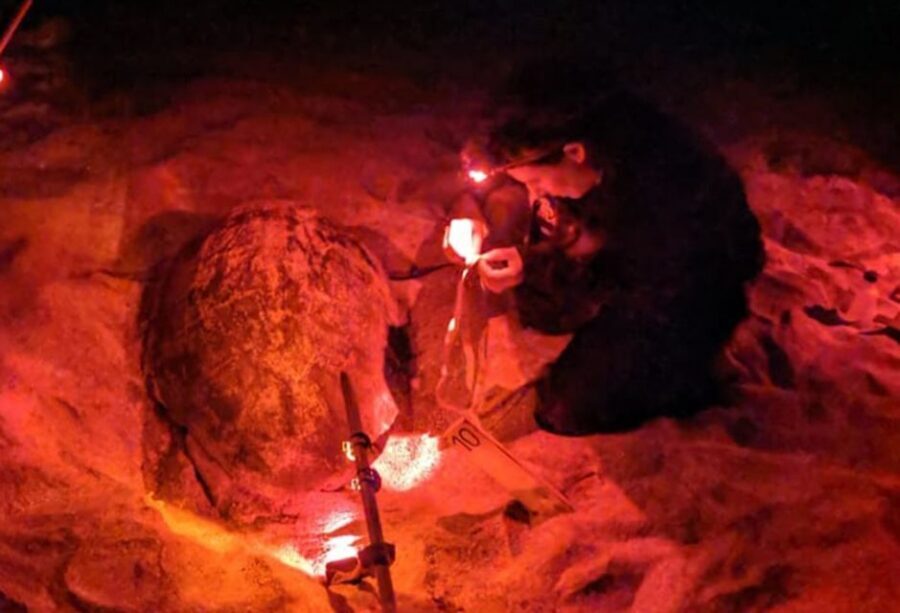
- Infrared lighting helps you observe without using bright flashes that could disrupt nesting behavior.
- Dark-clothes policy (black, dark blue, dark grey, etc.) reduces disorientation for turtles in the dark.
- Small groups on the beach means you’re not all crammed into one spot when a turtle comes ashore.
- The full nesting process lesson covers what’s happening from the approach through the eggs being laid and covered.
- Guide expertise you can question directly, including how conservation guidance protects turtle welfare.
How the moonlit turtle walk on Sal Island really works
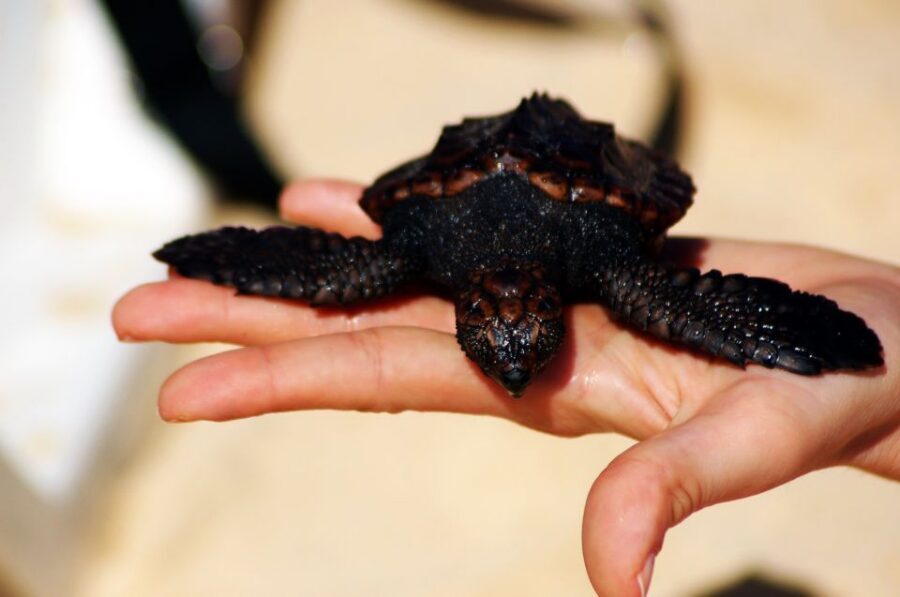
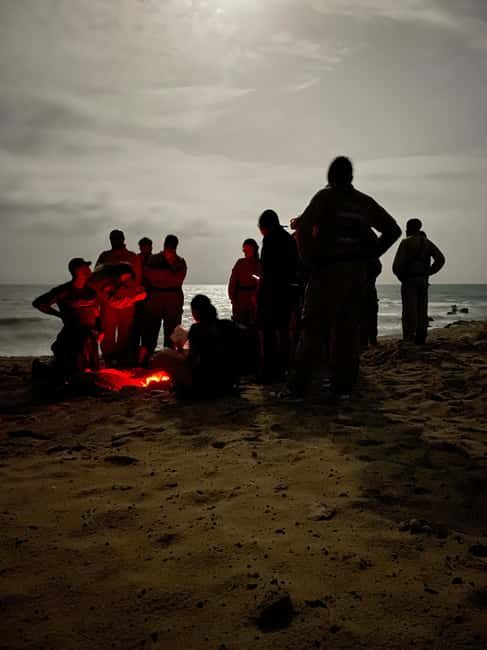
This is not a quick “tour bus, then photos” outing. It’s a night walk built around one goal: watching common turtles come up onto the sand to nest with as little interference as possible. You’ll leave Santa Maria-area accommodations in the evening and ride to a beach where the atmosphere is half the experience—quiet, dark, and heavy with that coastal stillness.
The guides set expectations early: the night is about observation and restraint. Once you’re on the sand, you’ll move slowly and stay as still and silent as you can. Even when you’re excited, you’ll learn fast that the best way to help the turtles is to act like you’re not even there.
I also like how the tour balances education with action. You’re not just standing and waiting. Your guide will explain evolution, characteristics, and curiosities of Cape Verde sea turtles, then translate what you’re seeing into plain language—so the nesting moment lands as something meaningful instead of just a spectacle.
You can also read our reviews of more tours and experiences in Sal.



Pickup at 8 PM and the comfortable ride to the beach
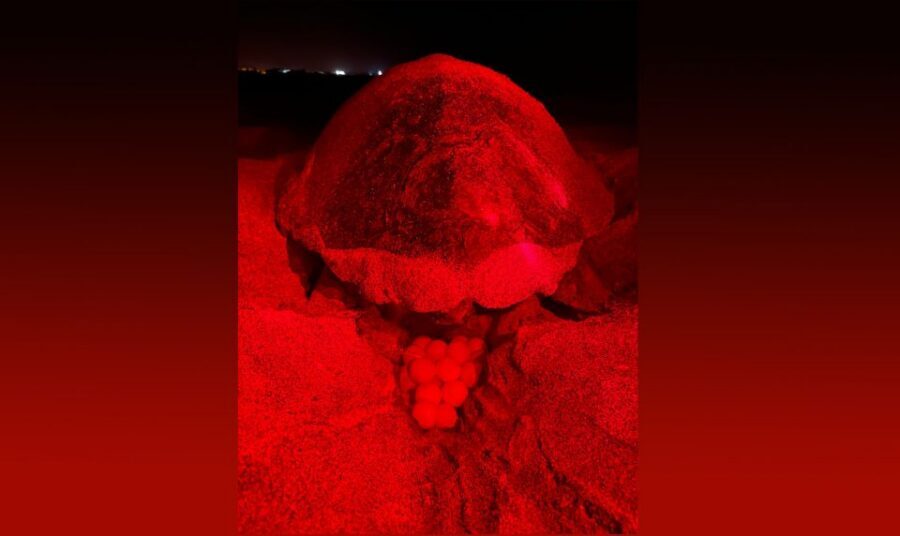
The schedule is built for nighttime viewing. You’re picked up at 8:00 PM from your accommodation, and you reach the beach in less than an hour. In practice, you’ll want to be ready right on time, since the activity timing can flex within an evening window.
The vehicle is air-conditioned, which matters more than it sounds in Cape Verde heat—because once you get to the beach, the payoff is in staying comfortable enough to walk slowly over sand and stand quietly for a while. One review noted the ride was short (around 30 minutes) and the van felt comfortable, with clear advance messaging about pickup timing.
You’ll also hear the plan from your guide during the drive. That helps you avoid that annoying feeling of standing around not knowing what’s next. When the pace stays calm, the waiting feels less like “nothing is happening” and more like “we’re doing this right.”
The beach rules that protect turtles (and your night vision)
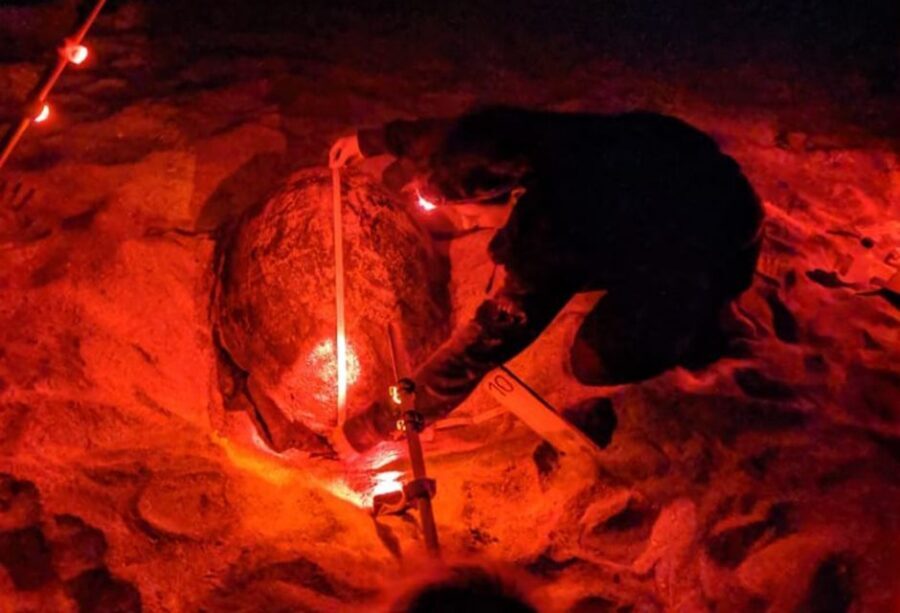
This tour has a firm respect-by-design approach. They use infrared lighting, and they explicitly forbid flash photography, video recording, and flashlight use. The goal is simple: bright light can change turtle behavior, stress animals, and create chaos on the beach.
You’ll also be asked not to bring a flashlight of your own, which forces the whole group to move and watch in a consistent, turtle-safe way. It’s one of the reasons the experience feels controlled and thoughtful instead of chaotic.
What to wear is a big deal here. Bring comfortable shoes because you’ll be walking on sand at night. And go for dark-colored clothing—black, dark brown, dark blue, dark grey—because lighter colors can startle or disorient turtles.
One practical tip from the way people describe it: if you tend to get chilly in sea-breeze night air, pack a light layer. And if you’re the type who hates the dark, be honest with yourself. People with nictofobia (fear of the dark) are specifically not recommended.
What you learn about Cape Verde turtles before you watch
Cape Verde waters support three turtle species, and the tour focuses on the yellow turtle, also called the common turtle, which is the most common in Cape Verde. You’ll learn why sandy beaches matter so much for nesting, and how these sites become natural stages for a repeating cycle.
Your guide’s explanations are meant to answer the big questions quickly:
- What turtles are doing when they come ashore
- Why they choose sandy spots for nesting
- What the nesting process looks like from start to finish
- How conservation guidance helps turtles survive human presence
The most satisfying part is that the lesson stays connected to the real action. Instead of a lecture, you’re learning by watching. When a turtle approaches and begins the nest-making sequence, you’ll understand what you’re witnessing: the shift from shoreline arrival to digging, laying, covering, and then returning to the sea.
Watching the nesting cycle: why patience is part of the show
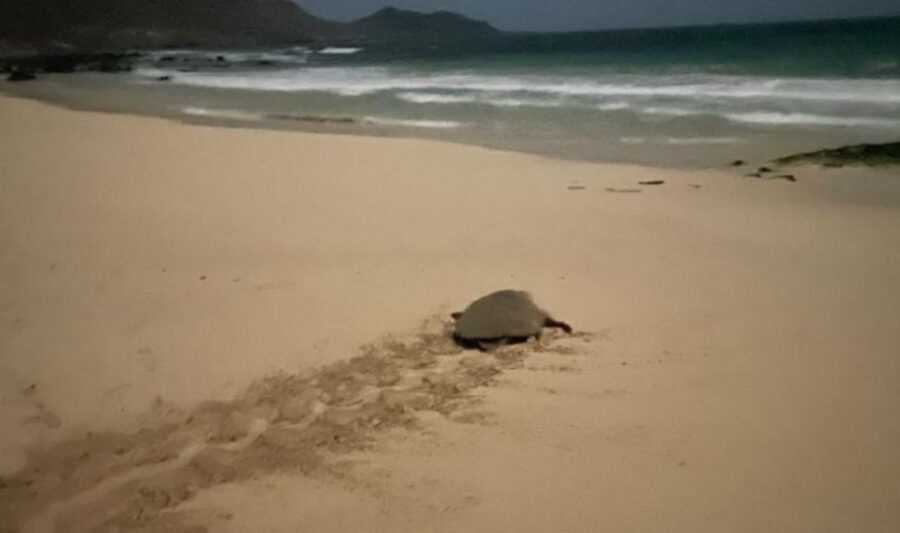
Here’s the honest deal: turtle watching is not always instant. The tour is designed to find the animals while keeping disturbance low. That means you might walk, pause, reposition, and wait until a turtle is ready to come ashore.
And when the timing hits, it can feel almost unreal because the process is so specific. People describe seeing the full sequence—arrival, digging the nest, laying eggs, covering over the nest, and returning to the sea. Others got lucky with multiple turtles in one outing, while some saw turtles coming to shore but didn’t catch the exact laying moment.
This is where the guide’s skill matters. Guides are actively looking for activity, and they know how to adjust group positions to avoid crowding. Several accounts mention that groups were split into smaller viewing units, so you’re not all fighting for the same line of sight. That structure helps keep the experience respectful for the turtles and also more enjoyable for you, since you can stay focused rather than constantly moving around.
One more thing I appreciate: you’re encouraged to sit or stand quietly once you spot a turtle and let it work. It can require patience, but the payoff is that you’re witnessing a natural behavior with minimal intrusion.






Timing flexibility: the real reason schedules can feel confusing
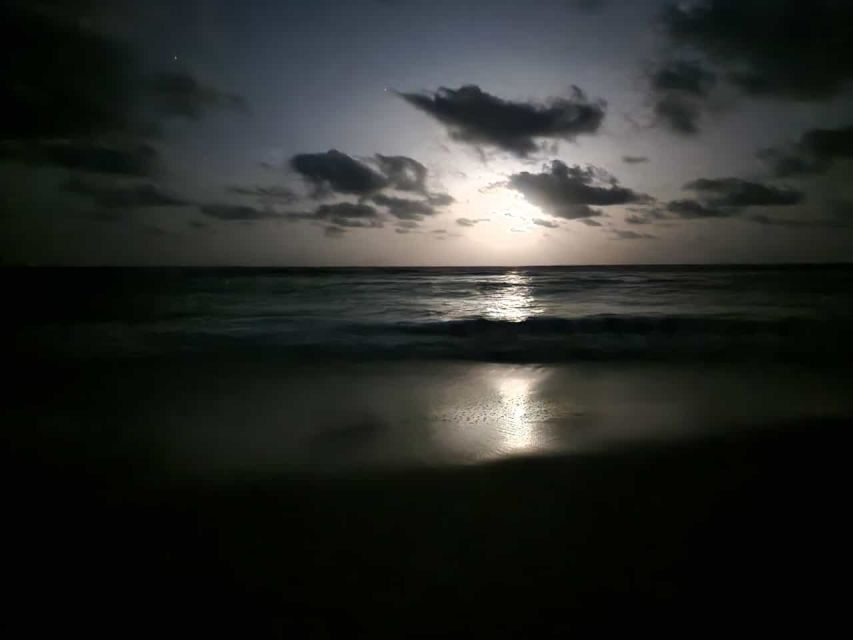
The tour runs in an evening window that can shift between 7:30 PM and 10:30 PM, depending on environmental factors and updated guidelines. You’re told the exact transport time will be confirmed on the morning of the event.
That variability isn’t a flaw—it’s a reality check for wildlife watching. Turtles don’t follow calendars, and beach conditions matter. The tour also has a strong track record: they mention about a 99% success rate over the last five years, but that still doesn’t mean you can predict exactly what you’ll see on any given night.
What you should do is plan your evening with a relaxed mindset. Don’t stack other plans right after pickup. If you’re expecting a tight timeline, you may feel frustrated. If you can handle waiting, you’ll likely enjoy the starry-sky downtime people mention, plus the sense of being present for a slow, natural moment.
Infrared lighting and the no-camera aspect

This tour is different from standard wildlife tours because the focus is on observation, not content creation. Video recording and flash photography are not allowed. That may sound limiting until you realize it keeps the beach quiet and consistent—two big factors for turtle safety.
Infrared lighting also changes the vibe. It helps you see without blasting the beach with bright light. The result is a calmer setting where people aren’t waving cameras around, and turtles are more likely to continue nesting without interruption.
If you’re hoping for dramatic nighttime footage, temper expectations. Your reward here is what you witness in real life, not what you record.
Who this tour is best for on Sal
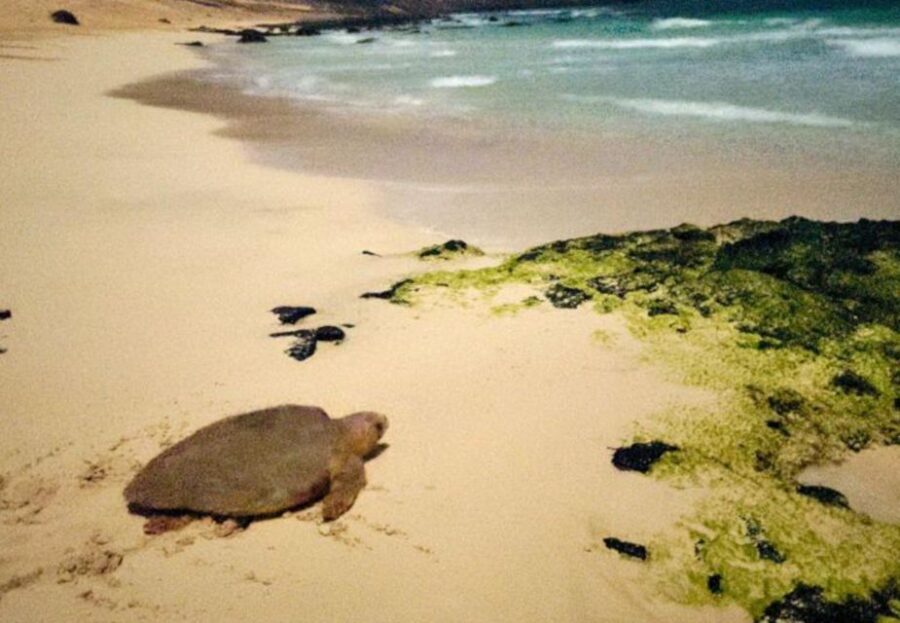
This is a great fit if you want a nature experience that feels respectful and educational. It’s especially good for:
- Eco-minded travelers who like conservation-first outings
- People who can stay quiet and patient
- Couples and small groups who want a meaningful, low-noise nighttime activity
- Anyone who enjoys asking questions and getting real answers from the guide
It’s less suitable if you:
- Have mobility limitations or reduced mobility (the sand walk can be difficult)
- Are traveling with a child under 3 years old
- Fear the dark (nictofobia)
- Might be affected by alcohol (people under the influence can’t participate)
Also, if you’re expecting a quick, easy stroll, note that sand walking at night takes energy—even if it’s not long.
Price and value: is $41 worth it?
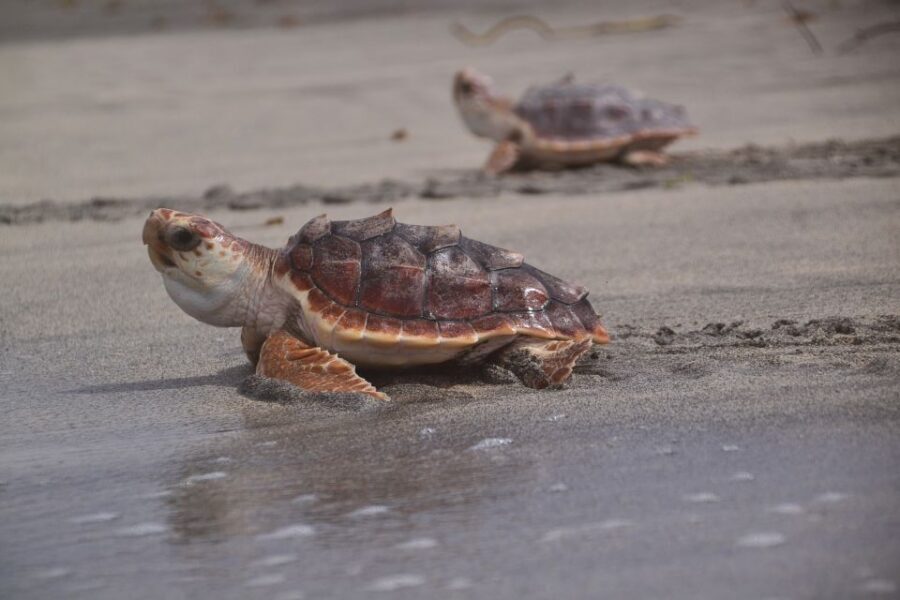
At $41 per person, this tour sits in the “small splurge” category—but it can be strong value because you’re paying for more than a beach walk. You’re paying for:
- Hotel pickup and drop-off
- Transportation (air-conditioned vehicle)
- Trained guides
- Infrared lighting
- Group management that helps minimize disturbance
- A guided explanation of turtle behavior and nesting, not just “watch and guess”
What makes it feel worth it is the low-impact approach. When a tour takes wildlife welfare seriously—no flash, no flashlight, strict behavior rules—you avoid the common problem of people interfering with animals just to get a shot. Add in the chance to see the nesting cycle from approach to return, and the price starts to make sense as a conservation-minded experience rather than a generic nighttime activity.
The vibe at night: stars, silence, and guided focus
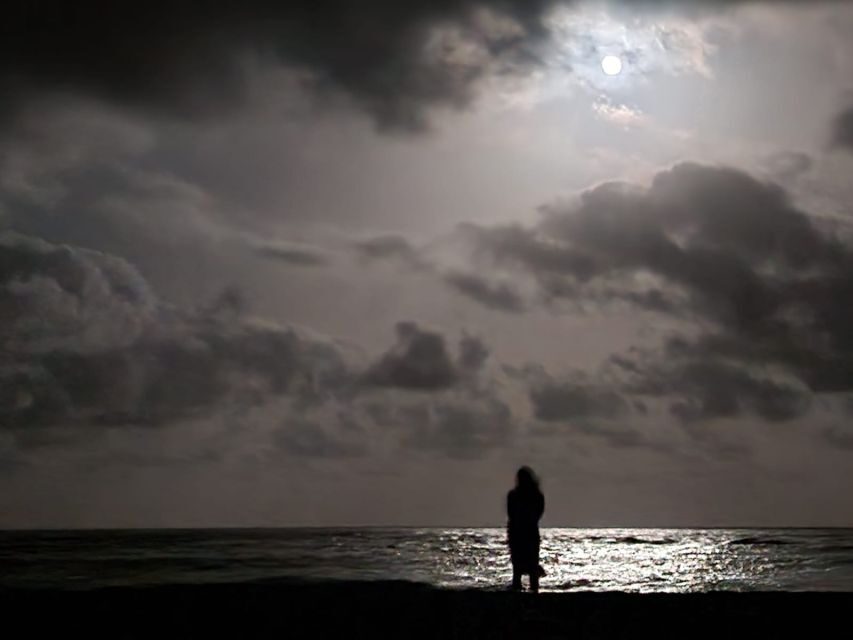
One of the underrated benefits of this tour is how it changes your pace for a few hours. People mention starry skies while they wait, and that waiting doesn’t feel wasted because your guide keeps you informed. You’re not just standing in the dark—your brain has something to do: listen, observe, learn, then watch for the moment the turtle begins its work.
If you’re used to travel days that are nonstop, this feels like a reset. It’s slow. It’s quiet. And when you see the nesting sequence, it’s also very moving—because it’s a life process that happens whether humans are watching or not.
Should you book Santa Maria sea turtle watching on Sal?
If you want a high-respect wildlife experience with a strong conservation focus, I’d book it—especially if you’re visiting Sal during turtle nesting season and you’re okay with nighttime patience. The tour’s rules (dark clothing, no flash, infrared lighting) and the way guides like Nany and Chan guide viewing make it one of the better “see nature up close without being disruptive” options.
Skip it if you can’t handle the dark, struggle with walking on sand, or need guaranteed action on a specific minute-by-minute schedule. Nature isn’t predictable, and this tour reflects that.
FAQ
What time does the Santa Maria sea turtle tour pick you up?
Pickup is at 8:00 PM from your accommodation, though the overall activity timing can vary based on environmental factors and guidelines.
How long is the drive to the beach?
The trip to the beach takes less than an hour, and some pickups may be closer to about 30 minutes.
Is seeing turtle nesting guaranteed?
No. Nesting observation depends on environmental factors, but the operator reports a 99% success rate over the last five years.
What should I wear and bring?
Wear dark-colored clothes (black, dark blue, dark grey, etc.) and bring comfortable shoes for walking on sand.
What is not allowed during the tour?
Flash photography, video recording, and flashlight use are not allowed.
Is the tour suitable for children or people with mobility issues?
It is not recommended for children under 3 years old, and it is not recommended for people with reduced mobility or wheelchair users.