REVIEW · SAL
Sal Island: Shark Bay Experience from Santa Maria
Book on GetYourGuide →Operated by Sal Experiences · Bookable on GetYourGuide
Watching lemon sharks circle a shallow shoreline sounds like a story, until you’re in Shark Bay on Sal, Cape Verde, where you can either stay on the beach with binoculars or join the guided swim. Two things I really like: the chance to see lemon sharks (Negaprion brevirostris) in their natural rookery area, and the extra layer of practical support from licensed guides plus included water shoes. One consideration: it’s not for everyone, since the experience involves rocky, uneven footing and it isn’t suitable for wheelchair users or people with mobility impairments.
What also makes this outing feel different is the pacing. You’re out there for a focused session with sharks, then you’re back at your lodge with time to still enjoy Sal’s beach life later.
In This Review
- Key highlights you’ll feel fast
- Why Shark Bay on Sal feels different from a typical wildlife trip
- The ride from Santa Maria (and other pickup points) to Sal’s east side
- Beach viewing vs getting in: how the two-hour flow really works
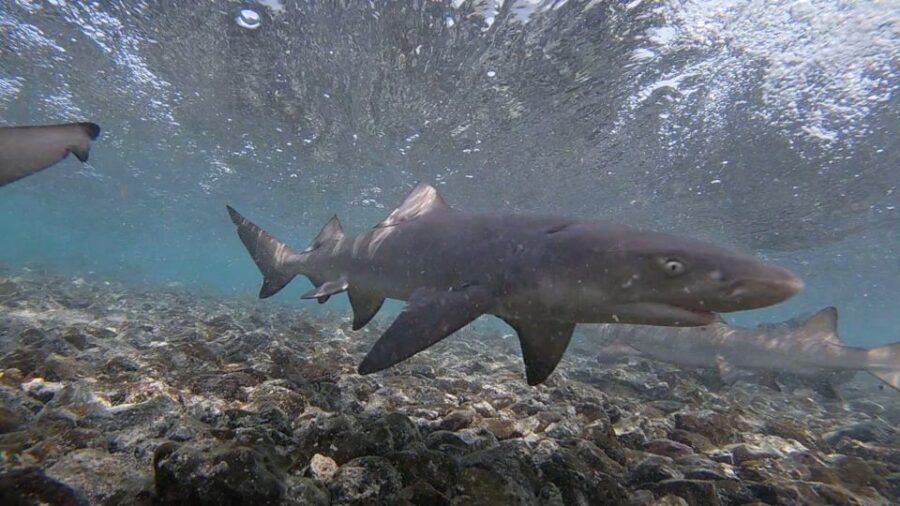
- Lemon sharks up close: what you’ll likely see and why they’re there
- Safety on rocky footing: water shoes and what to do with them
- Guides, languages, and the personal touch you’ll notice
- What your “close encounter” will actually feel like
- Price and value: is $35 for Shark Bay fair?
- Who should book this trip (and who should skip)
- A practical packing list for your Shark Bay visit
- Should you book the Shark Bay Experience from Santa Maria?
- FAQ
- How long is the Shark Bay Experience from Santa Maria?
- Where are the pickup locations?
- What is included in the price?
- Is water shoes included?
- Can I watch the sharks from the beach instead of going into the water?
- What sharks will I see?
- What languages are the guides?
- What should I bring?
- What’s not allowed?
- Is it suitable for wheelchair users or people with mobility impairments?
- Is free cancellation available?
Key highlights you’ll feel fast
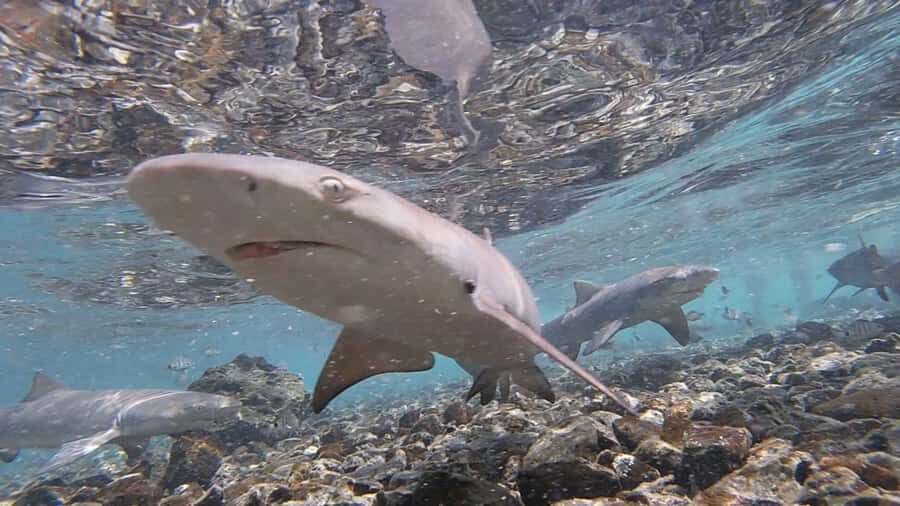
- Lemon shark rookery access on Sal’s east side, where sharks are part of the local ecosystem
- Two ways to experience it: binocular spotting from shore or up-close viewing in the water
- Guide-led spotlights on shark behavior, including what they do and why they’re there
- Safety-focused gear with water shoes provided (plus help on rocky surfaces)
- Small-group feel with private options, so questions don’t get lost in a big crowd
- Real “up close” viewing time, with about an hour spent in the water depending on your choice
Why Shark Bay on Sal feels different from a typical wildlife trip
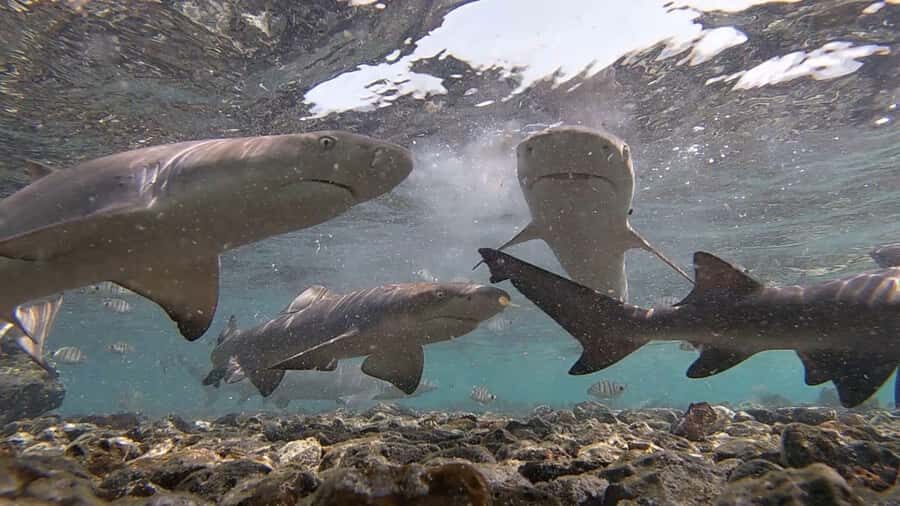
This isn’t a long day of driving and hoping you get lucky. It’s a tight, two-hour experience built around a specific place where lemon sharks have a regular presence. That matters because you’re not chasing sightings—you’re meeting them where they already live.
I also like how the experience has two comfort levels. If you’re the kind of person who prefers the idea of sharks but not the logistics of getting in, you can stay on the beach with binoculars and still get a strong payoff. If you want the full wow factor, the water option lets you watch sharks from much closer range, with a guide right there to keep things safe and organized.
The vibe on Sal tends to be relaxed, and Shark Bay matches that. It feels more like an ecological visit than a theme-park stunt—especially when your guide explains what the sharks are doing and how the rookery environment works.
You can also read our reviews of more tours and experiences in Sal.

The ride from Santa Maria (and other pickup points) to Sal’s east side
Your trip starts with hotel pickup from one of four options: Santa Maria, Murdeira, Espargos, or Sal itself. That’s convenient if you’re staying anywhere along the island’s main tourist corridors, and it helps you avoid the hassle of arranging transport on your own.
During the drive, you can expect scenic views and wildlife viewing along the way. Even when you’re excited to get to the water, the route adds value because it sets context—Cape Verde isn’t just beaches; it’s also a chain of islands with distinct habitats and a living coastal system. People often remember the drive because guides point out details you’d miss if you were just transferring between hotel and beach.
A practical note: you need to be ready on time. The activity must start on schedule, and if you’re more than 5 minutes late you’re asked to contact the check-in person via call or WhatsApp using the number on your voucher. In practice, that means you should treat this like any other timed excursion, not a casual stroll.
Beach viewing vs getting in: how the two-hour flow really works
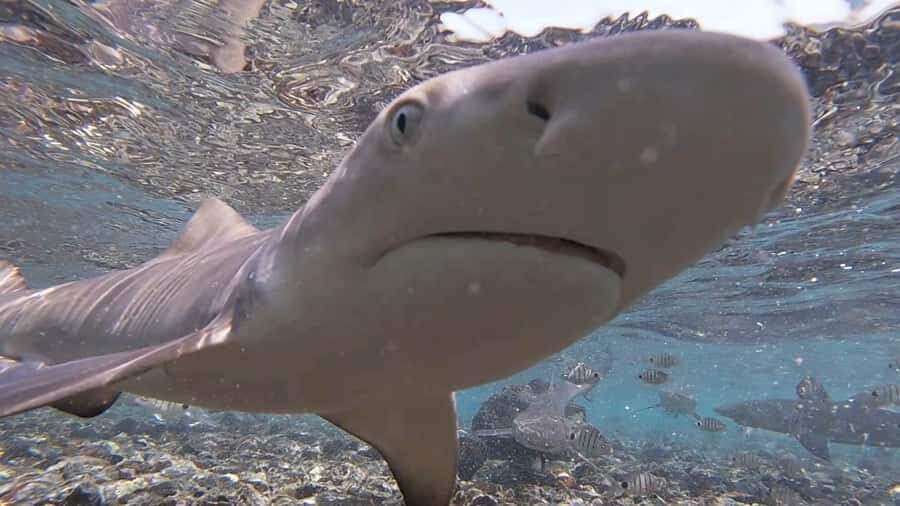
The core choice is simple: watch from shore or go in the water. On the beach, binoculars help you spot sharks against the sand and shallow water area. If you’re staying dry, you still get a guided experience—your guide is there to explain what you’re seeing and why it matters.
If you choose the water option, the timing is usually structured around real viewing time. After about 60 minutes in the water with sharks swimming around (and learning from your guide), you’re taken back to your lodge or hotel. That’s a big deal for planning, because you’re not left wondering if you’ll get enough time. You’ll also be done early enough to still enjoy the rest of your Sal day.
One small reality check: some guests note that this is described as swimming, but in practice you’re often closer to the bottom and shoreline edges, with sharks passing near your feet—especially the smaller ones. If you’re expecting an open-water encounter at depth, adjust your mental picture. You’re there for closeness in a controlled, shallow setting.
Lemon sharks up close: what you’ll likely see and why they’re there
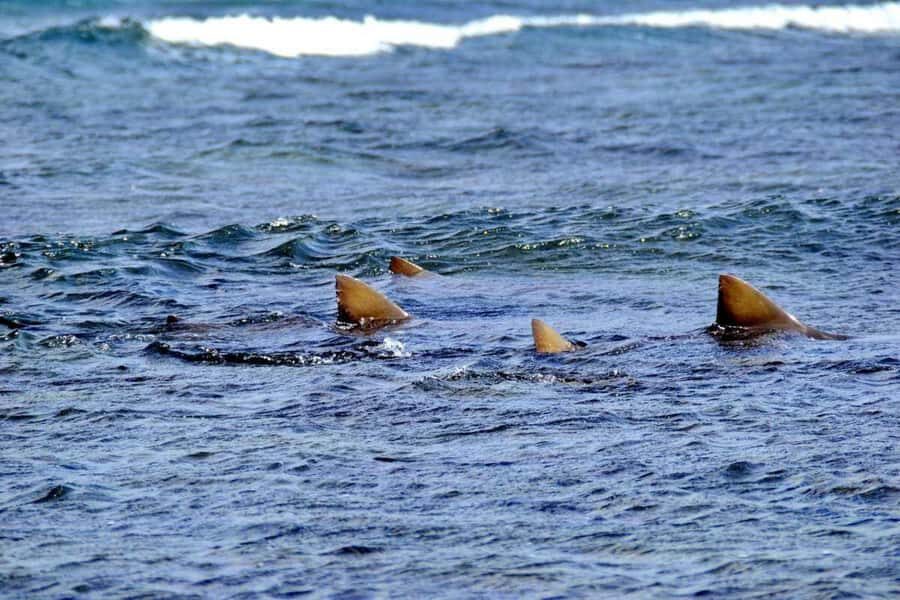
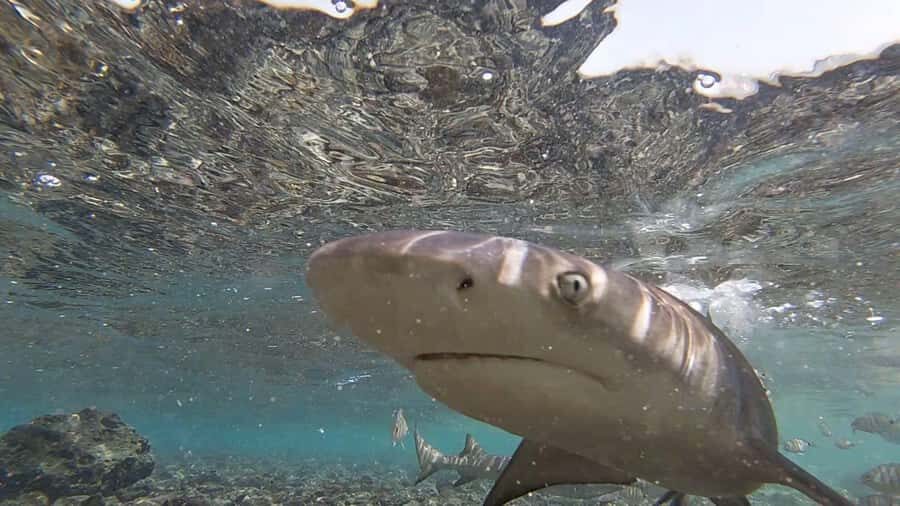
The star is the lemon shark, a medium-to-large shark that locals describe with respect and science. The scientific name is Negaprion brevirostris. In size terms, average lemon sharks are around 2.5 to 3 meters, with some of the larger measured individuals reaching about 3.4 meters.
So what does that mean for your experience? Most encounters tend to focus on the rookery area where sharks gather. You’ll likely see different sizes depending on the day and how the sharks are behaving. Some people report lots of smaller sharks near the shallows and others spotting bigger ones from a short distance rather than directly alongside.
Also important: lemon sharks are described as not a threat to people. That doesn’t mean the encounter is casual—your guide’s job is to manage how you move, where you stand, and how you handle the water time. They’re also clear that sharks can be a factor for other ocean animals, since predation is part of the ecosystem role.
You’re not just looking at teeth. You’re learning how the rookery works, how sharks use the area, and what it means for marine life around Sal’s coast. That explanation is what turns the experience from a quick thrill into something you can talk about for months.
Safety on rocky footing: water shoes and what to do with them
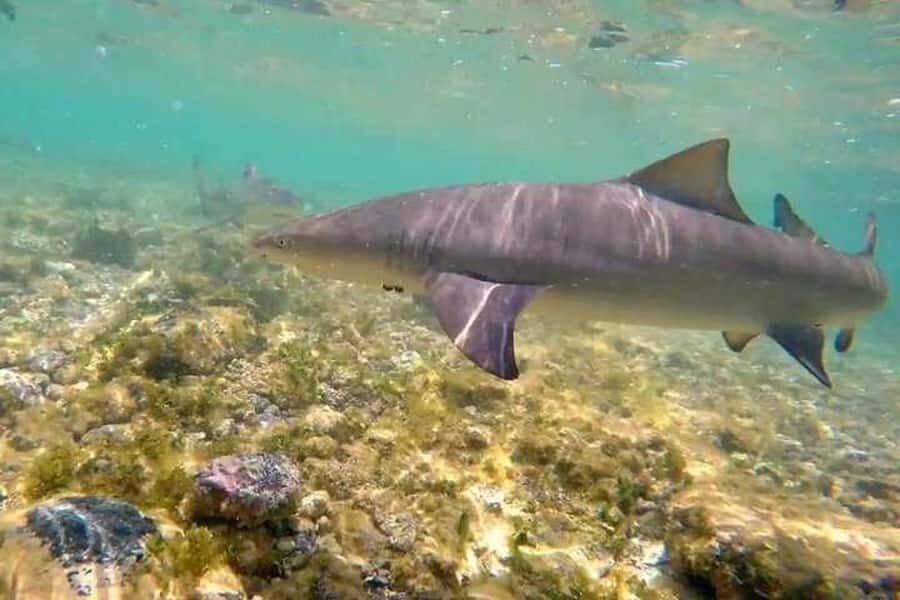
Safety here is mostly about two things: rocky surfaces and controlled movement in the shallows. You’ll be provided water shoes, which are a real help because the walking area can be slippery and uneven.
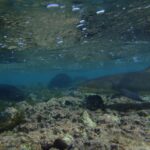
Bring swimwear and treat your legs like you’ll be walking on beach-stone. Multiple guests mention the water reaching around the lower legs or higher depending on conditions, and the bottom can feel like rocky patches rather than smooth sand. Water shoes reduce the stress of “Did I just step on something sharp?” and make it easier for your guide to keep everyone together.
If you don’t have proper shoes, you still get them. That said, I’d still recommend you wear what feels secure to you. Some guests even prefer alternatives like crocs for comfort on rocky areas, but your safest bet is to follow what your guide gives you and what the rocks look like on the day.
Finally, there’s a clear rule: people under the influence of alcohol can’t take part. That’s not just legalese—it’s part of why the experience stays manageable when you’re in/near the water.






Guides, languages, and the personal touch you’ll notice
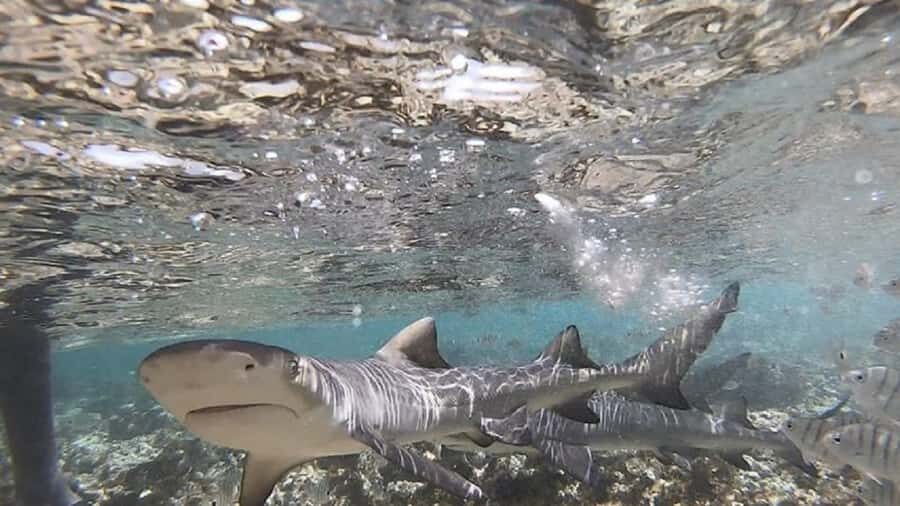
This experience runs with a licensed guide, and the on-water portion is led by staff who manage the shark-viewing approach. One reason guests rate it so highly is that guides don’t just point and wave. They explain what you’re seeing, answer questions, and adjust when someone in the group isn’t feeling totally comfortable.
You can also benefit from guides who are flexible about pace. Some groups are booked as private pairs, and others go solo. In those smaller setups, you tend to get more direct interaction—questions don’t wait their turn, and you can slow down if you need a moment on the rocks.
Language options are strong: live guides are available in English, Portuguese, French, and Spanish. That matters here because shark behavior can get technical fast, and being able to ask questions in your strongest language makes the “why” click.
Names that show up again and again include Said and Chan for on-site shark bay guiding, plus Jose mentioned for guiding/assistance and Nany as another guide who leads with clear, friendly energy. If you’re trying to judge fit before you go, this kind of consistent, human support is part of the real value—especially if you’re not used to close animal encounters.
What your “close encounter” will actually feel like
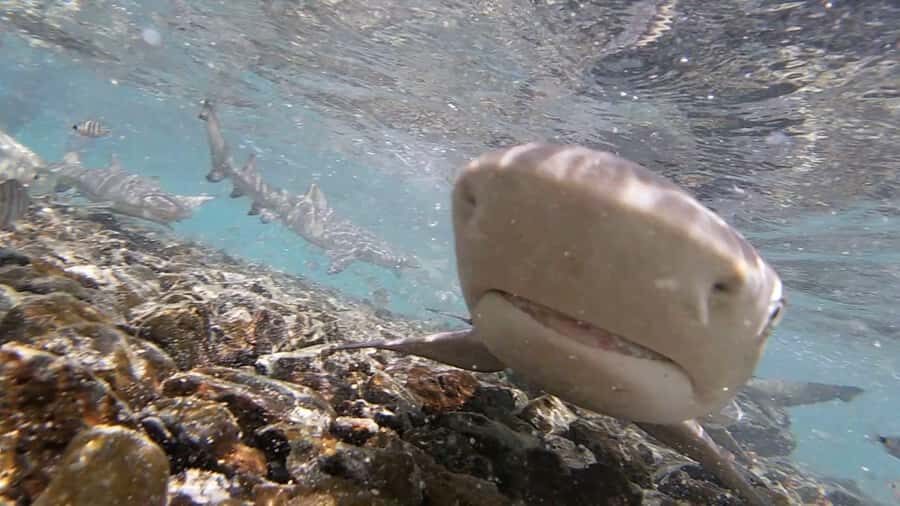
The emotional payoff is usually the closeness. People describe sharks swimming near them, even brushing near legs while they’re in the shallow water. If you’re the sort of person who worries about safety in theory, you’ll probably feel better once you see the calm, structured way it’s run.
At the same time, you should set expectations realistically. This is an ecological encounter at a rookery, not an open-water free-for-all. In some cases, sharks are more active in certain areas, and you’ll see the most action where the guide directs you.
A detail worth knowing: one guide-led approach described is using a bait scent (fish in a plastic bag) to help attract sharks closer. The important part is that this is described as a draw method, not feeding. Even if you don’t see it explicitly, the goal is the same—help sharks approach the viewing area naturally while keeping handling minimal.
If you’re traveling with kids, this tends to land well because it’s short, structured, and visual. If you’re traveling as a couple, it can feel intimate because you’re not stuck on a giant bus schedule for hours. If you’re an older traveler, it can still work, but only if you’re steady on rocky ground and comfortable following guide directions.
Price and value: is $35 for Shark Bay fair?
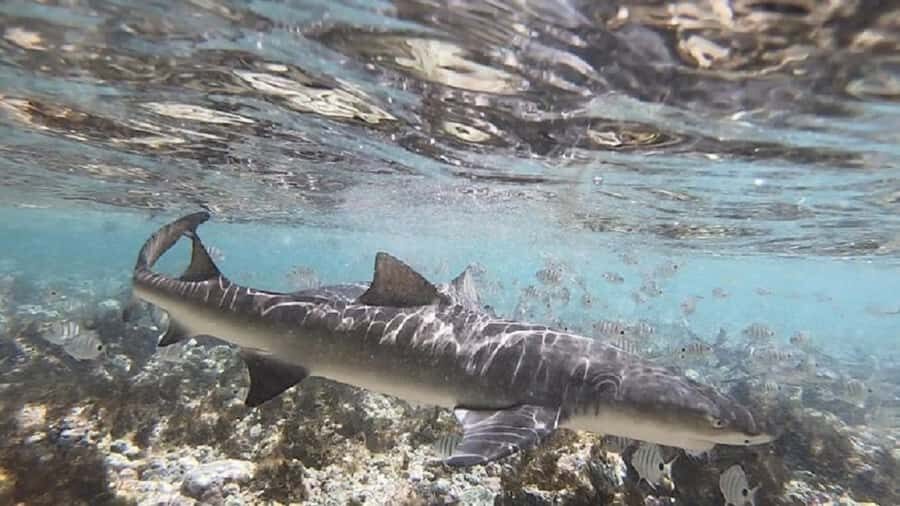
At $35 per person for a 2-hour guided experience with pickup/drop-off, water shoes, and a licensed guide, the value is mostly about what you’re getting packaged together.
Here’s what your money buys:
- Transport with hotel pickup and drop-off from multiple areas
- A licensed guide focused on shark viewing in a specific location
- Safety gear in the form of water shoes
- A short, timed experience (so you don’t burn a whole day)
- A clear guide-led choice between beach watching and water viewing
You might be tempted to think you could save money by going on your own. If you’re a DIY traveler with reliable local transport, that might be possible. But DIY doesn’t usually include water shoes, trained guidance, or the structured shark-viewing approach that helps you make the most of the time you’re there.
Also, the tour is built around convenience: multiple pickup points and a private transportation setup mean you don’t have to coordinate with a taxi chain or figure out timing on the fly. For many visitors, that reduction in stress is the real value.
Who should book this trip (and who should skip)
This is best for you if you want a hands-on, nature-focused encounter with a real species in its own environment. It suits photographers, marine-life lovers, and anyone who likes guided explanations instead of just watching from a distance.
You’ll likely enjoy it most if you’re:
- Comfortable walking on rocky, uneven surfaces with guidance
- Able to go in the water if you choose that option
- Interested in learning how the rookery environment works
It’s not suitable for wheelchair users or people with mobility impairments. That’s because the route involves rocky footing and movement that can’t be easily adjusted.
And if you’re traveling with a strong fear response, start with the beach option. You still get binocular viewing and guidance, and it keeps the encounter within your comfort zone. Then, if you want, you can always reconsider during the briefing—depending on the group and conditions.
A practical packing list for your Shark Bay visit
Keep it simple, because you don’t want to haul extra weight around. Here’s what you should bring:
- Swimwear
- Towel
- Camera (or phone)
- Water shoes (and if you don’t have them, you get them)
- Water
What not to bring: luggage or large bags. That’s more about ease and safety on the beach and in the transport setup.
A small comfort tip: expect warm water. Multiple guests note it feels comfortable in the water, which helps you relax and focus on the sharks instead of the cold. Still, that doesn’t mean you’ll want to stay exposed on shore for long—bring your towel and plan to dry off afterward.
If you need a restroom, there can be a toilet on site with a small fee mentioned by guests. It’s not something I’d plan around, but it’s reassuring to know it exists.
Should you book the Shark Bay Experience from Santa Maria?
Book it if you want a short, guided, and realistic shark encounter where you can choose your comfort level. The combination of pickup logistics, water shoes included, and structured viewing time makes it an efficient use of vacation hours.
Skip it if rocky surfaces are a deal-breaker for you, or if being in or near the water isn’t something you can handle calmly. And if your biggest goal is a deep, open-water swim, adjust expectations: this encounter is about the shallow rookery experience, not an underwater expedition.
One last rule of thumb: if you go, go for the learning as much as the photos. The best part isn’t just seeing sharks—it’s understanding how the lemon shark rookery fits into the wider marine ecology of Sal.
FAQ
How long is the Shark Bay Experience from Santa Maria?
The experience lasts about 2 hours.
Where are the pickup locations?
Pickup is available from Santa Maria, Sal, Murdeira, and Espargos.
What is included in the price?
It includes hotel pickup and drop-off, private transportation, a licensed guide, water shoes, an infant seat, liability insurance, and hand sanitizer.
Is water shoes included?
Yes. Water shoes are included to help with safety and comfort.
Can I watch the sharks from the beach instead of going into the water?
Yes. You can stay on the beach and watch with binoculars, or you can get in the water for closer viewing.
What sharks will I see?
You’ll be looking for lemon sharks, scientifically identified as Negaprion Brevirostris.
What languages are the guides?
Live guides are available in English, Portuguese, French, and Spanish.
What should I bring?
Bring swimwear, a towel, a camera, water shoes (if you want to use yours), and water.
What’s not allowed?
Luggage or large bags are not allowed.
Is it suitable for wheelchair users or people with mobility impairments?
No. It is not suitable for people with mobility impairments or wheelchair users.
Is free cancellation available?
Yes. You can cancel up to 24 hours in advance for a full refund.