REVIEW · SAL
Kitesurf Lessons in Cape Verde
Book on Viator →Operated by Surf Hub Cabo Verde · Bookable on Viator
Kitesurfing starts with the right first steps. This lesson in Sal is built around IKO-qualified instructors and a clear progression from small-kite control to big-kite safety, then water time. I really like that you start on Kitebeach right away, so you’re not wasting the first hour figuring out gear.
What I like even more is the way the team runs it: instructors and assistants focus on keeping the session organized and safe, and they’re set up to help you get comfortable fast. You’ll hear names like Amy (the team lead many people mention) and see how much patience matters in a learning environment.
One consideration: this is for people who can handle moderate physical effort and must be able to swim, and the whole experience depends on good weather. If either of those is a concern, you’ll want to think ahead.
In This Review
- Key highlights to watch for
- Sal’s Kitebeach Lesson Flow: Where You Meet and What Happens Next
- A quick note on timing
- Training Kite on the Sand: The Skill-Building Part That Saves You Later
- Why instructors keep you on the sand first
- Moving to the Big Kite: Safety Systems and Control Under Pressure
- What you’re really practicing at this stage
- Into the Water for Bodydragging: Getting Real Without Getting Overconfident
- The requirement that matters most
- Why IKO-Qualified Schools Feel Different: Instruction Quality You Can Actually Feel
- What “professional” instruction looks like in practice
- Equipment Prep and Private-Group Lessons: Less Waiting, More Learning
- Mobile ticket convenience
- Price in Context: Is $141.14 Good Value for 2 Hours in Sal?
- The real question to ask
- Weather-Dependent Kitesurfing: How to Stay Flexible in Sal
- Should You Book This Kitesurf Lesson on Sal?
- FAQ
- Where does the kitesurf lesson start?
- Where does the lesson take place?
- How long is the lesson?
- What does the lesson include?
- Are the instructors qualified?
- Is it a private activity?
- Do I need to be able to swim?
- What fitness level do I need?
- What days and times do lessons run?
- What if the weather is poor?
Key highlights to watch for
- IKO-qualified instruction from start to finish, not just “watch and copy”
- Training kite first, then big-kite safety systems, so you build the right habits early
- Kitebeach sessions that get you learning in the right conditions from day one
- Water practice includes bodydragging with your instructor before you go for bigger goals
- Small, private group feel (only your group participates)
- Helpful team support, including lift/transport help to Kitebeach mentioned by past guests
Sal’s Kitebeach Lesson Flow: Where You Meet and What Happens Next
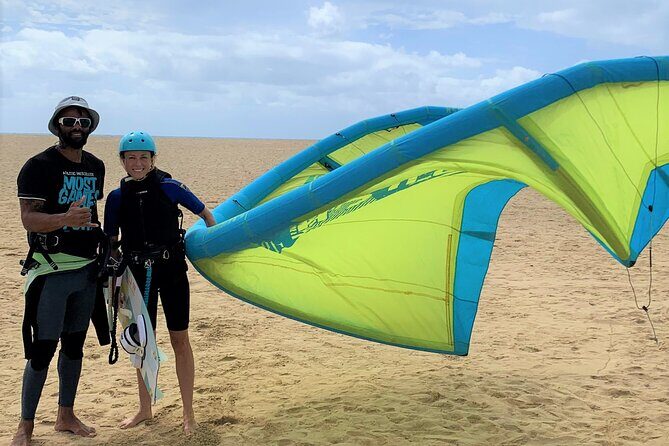
In Sal, the learning doesn’t feel like a long tour where you spend most of the time traveling. You meet at Surf Hub Cabo Verde at Rua 15 de Agosto, Santa Maria 4111, Cabo Verde. From there, the process is simple: you get sorted with your equipment at the shop, then you head over to Kitebeach for the actual learning.
The experience is private, meaning only your group is taking part. That matters for kitesurf lessons because small course corrections make a huge difference. If your kite control is off by a bit, an instructor can adjust faster when you’re not waiting your turn.
The session is also about 2 hours, so it’s not a half-day commitment. That’s a good fit if you’re juggling a busy Sal itinerary, especially if you’re booking multiple activities in a week.
A few more Sal tours and experiences worth a look
A quick note on timing
This school runs lessons Monday to Saturday from 9:00 AM to 4:30 PM. Since kitesurfing depends on wind and conditions, your exact start time is something you’ll want to confirm when booking and when they coordinate your day at the shop.
Training Kite on the Sand: The Skill-Building Part That Saves You Later
Kite lessons often fail when people skip the fundamentals. Here, the beach phase is the whole point.
You’ll start on the beach with a small training kite. The goal is not to be flashy. It’s to learn the basics of kite flying: how it reacts to your inputs, how to control tension, and how to keep the kite behaving while you focus on your body position.
This training step is more than a warm-up. It’s where you learn the cause-and-effect you’ll need later in the water. If you don’t get that part right, big-kite practice can feel chaotic. With a training kite, you can make mistakes cheaply and correct them calmly.
Why instructors keep you on the sand first
Even for experienced athletes, kitesurfing is a new skill system. You’re learning line tension, wind window, and how fast a kite can respond. Starting on sand helps you:
- build basic control before big power enters the picture
- learn how safety checks and handling work at low risk
- get comfortable with the gear you’ll wear in the water
If you’re new, this is the part you’ll be most thankful you did later.
Moving to the Big Kite: Safety Systems and Control Under Pressure
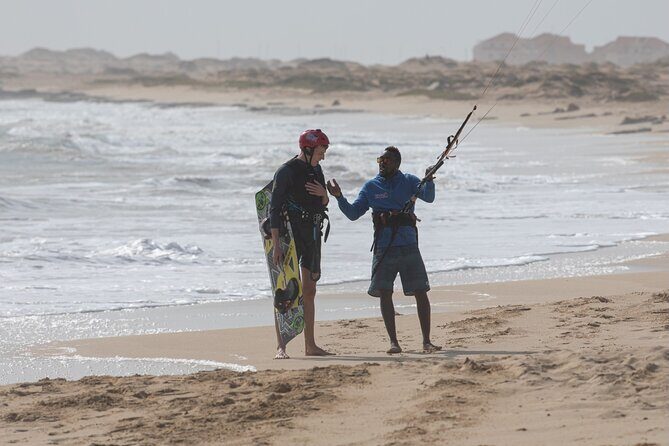
After the training kite, you step up to the big kite. This is where the lesson shifts from “learn how it flies” to “learn how to manage it safely.”
You’ll spend time learning safety systems and skills specific to the bigger kite setup. The big difference is that power arrives faster and the kite can pull harder. The instructor’s job here is to keep your practice structured so you don’t develop unsafe habits while you’re excited (which, let’s be honest, is common).
Past experiences with this school also point to the same theme: instruction feels professional and focused on keeping things safe while still being fun. If you’re the type who worries about doing it wrong, this approach tends to reduce that stress.






What you’re really practicing at this stage
You’re not just learning tricks. You’re learning how to:
- handle the kite with the right routine
- understand your safety workflow
- build control that transfers when you enter the water
That’s what helps people progress, not just a moment of standing on the board (or trying to).
Into the Water for Bodydragging: Getting Real Without Getting Overconfident
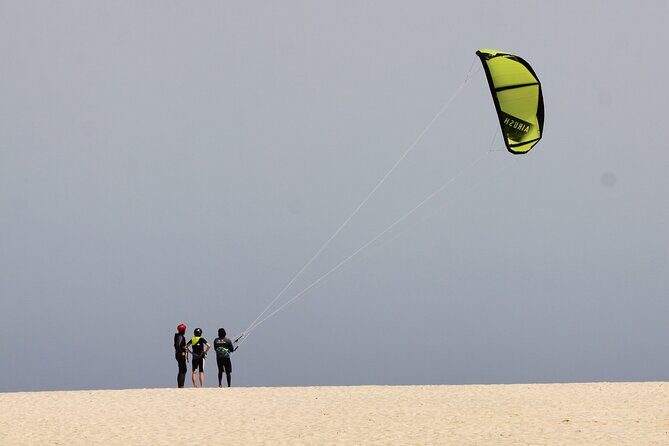
Once the big-kite phase is set, you go into the water with the instructor. The practical highlight mentioned in the course outline is bodydragging with the kite.
Bodydragging is a classic learning step because it gives you traction and feedback without the full complexity of standing, turning, and balancing on a board. You’re learning how the kite pulls, how you manage the lines while moving through water, and how your body position affects control.
The requirement that matters most
Because the lesson includes water time, you must be able to swim. The experience also asks for moderate physical fitness. That doesn’t mean you need to be an athlete, but you should be comfortable with being active in the water, handling gear, and working through short bursts of effort.
If you’re not confident swimming in open water conditions, you may want to build that confidence first. Water practice is where fear becomes extra physical strain, and lessons go better when you can stay calm.
Why IKO-Qualified Schools Feel Different: Instruction Quality You Can Actually Feel
This school is IKO registered, and the instructors are IKO qualified. In kitesurfing, that’s not just a badge. It’s a signal of how the lesson should be structured: safety routines, progression steps, and a teaching style that’s meant to reduce chaos for beginners.
A name that shows up again and again in people’s memories is Amy. Guests describe her team as friendly, accommodating, and helpful with coordination, including arranging or supporting transfers/lifts to Kitebeach. That type of behind-the-scenes help matters more than it sounds. When you’re learning a new sport, being stressed about logistics is wasted energy.
Another instructor name mentioned is Tchu, specifically praised for being patient and exhaustive. That lines up with what a good beginner session needs. You want someone who can repeat the same correction in a way that finally clicks.
What “professional” instruction looks like in practice
From how the lesson is built, it’s clear the school aims for:
- step-by-step progression (small kite → big kite → water)
- safety systems taught early
- an instructor who stays engaged while you try the movements
That combination tends to be what separates a fun experience from a frustrating one.
Equipment Prep and Private-Group Lessons: Less Waiting, More Learning
The lesson includes equipment preparation at the shop before you head out. That’s a small detail, but it’s a big deal in real life. Kitesurf gear is specific, and getting the right setup reduces the chance you start your lesson correcting avoidable mistakes.
Because it’s private, your group doesn’t have to share time with strangers who may be learning at a different stage. It can help you get more consistent coaching. If you’re booking with friends or family, this format can also keep things comfortable and personal.
Mobile ticket convenience
You get a mobile ticket, which is the kind of practical feature that just makes the day smoother. With kitesurfing, you don’t want to spend time solving ticket problems while weather and wind can change.
Price in Context: Is $141.14 Good Value for 2 Hours in Sal?
At $141.14 per person for roughly 2 hours, this lesson sits in the category of paid instruction you should treat as investment-level—because you’re paying for safety, gear handling, and coaching.
What helps the value story here:
- you’re getting IKO-qualified coaching
- instruction includes multiple phases: training kite, big kite, then water bodydragging
- your time is protected by the private group structure
- the team supports you with getting to Kitebeach
If you were only getting a quick look at a kite and a few minutes of play, the price would be harder to justify. But with a structured progression and active coaching across the session, you’re paying for learning time that actually changes your skills.
The real question to ask
Before you buy, ask yourself: do you want help building correct kite control, or do you want to “try it” for novelty? This lesson is clearly aimed at learning the sport properly in a short window.
Weather-Dependent Kitesurfing: How to Stay Flexible in Sal
Kitesurfing isn’t one of those activities where you can force it on bad conditions. This experience requires good weather, and if it’s canceled due to poor conditions, you’ll be offered a different date or receive a full refund.
That flexibility is important when you’re booking a few things in Sal. Keep one day with breathing room if you can. Wind and safety go together, so lesson timing may shift depending on conditions.
Should You Book This Kitesurf Lesson on Sal?
I think you should book this lesson if you:
- want a structured beginner progression with proper safety systems
- feel better when you have qualified instructors guiding your first steps
- can swim and handle moderate physical effort
- prefer a more organized day that includes gear prep and actual instruction time on Kitebeach
I’d hold off or plan carefully if you’re unsure about swimming comfort or if you’re traveling with tight scheduling and zero flexibility, since the sport depends on good weather.
If your goal is to get your basics right—control, safety, and early water practice—this is the kind of lesson that gives you a solid start.
FAQ
Where does the kitesurf lesson start?
You’ll meet at Surf Hub Cabo Verde, Rua 15 de Agosto, Santa Maria 4111, Cabo Verde.
Where does the lesson take place?
The lesson runs at Kitebeach after you meet at the shop for equipment preparation.
How long is the lesson?
It lasts about 2 hours.
What does the lesson include?
You start on the beach with a small training kite, move to a big kite to learn safety systems and skills, then go into the water for instructor-led practice and bodydragging.
Are the instructors qualified?
Yes. The school is IKO registered and instructors are IKO qualified.
Is it a private activity?
Yes. Only your group participates.
Do I need to be able to swim?
Yes. The activity requires that you can swim.
What fitness level do I need?
You should have a moderate physical fitness level.
What days and times do lessons run?
Lessons run Monday to Saturday from 9:00 AM to 4:30 PM.
What if the weather is poor?
If it’s canceled due to poor weather, you’ll be offered a different date or a full refund.