REVIEW · SAL
Sal island: Guided Historical and Cultural Tour
Book on GetYourGuide →Operated by Sal Experiences · Bookable on GetYourGuide
Salt pans and city streets in one calm tour. This guided historical and cultural outing stitches together Salinas de Pedra de Lume, Santa Maria, and the island stories that explain why Sal became Cape Verde’s most tourism-shaped place. I like the way the licensed local guide (my guide was Chan) connects older settlements with what life looks like now, and I love seeing the salt pans’ color shift from turquoise to pinkish white. One heads-up: the tour includes city walking that can add up to 30 to 50 minutes, so you’ll want decent shoes and energy.
After pickup, you’ll move at an easy pace by coach, but you’ll still get out to walk and look—between stops you’re mostly traveling, then suddenly you’re on foot again. Expect a real rhythm: old Pedra de Lume history, the volcanic caldera salt lake, a pass-by at Amílcar Cabral International Airport, then Santa Maria streets, a pier visit, and time for local crafts and flavors.
In This Review
- Key highlights worth aiming for
- Getting started: pickup spots, transport, and the walking reality
- Pedra de Lume (and its 1804 roots) for real island context
- Salinas de Pedra de Lume: the caldera salt lake and its shifting colors
- Amílcar Cabral International Airport: the aviation thread on Cape Verde
- Espargos arts & crafts and Santa Maria’s streets and pier
- Water Route, cultural festival items, and local flavors with sea views
- Price and value: what $94 buys you for 4 hours on Sal
- Who this tour suits best (and who should think twice)
- Should you book Sal’s Historical and Cultural Tour?
- FAQ
- FAQ
- How long is the Sal island guided historical and cultural tour?
- Where can I get picked up?
- What does the tour include?
- What languages is the live guide available in?
- Is there a lot of walking?
- Is this tour wheelchair accessible?
- What should I bring for the tour?
- Is there anything I should not bring?
- Does the tour include food and drinks?
Key highlights worth aiming for
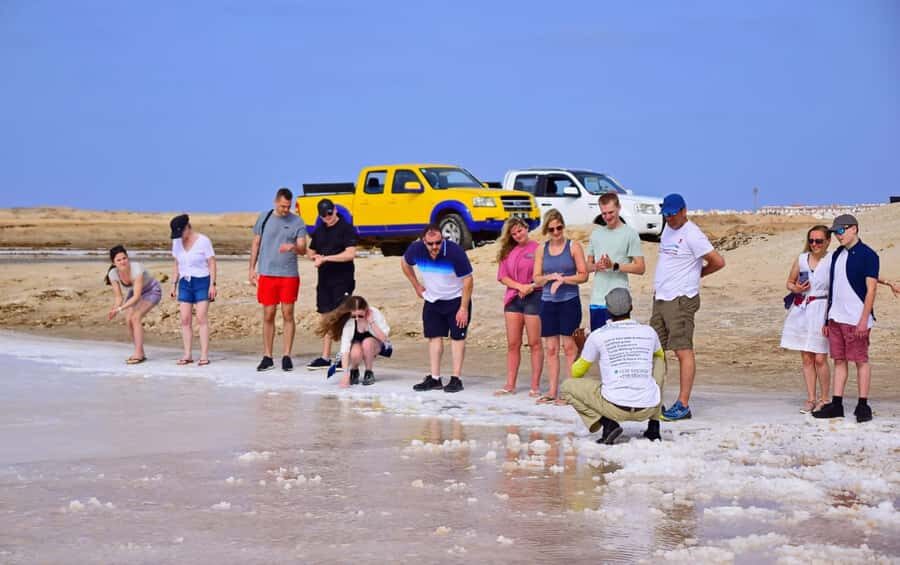
- Salt lake in a volcanic caldera at Salinas de Pedra de Lume, the only one of its type described in the tour details
- A guide named Chan who answers questions about Cape Verde life then and now
- Santa Maria walking time for historical spots, local handicrafts, and street-view photos
- Cultural-festival context through festival accessories and replicas of old utensils
- Food included: refreshing local juice, an aperitif, plus a snack with sea views
Getting started: pickup spots, transport, and the walking reality
This is a 4-hour tour on Sal with hotel pickup and drop-off, designed for convenience. You can be picked up from one of four main areas: Santa Maria, Sal, Espargos, or Murdeira. If you’re staying elsewhere (like an Airbnb), you can coordinate a pickup location in advance with the provider, as long as it’s agreed beforehand.
You’ll travel by bus/coach between stops—first a roughly 30-minute stretch, then shorter drives as you work through the day. The “how much effort?” part is the key thing to understand before you book. You’ll do a moderate amount of walking through city streets, and the tour notes a 30 to 50 minute walk total. That’s not a mountain hike, but it’s enough that you’ll feel it after the salt pans and pier time.
Also note the restrictions: no luggage or large bags. If you’re doing this on a day trip right after moving hotels, plan on keeping your carry-on minimal and easy to manage in a vehicle.
You can also read our reviews of more guided tours in Sal

Pedra de Lume (and its 1804 roots) for real island context
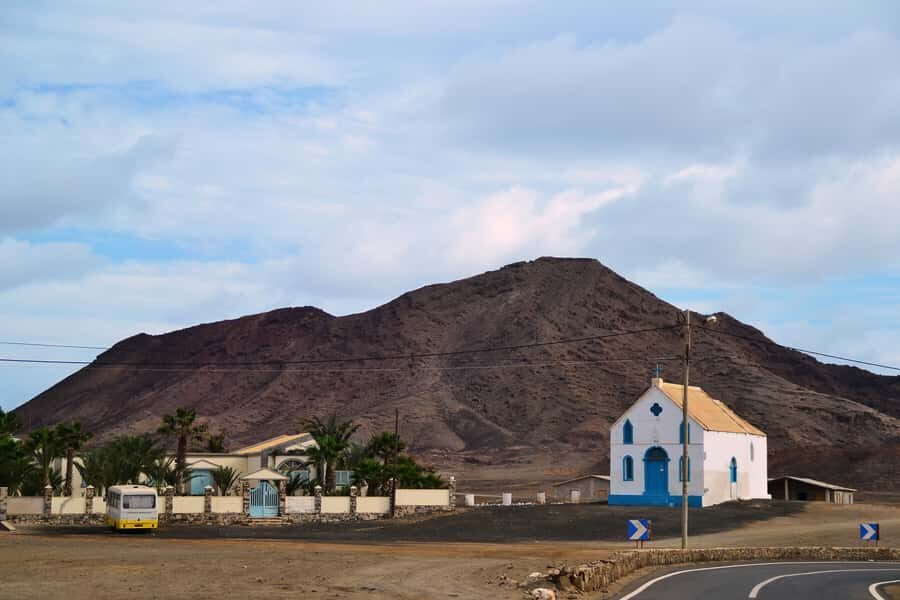
Your day begins with a stop at Pedra Lume, the oldest settlement area on Sal, founded in 1804 by Manuel António Martins. This matters more than it sounds. Sal is often sold as sun and beaches, but the older settlement story puts the island’s tourism growth into perspective—you start to see why people settled where they did and how those patterns shaped daily life.
You’ll take a walk through the locality, guided the whole time. That’s where the tour earns its “history and culture” label: it’s not just a drive-by view. You get to slow down, look at the sights, and understand how the area worked as a community. The best part of this segment is how it sets you up for what you’ll see next. The salt pans aren’t just a photo stop; they’re the island’s big industrial and environmental story.
The time on foot here is also a good warm-up for what comes later. You’ll have photo moments on the way in, and the short walk helps you settle into the day before the more intense salt-pan walking.
Salinas de Pedra de Lume: the caldera salt lake and its shifting colors
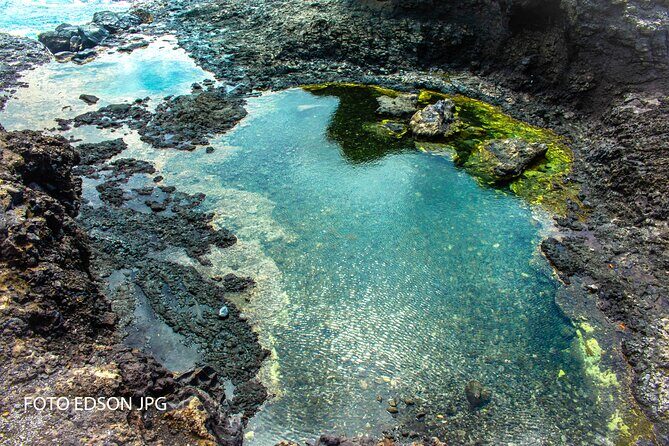
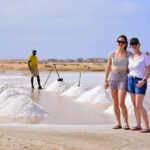
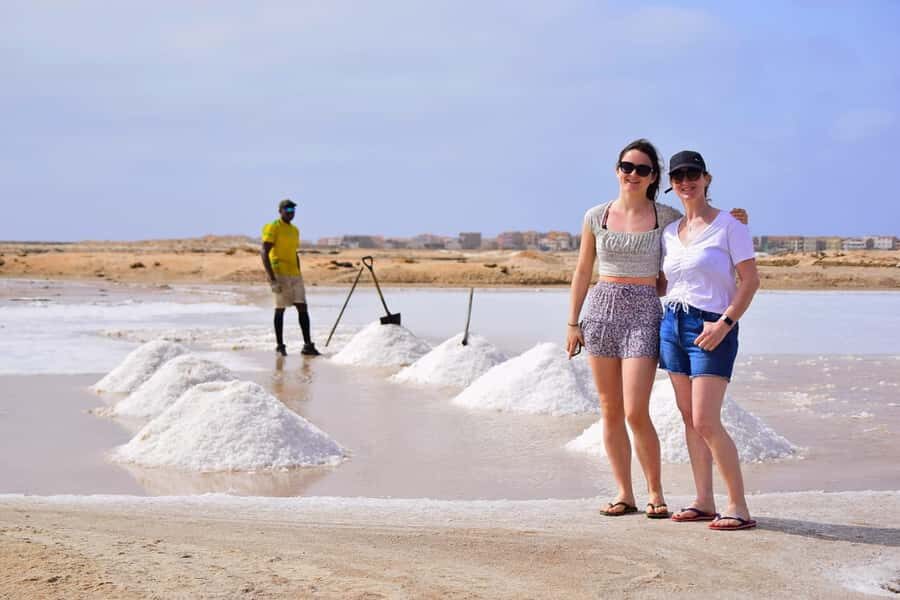
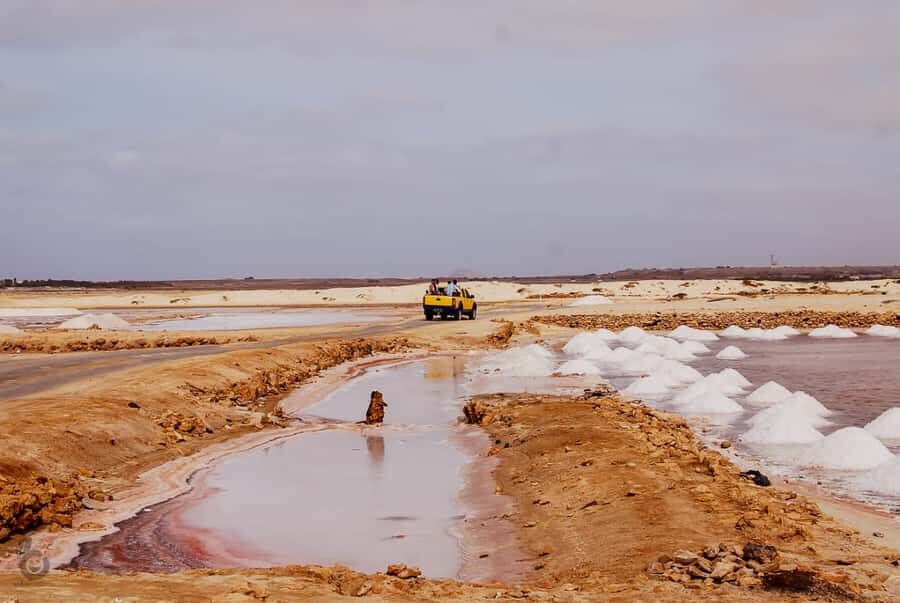
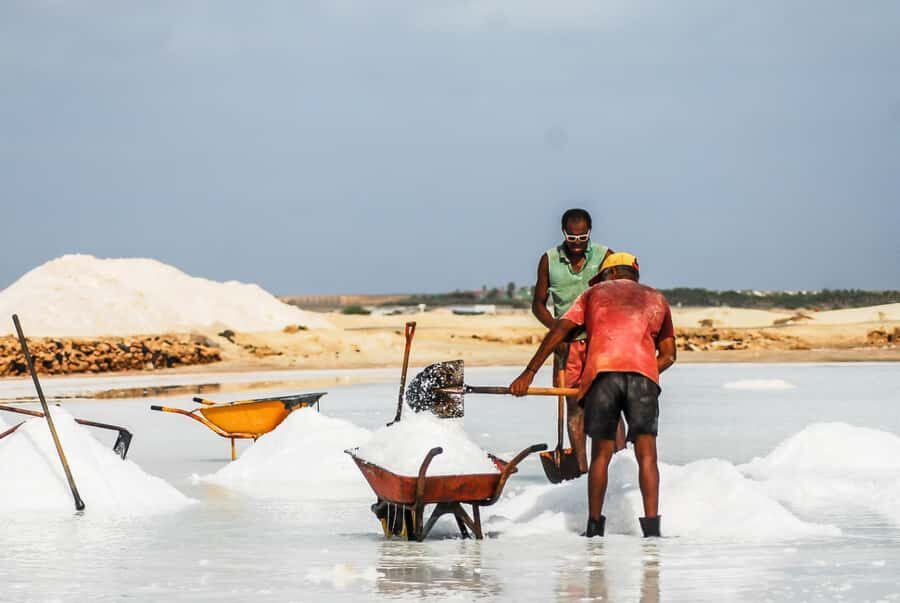
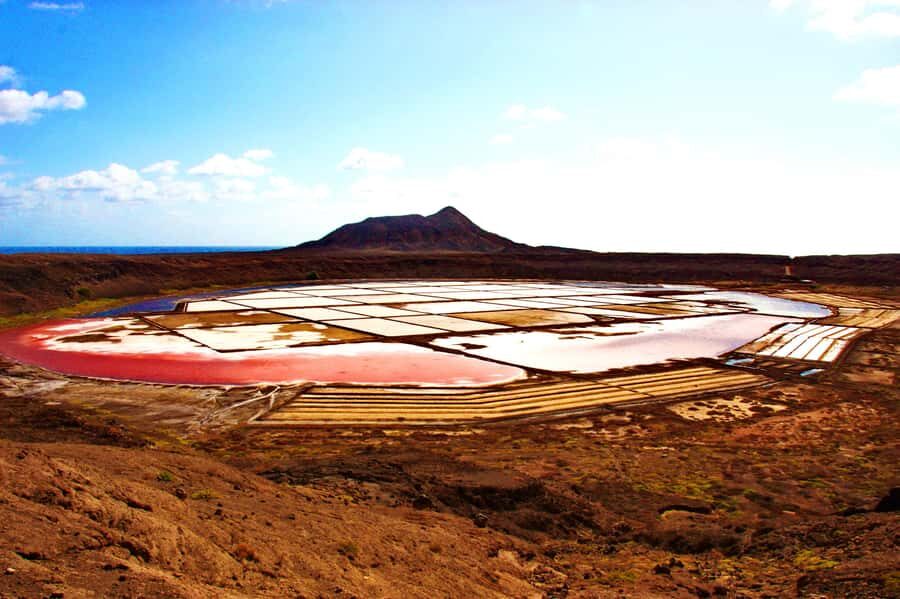
Then comes the star: Salinas de Pedra de Lume. The tour describes it as the only saline in the world located inside the caldera of a volcano—an unusual setting that turns a saltworks visit into something closer to a geological and cultural experience. You’ll have time to take photos, then a guided tour and walk through the area.
What I think you’ll really remember is the color. The salt-covered soil here can range from turquoise to pinkish white, and it’s not just about looking pretty. Those color shifts give you a quick, visual lesson in how the environment works—like the island is constantly “changing the palette” even when you’re standing in the same place.
This site is also described as a protected area and tied to heritage recognition: it’s been elevated to National Natural, Historical and Cultural Heritage, and it appears on Cape Verde’s indicative list for UNESCO. That adds weight to your visit. You’re not just touring a working feature; you’re seeing a place treated as meaningful to national identity and natural history.
A practical note: the salt pans can be visually bright and reflective. Bring sunscreen and sunglasses, and keep an eye on the ground underfoot. Comfortable shoes are a must, especially if the surface feels uneven.
Amílcar Cabral International Airport: the aviation thread on Cape Verde
After Pedra de Lume, you’ll head toward Amílcar Cabral International Airport (the tour specifies a driving route). The airport stop is described as a guided pass-by with stories about the airline industry in Cape Verde.
This is the kind of stop that’s easy to skip past if you only came for the salt and beaches. But it actually helps connect the dots. Sal didn’t become a tourism hub by accident—air access and travel patterns shape everything from hotel growth to how Cape Verde brands its destinations. Even a short pass-by can give you a clearer framework for the island’s development.
You’re not meant to wander the airport. Think of it as a brief “how the island is connected” moment before you return to street-level culture.
Espargos arts & crafts and Santa Maria’s streets and pier
The tour moves on with photo and guided time in Espargos, including an arts & crafts market visit. This part is valuable because it’s practical: you get a sense of what people make, what sells, and how local crafts show up in everyday life. The guided element matters here, since the tour specifically mentions learning how to identify local handicrafts.
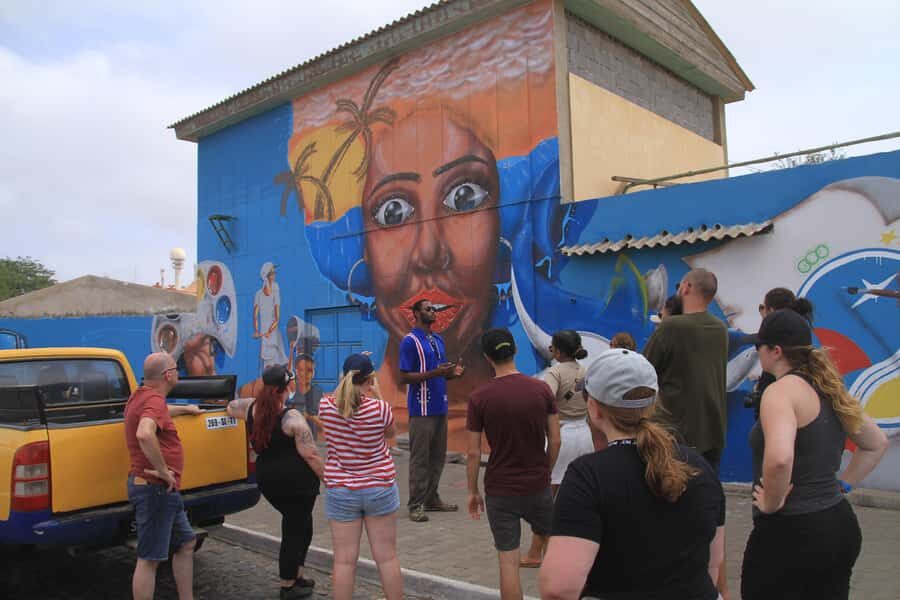
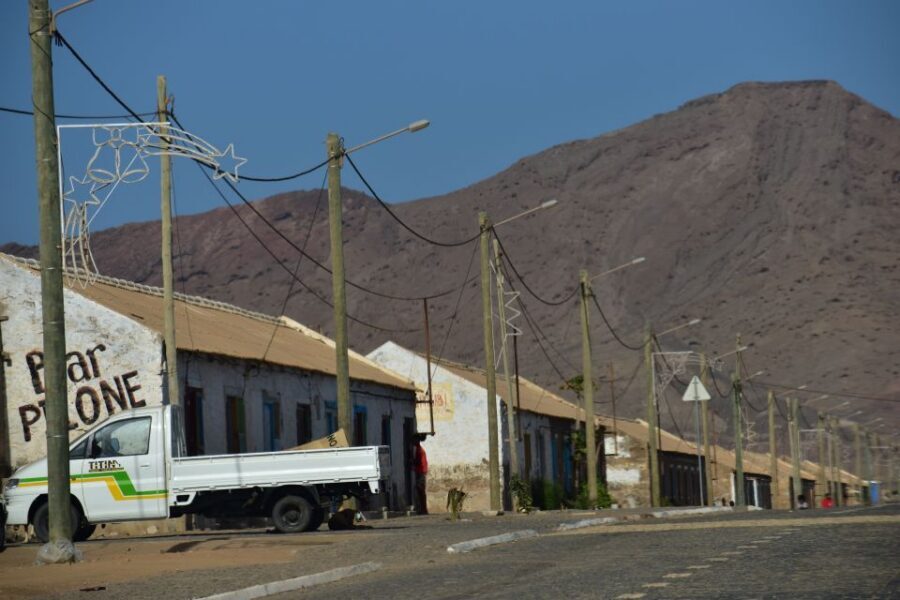
Then you shift into Santa Maria, with photo stops and guided exploration through the main streets. This is where you get a different kind of history—less about one big attraction and more about how a town feels and functions. You’ll discover historical places and walk through areas tied to the city’s story.
Shopping is also part of this segment, but you’re not just free to browse. The guidance is meant to help you separate “souvenir” from pieces with local roots. If you care about buying thoughtfully, this is one of the better ways to do it in a short time.
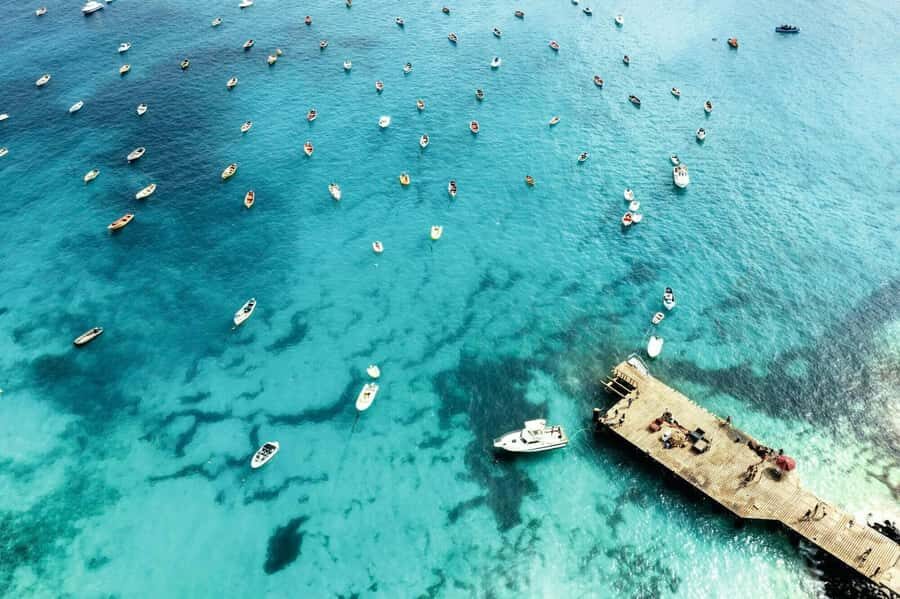
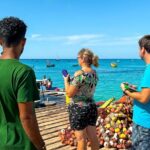
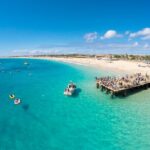
You’ll also visit the Santa Maria pier. A pier stop sounds simple, but it gives you a clean view of the town’s coastline rhythm. It’s a natural place to pause, look out, and let the day breathe before the cultural-food portion.




Water Route, cultural festival items, and local flavors with sea views
This is where the tour turns from “sights” to “how people live.” After Santa Maria exploration, you’ll visit the Water Route and experience local flavors. The tour ties this to one specific theme: how the lack of an essential good was overcome on Sal.
Even without heavy technical detail, this kind of stop helps you understand the island beyond climate and beaches. Water management is one of the hidden forces shaping everyday life—so learning the story makes the island feel less like a postcard and more like a real place with real constraints.
Then you get cultural festival context. The tour mentions learning about cultural festivals and seeing accessories used in these festivals, along with replicas of older utensils. That’s a smart addition because it connects heritage to recognizable objects. You can look at festival items and immediately picture their role—something you can’t do when you only hear stories.
Food comes in right at the end, and it’s included: a snack with local flavors in a restaurant with great sea views. You’ll also get a refreshing local juice and an aperitif earlier in the day. This is good value because it reduces the number of meals you have to plan on your own during a tight schedule.
Price and value: what $94 buys you for 4 hours on Sal
At $94 per person for a 4-hour guided tour, you’re paying for three things: guided storytelling, transportation convenience, and included refreshments.
Guiding is the big difference-maker. With a licensed local guide and time at multiple points—Pedra Lume, the salt pans, town streets, a market, and festival-related context—you’re getting interpretation, not just movement. My favorite part was how Chan could answer questions about Cape Verde life across time, which makes the history feel usable instead of academic.
Transportation matters too. Pickup and drop-off from multiple areas, plus private transportation, saves the hassle of arranging your own car or rides for a short day. You also get a private group option, which can help if you want a quieter pace or more personal question time.
Finally, the included food and drinks improve the effective value. Between the local juice, an aperitif, and the snack, you’re covered for the “I need something now” moments. It’s not a full day of dining, but it reduces your on-the-go spending and keeps you fueled.
Who this tour suits best (and who should think twice)
This is a strong choice if you want a history-and-culture focus without committing to a long day. You’ll enjoy it if you like guided walking, local crafts, and seeing Salinas de Pedra de Lume in a way that includes meaning—not just a quick photo.
It’s less ideal if you need wheelchair accessibility; the tour explicitly says it’s not suitable for wheelchair users. It may also feel tight if you don’t like walking. The tour is manageable for most people with a moderate fitness level, but you should plan for that 30 to 50 minute walk total.
One more practical point: pack light. The tour doesn’t allow luggage or large bags, and that can affect what you bring if you’re traveling with extra stuff.
Should you book Sal’s Historical and Cultural Tour?
I’d book it if your trip to Sal feels too beach-only and you want the island’s “why” alongside the “what.” This tour does a nice job threading together salt-caldera heritage, town history, and even festival objects and water-related problem-solving—so you leave with more than a sunburn and a few photos.
Book it especially if you like asking questions and getting real answers. With a knowledgeable guide like Chan, the salt pans and Santa Maria stops become clearer and more rewarding. If walking tires you easily or you need wheelchair access, you’ll want to pick a different kind of outing.
FAQ
FAQ
How long is the Sal island guided historical and cultural tour?
The tour lasts 4 hours.
Where can I get picked up?
Pickup is offered from Santa Maria, Sal, Espargos, and Murdeira. You can also arrange pickup from another location previously agreed with the customer.
What does the tour include?
Hotel pickup and drop-off, private transportation, a licensed local guide, liability insurance, a baby seat (0–4 years), and a snack and drinks are included.
What languages is the live guide available in?
The live tour guide is available in English, French, Spanish, and Portuguese.
Is there a lot of walking?
Yes. The tour involves a moderate amount of walking through the city, noted as 30 to 50 minutes. Comfortable shoes help.
Is this tour wheelchair accessible?
No. The tour is not suitable for wheelchair users.
What should I bring for the tour?
Bring comfortable shoes, sunglasses, a hat, sunscreen, and water, plus comfortable clothes.
Is there anything I should not bring?
You should not bring luggage or large bags.
Does the tour include food and drinks?
Yes. You get a refreshing local juice, an aperitif, and a snack with local flavors, along with drinks.