REVIEW · MINDELO
Mindelo Cultural: city tour with live music and dance class
Book on GetYourGuide →Operated by Mindelo Cultural · Bookable on GetYourGuide
Mindelo has a way of making history move. On this tour, you get live music and a real dance class tied to what you’re seeing around town. I love that the morning isn’t just facts on a wall—it’s rhythm, body, and context, taught by a school tied to Noelisa Santos. One drawback to consider: you’ll be on your feet for a walking tour and a dance session, so it’s not a fit if mobility is an issue.
What really makes this experience work is the mix of stops: the marina, key sights like Praça Estrela, and even a stop focused on Césaria Évora before you switch gears to learning the dances. I also like the pacing—snackable sightseeing, then a concert, then practice, then a final stroll back. If you’re hoping for a quiet, museum-style tour, this one may feel a little too active.
You’ll meet your guide in front of the Ouril Hotel Mindelo, and from there it’s straightforward: walk, listen, learn, dance, and head back on time. Bring comfortable shoes and water, because Mindelo sun and sidewalks don’t care about your “just for a photo” plans.
In This Review
- Key Things You’ll Notice on This Mindelo Cultural Tour
- Entering Mindelo Through Motion: Why This Tour Feels Different
- Ouril Hotel Start and the Mindelo Marina Walk
- Césaria Évora, Praça Estrela, and the Market Hall Stop
- The 30-Minute Concert: Listening Before You Move
- The Six-Rhythm Dance Lesson With Noelisa Santos Support
- The Old Town Stroll Back to Ouril Hotel (and What to Look For)
- Price and Value: Is $141 Worth It?
- Who This Tour Suits Best (and Who It Doesn’t)
- Practical Tips So Your Day Stays Fun
- Should You Book the Mindelo Cultural City Tour?
- FAQ
- Where does the tour start and end?
- How long is the Mindelo Cultural city tour?
- What’s included in the price?
- Is food included?
- What languages is the tour guide available in?
- What happens during the music part of the tour?
- Does the dance class teach multiple rhythms?
- Is the tour suitable for wheelchair users or people with mobility impairments?
- What should I bring?
Key Things You’ll Notice on This Mindelo Cultural Tour
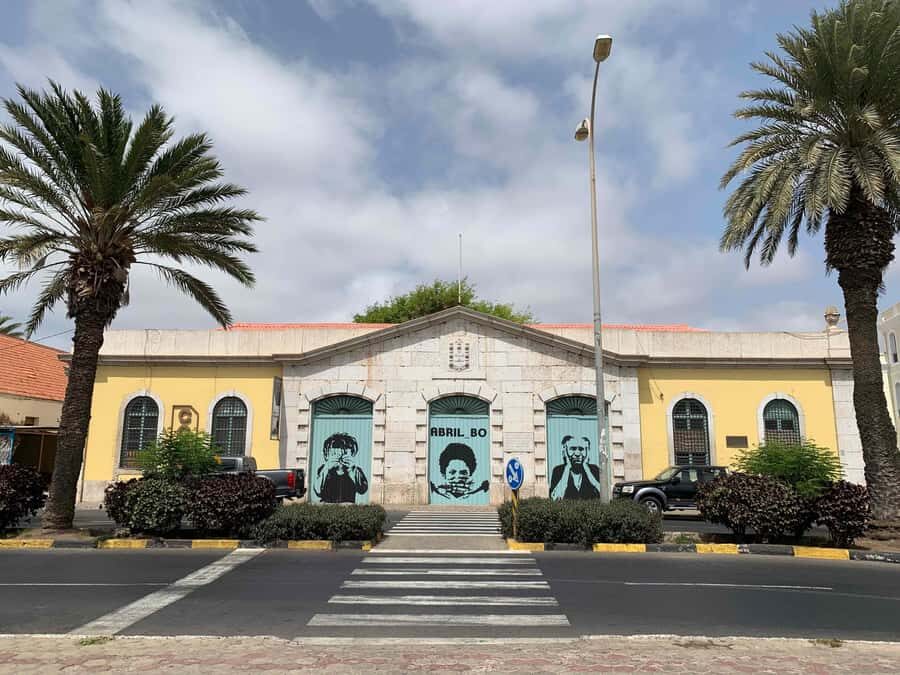
- A city walk built around named landmarks instead of random streets
- Live Cape Verdean rhythms with a professional musician
- A structured dance lesson for six rhythms (not just a demo)
- Césaria Évora and Praça Estrela context folded into the stroll
- Support for the dance school of Noelisa Santos
- Patient instruction if you’re a beginner with rhythm and coordination
Entering Mindelo Through Motion: Why This Tour Feels Different
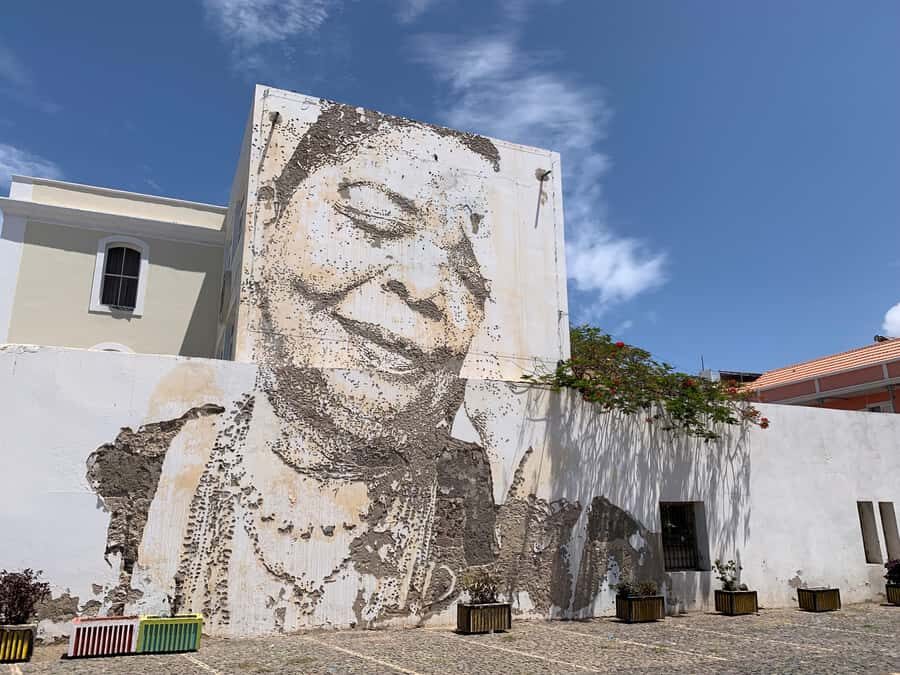
This isn’t a “stand here, take a photo, move on” tour. It’s built to connect places with Cape Verdean music and movement, so your ears and eyes start working together. You’ll hear rhythms first, then you’ll try them—slowly at the start, then with more confidence as the lesson goes on.
If you’ve been to a lot of city tours where you’re just collecting buildings, you’ll probably like the change of pace. Here, you’re learning something physical. That matters because it helps you remember what you saw. You don’t just walk past cultural references—you carry them in your body for the rest of the day.
Also, the experience is practical. You’re not stuck guessing how to pronounce names or which parts are important. Your guide walks you through what connects to Cape Verdean culture, then you get the music-and-dance part with an instructor working alongside a musician.
The tone is friendly and hands-on, even if you’ve never danced before. The tour doesn’t demand perfection. It’s more about getting the steps and understanding the rhythm patterns than performing like a pro.
You can also read our reviews of more city tours in Mindelo



Ouril Hotel Start and the Mindelo Marina Walk

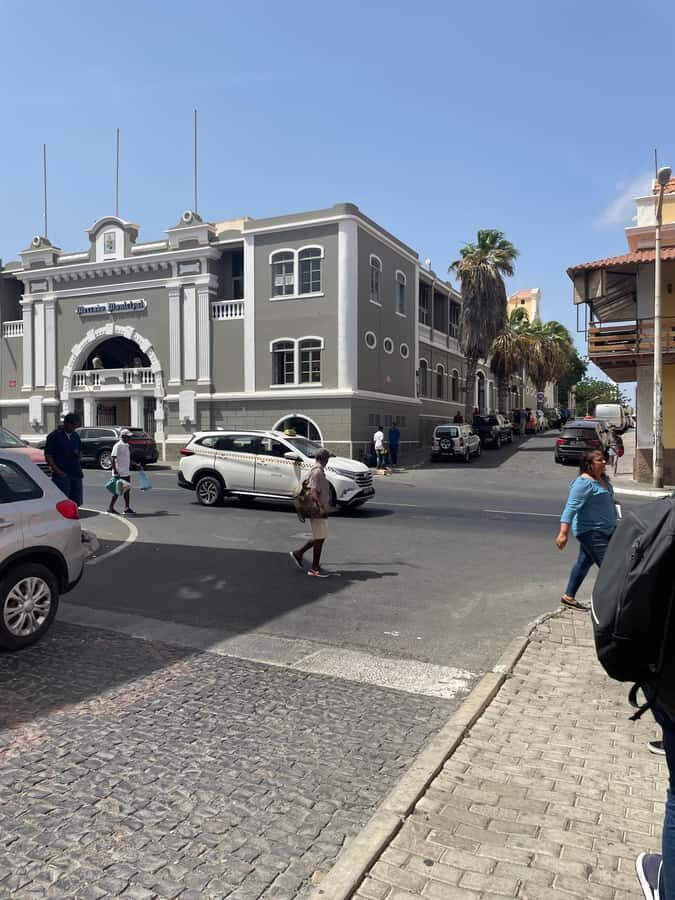
You begin at the Ouril Hotel Mindelo, and your guide is waiting there with Mindelo Cultural pins. From the start, the setting makes sense: you’ll head along Mindelo’s marina area, where the town’s energy is easy to read. It’s an approachable warm-up before you get into older streets and more specific historical landmarks.
This first stretch is about getting oriented. You’ll be walking with a guide who points out what to notice as you go—building shapes, local architectural influences, and the mood of the area. In one recent experience, the walk was described as nicely paced, which is exactly what I’d hope for on a tour that includes dancing later. If the walk wears you out too early, the rhythm lesson won’t feel fun.
A small thing that helps: you’ll get a clear plan for the day. The tour flows from sightseeing to music to class, then back to town. That makes it easier to relax and just enjoy each stage, instead of wondering how long each stop will last.
The main thing to watch is the obvious one. You’ll want comfortable shoes because you’re not just strolling for the views—you’re moving with the group, and you’ll do it more than once.
Césaria Évora, Praça Estrela, and the Market Hall Stop
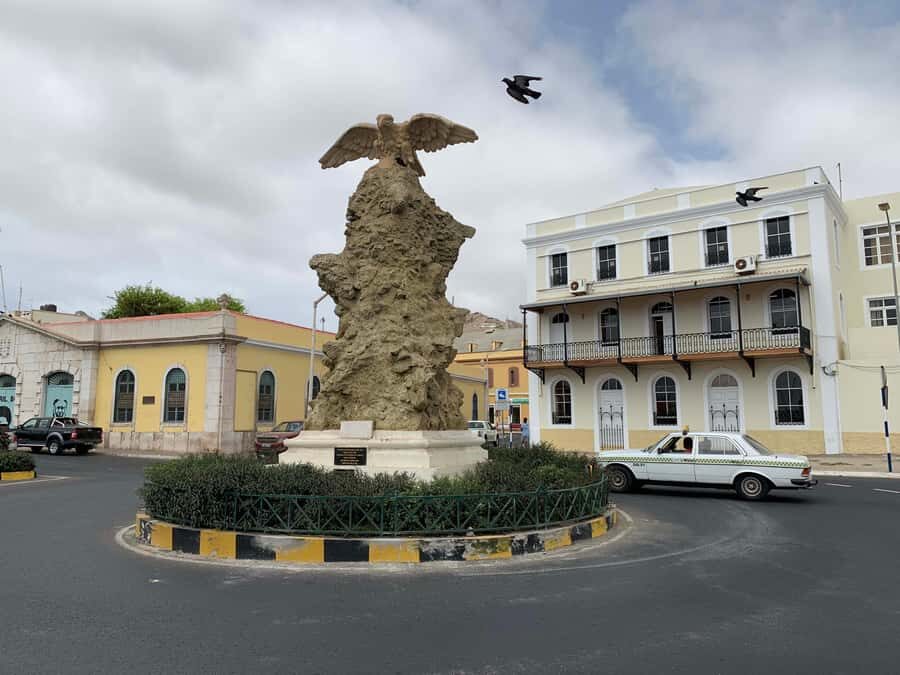
After the marina introduction, you shift into sights with stories. One highlight is learning about the biography of Césaria Évora, the famed Queen of Morna. Even if you only know her from a couple songs, this kind of context helps you hear the music differently afterward. Morna and Cape Verdean rhythms aren’t random sounds when you connect them to real people and real history.
Another stop is Praça Estrela, described as having a surprising history. This is where the tour earns its keep if you like architecture and city layout. A town square isn’t just a place to pass through—it’s a stage. And understanding why it matters gives you better recall for what you’ll see.
Then there’s the market hall. You won’t just stroll through and move on. You’ll get a look at local delicacies at the market hall, which is a great “taste of the culture” moment even though food itself isn’t included. I like this stop because it’s low pressure. You can browse and decide what you want later, instead of feeling forced into a specific meal.
One practical consideration: because food isn’t included, you may want to plan your own snacks. If you tend to get hungry during morning tours, bring something small from your hotel before you head out—especially since you’ll be mixing walking and a longer dance session afterward.
The 30-Minute Concert: Listening Before You Move
Next comes live music, a 30-minute concert with a musician playing traditional Cape Verdean rhythms. This matters more than it sounds. When you hear the rhythms live, you understand the “why” behind the steps you’ll practice later.
The concert also gives you a mental model. You start noticing the pattern and the feel of the rhythm, instead of just counting beats. And since you’ll be moving soon after, it helps to have a sound reference in your head.
I also like that the concert is short. You get the experience without losing the momentum of the tour. The goal isn’t to turn this into a long music night. It’s to support the dance lesson that follows.
If you’re the type who needs to warm up, the concert is perfect. You can watch the musician and feel the rhythm before trying to reproduce it yourself. Even if you start stiff, that live listening phase is a big confidence builder.
The Six-Rhythm Dance Lesson With Noelisa Santos Support
The tour’s heart is the dance class: you’ll learn to dance to six Cape Verdean rhythms with guidance from a local dance instructor while a professional musician plays along. The class is designed as real instruction, not a one-time “try a step and go” stunt.
The time block is substantial: the provided dance instruction totals about an hour, with the overall class session running around 105 minutes. That extra time matters. It gives room for explanation, repetition, and learning the transitions—those parts that usually trip up beginners.
Here’s where this tour shines for people who don’t dance much. One participant noted that it started a bit awkward, then—thanks to the instructor’s patience—it began to look like something. That’s a good sign. The lesson is set up to work with your actual skill level, not against it.
Also, the class is done outdoors, so you’re getting the feel of the place. In Cape Verdean music and dance, the atmosphere matters. You’re not in a sealed studio where the sound and movement get flattened. You’re learning in a real town setting, with the rhythm carried by live music.
You should expect:
- Learning steps tied to each rhythm, rather than just one generic dance
- A focus on rhythm and timing more than perfect posture
- A musician playing with the class so you’re not guessing when to move
The tour also points out you’re supporting the dance school of Noelisa Santos. That adds real value beyond the “fun factor.” You’re putting your money into keeping cultural teaching alive, which feels better than paying for a one-off performance.
One drawback to mention: if you strongly dislike dancing or feel self-conscious, this part may stress you out. The tour is built for participation, and you’ll be asked to join in.





The Old Town Stroll Back to Ouril Hotel (and What to Look For)

After the class and the concert, you don’t just drop people at the end. You head back through the picturesque old town with another short walk segment before arriving punctually back at the starting point at Ouril Hotel Mindelo.
This final stroll is a nice “processing” window. After dancing, you’ll likely notice details you missed earlier—street textures, small architectural features, and how the town’s old areas connect back to the landmarks you learned about. It’s the part of the tour where the cultural threads start feeling connected.
This is also when you can slow down mentally. The first walking portion sets context. The concert adds sound. The dance class adds movement. The last walk turns it all into memory you can carry.
Don’t underestimate walking time again. Your day ends with you back on foot, so keep your shoes comfortable through the final stretch.
Price and Value: Is $141 Worth It?
At $141 per person for about 210 minutes, this tour isn’t the cheapest option. But it’s also not “one thing, stretched out.” You’re buying three distinct experiences in one package: a guided city walk, a live concert, and a dance class focused on six rhythms with a musician.
That combination is where the value comes from. Many tours give you one cultural activity and sprinkle in a bit of walking. Here, the walking is tied directly to the culture lesson, and the music is tied directly to the movement practice.
You also get multilingual guiding support. The guide can work in English, Portuguese, French, or German. That helps you feel comfortable with the historical storytelling and makes it easier to ask questions in the language you actually think in.
If you want to spend less time “deciding what to do” and more time actually experiencing music and dance, this is a smart use of time. You’re not booking separate activities and hoping they fit together. They’re built to flow in the same day.
The only real value-flag for me is food. Food and drinks aren’t included. If you tend to budget tightly, plan for at least a drink or snack, especially because you’ll be walking and dancing for most of the afternoon.
Who This Tour Suits Best (and Who It Doesn’t)
You’ll likely love this tour if you’re:
- Curious about Cape Verdean culture and want context tied to real places
- Interested in live music and want to hear rhythms before learning them
- Open to trying dance even if you’re not confident at all
You might skip it if:
- You want a quiet, seated sightseeing day
- You dislike group participation
- You need wheelchair access or mobility-friendly conditions
The tour isn’t suitable for people with mobility impairments or wheelchair users. Since there’s a walking city tour plus a dance class, it’s best to be realistic about physical demands.
But if you can walk comfortably and you’re willing to join in—even just with your best effort—this experience has a kind of joy that’s hard to replicate with a standard city tour.
Practical Tips So Your Day Stays Fun
Bring comfortable shoes. You’ll be walking multiple sections, and you’ll want stable footing once dance practice starts.
Bring sun hat and sunscreen. Cape Verdean sun can be strong, and you’re outdoors during the class. Keep water handy too. The tour includes a request to bring water, and I’d treat that as a must, not a suggestion.
Wear clothes that allow movement. Even beginners need enough freedom to step, shift weight, and follow rhythm cues.
Finally, plan food on your own. You’ll see local delicacies at the market hall, but you should not expect the tour price to cover meals. If you’re the kind of person who likes to eat right after a dance lesson, decide where you’ll go next before you’re tired.
Should You Book the Mindelo Cultural City Tour?
Book it if you want one afternoon that mixes Mindelo sightseeing, live traditional music, and a hands-on dance lesson for six Cape Verdean rhythms. It’s especially worth it if you enjoy learning through doing, not just watching.
Skip it if you’re mobility-limited or if you’re looking for a calm, passive tour. This one asks for participation, and that’s the whole point.
If you’re thinking, I can dance a bit / I’m curious about Cape Verdean rhythms, then this tour is a strong pick. For a single price, you’ll get context, music, and movement in one well-paced day.
FAQ
Where does the tour start and end?
The tour meets at Ouril Hotel Mindelo. It also returns to the same starting point at the end.
How long is the Mindelo Cultural city tour?
The total duration is 210 minutes.
What’s included in the price?
You get a 2.5-hour cultural city walk and a 1-hour dance class of six traditional rhythms accompanied by a musician.
Is food included?
No. Food and drinks are not included.
What languages is the tour guide available in?
The live tour guide is available in English, Portuguese, French, and German.
What happens during the music part of the tour?
You’ll enjoy a live concert with a musician playing traditional Cape Verdean rhythms.
Does the dance class teach multiple rhythms?
Yes. You’ll learn to dance to all six Cape Verdean rhythms.
Is the tour suitable for wheelchair users or people with mobility impairments?
No. It’s not suitable for people with mobility impairments or wheelchair users.
What should I bring?
Bring comfortable shoes, a sun hat, sunscreen, and water.