REVIEW · MINDELO
Cape Verde – Santiago, Fogo, São Vicente & Santo Antão Islands 11 Days
Book on Viator →Operated by Bu Country Tours · Bookable on Viator
Cape Verde feels like a set of postcards that won’t sit still. This 11-day island-hopping trip ties together UNESCO Cidade Velha, the volcanic heart of Pico do Fogo, and the greener interior of Santo Antão in one smooth circuit from Praia to Mindelo. I love that the schedule mixes geology-scale scenery with real village life, and I also love that logistics are mostly handled for you: door-to-door pickups, domestic flights, and the ferry between São Vicente and Santo Antão.
One thing to think about up front: the hiking days aren’t all equal. You’ll have an easy option on Santiago, but Fogo’s Pico do Fogo climb is labeled difficult and involves steep, narrow, ash-covered footing—so plan your fitness accordingly and respect the early starts.
In This Review
- Key things to know before you go
- Entering Cape Verde through a real island-hopping route
- Price and logistics: what $2,719.11 buys you
- Santiago on foot: Cidade Velha, valley trails, and colonial corners
- Day 2: Calabaceira valley hike + the UNESCO old town
- Day 2 hiking reality check
- Serra Malagueta to Tarrafal: markets, park birds, and beach time
- Flying to Fogo: São Filipe and Chã das Caldeiras
- Day four inland: lava history and the volcano viewpoint
- Pico do Fogo: a difficult climb with real payoff
- São Vicente and Mindelo: culture after the mountains
- Santo Antão: from Cova crater gardens to Paul Valley farms
- Cova – Krater: green inside volcanic rock
- Paul Tal hike: sugarcane, rum grogue, and a valley feel
- Santo Antão day seven hiking details
- Praia das Aranhas and Fontainhas: ocean cliffs and the turtle nesting beach
- Praia das Aranhas: turtle nesting + conditional swim
- What to do with your free day in São Vicente
- Meals, included dinners, and what to expect at lunch
- Who this tour fits best (and who should skip it)
- A quick note on the human side: BU Country Tours coordination
- Should you book this Cape Verde island-hopping trip?
- FAQ
- What are the start and end points of this tour?
- Is transportation between islands included?
- How many nights of accommodation are included?
- What meals are included?
- What fitness level is required?
- How much walking is involved on the main hikes?
- What should I bring for hiking and beach time?
- Is rum production included during the trip?
Key things to know before you go

- Door-to-door transfers plus hotel pickup/drop-off for every tour day
- Domestic flights and round-trip ferry included (Praia ↔ Fogo, and São Vicente ↔ Santo Antão)
- 10 nights of accommodation across Praia, Chã das Caldeiras, Mindelo, Ponta do Sol, and São Pedro
- Big hiking moments: volcanic crater walking on Fogo and Santo Antão’s Paul Valley hikes
- Food is partly covered: breakfast daily, lunch on most days, and one dinner included
- Small group size (max 6), with local handling via BU Country Tours
Entering Cape Verde through a real island-hopping route
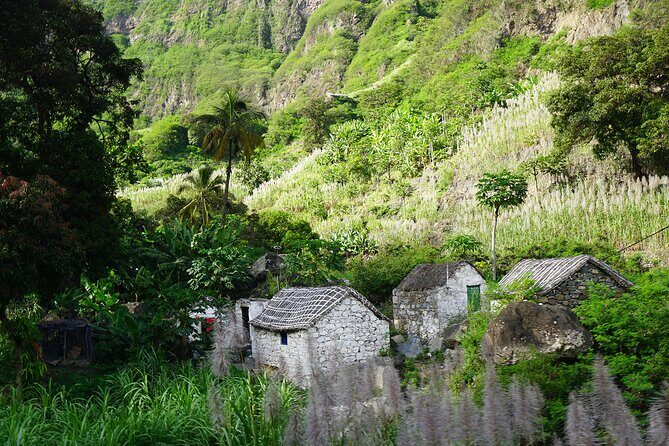
This trip is built around island reality: you’re not staying on one beach and hoping you’ll feel “culture” later. You hop from Santiago to Fogo to São Vicente and then into Santo Antão, with guided hikes in between. That means you’ll see how the same island nation changes shape depending on geography—volcanic cones, crater towns, coastal fishing villages, and the greener slopes where farming survives.
I also like the pace of the days. Some mornings are early, but you’re usually back in time to eat, rest, and do a little independent wandering. It’s a good fit if you want more than sightseeing photos—if you want to get your bearings fast and actually understand the places.
You can also read our reviews of more tours and experiences in Mindelo.


Price and logistics: what $2,719.11 buys you
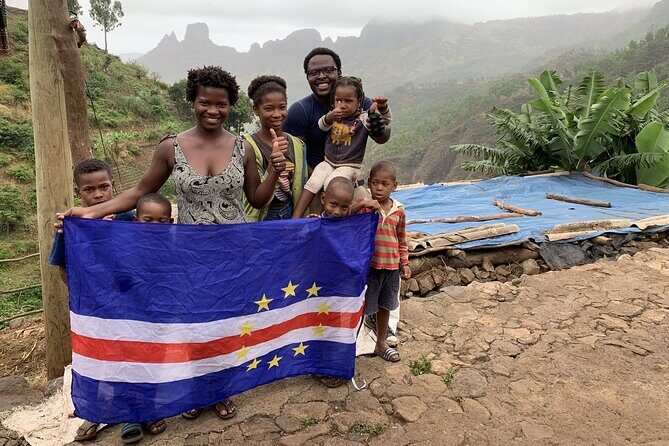
At $2,719.11 per person, this isn’t a budget-only deal. But in Cape Verde terms, you’re paying for fewer headaches than you’d get booking everything separately. Your money covers:
- 10 nights accommodation
- Domestic flights (Praia to Fogo, then Fogo to São Vicente)
- Round-trip ferry between São Vicente and Santo Antão
- Hotel pickup and drop-off for the scheduled tours
- Local guides and listed activities
- Entrance fees that are specified as included
- 24/7 local assistance
Then there’s the stuff you can’t easily price until it breaks your plans: luggage handling, name-matched tickets (your passport copy is required), and the fact that the tour company changes timing if a schedule needs adjustments. If you’d rather spend your energy on the hikes than on coordinating transfers and flight timing, this package-style approach makes sense.
Santiago on foot: Cidade Velha, valley trails, and colonial corners
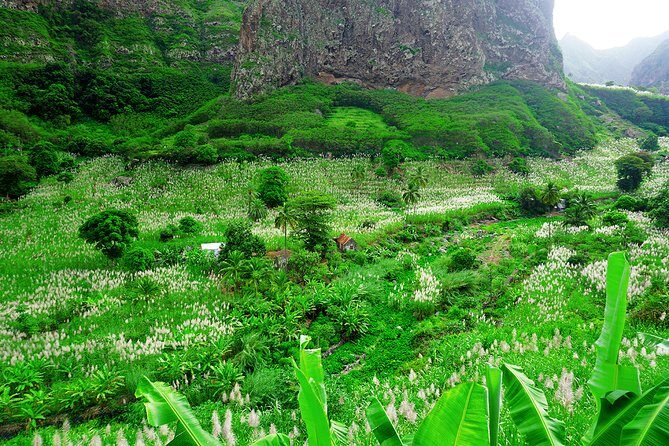
Santiago is where the trip starts to build meaning fast. After landing at Nelson Mandela Praia International Airport, you’re met by a travel representative and taken in a private transfer to your accommodation in Praia. That matters on arrival day, because Cape Verde airports aren’t where you want to start figuring things out.
Day 2: Calabaceira valley hike + the UNESCO old town
You leave Praia toward Calabaceira and start a hike through a valley where vegetation shows up like a surprise. The route is described as simple and accessible, and it’s about about 3 hours of walking. Along the way, you’re told why this green interior mattered historically, including its link to baobabs associated with Charles Darwin and its use as an escape route during slavery. It’s not just nature talk; it’s the kind of geography story that makes you look at the ground differently.
After that, you reach Cidade Velha (Historic Centre of Ribeira Grande)—a UNESCO World Heritage Site. You visit highlights including the São Francisco Convent, the Banana Street, and the Nossa Senhora do Rosário church. Lunch follows at a seafront restaurant, and then you see the former slave market, the ruins of the Sé Catedral, and the Royal Fortress of São Filipe. From the fortress, the defense logic against pirates becomes clear when you’re standing above it.
One more useful detail: there’s also time around local production. The program includes a stop connected to rum making and farms growing sugar cane, mango, cassava, bananas, and more. That rum piece is tied to the seasonal window—January 1 to May 31 is when the production season runs—so if you travel outside those dates, you may still learn the process, but timing can affect what you see.
Day 2 hiking reality check
This day’s walking totals about 2 hours plus driving and town time. The route extension listed is 4,500 meters with around 300 meters of ascent/descent and an overall “easy” rating. If you’re new to hiking or returning after a break, Santiago is the place to start. You’ll still need decent shoes, but the terrain is not trying to humble you.

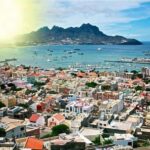

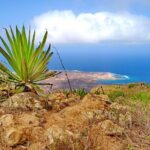
Serra Malagueta to Tarrafal: markets, park birds, and beach time
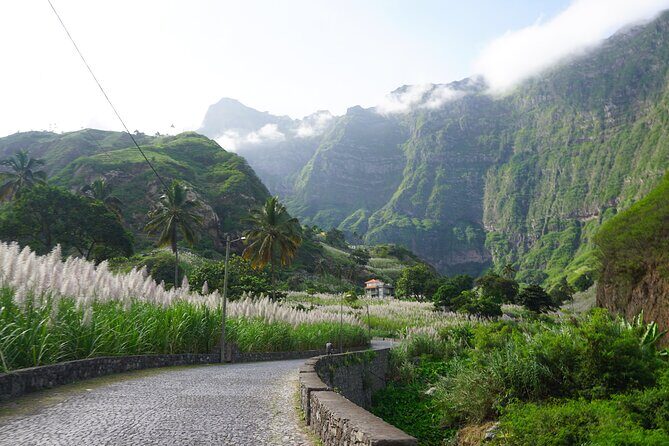
Santiago day three is a classic mix: people life, then trail time, then sea time.
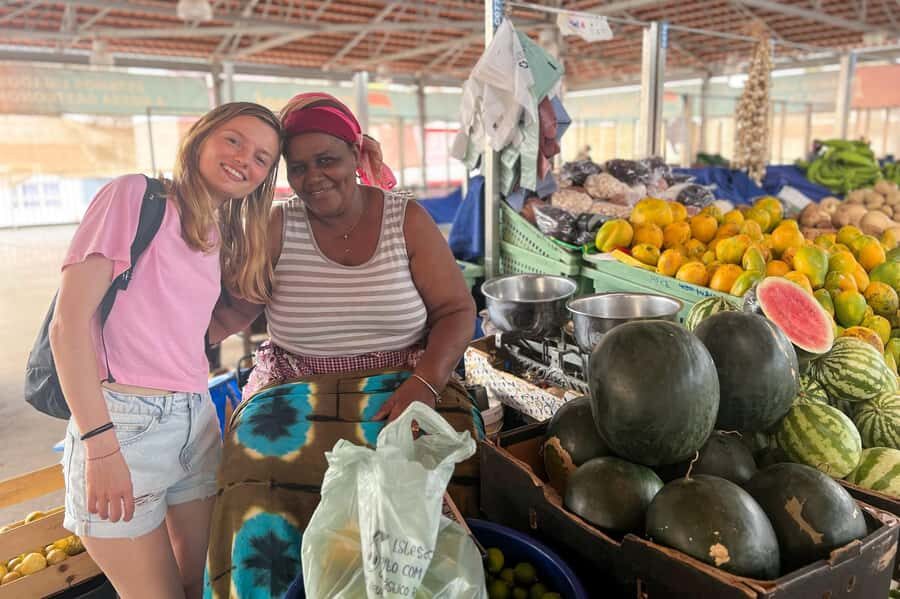
You begin at Assomada Market, where you’ll see locals haggle for produce and get a feel for how Cape Verde runs on everyday rhythm. After that, you head to Serra Malagueta Natural Park. The park covers 774 hectares and the program specifically notes 124 plant species and 19 bird species. You’ll trek with a guide who explains what you’re seeing, including wildlife such as monkeys when conditions line up.
After the park, you drive to Tarrafal. The itinerary includes a walk through the trail to the end, then you get the payoff: Tarrafal Beach time to chill. It’s the kind of day that works even if you don’t want to be a hardcore hiker—because it gives you a real break in the middle of the week.
Flying to Fogo: São Filipe and Chã das Caldeiras
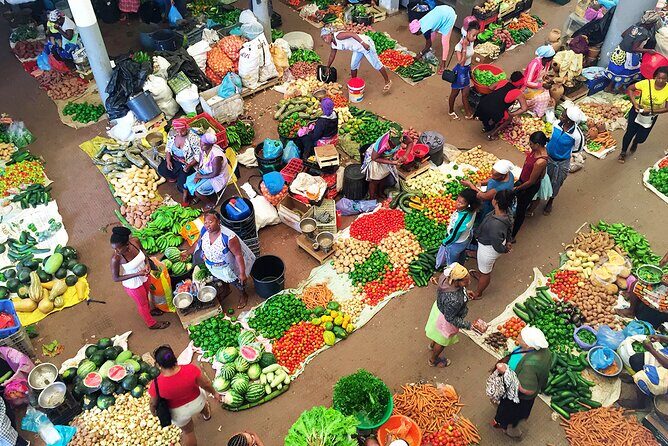
Day four is the handoff from Santiago to Fogo. You start with breakfast in Praia, then you’re transferred to Nelson Mandela Praia International Airport for a 35-minute flight to Fogo. On arrival, you go to São Filipe, the island’s capital.
In São Filipe, you spend time exploring Sobrados and wandering among colorful colonial houses, then you visit the Municipal Museum for a quick sense of local history through everyday objects. This is a good move because once you start looking at volcanic scenery, it helps to know what kind of communities live next to it.
Day four inland: lava history and the volcano viewpoint
Then you head into Parque Natural do Fogo, stopping around villages including Achada Furna and Cabeça Fundão, where residents had houses submerged during the 2014 volcanic eruption. From there you reach Chã das Caldeiras National Park, with views toward the active volcano. You also get time at Chã das Caldeiras itself for lunch and a chance to taste wine (at your own expense) and learn how people live at the volcano’s edge.
The program puts you in Chã das Caldeiras overnight, which is the smart base for what comes next. Fogo isn’t a place you want to commute from far away when you’re doing an early, steep climb.
Pico do Fogo: a difficult climb with real payoff
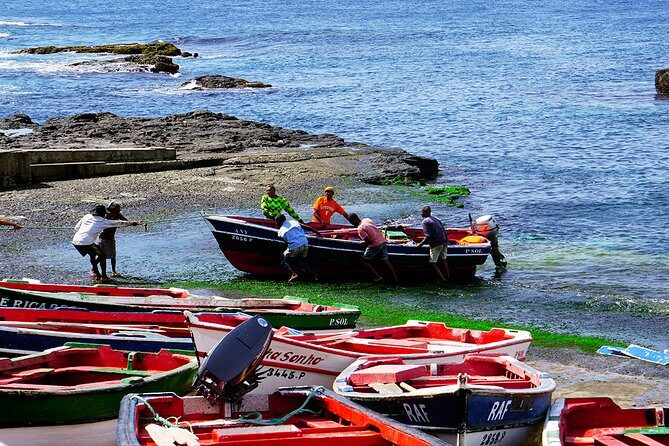
If you’re coming to Cape Verde for one “I can’t believe I did that” day, this is it.
Day five starts early, with pickup in Chã das Caldeiras and a walk with your guide to the foot of the volcano. Then the climb begins. The program lists an extension around 9 km, about 2,800 meters ascent, and a difficult rating. The route quality is described as tilted and narrow, with steep ramping up through ash and some sliding. Translation: you’ll want steady footing and you should expect effort.
The climb is timed around skill level—your local guide adjusts your pace based on your ability. After about 3 hours, you reach Pico do Fogo at 2,829 meters (noted as Cape Verde’s highest peak and one of the Atlantic’s highest mountains). You get a 360-degree sense of the island’s shape from the volcano cone.
Then comes the crater walking. You’ll have a picnic and time to walk through the crater, followed by a descent over ash for about half an hour, with knee-high lapilli mentioned. It’s not a delicate stroll. You’ll come back different.
Practical tip: pack for ash. Even if you bring good boots, plan to clean up after. The program also lists a need for hiking shoes, and it’s for a reason.
São Vicente and Mindelo: culture after the mountains
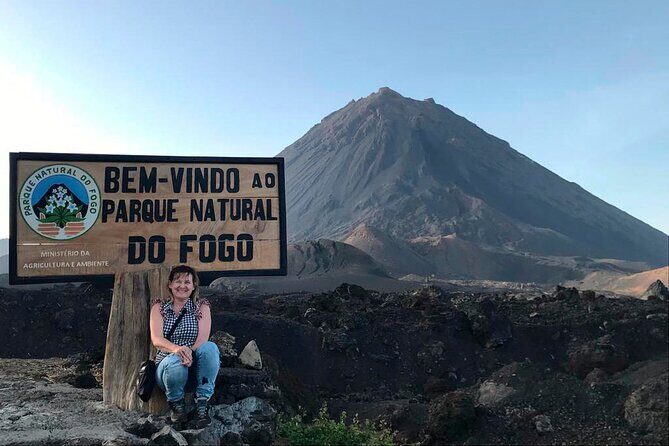
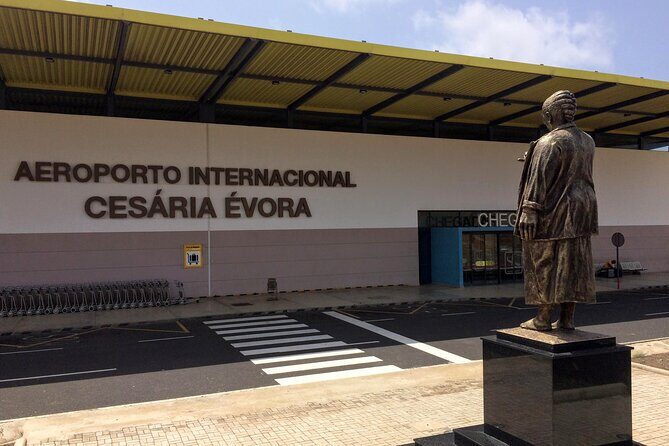
After breakfast on Fogo day six, you transfer to Fogo Airport and fly to São Vicente. You land at Cesária Évora International Airport and get transferred to your hotel in Mindelo. The afternoon is intentionally lighter, with time to rest and eat.
In the evening, you head out for live music at a popular Mindelo restaurant, with an included pickup and return transfer to your accommodation. This is the right rhythm: after volcanic exertion, you get a cultural night that doesn’t require a spreadsheet.
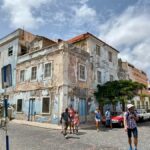
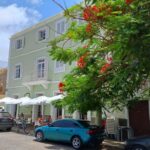
Mindelo itself is more than a stopover city here. On day nine (after Santo Antão), you spend a longer stretch exploring local areas including Avenida Marginal, Praia da Bote, and an early African market. The itinerary also includes a drive through the Calhau Valley for farmland views and then lunch in Salamansa with a mentioned No Stress Vibe feel. Even the way the day is staged points you toward daily life, not just monuments.
Santo Antão: from Cova crater gardens to Paul Valley farms
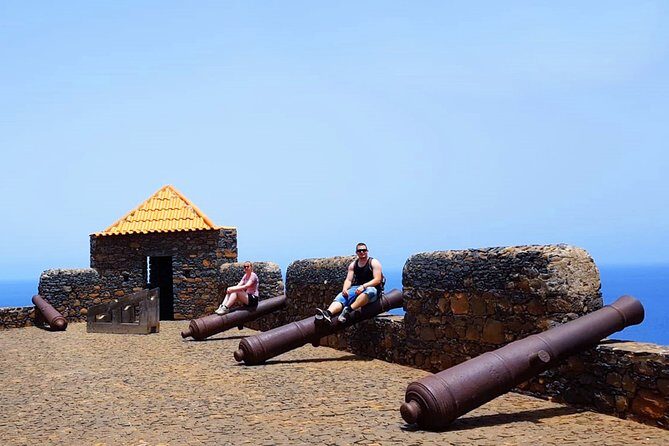
Santo Antão is the island surprise. It’s rough and steep, but the interior has agricultural pockets that make the views feel almost impossible.
Day seven begins with a ferry ride from Mindelo harbor to Santo Antão. The trip is about an hour, and it’s a first look at the island’s dramatic coastline. You arrive at Porto Novo, then transfer to Cova Natural Park, an extinct volcano. The main hike starts in an area where crater conditions support farming.
Cova – Krater: green inside volcanic rock
You hike in the Cova crater zone where the program notes agriculture fields at around 1,100 meters above sea level. You’ll get to its edge for the view of the Paul Valley, with the ocean visible in the distance. This part is important: it’s where you realize the “green” on Santo Antão isn’t random. It’s a result of terrain and elevation.
Paul Tal hike: sugarcane, rum grogue, and a valley feel
After the crater view, you start the Paul Tal walk, described as a zigzag section with plantations—sugarcane, banana, mango, avocado, coconut, and more. The program also includes local rum production again, this time tied to the tasting of Grogue.
The day ends with drop-off at your accommodation, then you continue to overnight in Ponta do Sol. That matters because it sets you up for the next day’s coastal cliff walking.
Santo Antão day seven hiking details
The walking time is listed around 4–5 hours with about 12 km total hiking, roughly 249 meters ascent and about 1,329 meters descent. It’s moderate, and path quality is noted as good and safe (though narrow at the beginning). In other words: not an all-day grind of constant uphill, but you do gain and lose a lot of elevation.
Praia das Aranhas and Fontainhas: ocean cliffs and the turtle nesting beach
Day eight is where Santo Antão really earns your camera time.
You start from Ponta do Sol, a fishing village with colorful houses. Then you walk up along a cliff road above the ocean. This part is described as breathtaking, and the details point to narrow, winding paths along rocky edges—so keep your head up and don’t rush your footing.
Next is Monte Fontainhas, leading into Fontainhas, one of the 10 villages highlighted for world views by National Geographic (as stated in the itinerary notes). The program then has you descend toward Formiguinhas and cross paths that take you to the Aranhas valley.
Praia das Aranhas: turtle nesting + conditional swim
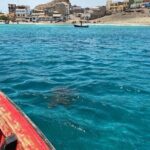
The highlight stop is Praia das Aranhas, a black sand beach known for turtle nesting. The program says you can swim depending on sea conditions. That’s the kind of realistic line I appreciate—ocean days have variables, and your best plan is to match what the water is doing that day.
You also get a picnic and then a 2-hour hike between volcanic rocks and the ocean until Cruzinha, another small fishing village with coastal views. The day ends back in Ponta do Sol.
What to do with your free day in São Vicente
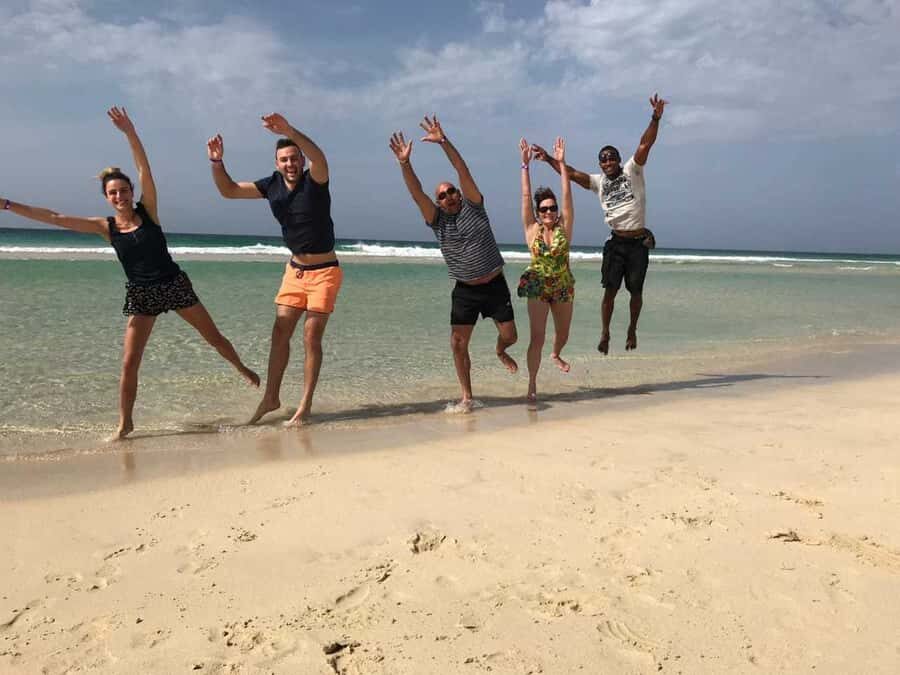
Day ten is intentionally lighter. You’re in São Pedro for overnight, and you can explore São Vicente on your own. One specific recommendation is Laginha Beach, noted as the most picturesque beach on the island, with white sand and turquoise waters.
Because your earlier days include real hiking, this free time is a chance to recover without guilt. If you’re choosing how hard to go, I’d steer you toward a slower pace here: swim, eat, and let your legs reset before your final transfer to Mindelo and the airport.
Meals, included dinners, and what to expect at lunch
This trip doesn’t include every single meal, and that’s a good thing if you like flexibility. Breakfast is included 10 times, lunch is included 8 times, and dinner is included once.
When meals are included, the program specifies meals like fish or meat plus dessert and water. Vegetarian options are available if requested. Also, on day four (because pickup is early), your Praia hotel provides a lunch box instead of breakfast. That’s exactly the kind of detail that prevents your day from turning into a scavenger hunt.
Who this tour fits best (and who should skip it)
This is a strong match if you want:
- Guided hiking with local explanations
- A trip that covers four islands in a single plan
- A small group setting (max 6), with enough structure to keep travel stress low
- A mix of dramatic geology and everyday Cape Verde life
It’s a weaker match if:
- You’re afraid of heights (the Santo Antão cliff roads and coastal routes can be intimidating)
- You’re not comfortable with steep, narrow, ash-heavy terrain on Fogo
- You need a totally relaxed day every day—this itinerary has active mornings and moderate walking almost throughout
A quick note on the human side: BU Country Tours coordination
The trip is run by BU Country Tours, and the way the program is organized is clearly meant to reduce confusion: you’re met at the airport with a name sign, picked up from hotels, and moved between islands by pre-booked domestic flights and ferry tickets. One small detail I appreciate: Admilson Garcia is named as part of the coordination effort when the trip is arranged, which suggests there’s a real person behind the schedule, not just a generic booking link.
Should you book this Cape Verde island-hopping trip?
I’d book it if your priority is seeing Cape Verde change fast—from UNESCO streets in Cidade Velha, to the volcanic scale of Pico do Fogo, to the crater gardens and farms of Santo Antão—without you having to manage every transfer day by day. The included 10 nights, domestic flights, ferry, and guided hikes make the price feel more like “full trip value” than “single hike cost.”
But I’d hesitate if you’re expecting easy walking. Fogo’s climb is labeled difficult, and Santo Antão includes narrow paths with real drop-off potential. If you’re fit, steady on your feet, and comfortable planning for early starts, this is a standout way to get real Cape Verde—not just a beach postcard version.
FAQ
What are the start and end points of this tour?
This tour starts in Praia (Santiago Island) and ends in Mindelo (São Vicente Island).
Is transportation between islands included?
Yes. You get domestic flights (Praia/Fogo/São Vicente) and a round-trip ferry ticket between São Vicente and Santo Antão.
How many nights of accommodation are included?
The package includes 10 nights of accommodation.
What meals are included?
There is breakfast (10 times), lunch (8 times), and dinner included. Lunch and dinner include fish or meat dishes plus dessert and water, with vegetarian options available on request.
What fitness level is required?
The tour notes that travelers should have a moderate physical fitness level, and it also says the itinerary is not recommended for those who are afraid of heights.
How much walking is involved on the main hikes?
The Santiago valley hike is described as easy, the Santo Antão hikes are moderate (with multi-hour hiking), and the Pico do Fogo climb is labeled difficult and involves steep, ash-covered terrain.
What should I bring for hiking and beach time?
The tour suggests bringing hiking shoes, sandals/flip-flops, comfortable shoes, a hat, towel, swimwear, and sunscreen, plus passport for ticketing.
Is rum production included during the trip?
The program includes rum production experiences and tasting, and it notes that the rum production season runs from January 1 to May 31.