REVIEW · SAL
Sal: Island Experience Tour with a Certified Local Guide
Book on GetYourGuide →Operated by Sal Experiences · Bookable on GetYourGuide
Sal has a way of surprising you fast. On this 7-hour island tour, you bounce from salt deserts to volcanic pools, then end the day with lemon sharks in their natural setting. I like how it mixes big-name stops (the Blue Eye and Pedra de Lume) with real island life in towns like Palmeira and Espargos. One thing to plan for: it’s a hot, mostly outdoor day with some off-road riding and swimming, so you’ll want the right gear.
I also love the way the tour is paced for photos and short swims, without turning the day into a marathon of long walks. The guide takes photos and videos, so you’re not stuck trying to shoot everything one-handed while balancing on salty rocks. If you like a guide who makes the facts stick, guides like Tony/Toni and Nani have a reputation for being funny and clear, not just reciting names off a map.
The route is built around Sal’s core identity: salt extraction turned into tourism, plus the island’s unusual geology. You’ll spend time where the island economy started (salt), then see why people come now (wind, beaches, and those salt-lake floats). Just remember the day includes optional entrance fees for the Blue Eye and Salinas, so the total cost can be a bit higher than the base price.
In This Review
- Key points to know before you go
- Why Sal’s salt-scented “island circuit” is worth your time
- Getting picked up across Sal (and how the day usually feels)
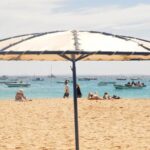
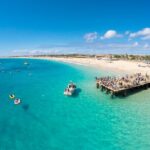
- Santa Maria: start where Sal’s salt economy turned tourist
- Kite Beach and Palmeira: wind sport mornings, fishing port afternoons
- Miragem’s Fata Morgana: the sand plays tricks on your eyes
- Buracona’s Blue Eye: the famous pool, plus the swim depends on conditions
- Pedra de Lume Salt Crater: where the salt work still matters
- Float time at the world’s second saltiest water
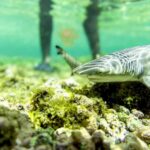
- Shark Bay and lemon sharks: exciting, but treat it with respect
- Murdeira reserve and Espargos: the island beyond the attractions
- Lunch, rest breaks, and the small comfort wins
- Price and value: how $41 stacks up on Sal
- What to bring so you’re not miserable
- Should you book the Sal Island Experience Tour?
- FAQ
- Is hotel pickup and drop-off included?
- How long is the tour, and what’s the price?
- Are entrance fees included for the Blue Eye and Salinas?
- Is lunch included?
- Can I swim during the tour?
- What should I bring (and what can’t I bring)?
Key points to know before you go
- Salt-lake floating at Pedra de Lume, inside a volcanic caldera where the water’s oddly buoyant
- Blue Eye (Buracona) photo stop plus a chance to swim if conditions are right, with an entrance fee
- Miragem’s Fata Morgana effects: water-illusion vibes in the desert heat
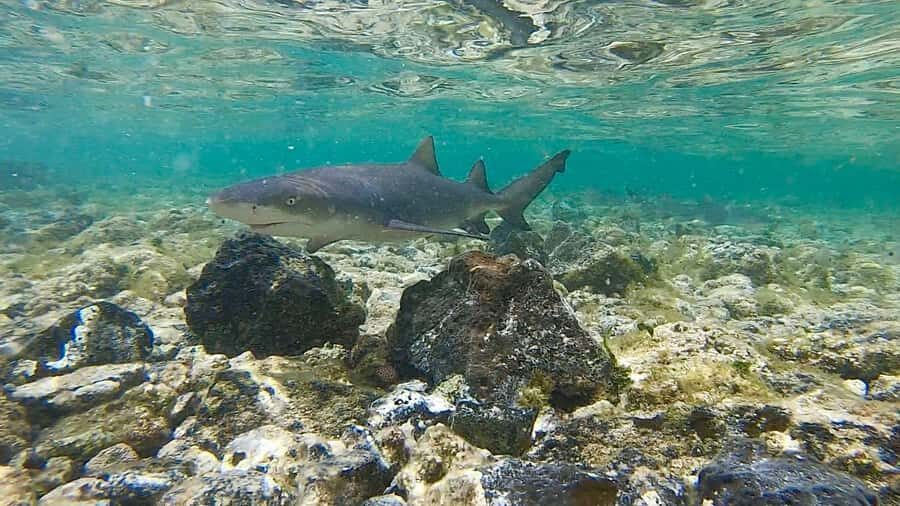
- Shark Bay lemon shark experience: up close viewing in the sharks’ natural habitat
- Mix of coasts and towns: Kite Beach, Palmeira’s fishing port, Murdeira’s reserve, and Espargos
- Real guide value: many guides run the day smoothly and keep it fun, like Tony and Nani
Why Sal’s salt-scented “island circuit” is worth your time
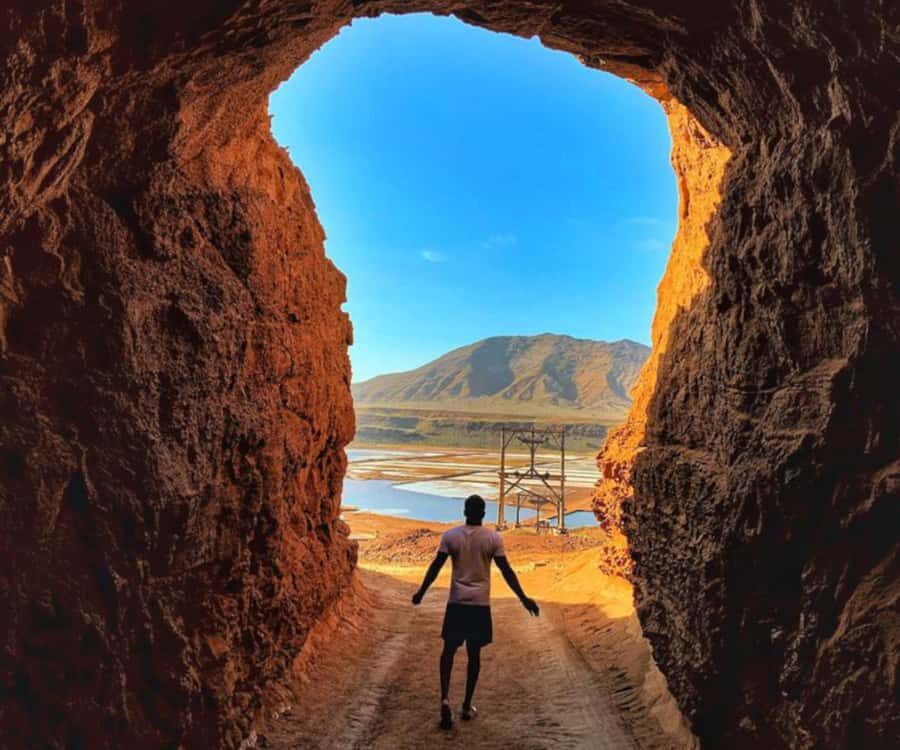
This tour works because it follows Sal’s story in a logical loop. You start with Santa Maria, then head toward kite country and fishing harbors, then into the volcanic-and-salt zone where the island’s famous features start making sense. The big win is variety: you’re not just driving to pretty lookouts. You’re getting a mix of small swims, geology, wildlife viewing, and local-town stops in one day.
Also, Sal’s geography is weird in the best way. You go from sandy flats and sea air to salt-crusted ground and thermal-water floating. A lot of places on the island look similar if you’re driving on your own. With a guide, you get the “why” behind each stop—especially at Pedra de Lume and Buracona, where the water and rock formations are the show.
You can also read our reviews of more guided tours in Sal


Getting picked up across Sal (and how the day usually feels)
Pickup is offered from several spots, including Murdeira, Espargos, Santa Maria, and Sal. The tour uses private or small-group transportation, and your pickup point is handled with a guide/driver system using a designated meeting spot (they mention a yellow car to look for). Expect a full-day schedule with multiple photo stops, short walks, and a couple of swim moments.
One detail that matters for comfort: parts of the route include off-road stretches, and the heat is real. Some people get seated on the back of an open pickup truck depending on the vehicle setup, and that sun can be intense. If you get that option, plan for a cover-up or something light to protect your shoulders and arms. If you’re heat-sensitive, you’ll be happiest if you choose the option that keeps you in an air-conditioned vehicle when possible.
And keep in mind: this isn’t a tour for wheelchairs or mobility-impaired travelers. The day involves uneven ground and time outdoors.
Santa Maria: start where Sal’s salt economy turned tourist
Santa Maria is where you get your bearings—both geographically and historically. You’ll have a guided sightseeing stop and a photo moment, plus time around an arts and crafts market. The guide’s job here is to connect what you’re seeing now (a major tourist hub) to the older reason people came: salt extraction.
I like this opening because it stops you from treating the island as a checklist. When you understand the salt story early, later stops like Pedra de Lume don’t feel random. They feel like the next chapter.
Kite Beach and Palmeira: wind sport mornings, fishing port afternoons
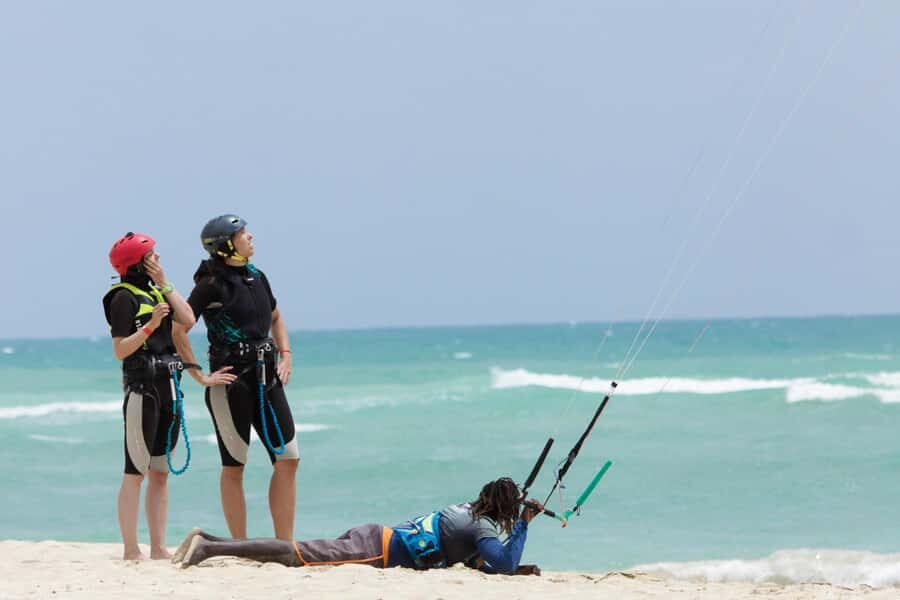
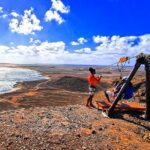
Kite Beach is a standout stop, and it’s not just for beach photos. Sal is known for kite surfing, especially from October to April, and Kite Beach is often the stage used for major kite surfing events. Even if you aren’t kiting, you can feel the energy there—wind direction, space to launch, and a coastline made for action.
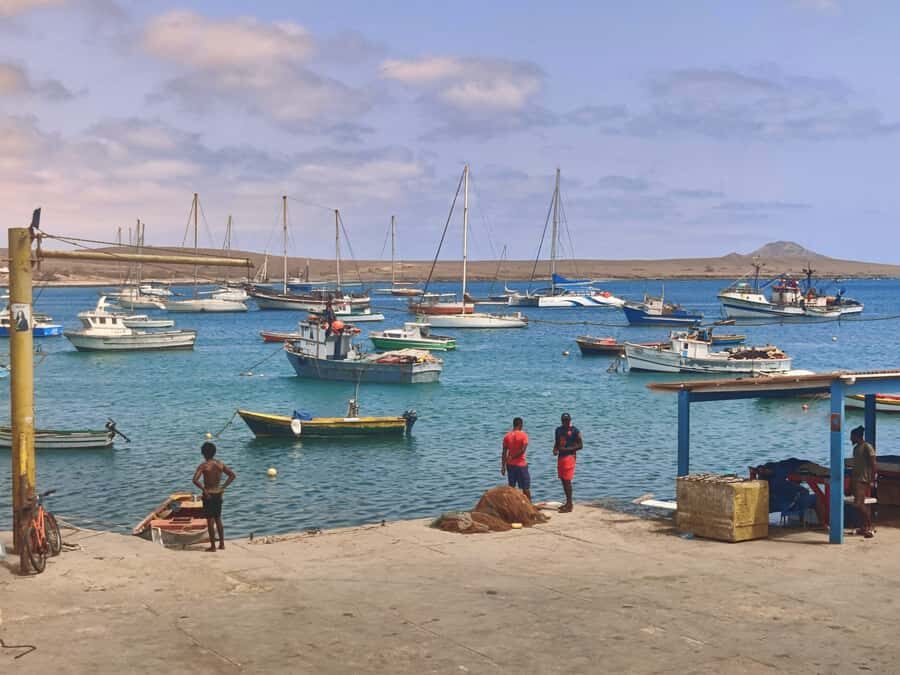
Then you swing over to Palmeira, a simpler working port. This is a practical stop in the best way. You’ll see daily routines around the harbor, including the arrival of crafts and the activity around fish sales. You also get a walk among colorful colonial houses and a look at street art.
The drawback? Palmeira is short. You’ll be there long enough to get the vibe, not long enough to become fully “settled.” If you like slow travel, use the time for quick photos and one or two intentional conversations with locals through the guide’s help.
Miragem’s Fata Morgana: the sand plays tricks on your eyes
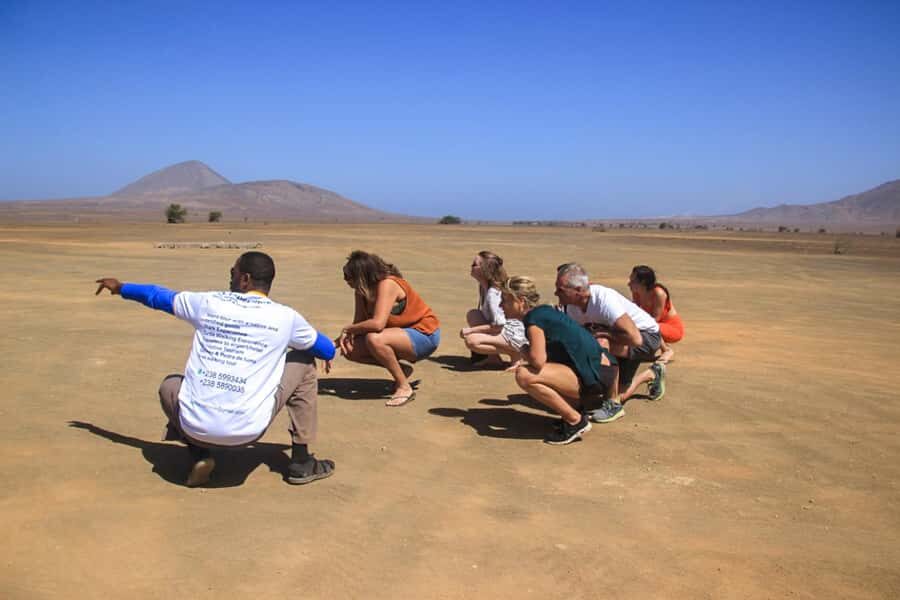
Next up is Miragem, where you get effects from Fata Morgana—those mirage-like water illusions you see when hot air distorts what’s in front of you. The stop is brief, mostly a photo stop plus a quick off-road feel.
This is one of those moments that’s easier to enjoy if you don’t overthink it. Go with a relaxed camera attitude and let the heat do its thing. It’s a nice contrast to the more “physical” experiences like salt floating.


Buracona’s Blue Eye: the famous pool, plus the swim depends on conditions
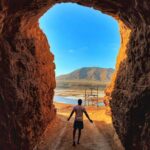
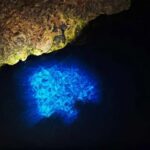
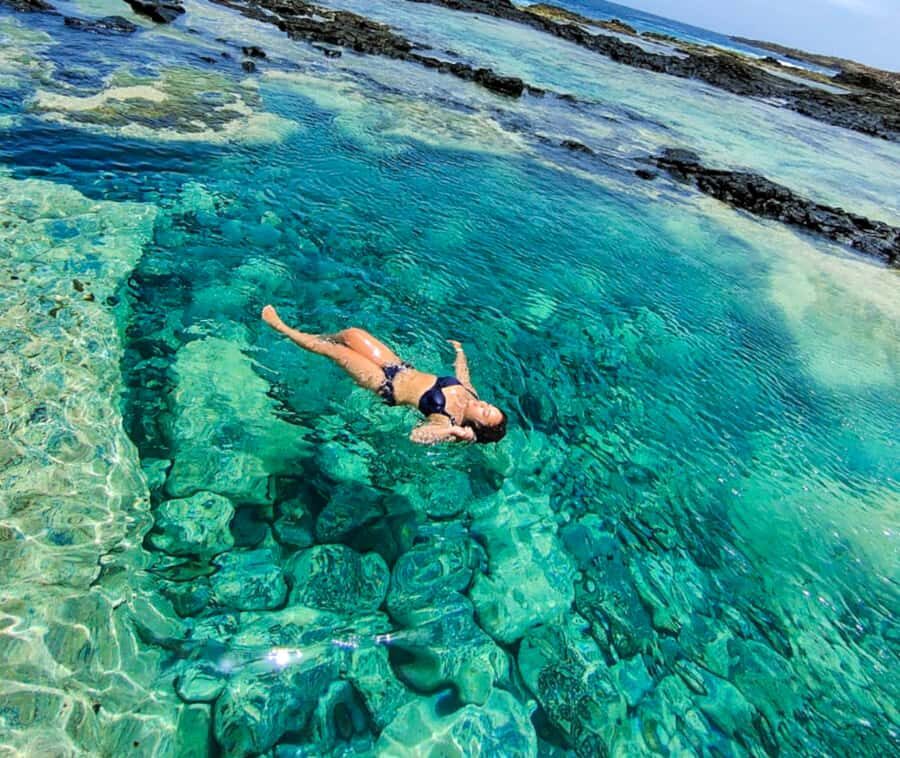
Buracona is where Sal earns its postcard reputation. You’ll stop for photos and a guided explanation of the Blue Eye, described as one of the seven wonders of Sal. The most important detail: swimming in the natural pool is only possible if conditions are ideal.
That means you shouldn’t plan your day around guaranteed water time here. Still, even if you don’t swim, the Blue Eye area is a strong visual moment. The color shift and the way the opening meets the water below are hard to replicate anywhere else on Sal.
Entrance fees apply here (listed as 3 EUR). So if you want the swim, budget for that add-on.
Pedra de Lume Salt Crater: where the salt work still matters
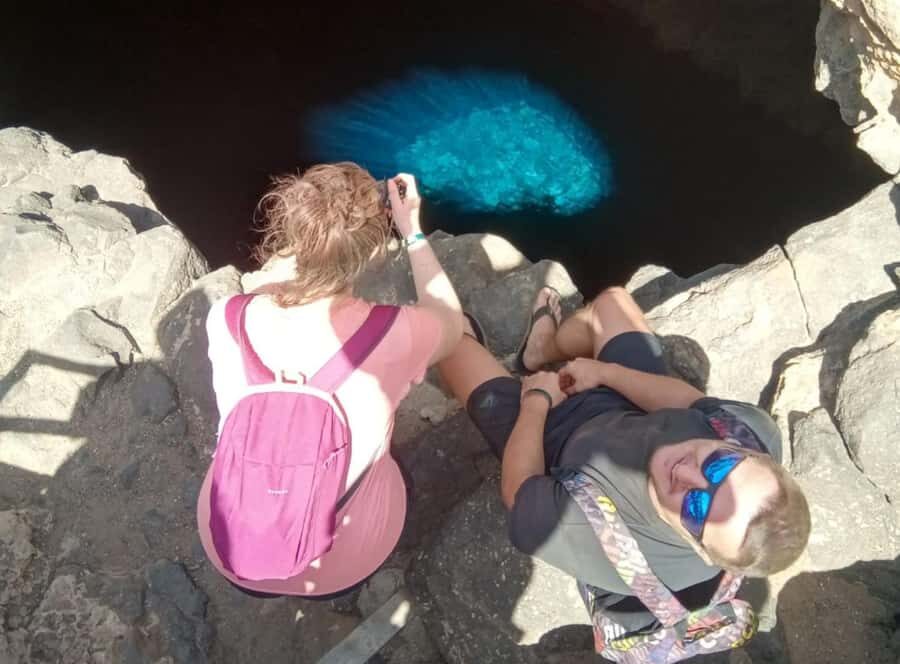
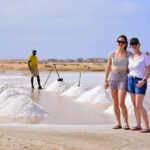
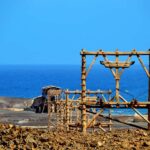
After Buracona, you’ll explore the Pedra de Lume Salt Crater with guided context about the salt center and how it supports locals. This is a value-add stop. It’s not just sightseeing. It’s a look at how this island’s economy still runs on the salt identity, even as tourism has grown.
Then comes the feature most people remember: salt floating.
Float time at the world’s second saltiest water
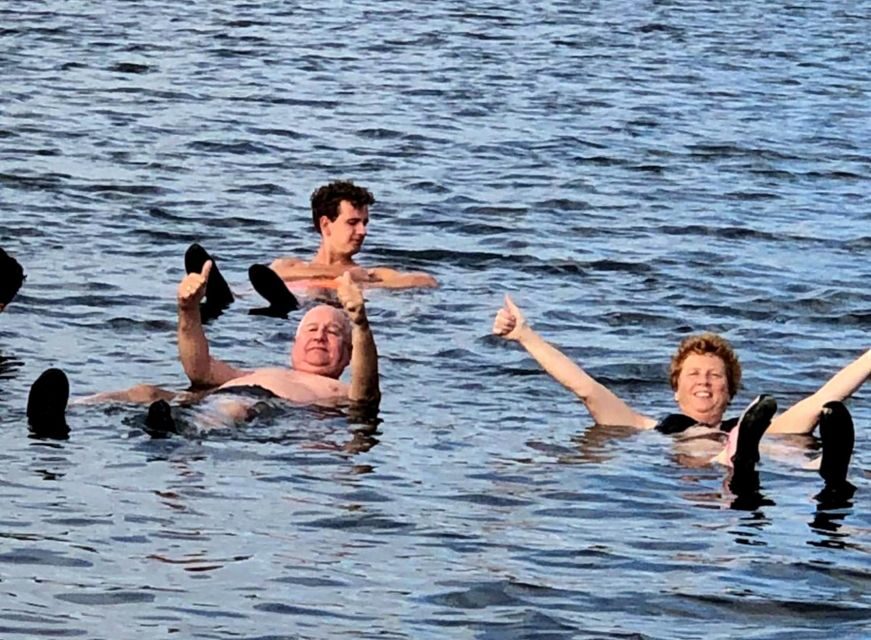
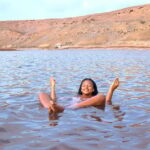
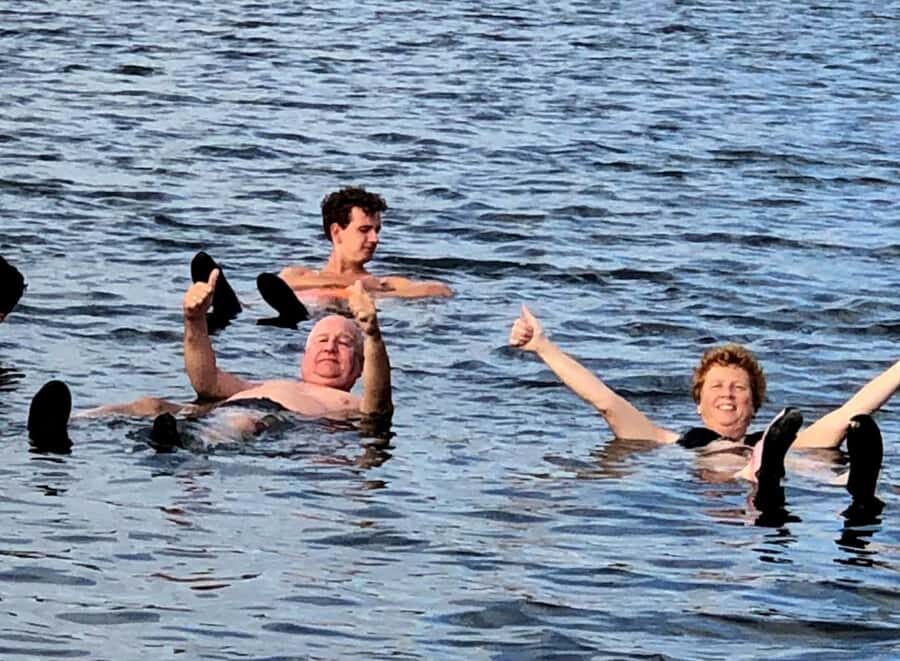
The highlight at Pedra de Lume is a swim and float experience in the thermal saline water, described as world’s second saltiest water. It happens inside an inactive volcanic caldera, which is the kind of sentence that sounds technical until you feel it.
When you float, you learn quickly that this isn’t “just a swim.” The water’s density changes how your body behaves. You’ll likely want to kick back, take a slow breath, and stop acting like you’re in a normal pool. The guide keeps you moving safely, but the main thing you’ll do is enjoy the unusual sensation.
Entrance fees also apply for the Salinas area (listed as 6 EUR). If you’re comparing this tour to cheaper day options, this is one reason it’s worth it: the salt floating isn’t just a view stop, it’s a hands-on experience.
Shark Bay and lemon sharks: exciting, but treat it with respect
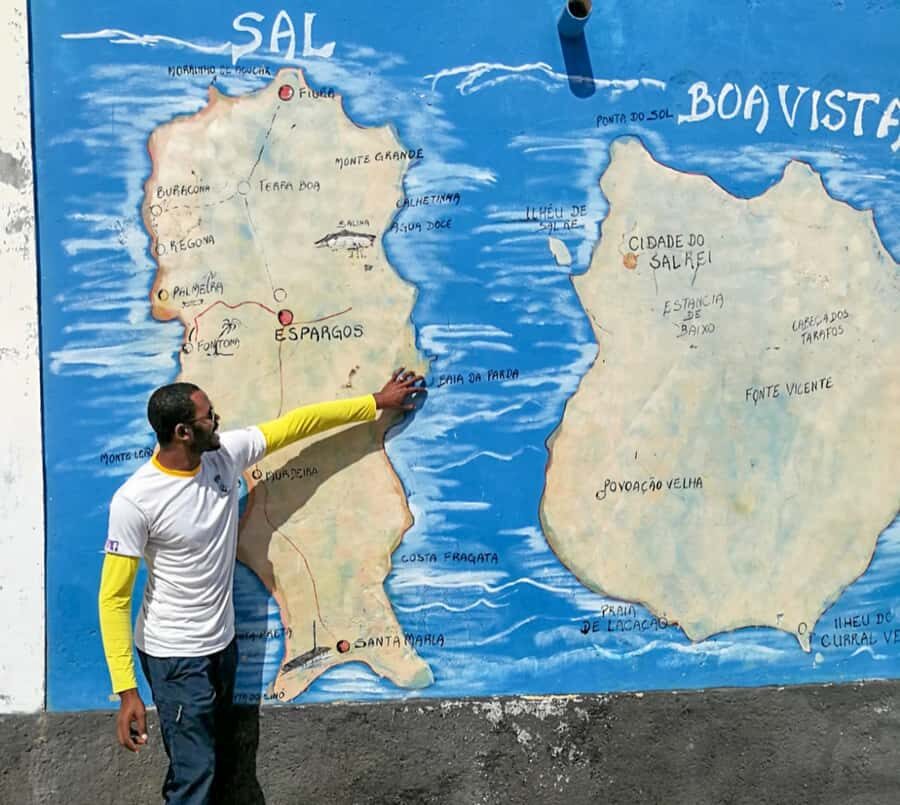
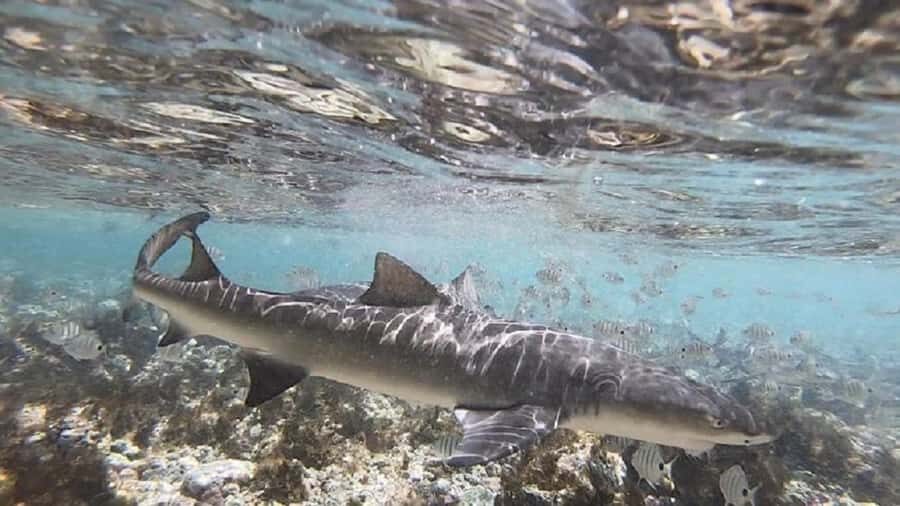
Now the day goes wild—in a controlled, guided way. At Shark Bay, you’ll have a sightseeing and wildlife viewing experience where you can see lemon sharks up close in their natural environment. You’ll have time to observe marine life and wildlife, guided by the team running the stop.
A few practical thoughts:
- Wear your water shoes if you have them. Salt and rocky edges are usually the rule of thumb.
- Keep your behavior calm. This is wildlife viewing, not a carnival attraction.
- Bring the right expectations. You’re seeing sharks in their habitat, not “meeting” them like pets.
This is also where many guides shine. In the past, guides like Tony and Nani got very good at keeping people informed and comfortable, especially when the group is excited and talking over everything.
If you’re nervous around wildlife, it still helps to remember you’re in a controlled stop with a guide and time limits. It’s thrilling, but it’s guided.
Murdeira reserve and Espargos: the island beyond the attractions
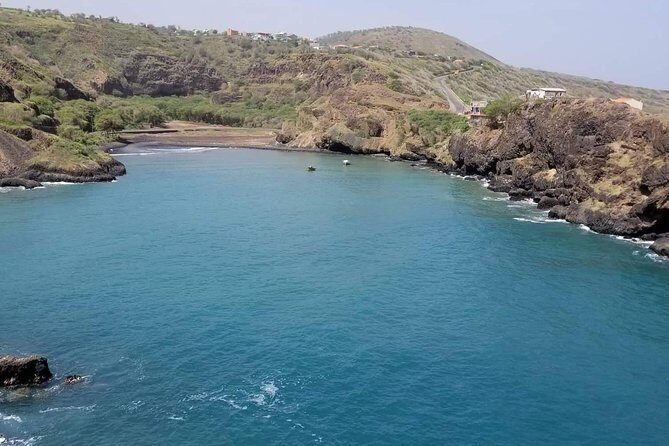
After the sharks, you’ll visit Murdeira, which sits in a natural reserve in the bay. This stop is more about scenic context and nature surroundings than “one big activity.” You’ll get photo moments on the way and a sense of how people live with the coastline instead of just passing it.
Then you roll into Espargos, the economic center of Sal. Here the tour shifts again from nature to everyday life—what drives the island now and how the towns function. You’ll see more local rhythm and get a better sense of Sal’s internal geography.
These are the stops that help the day feel complete. Without them, you’d leave with only the geology and the water. With them, you understand that Sal isn’t only salt and sea—it’s people and work.
Lunch, rest breaks, and the small comfort wins
There’s a rest stop built into the day where you can have lunch or a snack, plus a drink and access to the internet. Lunch is optional and listed as 11 EUR per adult and 6 EUR per child, with a menu described as including fresh fish, meat, and vegetarian options and one drink.
In my view, this is a smart setup. You’re not stuck with a bland included meal, but you still get a planned break so the day doesn’t feel like you’re spending every minute running.
Also included: photos and videos taken by the guide. That matters more than you’d think. When you’re busy with swimming or wildlife viewing, someone else handling the photo timing is a real convenience.
Price and value: how $41 stacks up on Sal
At around $41 per person for a 7-hour tour, the value comes from the number of included experiences. You get hotel pickup and drop-off, private transportation, guided stops, photo/video support, plus swimming time in natural pools and saline thermal water, and the Shark Bay experience.
The “catch” is that entrances aren’t fully included:
- Blue Eye: 3 EUR
- Salinas/Pedra de Lume salt area: 6 EUR
And lunch is optional.
Still, when you compare this to paying for separate taxi rides across Sal plus separate paid attractions, the math usually favors the tour. The guide saves you from the scattershot approach where you spend half a day driving and the other half deciding where to stop.
What to bring so you’re not miserable
Sal rewards you for showing up prepared. Pack:
- Swimwear, towel
- Sunglasses and sun hat
- Sunscreen
- Water shoes (or flip-flops plus something sturdier if you have them)
- Camera (or make sure your phone battery is healthy)
Also, avoid bringing luggage or large bags. Strollers aren’t allowed. If you’re traveling with a baby, baby seats are available on request at no extra cost.
Should you book the Sal Island Experience Tour?
If you want one solid day that covers Sal’s must-sees—salt floating, Blue Eye, Mirage illusions, and Shark Bay—this is an easy yes. It’s especially good if it’s your first days on Sal and you want to understand how the island is put together without spending your time guessing.
I’d skip it if you strongly prefer slow, single-spot hanging out, or if heat and outdoor time will ruin your day. Also, because it’s not suitable for wheelchairs, mobility needs should steer you toward a different plan.
Bottom line: For most visitors, this tour is a smart use of time. You’ll leave with water experiences, wildlife memories, and enough town context to feel like you understood Sal—not just visited it.
FAQ
Is hotel pickup and drop-off included?
Yes. The tour includes pickup and drop-off from your accommodation, with several pickup location options across Sal.
How long is the tour, and what’s the price?
The duration is listed as 7 hours, and the price is $41 per person.
Are entrance fees included for the Blue Eye and Salinas?
No. Entrance fees are not included. The Blue Eye is listed at 3 EUR and Salinas is listed at 6 EUR.
Is lunch included?
Lunch is optional. There is an optional lunch menu listed at 11 EUR per adult and 6 EUR per child, with one drink included.
Can I swim during the tour?
Yes. Swimming is included in a natural pool and in saline thermal water and secret pools. Swimming at the Blue Eye depends on conditions being ideal.
What should I bring (and what can’t I bring)?
Bring swimwear, a towel, sunglasses, sun hat, sunscreen, sandals or flip-flops, water shoes, and a camera. Baby strollers are not allowed, and luggage or large bags are not allowed. Baby car seats are available on request at no charge.