REVIEW · SANTA MARIA CAPE VERDE
Ilha Do Sal: Snorkeling with Local Guide
Book on GetYourGuide →Operated by Taruga Sal Tours · Bookable on GetYourGuide
Crystal water plus good local guidance. That mix makes this Ilha do Sal snorkeling trip a lot more fun than just renting gear and hoping for the best. I love the chance to spot animals like rays and turtles, and I also like how the guide teaches basic snorkeling technique before you head out.
One thing to keep in mind: reef quality can vary. One review flagged that the snorkeling spots weren’t as impressive as other places they’d researched, and the session felt a bit shorter than expected—so go in with flexible expectations and focus on enjoying the water.
In This Review
- Quick take: best parts and one watch-out
- Key things to know before you book
- Why Santa Maria Bay makes the trip feel worth it
- The 90-minute rhythm (and how to make it work)
- Getting set up on the day: what you’ll notice first
- Safety briefing that actually helps you snorkel better
- Reef time: what you’re likely to see under the surface
- The shallow shipwreck stop: fish spotting made easy
- Why the guide’s presence matters more than you think
- Price and value: what $35 buys you in real life
- Who this tour fits best (and who should skip)
- What to pack so you enjoy yourself more
- Small technique tips that make you see more
- When the experience might not match your hopes
- Should you book Ilha do Sal: Snorkeling with Local Guide?
- FAQ
- How long is the Ilha do Sal snorkeling tour?
- Where do you snorkel?
- Is the tour suitable for beginners?
- What marine life might I see?
- Is snorkeling equipment included?
- What should I bring with me?
- What languages does the instructor speak?
- How much does it cost?
Quick take: best parts and one watch-out
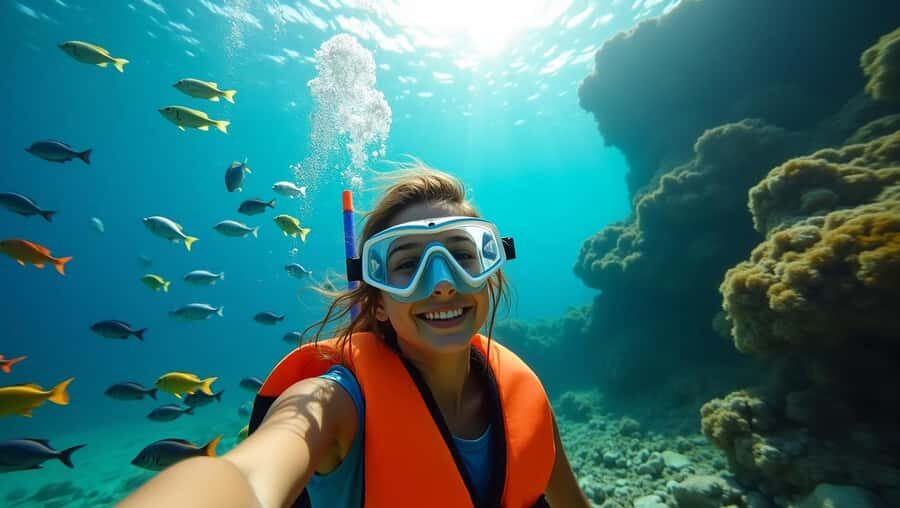
Santa Maria Bay has the kind of visibility that makes even a short outing feel worthwhile. I also appreciate that the guide brings real local know-how, and you’ll see more than just fish shapes if you’re willing to slow down and look.
If you get fussy about equipment fit, note that one person said the snorkel mask didn’t seal well. If that’s your thing, bring your own mask if you’re picky—or at least plan to adjust and test it right away.
Key things to know before you book
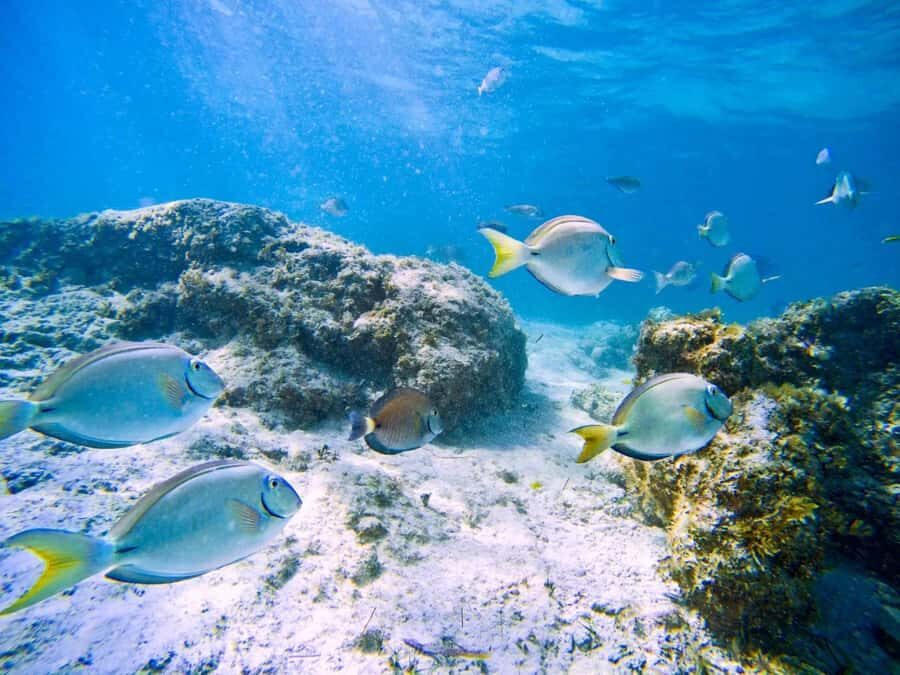
- Santa Maria Bay visibility helps you see marine life clearly for the whole session.
- Local guide spotting makes it easier to find rays, turtles, eels, and reef fish without wandering aimlessly.
- Safety briefing + equipment guidance means you’re not thrown into the water unprepared.
- Reef areas plus a shallow shipwreck gives you more variety than a single stop.
- Multi-language instruction is available (Portuguese, English, Spanish, French), which helps if you want clear coaching.
You can also read our reviews of more guided tours in Santa Maria Cape Verde

Why Santa Maria Bay makes the trip feel worth it
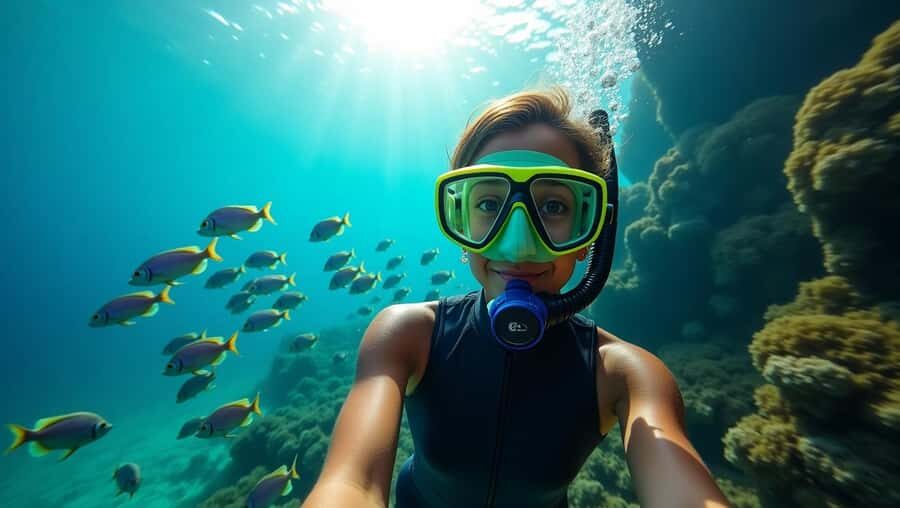
On Sal, snorkeling isn’t just about “seeing fish.” It’s about seeing what fish are doing—gliding, grazing, passing close enough that you can actually track them. Santa Maria Bay is known for clear water, and that clarity is a big reason this tour works as a value choice at $35 per person.
When the water’s clear, a guide’s job gets easier too. They can point out what you’d otherwise miss. You can also spend less time squinting and more time watching patterns: where turtles pause, how rays angle their bodies while cruising, and how moray eels tend to appear when you’re calm and not kicking up sand.
The 90-minute rhythm (and how to make it work)
This is a 90-minute guided outing, so it moves at a steady pace. Expect a standard flow: meet up, get briefed, go by boat, enter the water at the reef area, then return to the main meeting point.
With only about an hour and a half, timing matters. You’ll want to treat the first minutes in the water as “setup time.” Once you’re comfortable with breathing and buoyancy, you’ll start noticing more. If you rush, you’ll miss the slow stuff—exactly the animals worth seeing.
Also, one review mentioned the activity felt closer to 1.5 hours rather than longer. That doesn’t mean it’s wrong, but it does mean you shouldn’t book this expecting a slow, meandering reef day.
Getting set up on the day: what you’ll notice first
The tour includes snorkeling instruction and equipment, so you shouldn’t need to hunt down gear elsewhere. What you should do is arrive ready to move. Bring swimwear, a towel, sunscreen, and water—those are the essentials for a sunny Cape Verde morning or afternoon.
A small but practical tip: when they fit you with a mask and gear, test everything right away. One reviewer said their snorkel goggles didn’t seal well. That’s not something you want to realize halfway through the tour. If it pinches, leaks, or fogs fast, speak up early and adjust.
Safety briefing that actually helps you snorkel better
Before you get in the water, you’ll receive a safety briefing and guidance on snorkeling technique. The goal isn’t just “don’t do X.” It’s helping you feel stable enough to look around.
You can expect coaching on things like how to breathe comfortably, how to use the equipment properly, and how to behave in the water so you don’t stress the marine life or your own body. Since the tour says it suits all levels, the instruction is a big part of why beginners can enjoy it without panicking.
And if you’re an experienced snorkeler, this still matters. A good guide helps you avoid common mistakes—like staring straight down too long or flailing when you get a little tired.
You can also read our reviews of more snorkeling tours in Santa Maria Cape Verde
Reef time: what you’re likely to see under the surface
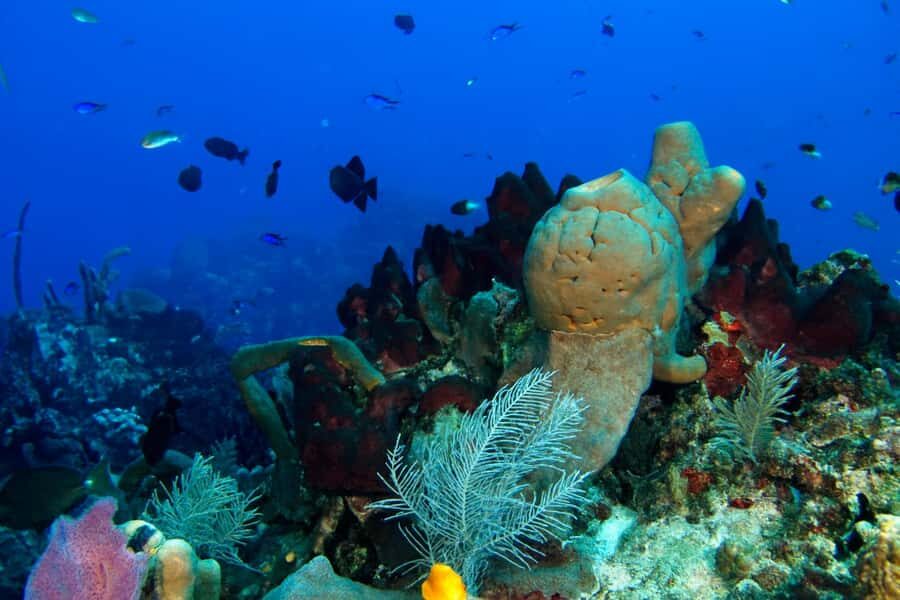
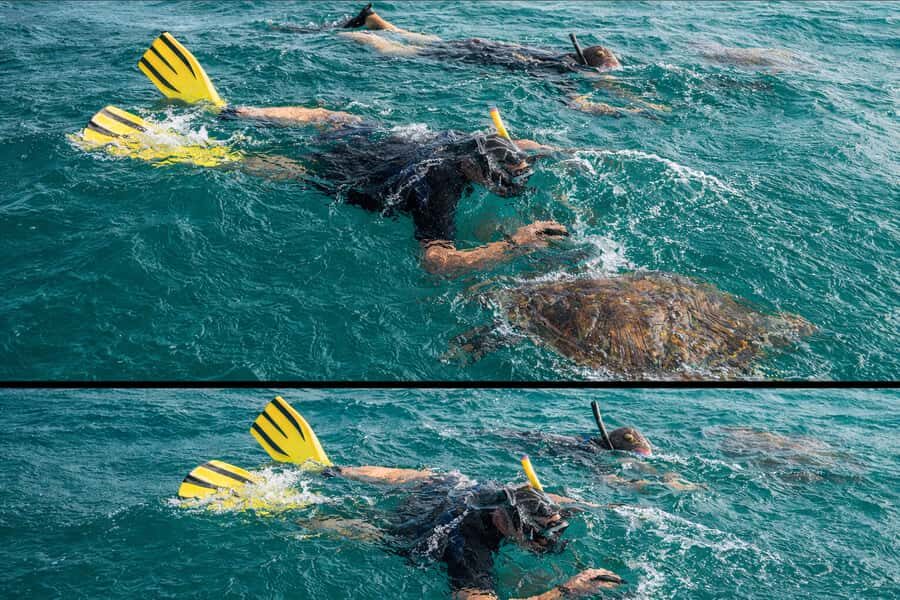
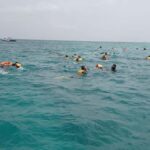
Your snorkeling area is around Santa Maria, in and near the reefs of the bay. As you follow the guide through different sections, you’ll look for a mix of marine life such as rays, turtles, moray eels, and tropical fish.
Here’s what that means for your eyes:
- Rays tend to glide rather than dart. Look for motion that feels smooth and slow.
- Turtles often linger or pause, so don’t panic if you don’t see one instantly.
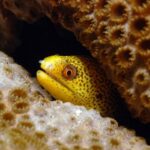
- Moray eels can be harder to spot because they may hang near structure. You’ll get better results by staying calm and keeping your head steady.
- Tropical fish can be everywhere, but you’ll see more variety when you stop and watch the water column for movement.
A local guide changes the game here. Even if the reef looks similar across spots, the guide knows where the animals are more likely to appear and how to guide you without turning it into a sprint.
The shallow shipwreck stop: fish spotting made easy
One of the most specific moments on this tour happens at the end of the reef route, where you may see a shallow shipwreck. That wreck acts like structure on the seabed, and structure is where marine life likes to hang out.
You’ll have a chance to spot schools or groups of fish such as soldierfish and snappers, plus parrotfish and trumpetfish. Even when you don’t identify every species, the pattern is still exciting: a wreck creates a “neighborhood,” and fish treat it like a meeting point.
If you’ve ever snorkeled somewhere with only open sand, you’ll feel the difference. Reef structure gives you something to look at other than “wherever the fish happen to be today.”
Why the guide’s presence matters more than you think
This tour is run by Taruga Sal Tours, and the instructor can communicate in Portuguese, English, Spanish, and French. That matters because snorkeling isn’t just physical—it’s attention and small actions. When you understand the instructions, you move better in the water.
The reviews also highlight how friendly the staff can be. One person specifically mentioned the guide Alexandre from Portugal as contagious in his friendliness, and they felt comfortable during the experience. That’s a real advantage on a water activity. When people feel at ease, they breathe better, move less chaotically, and see more.
Price and value: what $35 buys you in real life
At $35 per person, this is a mid-range day activity by island standards, but the value comes from what’s included: guided snorkeling, a safety briefing, and equipment.
If you were to piece things together yourself—finding a guide, arranging gear, and getting meaningful instruction—you’d likely spend more and still not get the same payoff. Here, the price is paying for:
- guidance that helps you see animals instead of guessing,
- equipment and safety coaching,
- a time-efficient tour that fits a day on Sal without swallowing your whole schedule.
Also, the tour is set up so you can focus on the water. You aren’t spending time figuring out logistics while the weather is good.
Who this tour fits best (and who should skip)
This snorkeling experience is described as suitable for all levels, but there’s a clear condition: you should be comfortable in the water.
It’s not suitable for:
- pregnant women
- people with back problems
- non-swimmers
That’s not just legal paperwork. Water activities can involve getting in and out of the sea, balancing with gear, and staying calm if you feel a wave or swell. If any of those categories apply, it’s smarter to choose a different kind of water activity that matches your comfort level.
If you’re traveling solo, a couple, or a small group and want a guided way to see marine life without committing to a long day, this is a solid fit.
What to pack so you enjoy yourself more
Keep it simple. You’ll want:
- swimwear (you may be getting changed quickly)
- towel (important for after you’re out of the water)
- sunscreen (Cape Verde sun is strong)
- water (to stay hydrated after)
If you’re someone who gets irritated by masks that leak or fog, consider bringing your own mask if you’ve used it before. The tour includes equipment, but one review noted a fit problem. Your comfort directly affects how long you can enjoy looking around.
Small technique tips that make you see more
Even with a guide, you’ll spot more marine life if you snorkel like a calm observer.
Try these:
- Keep your movements slow. Fast kicking stirs sand and makes visibility worse.
- Breathe steadily and avoid holding your breath too long when you’re just searching.
- Look slightly ahead of your face, not only straight down.
- If you see the guide stop and point, pause too. That’s when animals often appear.
The goal is to blend into the environment. Reef life reacts to disruption, and clear water gives you fewer hiding spots.
When the experience might not match your hopes
No activity is the same every day, and one review suggested that the snorkeling spots weren’t spectacular compared with other destinations. Another person also felt the snorkeling time was about 1.5 hours.
So what do you do with that info? Don’t treat this as a guarantee of a “movie scene” from the first minute. Treat it as a guided, scenic snorkeling session with a good shot at rays, turtles, eels, and reef fish—plus the possible shipwreck stop.
If you’re traveling on a tight schedule and you want to maximize time on the water, this tour still makes sense. Just hold your expectations at “excellent local snorkeling with a guide,” not “always the best reefs in the world.”
Should you book Ilha do Sal: Snorkeling with Local Guide?
I’d book it if you want an easy, guided way to experience Santa Maria Bay with real coaching. The biggest reasons are the local guide, the safety and technique briefing, and the clear-water snorkeling that can put rays, turtles, and eels on your radar. For $35, you’re paying for structure—someone helping you find and enjoy what the bay offers.
I wouldn’t book it if you’re a non-swimmer, have back problems, or you’re pregnant. And if you’re extremely picky about mask fit, plan to adjust equipment quickly at the start or bring your own.
If your plans are changeable, this is also the kind of booking that can be flexible, since free cancellation is offered up to 24 hours in advance and there’s a reserve now, pay later option.
FAQ
How long is the Ilha do Sal snorkeling tour?
The tour lasts 90 minutes.
Where do you snorkel?
You snorkel around Santa Maria and in Santa Maria Bay.
Is the tour suitable for beginners?
Yes. It’s described as suitable for all levels, but you should be comfortable in the water.
What marine life might I see?
You may see rays, turtles, tropical fish, and moray eels. The shallow shipwreck stop may include soldierfish, snappers, parrotfish, trumpetfish, and more.
Is snorkeling equipment included?
Yes. The tour includes equipment, plus safety instructions and guidance.
What should I bring with me?
Bring swimwear, a towel, sunscreen, and water.
What languages does the instructor speak?
The instructor can speak Portuguese, English, Spanish, and French.
How much does it cost?
It’s listed at $35 per person.