REVIEW · SANTA MARIA CAPE VERDE
Sal: Surf Lesson
Book on GetYourGuide →Operated by Surf Hub Cabo Verde · Bookable on GetYourGuide
Surf practice turns Cape Verde into a classroom. A lesson in Sal means blue-water wave time plus skill-level coaching that helps you progress fast, whether you are brand new or working on the next step. The format is simple: you meet the crew, gear up, practice basics, then get out there for real surfing.
One thing to plan for: this experience is weather and tide dependent, so start times can shift and the session only runs when conditions are right. Also, it is not for non-swimmers, and the lesson needs you to be comfortable in the water.
In This Review
- Quick take: what matters most in this Sal surf lesson
- Santa Maria Beach setup: where your lesson starts in Sal
- What you actually do: the lesson rhythm from beach basics to an hour of waves
- The pop-up focus: why technique coaching changes everything
- Private or group lessons: getting value from your time on the board
- When you will surf: high tide timing and weather-dependent sessions
- Gear notes and small comfort upgrades that make a difference
- Who this lesson suits best in Sal, and who should skip it
- Budget and booking: how to judge the $40 price fairly
- Before you go: practical tips so the day runs smoothly
- Should you book this Sal Surf Lesson?
- FAQ
- Where does the surf lesson take place in Sal?
- How much does the surf lesson cost?
- Is it a private or group lesson?
- What is included in the price?
- How long is the time in the water?
- Do I need to know how to swim?
- What should I do after booking to confirm the start time?
- What languages are offered for the lesson?
Quick take: what matters most in this Sal surf lesson
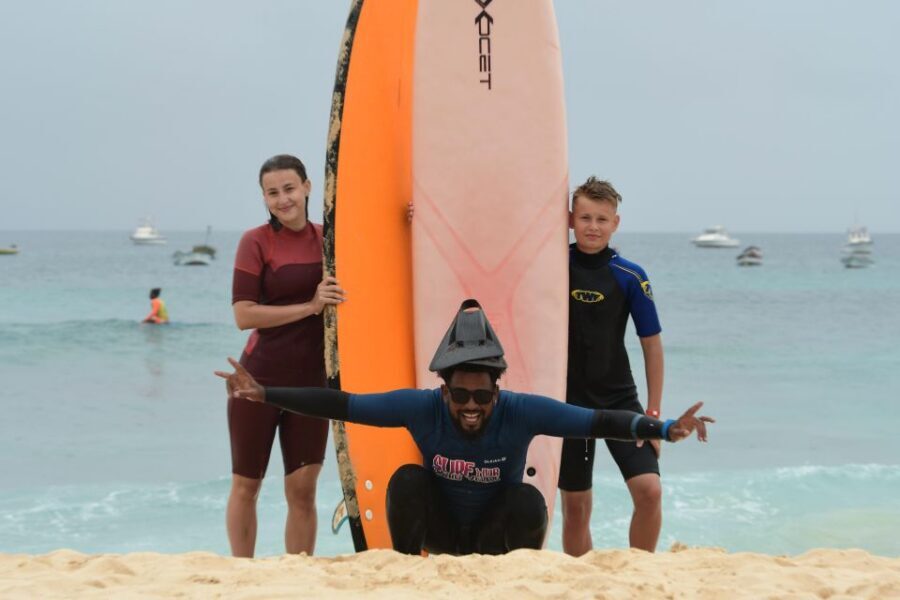
- Santa Maria beach start: you head to one of the best spots for beginners and intermediates.
- Dry-land to water flow: you learn technique on the beach before you go in.
- Hour in the water: once you’re ready, you get focused wave time.
- Pop-up and steadiness: the goal is staying stable after you stand up.
- Instructor adjusts to you: coaching changes based on your level, not a one-size-fits-all script.
- Ruben is a standout: solo coaching is praised for being professional, patient, and encouraging.
Santa Maria Beach setup: where your lesson starts in Sal
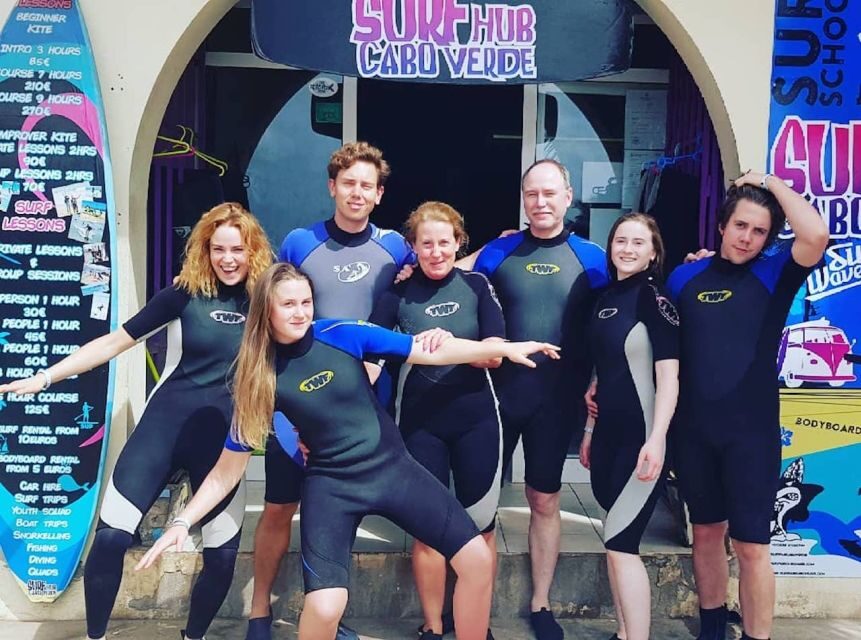
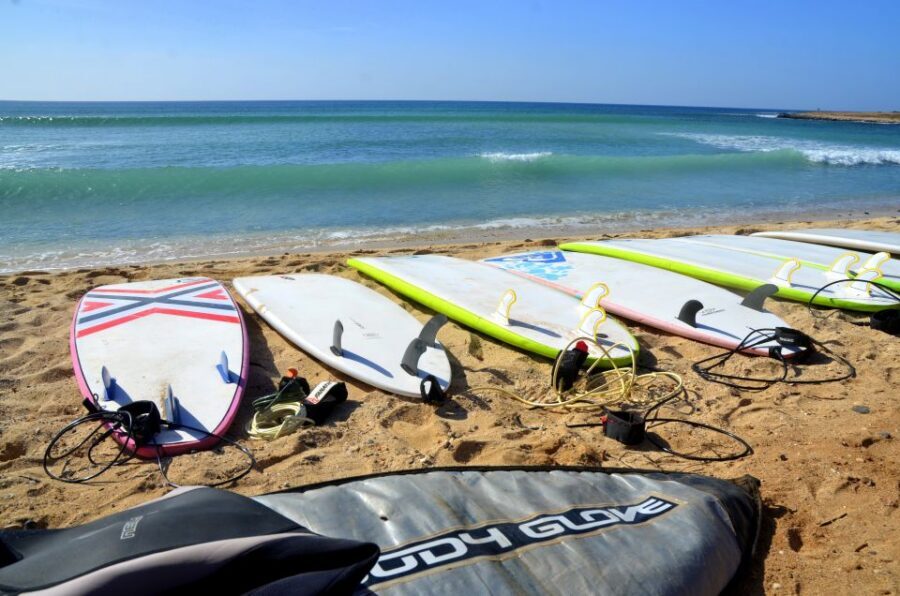
Sal’s surfing world centers on Santa Maria, and that is exactly where this lesson goes once you are done meeting up and gearing. You will walk to the beach after you connect with the instructors and collect what you need. That matters because it keeps the day calm. Instead of a complicated transfer plan, you are basically moving from surf school area straight to the sand.
The meeting point is also straightforward if you are using it to orient yourself in town: you are in Santa Maria on the road by the ocean, across from fabrica de grelhados, near the main square and close to Ocean Cafe. If you are arriving in Santa Maria already, this is the kind of location that feels easy to find—especially on a day when you want to focus on surfing instead of logistics.
Santa Maria is a practical choice because it suits multiple levels. The lesson is described as a good match for beginners and intermediates, which lines up with how instruction is staged: you start on shore, then go into the water once technique is explained and you are moved to the right depth for your ability.
A few more Santa Maria Cape Verde tours and experiences worth a look


What you actually do: the lesson rhythm from beach basics to an hour of waves
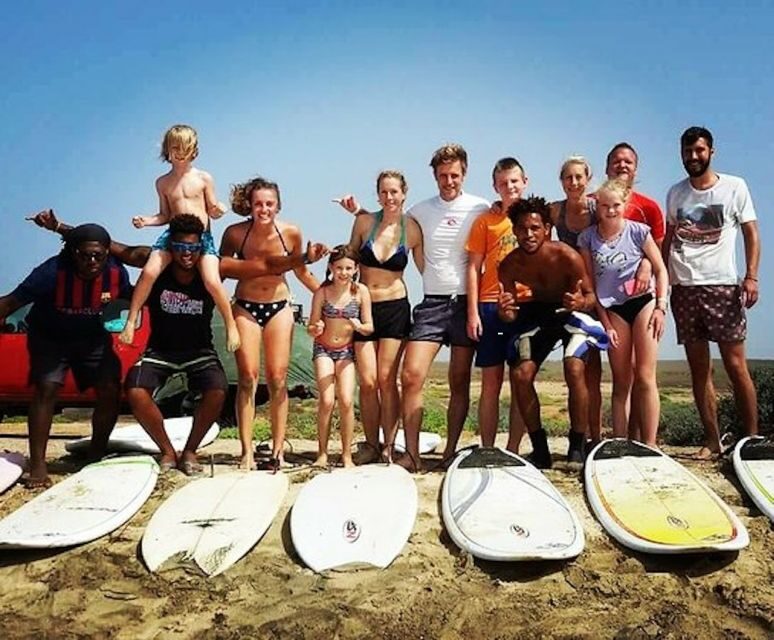
The lesson has a clear arc, and that is why it works.
First, you meet your instructors and get kitted out with surf gear for the session. The setup includes the surfboard and equipment, and you will be using a wetsuit and surf shoes during the lesson. Then you head to the water’s edge and begin the teaching.
For beginners, the beach part starts with a recap or intro. That might sound simple, but it is the difference between guessing and understanding. When you learn the key pieces before you step into the waves, your first attempts are about technique rather than survival.
Next comes the water time: about an hour of catching waves and surfing. This is where the experience feels most real. You are not just watching. You are out there with an instructor who can guide you as you try to apply what you learned.
There is also a swim requirement. The lesson is not for you if you cannot swim, and the instruction assumes you can handle being in the water for the session. This is also why lessons are adjusted based on what you can do—so you spend your effort building skill instead of dealing with the wrong conditions.
The pop-up focus: why technique coaching changes everything
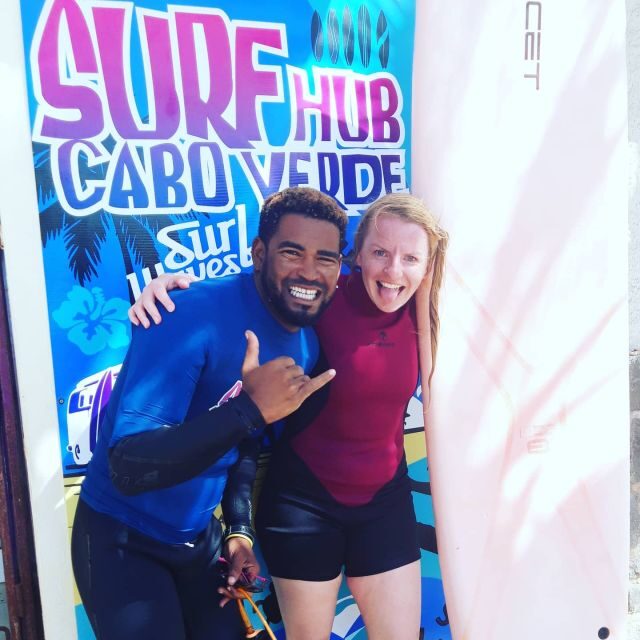
A surf lesson is often framed as catching waves. This one is framed more like learning the mechanics of surfing—especially the moment you go from lying down to standing.
The big skills called out are learning the pop-up and staying steady on a wave. That is exactly the hardest part for most first-timers, because standing changes your balance instantly. If you stand too early or with the wrong foot placement, you feel unstable and the wave slips away.
What I like about this kind of instruction is that it is specific. Your instructor’s job is not only to tell you what to do. It is to notice what you are doing wrong and explain why. In the experience descriptions, an instructor corrects technique and helps the student understand the fix, not just repeat a command.
You also get staged support in the water. You are taken out to the required depth and guided from there. That means you are not thrown into the deep end if you are still learning control. It also means the learning curve is more humane: you can practice standing and balance where you have a chance to succeed.
A name that comes up strongly in the teaching side is Ruben, praised for being super professional and patient in solo lessons. If you end up with him, you can expect that kind of structured, encouraging coaching style—especially if you want one-on-one attention instead of sharing instruction time in a group.
Private or group lessons: getting value from your time on the board
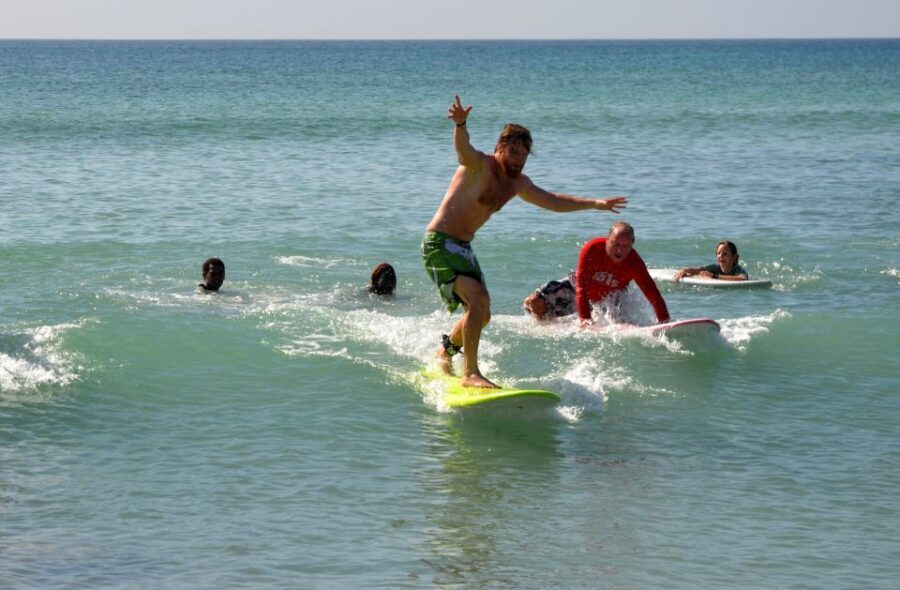
This surf experience can be private or group, and that choice affects how much feedback you get in the moment.
If you choose private, you are more likely to get direct, continuous correction as you try the pop-up and balance. That is the kind of setup that helps you improve quickly because the instructor can focus on your exact mistakes and adjust the pace.
If you choose group, you still get a qualified instructor and the structured flow (beach intro, then water time). The difference is that your instructor may split attention while still giving you guidance and moving participants based on ability.
Now, about the price: $40 per person is a pretty solid deal for an instructor-led session that includes the surfboard and equipment for the full lesson duration. In practice, you are paying for coaching plus gear, not just a board rental. Also, because the lesson includes instruction time on shore and in the water, it is not only about playtime. You are there to learn a sequence and repeat it with corrections.
One small reality check: food and drinks are not included. That is normal for quick activities, but it does matter. Surfing burns energy, and once you are in wetsuit mode, you may not feel like searching for snacks right away. If you have time earlier in the day, plan a meal before you meet up, then bring some water with you if you can.
When you will surf: high tide timing and weather-dependent sessions
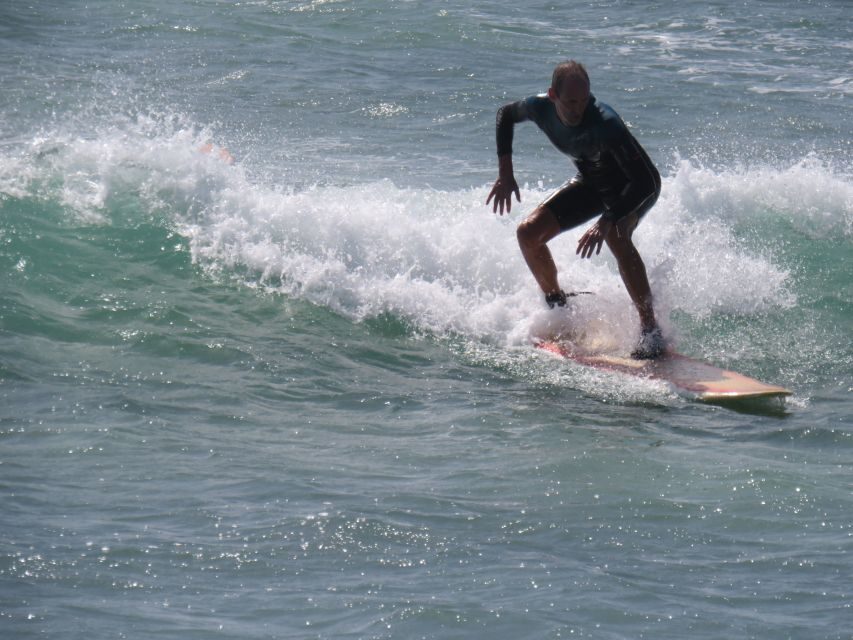
Surf lessons live and die by conditions, and this one is honest about that. The session takes place when conditions are good and there are nice waves for your level. It is also taught at high tide for safety reasons.
That means your start time is not always fixed. After you book, you are told to contact the provider via WhatsApp so they can finalize the start time, since it can vary day to day. This is not a nuisance detail—it directly connects to why the lesson feels smooth. If the water is at the right depth and the waves match your ability, the coaching can focus on technique instead of troubleshooting unsafe conditions.
So here is the practical move: keep your phone handy around your booking date. If you want the day to feel stress-free, be ready to confirm timing quickly once you message the team.




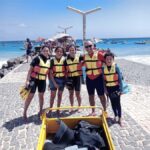
Gear notes and small comfort upgrades that make a difference
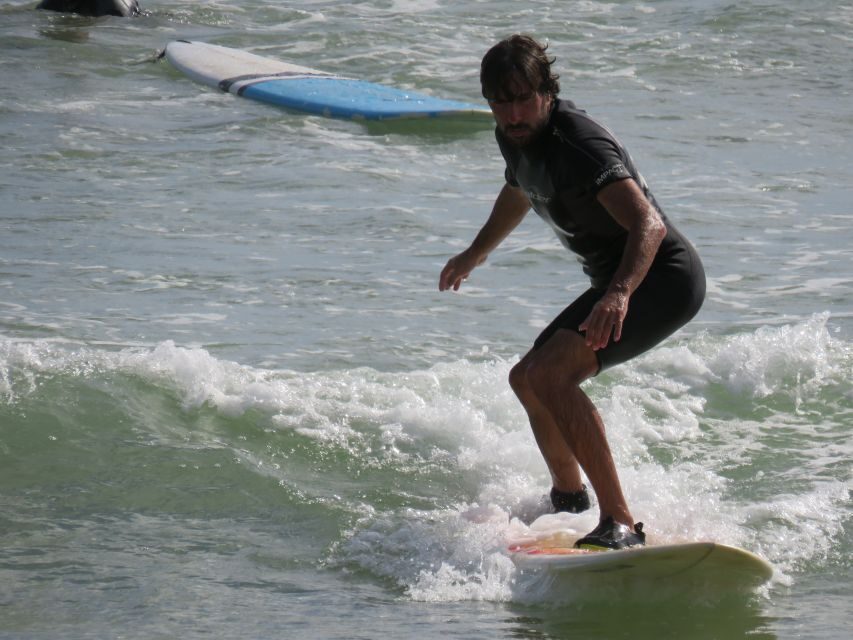
The lesson covers the key equipment you need: surfboard and surf lesson gear for the duration. You will also use wetsuits and surf shoes.
Still, there is one detail worth paying attention to. One piece of feedback suggests the surf footwear can be pretty worn out. If you are particular about comfort, grip, or toe protection, you might want to bring your own water shoes/rock shoes. Even if you use their setup, having your own option can make the day feel more reliable.
Also think about fitness level. The session is not framed for low fitness. That does not mean you have to be an athlete—it means you should be ready for active time in and out of the water, plus learning while you move around on a board.
Who this lesson suits best in Sal, and who should skip it
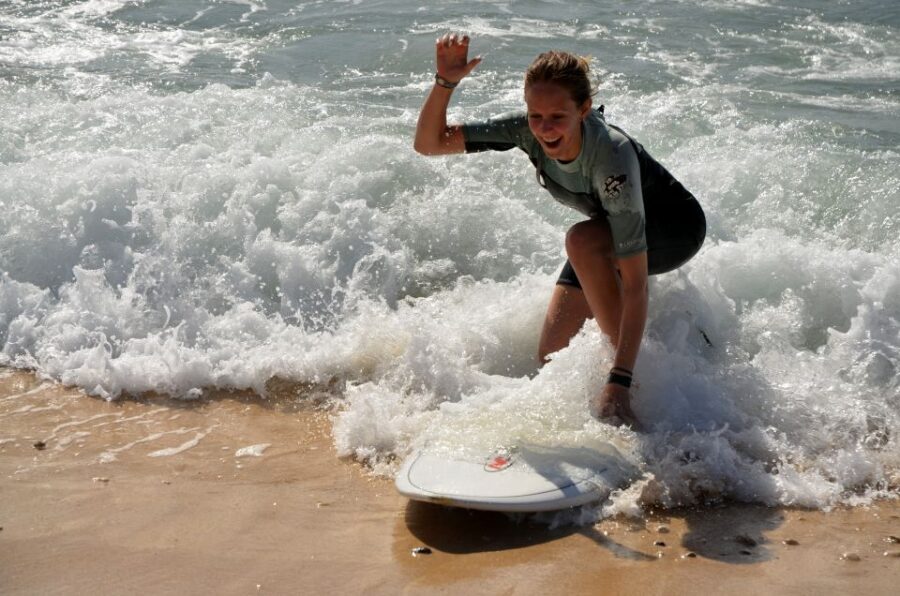
This is a good match if you:
- Want to learn as a beginner, with technique explained on land before you go out
- Are an intermediate who wants corrections and practice in the right spot
- Can swim and are comfortable being in the ocean during an active lesson
- Want instructor guidance that adjusts to your level
It is not suitable if you:
- Are a non-swimmer
- Have mobility impairments
- Have low level of fitness
- Are under 8 years old
- Are over 70 years old
- Weigh over 287 lbs (130 kg)
That list is a bit strict, but it is also a sign that the lesson is designed around safety. A surf lesson is physical and timing matters because conditions change. If you are in a group that fits the stated limits, you will likely feel more supported and less rushed.
Budget and booking: how to judge the $40 price fairly
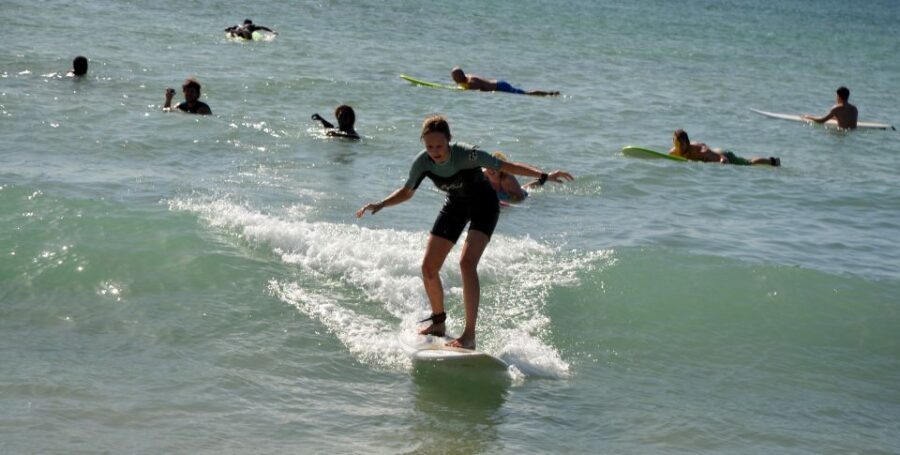
At $40 per person, you are not paying for a long, tour-bus day. You are paying for an instructor-led skill session with gear included. That is the best way to think about the value.
If you were to price surf instruction like a bundle, you would usually end up paying for:
- coaching time
- equipment rental or board access
- the logistics of getting you to a suitable beginner/intermediate area
Here, those elements are rolled into the lesson cost. The biggest “hidden cost” is not money—it is time planning. Because it depends on tide and weather, you need flexibility. But if you are already staying in Santa Maria and can adjust your day, that trade-off tends to feel worth it.
If you prefer extra attention, private lessons can be the move. If you are traveling as a couple or a small group and you are all similar skill level, group lessons can still be a good value.
Before you go: practical tips so the day runs smoothly
- Be ready to contact the provider by WhatsApp after booking so they can confirm your start time.
- Plan to arrive with enough time to meet the instructors, grab gear, and walk to Santa Maria Beach.
- Expect the session to run only when conditions are good for your level. If the ocean is not cooperating, the day changes.
- If you have your own footwear preference, consider bringing water shoes/rock shoes, since the provided ones may not feel great.
Most importantly, bring patience for the learning curve. The pop-up and staying steady are skills that click faster when you trust the technique your instructor is coaching.
Should you book this Sal Surf Lesson?
If you want a focused way to learn surfing in Cape Verde, this is an easy yes—especially for beginners who need technique explained step by step. The best part is the structure: beach instruction first, then an hour in the water with guidance matched to your level.
Book it if you can swim, you fit the listed suitability limits, and you are okay with schedule changes based on tide and surf conditions. Skip it if you are non-swimming, have mobility limitations that make ocean activities difficult, or you are not comfortable with the physical demands.
If you want the most confidence per minute, consider private instruction and aim for the calm, patient coaching style associated with Ruben.
FAQ
Where does the surf lesson take place in Sal?
The lesson is in Santa Maria on Sal. After you meet the instructors, you head to Santa Maria Beach, which is described as a good spot for beginners and intermediates.
How much does the surf lesson cost?
It costs $40 per person.
Is it a private or group lesson?
You can book either a private or a group surfing lesson.
What is included in the price?
The price includes a qualified instructor plus surf board and equipment for the duration of the lesson.
How long is the time in the water?
The lesson includes about an hour in the water catching waves and surfing.
Do I need to know how to swim?
Yes. Participants must be able to swim.
What should I do after booking to confirm the start time?
You should contact the provider via WhatsApp after booking. Start time can vary day to day for safety reasons, since teaching happens at high tide.
What languages are offered for the lesson?
The lesson is offered in English, Portuguese, Spanish, Italian, and French.