REVIEW · PRAIA
Cultural Tour on Santiago Island
Book on GetYourGuide →Operated by Kapverden Tours · Bookable on GetYourGuide
You can fit a lot of meaning into four hours. This Santiago Island tour links the present-day capital, Praia, with the site of the first European-built city in the tropics south of the Sahara, Cidade Velha. I like the clear focus on both politics/economics and street-level culture, and I also like the hands-on market stop that helps you see Cape Verde through everyday life, not just monuments. The main drawback: it’s a short half-day, so if you’re chasing a long checklist of stops, this one may feel too light.
You’ll start in Praia, the island’s center of daily movement, and you’ll get a guide who works in English, French, or Portuguese. Expect a quick drive (about 15 km) after Praia, then time in Cidade Velha to see the area’s main religious and political sights. One thing to consider upfront: entry to Fortress is optional and costs an extra €5, so decide early if you want that add-on.
In This Review
- Key points to notice before you go
- Getting oriented in Praia: the capital you actually live in
- Markets in the capital: where culture shows up fast
- Drive time to history: why 15 km matters
- What you’ll learn on the way (and why it helps)
- Cidade Velha: the first European city south of the Sahara
- Religious monuments: how belief shapes the town
- Political monuments: understanding the power map
- Fortress add-on: whether the extra €5 is worth it for you
- How long is enough? The 4-hour pacing that fits cruise stops
- Price and value: what $64 buys you (and what it doesn’t)
- Guides make the difference: how to get the most from this tour
- Who this tour suits best (and who should think twice)
- Should you book it? My honest recommendation
- FAQ
- What is the duration of the Cultural Tour on Santiago Island?
- What does the tour cost?
- Where do you get picked up and dropped off?
- Are tickets for Fortress included?
- What languages are available for the live tour guide?
- How long do you have to cancel for a full refund?
- Are pickup times flexible on arrival?
Key points to notice before you go

- Praia first, with the capital’s economic and political side: you see the “now” before the “then.”
- A market visit in the capital: you get color, bargaining energy, and local rhythm in a way monuments can’t.
- Cidade Velha as the first European-built city south of the Sahara: it’s a big historical label with real physical anchors.
- Religious and political monuments, not random sightseeing: the route follows the story Cape Verde tells about its formation.
- Short and efficient for cruise stops: four hours works when your ship doesn’t give you much time.
- Your guide is the engine: the experience depends on their explanations and pacing.
Getting oriented in Praia: the capital you actually live in
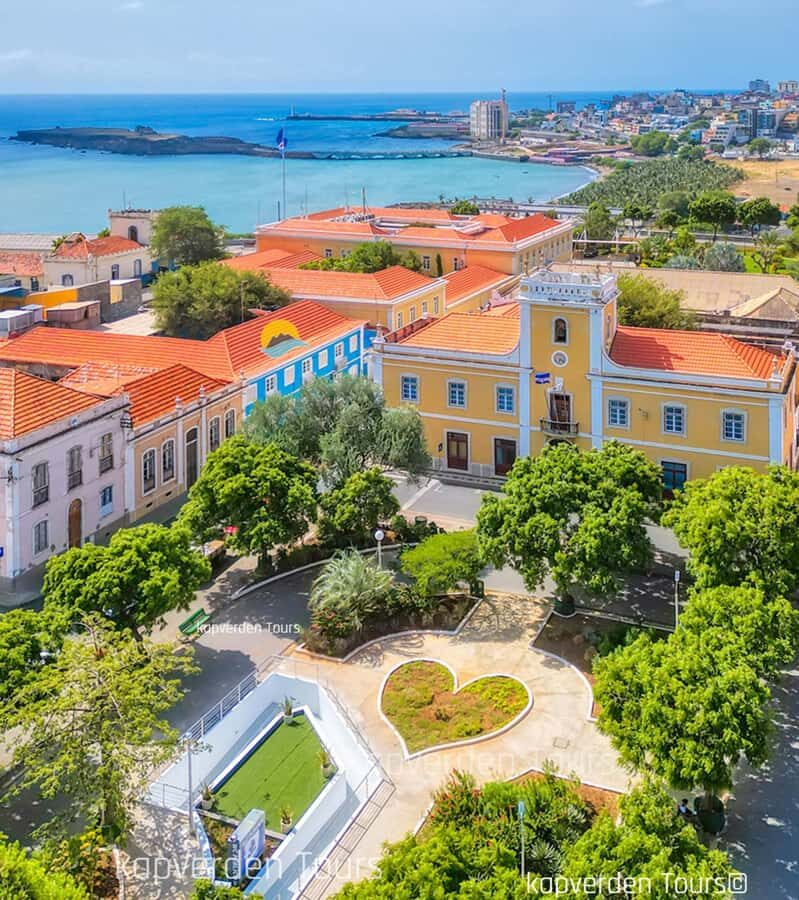
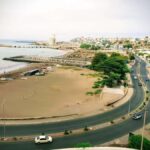
The tour begins with hotel or harbor pickup and drop-off, which matters on Santiago because you don’t want to spend your limited time figuring out transport. You’ll head into Praia, Cape Verde’s current capital and the island’s hub for government, business, and daily services. Even before you reach Cidade Velha, this part gives you context: Cape Verde’s identity is not only historical, it’s lived.
I like how the experience starts with a city that’s still functioning, not just a “museum town.” When you walk the streets of Praia with a guide, the architecture and street layout make more sense, because you’re seeing how people move, work, and trade today. If you’re coming from a cruise day, this is also the smarter use of time: you get a cultural hit without burning hours on logistics.
You can also read our reviews of more historical tours in Praia

Markets in the capital: where culture shows up fast
One highlight is visiting the most colorful market in the capital. That’s not a throwaway line. Markets are where you notice textures and routines: how people carry goods, how vendors talk to each other, and what kinds of products dominate the stalls. It also gives your guide a natural way to explain how the capital shaped daily life—economic activity isn’t separate from culture here.
If you want photos, bring your camera-ready patience. Markets are energetic and busy, and you’ll get the best results by slowing down and watching first, then taking pictures. Also, think about what you want to buy (if anything) early, since it’s easy to lose time when you’re trying to both browse and photograph everything.
Drive time to history: why 15 km matters
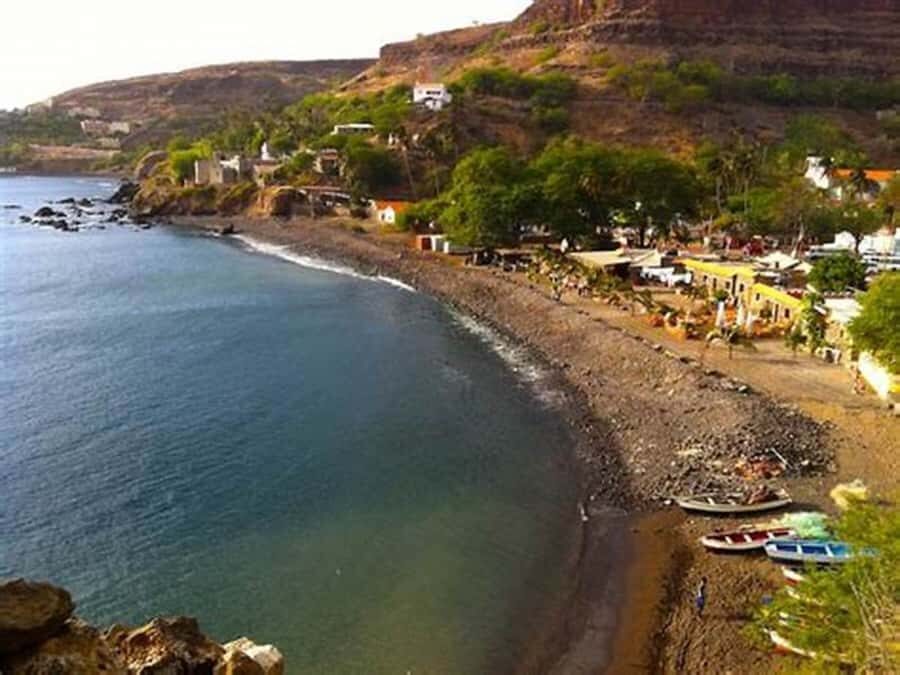
After Praia, you’ll drive about 15 km to Cidade Velha. That distance isn’t huge, but it can feel like a switch from modern capital energy to older roots. The point isn’t the road—it’s what the road connects. You’re moving from the place where Cape Verde’s political and economic life operates today to the location that represents its earlier formation under European influence.
This is a good moment to reset your expectations. You’re not touring every corner of Santiago. You’re tracing a line: present to origin, and daily life to foundational history.
What you’ll learn on the way (and why it helps)
The tour is led by a professional guide who speaks English, French, or Portuguese. The value here is interpretation: the same buildings and streets can look “pretty” without explanation, but with guidance they start to tell you why they were made that way. A good guide helps you connect what you see in Praia’s streets to what you’ll understand later in Cidade Velha’s monuments.
If you’re the kind of traveler who likes your photos with context, this format usually works well.
Cidade Velha: the first European city south of the Sahara
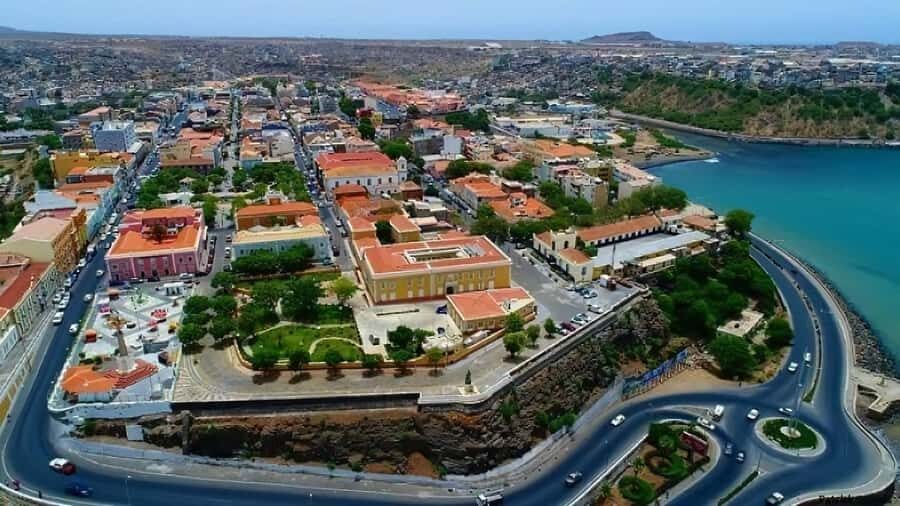
Cidade Velha is the core historical stop of this experience. The tour focuses on the area as the first city built by Europeans in the tropics south of the Sahara, and that framing changes how you look at everything once you arrive. You’re not only visiting a UNESCO-style label—you’re seeing religious and political sites that are tied to how power and belief were physically organized.
The tour specifically includes visits to the main religious and political monuments of Cidade Velha. That selection is practical. It avoids the trap of “random monuments with no thread,” which can happen on short tours when time is tight.






Religious monuments: how belief shapes the town
Religious sites tend to anchor older cities, and Cidade Velha is presented through that lens. Even without deep architectural specifics provided in the tour details, you can expect the guide to connect these spaces to the historic development of the community. These are places where the past is visible in stone, layout, and symbolic function.
If you’re taking the tour on a cruise day, treat this segment as your “slow down” block. The goal isn’t to rush for photos. It’s to absorb what kind of society built and maintained these spaces.
Political monuments: understanding the power map
Alongside the religious sights, you’ll also see the main political monuments. Together, religious and political stops tell a fuller story than either alone. Cape Verde’s history isn’t only about who controlled the land; it’s also about how institutions shaped identity over time.
This is also where you’ll understand why the tour pairs Praia and Cidade Velha. In Praia, you get the living capital. In Cidade Velha, you get the foundation—then you can compare how authority and community showed up in different eras.
Fortress add-on: whether the extra €5 is worth it for you
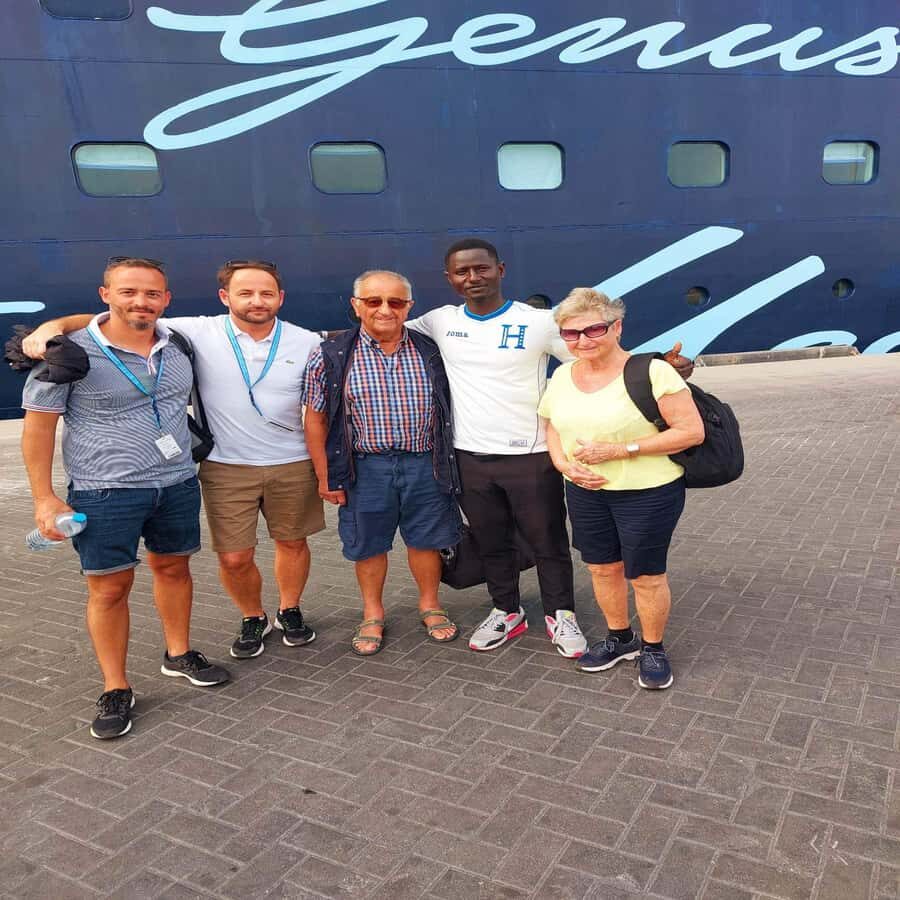
The tour does not include an entry ticket to Fortress. The ticket is optional and costs €5. This is one of those small choices that can matter for value, especially on a half-day schedule.
If you’re the type who enjoys defensive architecture and you like seeing how fortifications functioned historically, the fortress stop could be a satisfying add-on. If you’d rather prioritize the core religious and political monuments and keep energy for the market and walking time, you can skip it without breaking the experience.
How long is enough? The 4-hour pacing that fits cruise stops
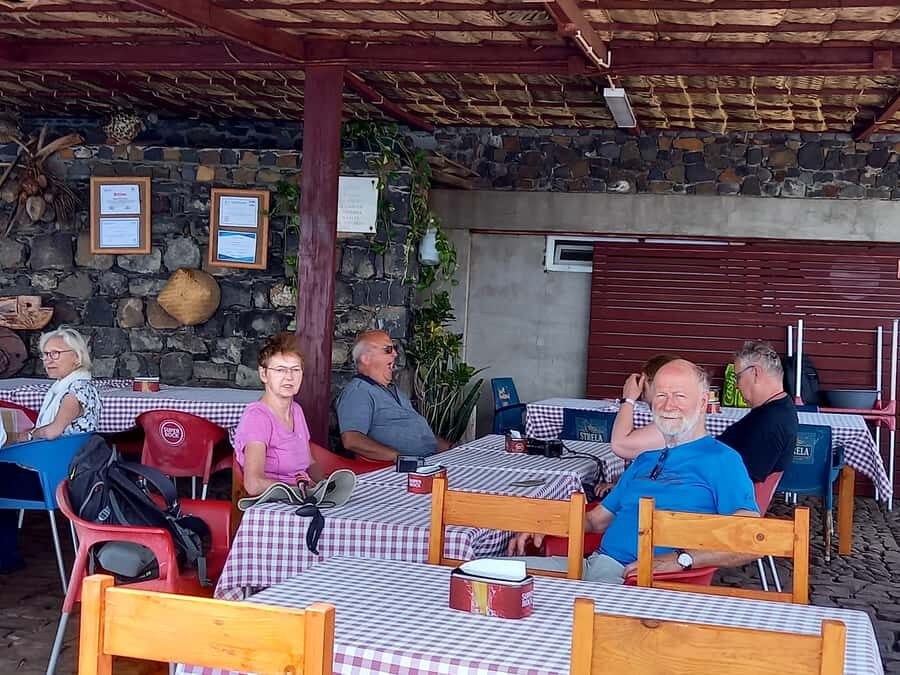
The duration is 4 hours, which is both the strength and the limitation. It’s strong because it’s structured enough to feel complete in a short time window. It’s limiting because there’s no way this route becomes a full-day “cover everything” sightseeing plan.
A useful way to think about the pacing: this tour is built for travelers who want a snapshot that makes other independent exploring easier afterward. After Praia and Cidade Velha, you’ll likely feel more confident understanding what you’re seeing on the rest of Santiago, because you’ll have the basic story in your head.
Price and value: what $64 buys you (and what it doesn’t)
At $64 per person for a 4-hour guided tour, the value is in the combination: pickup/drop-off, a guide in your chosen language, and the time-efficient pairing of Praia with Cidade Velha. Without guidance and transport, it’s easy to lose time—especially on a cruise day—so the package helps you spend your hours where they matter.
What’s not included is the Fortress entry ticket (€5 optional). That’s a small extra, and it won’t surprise you if you decide based on interest rather than cost anxiety.
Also, the presence of liability insurance is a quiet quality marker. It won’t change your photos, but it contributes to the overall sense that the provider operates professionally.
Guides make the difference: how to get the most from this tour

The tour’s quality depends heavily on the guide, and the experience is described as strong on explanations and willingness to answer questions. The most positive feedback points toward guides who are both prepared and friendly, with a touch of humor that keeps things light even when you’re talking about older, weightier history.
Here’s how you can get more value immediately:
- Ask one question early in Praia about how the capital’s role connects to what you’ll see in Cidade Velha.
- If you’re drawn to photos, ask where to stand so you don’t block foot traffic while trying to get a shot.
- If your language is English, French, or Portuguese, use it. You’ll likely understand more when the guide can switch to the exact phrasing you’re comfortable with.
Who this tour suits best (and who should think twice)
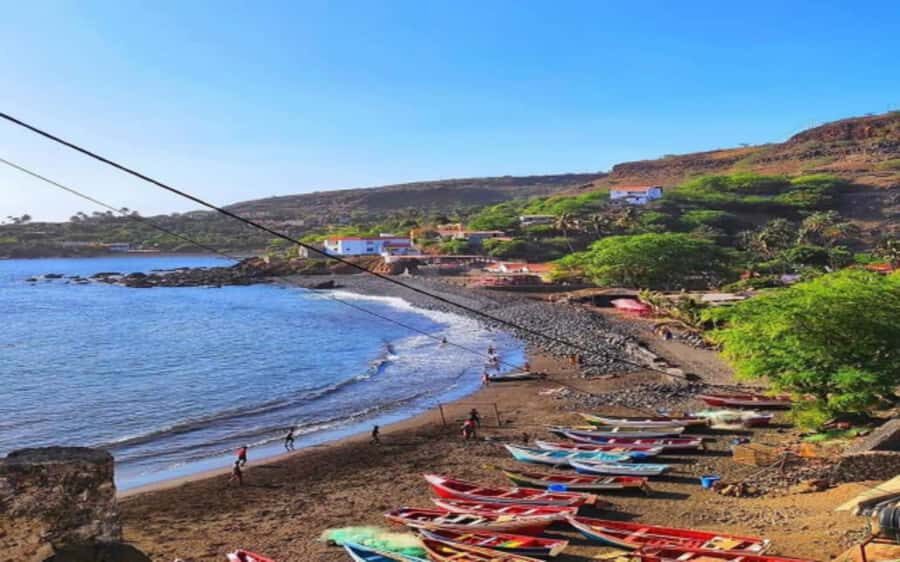
This is a great match if you want culture over checklists and you have limited time on Santiago. It also suits you if you like guided walking and interpretation, especially when a market stop is included.
It may not be the best fit if you expect lots of separate “major sights” stacked back-to-back. Because the route concentrates on Praia plus the core monuments of Cidade Velha, it stays efficient rather than expansive.
Should you book it? My honest recommendation

If you’re visiting Santiago Island with a tight schedule—especially on a cruise stop—I’d recommend booking this tour. It’s well-shaped for half-day time, it gives you both everyday capital life (Praia) and the foundational historic layer (Cidade Velha), and it includes the market piece that makes the culture feel real.
Book it if you want a guided story with practical pacing and a chance to ask questions in English, French, or Portuguese. Consider skipping the Fortress add-on unless that specific type of site is a must for you. At $64 for a guided, transport-included route that covers both present and origin, you’re paying for clarity and time saved—which is exactly what most people need on Santiago.
FAQ
What is the duration of the Cultural Tour on Santiago Island?
The tour lasts 4 hours.
What does the tour cost?
The price is $64 per person.
Where do you get picked up and dropped off?
You get hotel or harbor pickup and drop-off.
Are tickets for Fortress included?
No. Entry ticket to Fortress is not included. It costs €5 and is optional.
What languages are available for the live tour guide?
The live tour guide is available in English, French, and Portuguese.
How long do you have to cancel for a full refund?
You can cancel up to 24 hours in advance for a full refund.
Are pickup times flexible on arrival?
The guide will wait no longer than 5 minutes after the scheduled pickup time.