REVIEW · CIDADE VELHA
Santiago Island: Highlights of Cidade Velha with Local Guide
Book on GetYourGuide →Operated by Bu Country Tours · Bookable on GetYourGuide
Cidade Velha feels like a time machine with a skyline. This 3-hour guided tour is a fast, focused way to understand how European colonization shaped Cape Verde, while you walk through the town’s big landmarks and viewpoints, including the Royal Fort. You’ll get the context on the spots you’d otherwise just pass by.
Two things I really like: the mix of major sights (Fortress, cathedral ruins, convent) with the harder story of the former slave market in Pelourinho, and the fact that you’re not left to guess what you’re seeing. A good guide matters here. One thing to consider: the São Filipe Fortress has a 5-euro-per-person entrance fee (so budget a little extra), and it’s closed on holidays.
In This Review
- Key things to know before you go
- Why Cidade Velha deserves a guided 3 hours
- Pricing and value: what $57 actually buys
- Pickup, duration, and the walking reality
- The heart of the tour: first European city in sub-Saharan Africa
- São Filipe Royal Fortress: pirates, views, and extra entry fee
- Sé Cathedral ruins: standing in the footprint of an early cathedral
- Pelourinho (former slave market): the hardest stop, handled with context
- Calhau fishing bay and meeting local fishermen
- Banana Street and the Convent of São Francisco: colonial streets with local character
- Shared group vs private: choosing the right pace
- Language and guide quality: what to expect
- What to bring for a smooth outing
- Should you book this Cidade Velha highlights tour?
- FAQ
- How long is the Cidade Velha highlights tour?
- How much does the tour cost?
- Is pickup and drop-off included?
- Where does the tour start?
- Is the São Filipe Fortress entrance fee included?
- What’s the main walking route like?
- Which languages are available for the guide?
- Is it available as a shared group tour?
- Can I choose a private tour?
- Is the São Filipe Fortress ever closed?
Key things to know before you go
- Expert-guided walking route through Cidade Velha’s most important historic areas, not a drive-by tour
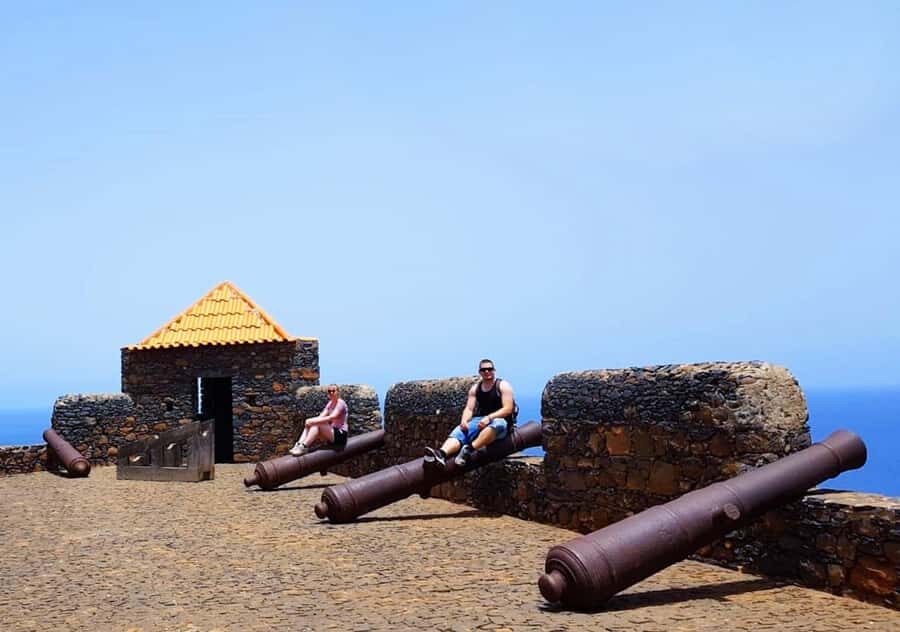
- São Filipe Royal Fortress viewpoint for sweeping views, with an extra paid entrance fee
- Pelourinho (former slave market) stop that gives you the context behind the buildings and street names
- Cathedral ruins tied to the story of early Christianity in sub-Saharan Africa
- Banana Street + traditional thatched houses for a slower, more local-feeling stretch
- Black-sand beach time and local fishermen moments near the end of the tour
Why Cidade Velha deserves a guided 3 hours

Cidade Velha (often called the birthplace of Cape Verde’s nation and culture) isn’t just old churches and pretty walls. It’s a living shoreline of stories: Portuguese influence, Atlantic trade, piracy, and the dark chapters tied to the slave system. The town’s highlights are spread out and layered, so you’ll get more meaning by going with a guide who can connect the dots while you walk.
This is also the kind of tour where time matters. Three hours isn’t long enough to wander aimlessly, which is exactly why it works. You’ll see the key stops, get the history in manageable pieces, and still have time to take in views—especially from the fortress area—without feeling like you’re sprinting.
If you’re coming from Praia, the pickup-and-drop-off format keeps the logistics simple. You don’t have to figure out timing, transport, or routes. You just show up ready to walk and listen.
You can also read our reviews of more tours and experiences in Cidade Velha.

Pricing and value: what $57 actually buys
At $57 per person for a 3-hour guided experience, the value is mainly in three places: transportation, a tour guide, and a tight route that hits top sites. You’re paying for interpretation, not just movement.
Two cost notes to keep you from getting surprised:
- The tour doesn’t include the São Filipe Fortress entrance fee (5 Euros per person).
- Lunch isn’t included, so plan to eat before or after, depending on your schedule.
If you compare this to the cost of paying for individual entry fees plus paying for a guide separately, the pricing starts to make sense fast. You’re buying one guided afternoon that connects history, viewpoints, and local life.
Pickup, duration, and the walking reality
This tour runs for about 3 hours, and there are pickup options including Praia and Cidade Velha. Drop-off is also offered back to Praia and/or Cidade Velha, depending on the option you pick.
The route is built around walking. You’ll be moving through streets and along key viewpoint areas, including the fortress zone and several historic stops. It’s not described as a long hiking day, but you should still wear shoes you’re happy to get dusty, and bring water (that’s explicitly recommended).
If you’re the type who hates being late but also hates rushing, aim to arrive a few minutes early at pickup. The tour is paced, not chaotic, and a smooth start helps you enjoy the first sights.
The heart of the tour: first European city in sub-Saharan Africa
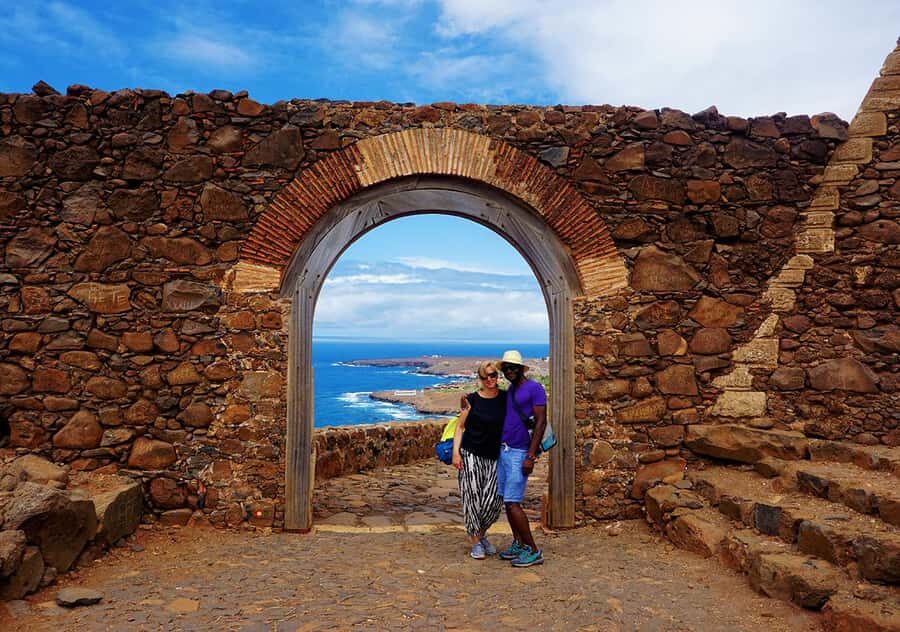
The big idea behind Cidade Velha is simple: it was the first city built by Europeans in sub-Saharan Africa. That single fact changes how you look at the town. Instead of thinking of it as an old town to photograph, you start seeing it as a hub where power, religion, maritime trade, and forced labor all intersected.
Your guide’s job is to make that intersection clear while you’re standing where it happened—at the churches, the fortress, the market area, and the streets named for daily life.
In past experiences with guides on this route, I’ve noticed a common pattern: strong guides don’t just list dates. They explain why each place exists in the first place. Names I’ve seen connected with this tour include Yvonne, Ricardo, Andrew, Jose, and Ailton, and the through-line is confidence in English and Cape Verdean context (with one note that occasionally pronunciation can be a little tricky).
São Filipe Royal Fortress: pirates, views, and extra entry fee
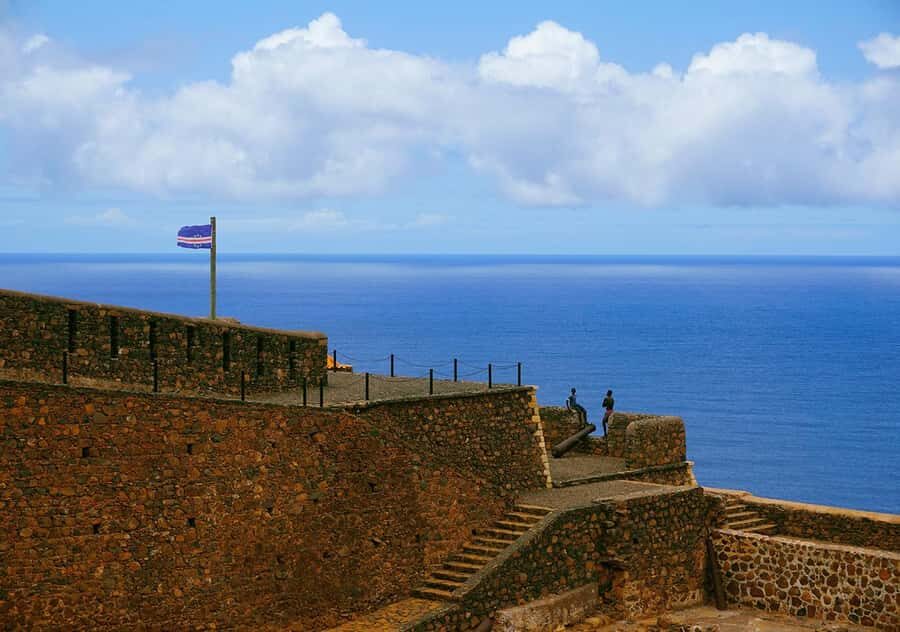
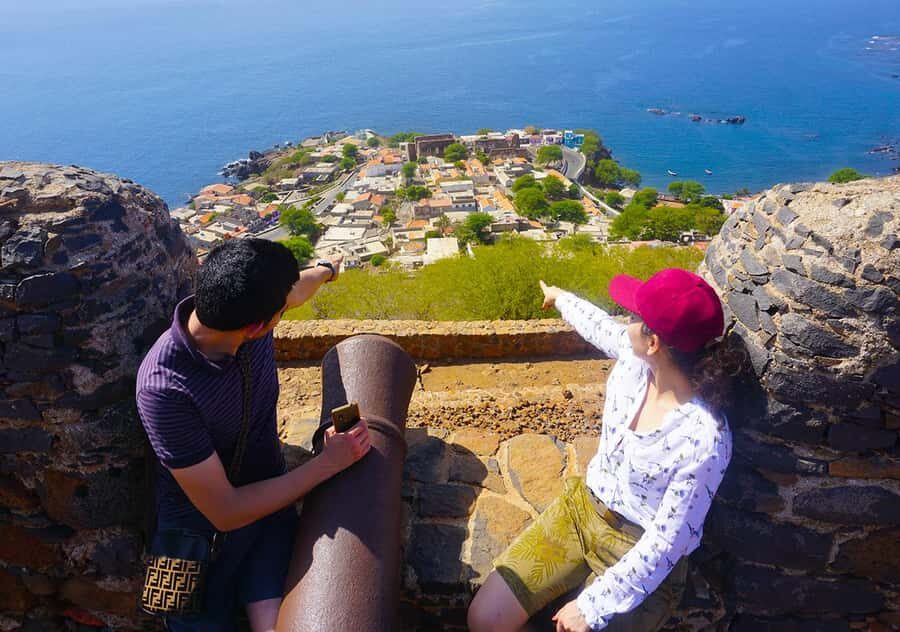
Your tour starts by heading toward the São Filipe area. The fortress is described as the defense meant to protect the island against pirate attacks. That matters because it explains why the walls and the elevation exist. From up top, you don’t just get a view—you understand the purpose of the vantage point.
You’ll also get the panoramic perspective from the fortress zone, which is one of the most rewarding parts of Cidade Velha for pure sightseeing. You can see the colonial-era buildings and the way the coastline meets the town.
Just plan for one practical detail: the tour includes everything except the fort entrance fee. So bring cash or card if you can, and budget 5 Euros per person for this part.
Also note: the fortress is closed on holidays. If your dates line up with a holiday, you might need to adjust expectations for that specific stop.
Sé Cathedral ruins: standing in the footprint of an early cathedral
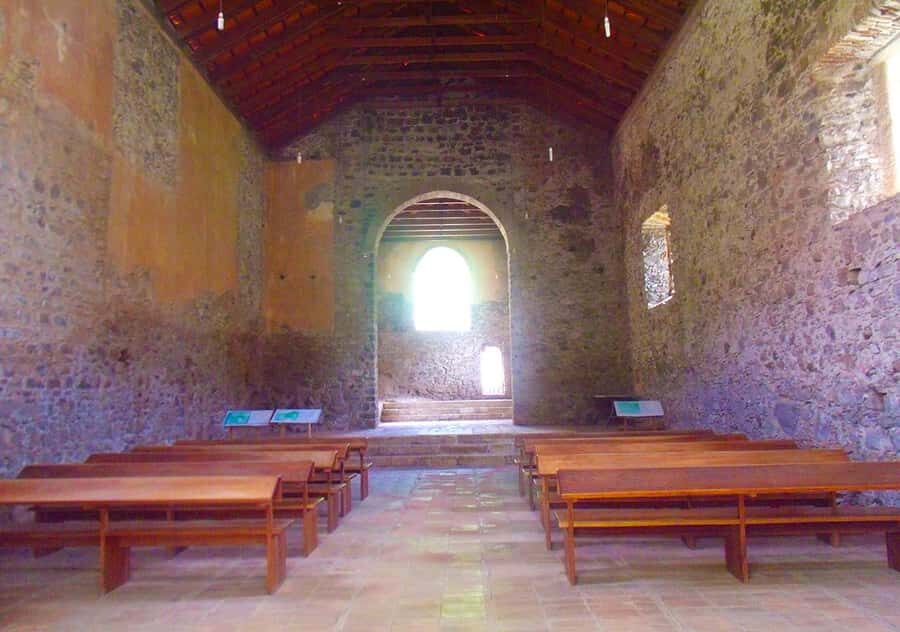
Next, you’ll visit the ruins of the Sé Cathedral. The tour description calls out something big: it was the first cathedral in sub-Saharan Africa. Even if the building you see today is mostly fragments, the location tells the story.
Ruins can feel like “just stones” if you’re missing context. With a guide, you’ll understand what the cathedral represented—religion as a tool of colonization, plus the way communities organized themselves around faith and authority.
This is a stop that works especially well if you like history that has physical weight. You don’t have to be a scholar. You just need someone to translate what the site likely meant to people at the time.
Pelourinho (former slave market): the hardest stop, handled with context
Pelourinho is where the tour turns serious. It’s the former slave market—often referenced as Pelourinho, sometimes described with the idea of the Pillory.
This part of the route is important because it refuses to treat slavery as a vague background note. The tour is structured so you reach the site and then get poignant historical context rather than just a quick photo and a walk-away.
I appreciate this stop in particular because it connects street space to history. It helps you understand how “normal” streets in an old town can sit on top of extraordinary violence and control. It also makes the later local-life moments more meaningful—you see both the past and the present, not just one version of the story.
If this topic hits you emotionally, that’s normal. Don’t try to rush past it. Let the guide finish the explanation before you move on to the next stop.
Calhau fishing bay and meeting local fishermen
After the cathedral area, the route continues toward viewpoints connected to the sea—Calhau fishing bay is mentioned as a place to take in panoramic views and a closer sense of daily life.
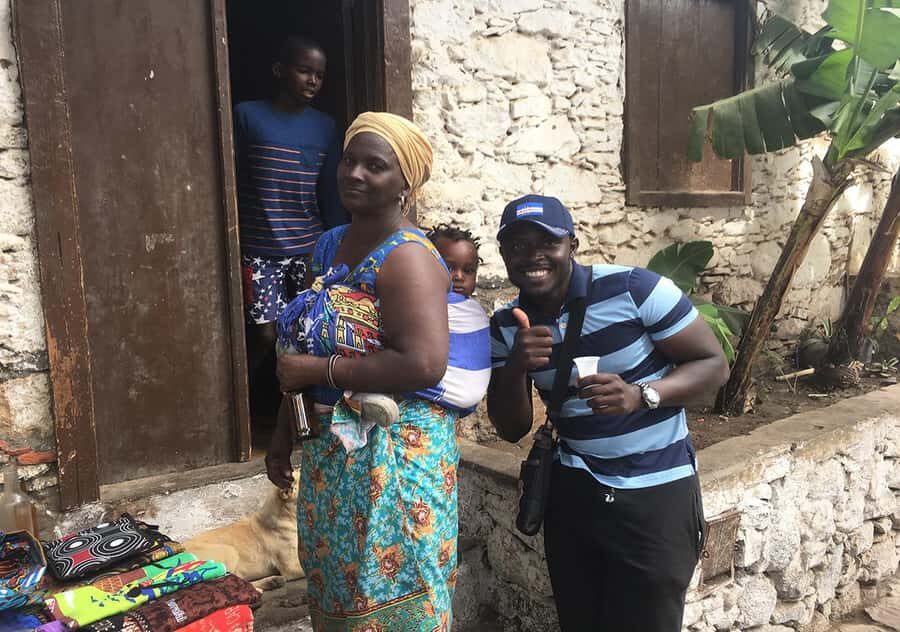
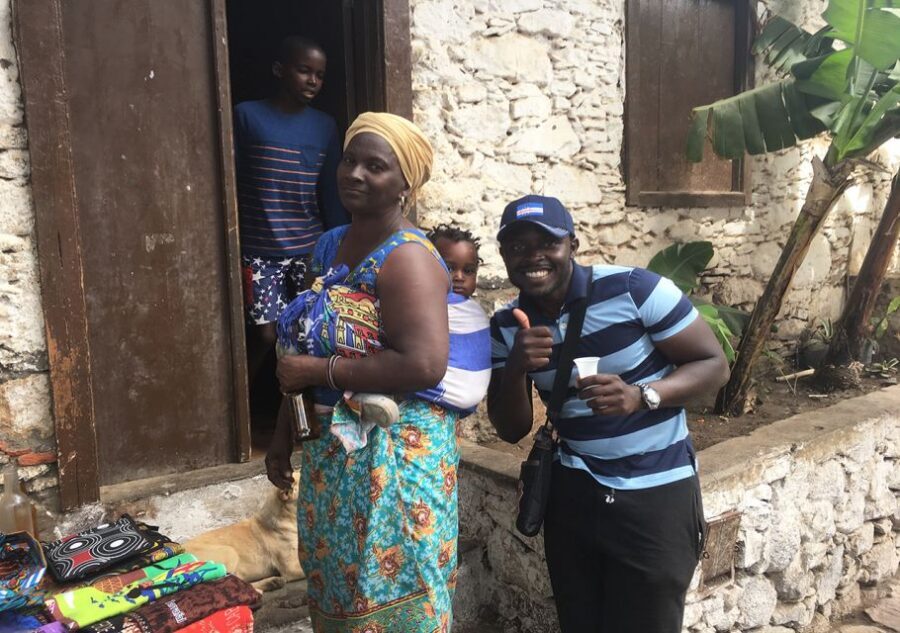
The tour also includes time to walk on a black sand beach and to meet local fishermen. These moments add real texture to what would otherwise be a purely historic itinerary.
One reason this works: it shows Cape Verde as more than “the past.” You’re standing in the same coastal setting where people still earn a living, and that’s hard to capture from a brochure.
If you want good interaction, keep it simple. Smile. Ask questions through your guide if needed. And remember that “meeting” doesn’t mean you’re entitled to private stories—just be respectful and curious.
Banana Street and the Convent of São Francisco: colonial streets with local character
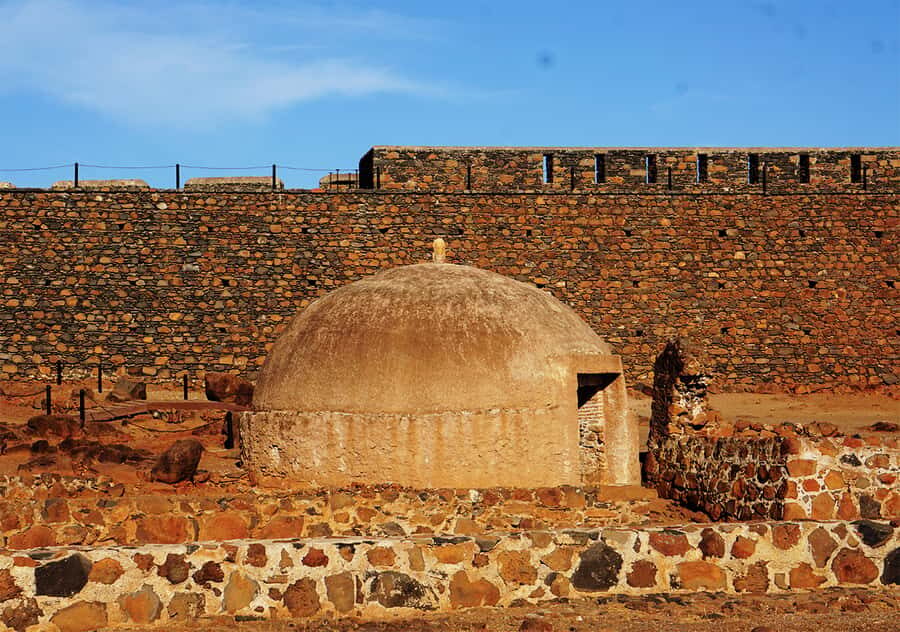
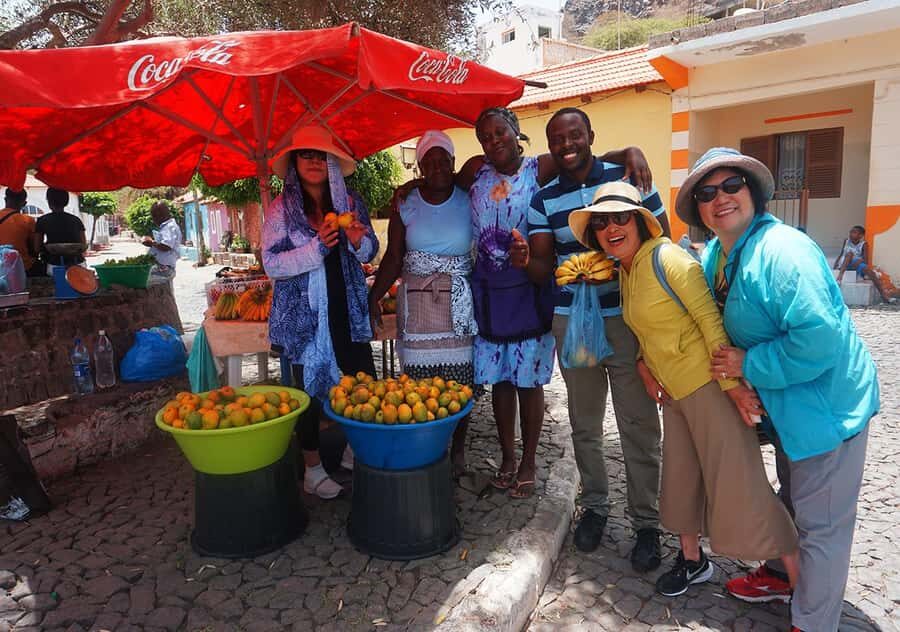
Banana Street is described as a walk with traditional thatched houses. That’s the part of the tour where your attention can soften. The town’s historic architecture is still there, but you get a more lived-in feel as you walk the street.
This is a helpful contrast after Pelourinho. It gives your brain a place to breathe while still keeping you in the same neighborhood and time period. A guide can also point out details you might not notice—how the buildings relate to the street, and why certain corners feel more intimate than others.
Then comes the Convent of São Francisco. Like the cathedral ruins, religious architecture here is part story, part symbol. The guide’s job is to explain why this kind of structure appears where it does and how it ties into colonial power and community life.
Shared group vs private: choosing the right pace
You can choose between a shared group option and a private or small-group option. The shared tour has a minimum of 2 participants. If that minimum isn’t met, the provider may propose another date, charge an extra fee to run privately, or cancel with a full refund.
So which should you pick?
- Choose shared if you want the social energy and you’re fine adapting to other people’s pace.
- Choose private/small-group if you want more questions, slower stops, or a more personal pace—especially helpful for the more complex history stops.
Based on how guides talk through the route, the pacing is usually “walk, stop, explain.” If your group is too large, you might lose some question time. That’s the one practical trade-off.
Language and guide quality: what to expect
The tour guide is offered in English, French, Portuguese, and Spanish. In the experiences I’ve seen tied to this route, English is generally strong. Names associated with great guiding include Ailton, Yvonne, Ricardo, Andrew, and Jose, and the recurring theme is patience and clear explanations.
Still, one review note highlights that understanding can vary slightly depending on pronunciation. If you’re sensitive to that, pick the language you feel most comfortable with and don’t be shy about asking the guide to repeat something.
Good guides on this route adjust their pace too. You’ll notice when someone is listening to the group instead of bulldozing through facts.
What to bring for a smooth outing
You only get one explicit “bring” item: water. I’d also add practical common sense: wear comfortable walking shoes and dress for sun, because the sightseeing includes outdoor walking and viewpoint time.
If you have any mobility limitations, this tour is mostly about walking in historic areas. You might find parts easy, while other stretches could feel tight depending on cobblestones and steps near fortress and older streets.
Should you book this Cidade Velha highlights tour?
Book it if you want a focused, high-impact introduction to Cidade Velha without spending the afternoon piecing together history yourself. This is the right choice if you care about context—especially around slavery, colonial power, and how those stories show up in real places.
You might skip it if:
- You’re only interested in scenic views and don’t want the heavy historical component.
- You’re traveling on a schedule where an extra 5 Euros entrance fee and potential holiday closures would throw a wrench in your plan.
If you do book, my advice is simple: arrive ready to walk, bring water, and let your guide connect the “why” to the “what.” Cidade Velha makes a lot more sense when someone turns the stones into a story.
FAQ
How long is the Cidade Velha highlights tour?
It runs for 3 hours.
How much does the tour cost?
The price is listed as $57 per person.
Is pickup and drop-off included?
Hotel pickup and drop-off are included from Praia, and the activity also lists pickup/drop-off options that include Cidade Velha.
Where does the tour start?
Pickup options include Praia and Cidade Velha.
Is the São Filipe Fortress entrance fee included?
No. The entrance fee for the fort is listed as 5 Euros per person.
What’s the main walking route like?
It’s a guided walking tour through Cidade Velha’s historic highlights, including visits and viewpoint stops, plus time at the black-sand beach.
Which languages are available for the guide?
The live tour guide is available in English, French, Portuguese, and Spanish.
Is it available as a shared group tour?
Yes, there is a shared group option, but it depends on a minimum of 2 participants.
Can I choose a private tour?
Yes. Private or small groups are available.
Is the São Filipe Fortress ever closed?
Yes. It is closed on holidays.