REVIEW · BOA VISTA ISLAND
Discover Scuba Diving Program for Beginners
Book on GetYourGuide →Operated by Diving Center Riamar · Bookable on GetYourGuide
Scuba in Boa Vista is a fast way to test the waters. I like that you get real beginner training (gear use, hand signals, shallow practice) before you go out with an instructor. I also like the small group setup (max 8), which makes it easier to ask questions and get help without waiting around. One thing to consider: this is not certification, so if you want the official course, you’ll still need to book that separately.
You’ll start with quick theory, then move into the hands-on part: breathing, basic skills, and communication. After that, you’ll do your first open-water experience under close guidance. The whole package is run by Diving Center Riamar, and the tone from the staff is friendly and calm, the kind of vibe you want when you’re learning something new.
In This Review
- Quick Hits (Why This Program Works)
- Boa Vista Beginner Scuba With Diving Center Riamar
- Two Days of Training: What You’ll Do, Step by Step
- Day 1: Get Set Up and Learn the Basics
- Day 2: First Open-Water Experience
- Theory and Gear Fit: The Stuff That Makes You Less Nervous
- Shallow-Water Practice: Where Confidence Is Earned
- Open-Water Session With an Instructor: Your First Real Test
- Communication in the Water: Hand Signals and Language Support
- Price and Value: Is $129 a Good Deal?
- What to Bring (So You Don’t Feel Like a Rookie Later)
- Who This Is For (And Who Should Skip It)
- The Small Group Advantage: Max 8 Means Less Waiting
- Language and Instructors: Making the Training Click
- Should You Book This Discover Scuba Diving Program in Boa Vista?
- FAQ
- How long is the Discover Scuba Diving program?
- What does the $129 price include?
- Do I need scuba certification to participate?
- What languages are available for the instructor?
- Is pickup from my hotel included?
- What should I bring with me?
- Who is this not suitable for?
Quick Hits (Why This Program Works)
- Small group, max 8: more attention per person, less time standing around
- Gear and communication training: you learn the basics of breathing, fit, and hand signals
- Shallow-water skills first: safer learning curve before any open-water time
- Instructor-led open-water session: guidance stays close from start to finish
- You get a clear answer on whether you want scuba certification
Boa Vista Beginner Scuba With Diving Center Riamar
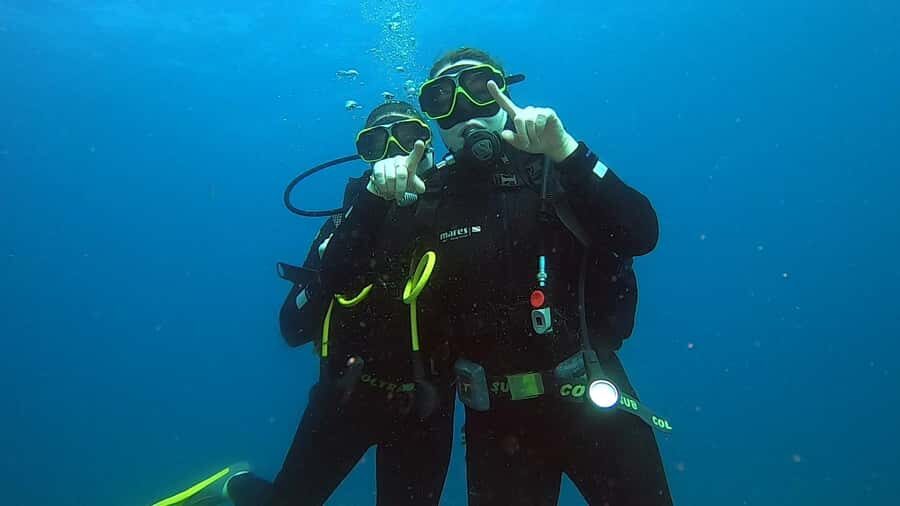
If you’re thinking about scuba but you’re not sure you’ll actually like it, this is one of the best ways to find out quickly. The setting helps, too. Boa Vista has the feel of a relaxed island trip, and your training stays focused on the essentials: how scuba gear works, what your body needs to do underwater, and how you’ll communicate.
This program is listed as Discover Scuba Diving for beginners. That wording matters. You’re not being treated like a seasoned diver. You’re being taught like a first-timer, with a structured flow: brief theory, shallow practice, then a guided experience in open water with an instructor.
One more practical point I appreciate: the instruction team can work in English, Portuguese, Spanish, and French. That’s useful if you’re traveling with mixed-language partners or if you’d rather not rely on gestures alone when you’re nervous.
The instructor-to-student support is part of why this works. With only up to 8 participants, you’re less likely to get lost in the crowd. It also means the instructor can correct your technique faster, which is a big deal when you’re learning buoyancy, breathing rhythm, and basic control.
You can also read our reviews of more tours and experiences in Boa Vista Island.


Two Days of Training: What You’ll Do, Step by Step
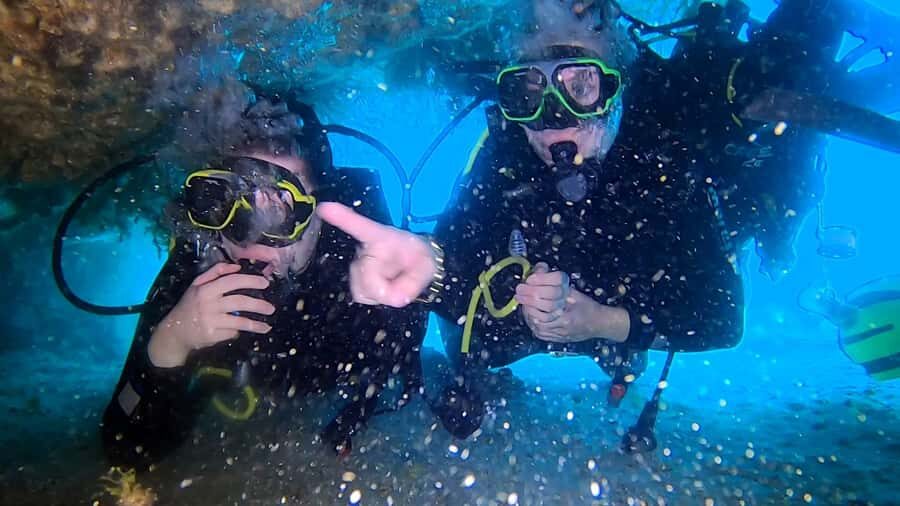
The program runs 2 days. Your exact start time can vary, but the structure is consistent. Plan on a full, practical training rhythm rather than a “sit and watch” day.
Here’s the flow in plain terms:
Day 1: Get Set Up and Learn the Basics
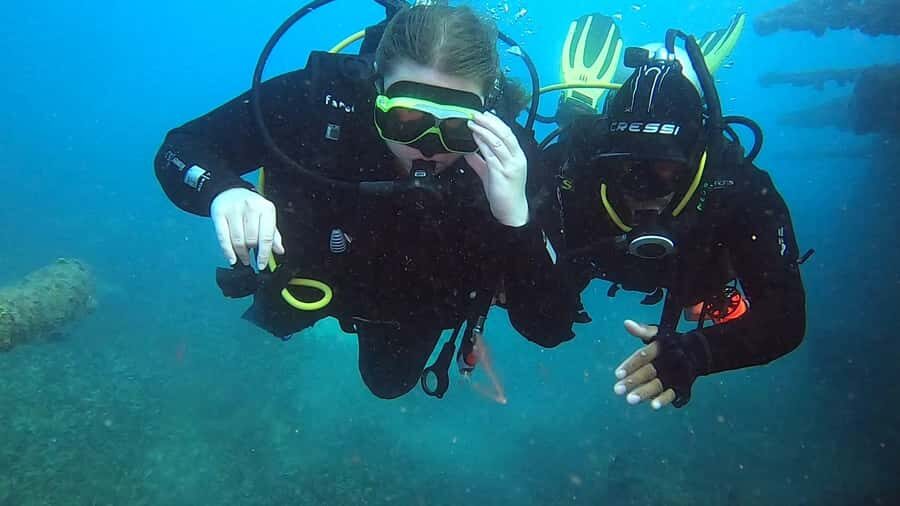
You’ll begin by meeting your instructor and getting oriented. You’ll learn how to use the scuba gear, not just what it’s called. For first-timers, gear use is where comfort starts. If your mask fits wrong or your breathing feels odd, the rest of training becomes harder.
You’ll also practice hand signs. Underwater, your voice doesn’t travel. So learning the key signals early helps you feel safer and more in control. In practice, this reduces that helpless feeling that many newcomers have when they can’t “explain” what they’re thinking.
Then you’ll do a short theory lesson. It’s brief, but it’s aimed at real-world moments you’ll face underwater. Not theory for the sake of theory.
After that, you’ll practice some basic skills in shallow water. This is where confidence is built. Shallow water keeps things manageable, especially when you’re focusing on breathing and staying calm.
Day 2: First Open-Water Experience
On the second day, you’ll take what you learned and apply it during a guided open-water session. The idea is simple: you don’t just want to try gear in a pool-like setup. You want the real feeling of being in open water with an instructor guiding you.
The program includes a guided open-water dive experience in the sense of a first underwater outing with close supervision. Expect it to be beginner-paced, with the instructor staying focused on safety and basic control.
At the end, you should have a clear sense of whether scuba is for you. Many people come out thinking: I could do this again, or I’m glad I tried it, but I’ll choose snorkel trips instead. Either way, you leave with better information than guessing.
Theory and Gear Fit: The Stuff That Makes You Less Nervous
A lot of first-timers worry that scuba will feel complicated or scary. This program helps because the early steps are about comfort and communication.
You get a brief theory lesson and then you move quickly into gear use. That sequence matters. If you learn the gear first, the theory stops being abstract. Instead of memorizing concepts, you understand how they connect to what you’re doing.
Here’s what you’re effectively training:
- How to handle the equipment confidently
- How to breathe through the regulator without panic
- How to read basic signals underwater using hand signs
The gear is included, which is a big value point. Buying or renting equipment separately can easily add cost and hassle. Here, your focus stays on learning, not on figuring out whether your gear rental is right for your body.
Also, the instructor’s job is not just to keep you safe. It’s to help you get comfortable with the routine: listening, learning, practicing, and then doing it again with small corrections.



Shallow-Water Practice: Where Confidence Is Earned
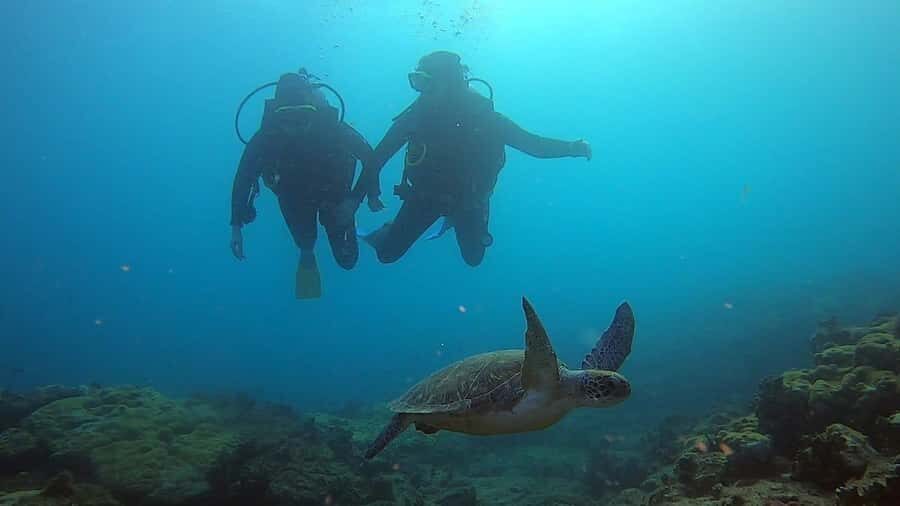
The shallow-water portion is the heart of this beginner approach. It’s where you get to learn the mechanics without the pressure of being far from the surface.
You’ll practice basic scuba skills in shallow water, which is exactly what you want when you’re new. That practice phase is about muscle memory and calm breathing. It’s less about showing off and more about staying steady.
If you’re the kind of person who needs to feel comfortable before you try something new, this section is a win. You’re not thrown into the deep end. You get to make mistakes safely, then improve with coaching.
And shallow practice helps you understand one key truth: scuba is not just about “going underwater.” It’s about controlling your breath, managing your body position, and communicating clearly.
Open-Water Session With an Instructor: Your First Real Test
The open-water time is where this experience turns from training into a memory you can actually talk about. You go out with an instructor, so the goal stays beginner-friendly: follow instructions, stay relaxed, and focus on the basics you practiced.
This is also your moment to check reality. You might love the feeling of being underwater, or you might realize you prefer staying near the surface. Either response is valid. The program is designed to help you learn what you really want.
The “included” part is important here. You get guided open-water time as part of the program, plus all necessary scuba gear. That means you’re not paying extra per outing once you’re already booked.
One more thing: the small group size still matters on open water. If there are only a handful of people, your instructor can keep closer track and give you quicker feedback.
Communication in the Water: Hand Signals and Language Support
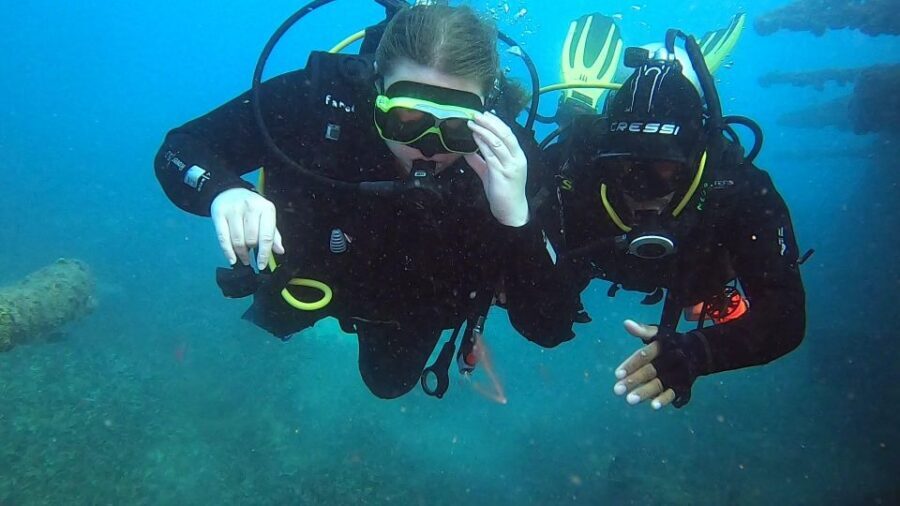
Underwater communication is a make-or-break detail for beginners. If you can’t understand what your guide is saying, you can’t relax. That’s why the program includes hand sign training as early as the gear lesson.
You’ll learn how to use the signals to communicate with your guide. Even if you forget a signal later, the training reduces panic because you’ve seen the system at least once and practiced it.
On top of that, instructor language support is clearly listed: English, Portuguese, Spanish, French. If you’re traveling from Europe and you want to feel secure about understanding directions, this is a real advantage.
For me, that combo is the sweet spot: a clear communication method underwater plus human instruction in a language you can follow.
Price and Value: Is $129 a Good Deal?
At $129 per person for a 2-day beginner program, this is priced like an intro experience, not a full certification track.
Here’s what you’re getting for the money:
- Brief theory lesson
- Shallow-water skills practice
- Guided open-water session
- All necessary scuba gear
Compare that to a full certification class: certification requires more days, more training, and extra evaluation. If you’re on the fence, paying for a short intro can save you time and money.
Also, this price includes the “hard parts” that beginners often struggle with: learning gear and building basic comfort. Those are the components that make people either commit to scuba or drop it.
There is one caution on cost beyond the activity price: transfers from certain hotels are not fully included the way you might expect. The info provided lists one-way fees for some hotels, and different pricing from others.
You can reduce surprises by planning this way:
- If you’re staying at a listed hotel with a transfer fee, budget for it
- If you’re near where the pickup is arranged, you may have a simpler situation
The program also states pickup is included outside your hotel/apartment about 30 minutes before the activity start. So don’t assume you’re arriving on your own at a set time. Build in time for that pickup window.
What to Bring (So You Don’t Feel Like a Rookie Later)
This is the easy stuff, but it affects comfort.
Bring:
- Swimwear
- Towel
- Sunscreen
- Water
That’s it. Simple list. And it’s exactly what you want for island training days when you don’t want to carry a full travel bag.
Dress plan tip: wear something you can rinse off and dry fast. Boa Vista sun can be strong, and you’ll likely be out in it before and after water time.
Who This Is For (And Who Should Skip It)
This program is specifically marked not suitable for:
- Pregnant women
- People with back problems
- Non-swimmers
It also fits best if:
- You want to test scuba before committing to certification
- You learn best with hands-on coaching
- You prefer a guided, structured beginner pace
And if you’re anxious about being underwater, you’ll probably appreciate the shallow-water practice first. That staged approach is the point. You’re not being forced into a high-stress scenario.
The Small Group Advantage: Max 8 Means Less Waiting
A limit of 8 participants is more than a number. It changes the feel of the day.
In a small group:
- You’re more likely to get direct corrections
- The instructor can watch you closely during skills practice
- You’re less stuck waiting while others figure things out
For beginners, that’s huge. Scuba training isn’t like a big tour where you only need to keep up. Technique matters, and early feedback matters.
Language and Instructors: Making the Training Click
The instructor supports multiple languages: English, Portuguese, Spanish, French. That’s a practical detail, not just a nice-to-have.
In the feedback I’ve seen for this type of experience, what stands out isn’t the technical talk. It’s the tone of the staff: friendly, patient, and focused on getting you through the learning steps calmly. That’s what you want when your brain is busy learning a new breathing rhythm and a new set of signals.
Even without naming individual instructors, the program’s language coverage signals that the center is used to international visitors and can keep training clear.
Should You Book This Discover Scuba Diving Program in Boa Vista?
If you’re curious about scuba and you want a realistic test drive without jumping straight into certification, this program makes sense. The price is reasonable for what’s included, and the structure is smart: theory, shallow skills practice, then guided open-water time with gear included.
Book it if:
- You want a first underwater experience with basic training built in
- You like the idea of a small group and close instructor attention
- You’re trying to decide if you’ll pursue full certification
Skip it if:
- You’re a non-swimmer or you fit one of the listed “not suitable” categories
- You want certification as the outcome of these 2 days
One last tip: check your pickup and transfer situation early so you don’t scramble on the morning of training. Once that’s handled, you’ll be free to focus on the best part—taking your first breaths underwater and learning if scuba feels right for you.
FAQ
How long is the Discover Scuba Diving program?
It’s a 2-day program. Starting times can vary based on availability.
What does the $129 price include?
Included are a brief theory lesson, skills practice in shallow water, a guided open-water experience, and all necessary scuba gear.
Do I need scuba certification to participate?
No. It’s designed for beginners and you can join without being certified.
What languages are available for the instructor?
The instructor can provide instruction in English, Portuguese, Spanish, and French.
Is pickup from my hotel included?
Pickup is included outside your hotel or apartment about 30 minutes before the activity start. Transfer costs are listed for some hotels, so check your specific location.
What should I bring with me?
Bring swimwear, a towel, sunscreen, and water.
Who is this not suitable for?
It’s not suitable for pregnant women, people with back problems, and non-swimmers.