REVIEW · BOA VISTA ISLAND
Turtle watching in Boa Vista Island
Book on GetYourGuide →Operated by Spot Travel Tours · Bookable on GetYourGuide
Turtle night on Boa Vista feels timeless. I love the focus on natural behavior and patient viewing—this isn’t a quick photo stop. I also love the conservation context the guide explains, turning a rare animal moment into something that makes you think about protection. One drawback: you’ll spend real time waiting on the beach, because the turtle only comes if she feels safe.
You should know what makes this tour work: it’s built around timing, darkness, and quiet. After a pickup at 7:00 p.m., you head to the beach, get instructions, then stay still as the turtle chooses her spot and lays. If you hate waiting, this may test your patience.
In This Review
- Key Points at a Glance
- Why Boa Vista Turtle Nights Are So Special
- Timing: July to September and the 7 p.m. Pickup
- Entering the Night Routine on the Beach
- The Turtle Process You’ll See: Digging, Egg-Laying, Camouflage
- Transport and Pacing: The 4×4 Ride and the Night Walk
- Price and Value: What $82 per Person Really Buys
- What to Bring for a Comfortable Turtle Night
- Who Should Book This Tour (and Who Should Skip It)
- Conversation Topics You’ll Hear: Conservation and Egg Monitoring
- Should You Book Turtle Watching on Boa Vista?
- FAQ
- When is turtle season for this tour?
- What time does pickup happen?
- What happens on the beach?
- How many eggs will the turtle lay?
- What should I bring?
- Is this tour included with transport?
- What languages are available?
- Who shouldn’t join this tour?
Key Points at a Glance
- July to September turtle season: the best window runs from July through the end of September
- Real beach waiting: you observe from a respectful distance while the turtle feels secure
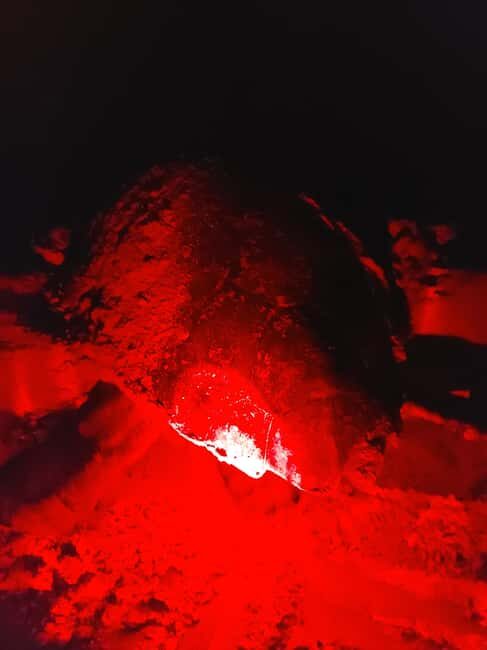
- Egg count range: you can witness egg-laying of 65 to 100 eggs
- Conservation-minded guide talk: you’ll learn why eggs are monitored before release
- 4×4 transport to the beach: expect a bumpy nighttime ride on the way in
Why Boa Vista Turtle Nights Are So Special
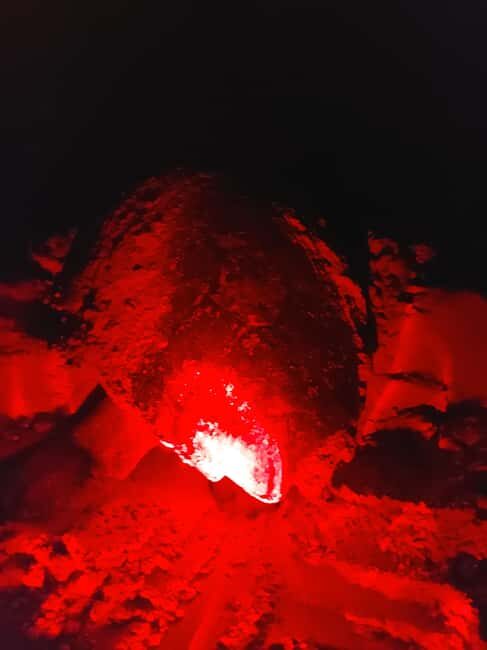
Boa Vista has a way of putting you face-to-face with life cycles that don’t care about your schedule. This turtle watching experience is built around one very specific moment: a sea turtle coming up the beach, choosing a place to lay eggs, then covering them before returning to the sea.
What I like most is the respect for the animal’s pace. The guide’s job isn’t to force anything—it’s to help you understand the process and stay quiet long enough for the turtle to do what she needs to do. That quiet part matters. If you rush, talk too loudly, or move around, you’re more likely to see nothing.
The second big win is the story you get along the way. During the night walk and beach briefing, you’ll hear why turtles need watching on Boa Vista—there’s even mention of how events on the island, including a yellow-fever episode, affected the situation and why conservation monitoring became important.
You can also read our reviews of more tours and experiences in Boa Vista Island.


Timing: July to September and the 7 p.m. Pickup
This tour runs during turtle season, specifically between July and the end of September. If you’re traveling outside those months, you’re likely to miss the egg-laying opportunity.
Pickup is set for 7:00 p.m. on Boa Vista, with hotel collection in the evening. Then it’s off by 4×4 vehicle toward the beach. You’re not just getting transportation—you’re getting to the right kind of night conditions. Sea turtle behavior is tied to darkness and safety, so the schedule is part of the experience, not just a logistical detail.
One practical note: night events can start with some uncertainty. If storms have disrupted the day, timing can shift. I’d suggest keeping your phone handy and being ready for a possible delay, even if the stated start time is 7 p.m.
Entering the Night Routine on the Beach
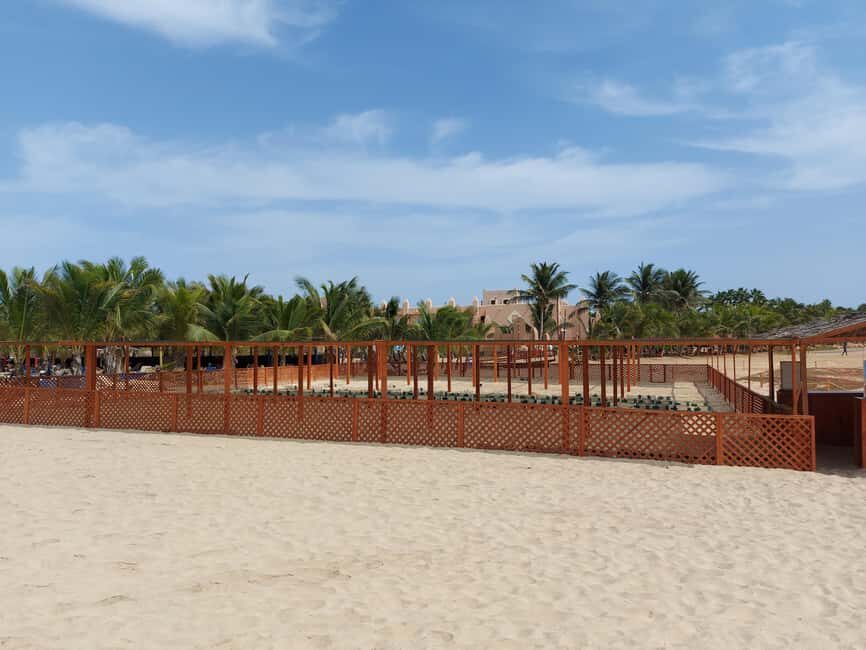
When you arrive, the guide gives a clear introduction to what you’ll see and how the procedure works on the beach. Expect a lot of “watch and wait.” The guide will explain why the turtle might not appear immediately: she’s cautious and won’t come ashore unless she feels safe.
This is where the tour becomes different from most wildlife activities. There’s no guarantee the turtle will show up on schedule. Instead, you’re learning how to read the situation. Sometimes you’ll simply be standing there in the dark while the guide helps you understand turtle behavior and what signs to look for.
Once the turtle starts moving up the sand, you’ll follow quietly. The goal is to keep a calm zone around her. This isn’t just etiquette—it’s part of giving the turtle a better chance to continue.
The Turtle Process You’ll See: Digging, Egg-Laying, Camouflage
This is the section people remember, because it’s real biology in real time. If the turtle feels secure, you’ll witness her going up the beach to find a suitable spot.
Here’s the sequence you can expect:
- She searches for the best place to lay eggs
- Then she begins preparing the ground, digging with her flippers
- If the sand or floor isn’t good, she may change her mind and look for another spot
- When she finds the right spot, egg-laying begins
- The eggs are laid in a count range of 65 to 100
- After laying, she closes the hole and camouflages it with sand
- Then she returns back toward the sea
That “if the sand isn’t right, she checks again” part is fascinating because it shows how purposeful the whole process is. This isn’t random. It’s a tight routine built for survival.
And yes, it’s possible to watch the entire cycle from arrival to sand covering. The night’s atmosphere adds to it—dark sky, sand underfoot, soft movement, then that deliberate covering of the eggs.
Transport and Pacing: The 4×4 Ride and the Night Walk
You get 4×4 vehicle transport, which is important here. Boa Vista beaches aren’t always an easy walk from town, and the road conditions in the dark can be rough. Expect a bumpy track as you head in.
Inside the group, the pace is slow by design. You’ll likely do some walking on the sand to reach the turtle once the guide directs where to find her. One review described the approach as moving quietly to where the guide guided them, and that matches how this type of event runs.
The night setting also means you’ll want to be ready for basic comfort. A jacket matters. Comfortable shoes matter. You don’t want to spend the most important hour of the evening thinking about cold feet or sore ankles.




Price and Value: What $82 per Person Really Buys
At $82 per person, you’re paying for more than “a chance to see turtles.” You’re paying for:
- evening access during the turtle season
- guided interpretation on the beach (so you understand what you’re seeing)
- 4×4 transport that helps get you to the right areas
- the time commitment and the patience required on-site
- a nature-and-conservation experience that isn’t done in a staged way
Value here comes from the process. If you just want a quick wildlife sighting, you might feel disappointed by the waiting. But if you enjoy slow travel, patient moments, and learning about protection work, $82 starts to make sense quickly.
Also, the experience has a clear “once in a lifetime” feel to it. You’re not watching a tank at a zoo—you’re witnessing an ancient species doing what she’s designed to do: lay eggs, cover them, and head back to sea.
What to Bring for a Comfortable Turtle Night
Bring items that keep you steady and comfortable. The tour recommends:
- Comfortable shoes (sand and darkness are the real test)
- A jacket (evenings can get cool, and you’ll be standing still)
- Biodegradable insect repellent (important for an outdoor night)
A few extra practical ideas that fit the data:
- Wear clothes you don’t mind getting sandy.
- If you have insect allergies, this tour is marked as not suitable—so don’t gamble with your health.
- If you’re sensitive to cold or stiff from waiting, consider layers and warm socks.
Who Should Book This Tour (and Who Should Skip It)
This is a great choice if you:
- love nature and want to see wildlife in its natural behavior
- enjoy night-time experiences and calm, quiet moments
- like learning the “why” behind conservation, not just the “what” you saw
It may not be the best fit if you:
- want constant action (you’ll wait)
- have limited mobility expectations, because the route includes a beach approach and time on sand
- have health concerns related to walking or standing for a while
The tour is not suitable for:
- children under 2 years
- people with back problems
- wheelchair users
- people with insect allergies
There’s also mention of a seat for a baby in the included items. Just keep in mind the age restriction: the tour still isn’t suitable for children under 2.
Conversation Topics You’ll Hear: Conservation and Egg Monitoring
One of the most praised parts of this experience is the explanation you get during the night. Expect the guide to discuss what happened to turtles around the island and why conservation monitoring matters. You’ll also learn that eggs are checked when they’re due to be released back to the sea.
That’s a key value-add. Without the context, egg-laying is just a cool moment. With the context, it becomes part of a bigger protection story—why people intervene, what they watch for, and how the process helps increase the odds for hatchlings.
If you like wildlife experiences that come with meaningful background, this is exactly the style you want.
Should You Book Turtle Watching on Boa Vista?
If you can handle an evening with waiting, and you’re traveling between July and September, I’d say this is a strong “book it” choice. The reason is simple: you’re watching a full turtle egg-laying cycle in natural conditions, and you’re not doing it in a rush.
Skip it if your top priority is predictable timing, easy walking, or minimal standing time. Also skip if insect allergies or mobility limits affect you.
If your idea of a great night is quiet, dark, and unforgettable—this is one of the most memorable ways to experience Boa Vista beyond the usual beach routine.
FAQ
When is turtle season for this tour?
The turtle season for Boa Vista is between July and the end of September.
What time does pickup happen?
Pickup at your hotel starts at 7:00 p.m.
What happens on the beach?
You arrive at the beach, get an introduction from the guide, then you wait quietly while the turtle chooses a safe spot to lay eggs. You watch the turtle dig, lay eggs, cover the hole with sand, and return to the sea.
How many eggs will the turtle lay?
The egg-laying is between 65 and 100 eggs.
What should I bring?
Wear comfortable shoes, bring a jacket, and pack biodegradable insect repellent.
Is this tour included with transport?
Yes. The tour includes a 4×4 vehicle.
What languages are available?
The tour languages include English, Italian, Portuguese, Spanish, and French.
Who shouldn’t join this tour?
It’s not suitable for children under 2, people with back problems, wheelchair users, or people with insect allergies.