REVIEW · PRAIA
Santiago: Longueira, Pico de Antónia & Monte Tchota Trek
Book on GetYourGuide →Operated by Bu Country Tours · Bookable on GetYourGuide
Santiago gives you a workout and big views. This guided day strings together Longueira village moments and a serious climb to Pico de Antónia, with Monte Tchota’s quieter nature at the end. I especially like how the route mixes real local stops (rum, school, bar) with views that make the effort feel worth it. One thing to consider: the hike is listed as very difficult, with narrow, sometimes slippery paths.
If you’re a strong hiker and you respect the mountain, this tour rewards you with panoramic payoffs and a front-row seat to Santiago’s plant and bird life. If you’re not, the climb and longer return on slippery ground can feel like a battle. The guides help, but good shoes and a steady pace matter.
In This Review
- Quick hits before you go
- Longueira, then straight into Santiago’s daily rhythm
- The rum distillery stop: more than a taste
- Pico de Antónia: where effort turns into panoramic payoff
- End with Monte Tchota/Txota: quieter nature and endangered birds
- Route options, difficulty, and what your body should expect
- Guides make the difference on Pico and the slippery return
- Photos: how to catch Pico, Fogo, and the big-horizon moments
- Price and value: $106 is fair if you respect the difficulty
- Who should book this Santiago trek?
- Should you book this Santiago: Longueira, Pico de Antónia & Monte Tchota Trek?
- FAQ
- FAQ
- Where do I get picked up for this trek?
- How long is the walking time?
- What’s the trail distance?
- Is this hike difficult?
- What elevation changes should I expect?
- What is included in the price besides the guide?
- Do we stop in Longueira and visit the rum distillery?
- Is there a picnic during the day?
- What should I bring for the trek?
Quick hits before you go
- Longueira feels lived-in, not staged: rum distillery, primary school stop, and Lemba Lemba Bar
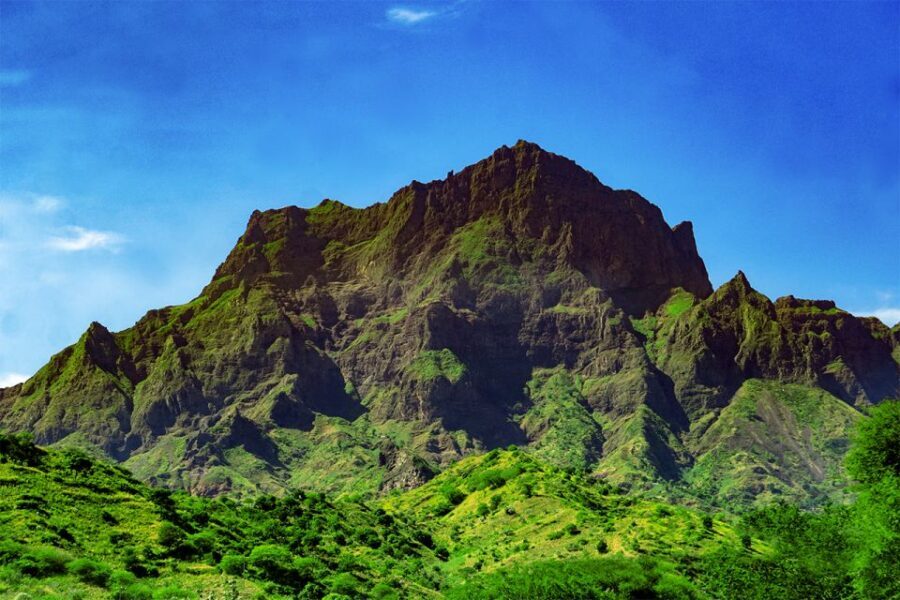
- Pico de Antónia is the real moment, with huge views over the São Jorge Valley and possible sights of Maio and Fogo
- Monte Tchota natural park ends the day quietly, focused on endemic plants, animals, and endangered birds
- Two route lengths let you match your fitness: about 9 km (very difficult) or about 6 km (difficult)
- You’ll need solid footing: narrow, tilted trail segments and an uphill effort that’s bigger than it looks
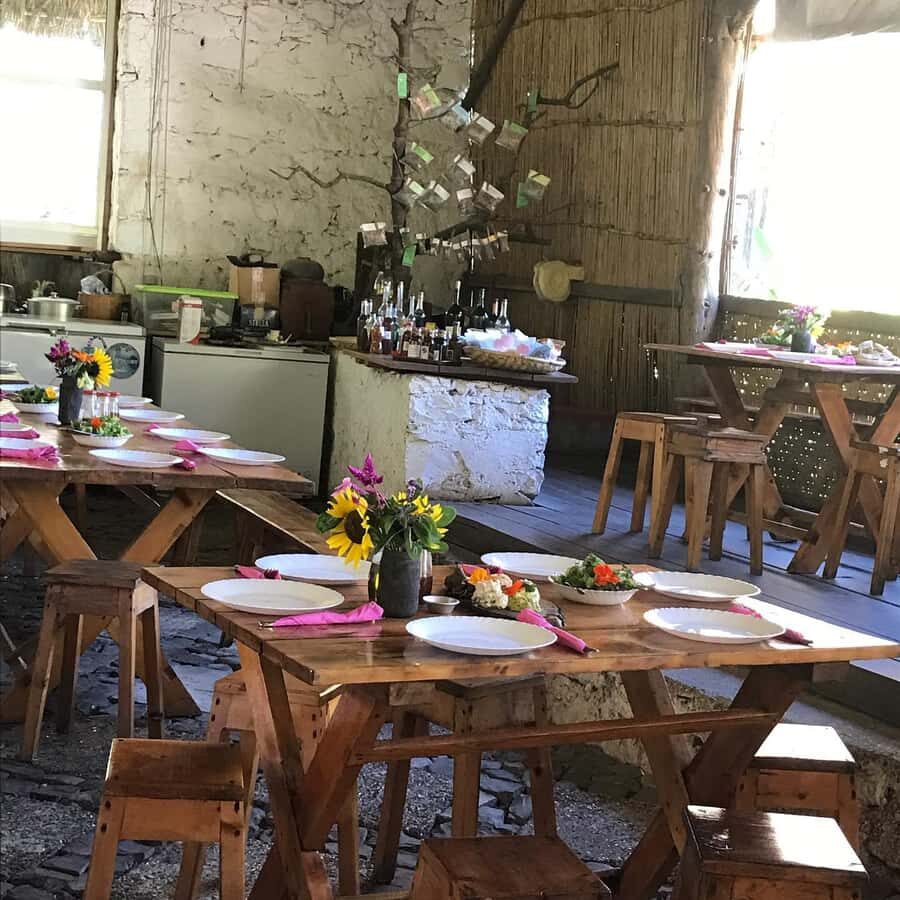
- Picnic is simple and practical, with soft juice plus sandwich and fruit to keep you moving
Longueira, then straight into Santiago’s daily rhythm
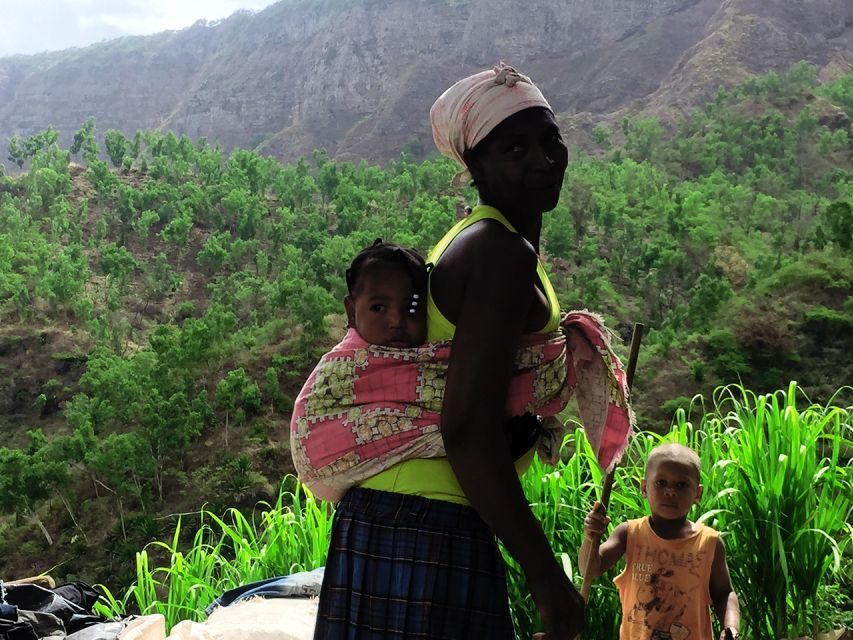
Your day starts with pickup at your hotel in Praia, then transport toward Santiago’s interior. The first big win here is that the trek isn’t only about walking uphill. It’s also about how people live out here—slow conversations, local routines, and the kind of stops that make the island feel human-scale.
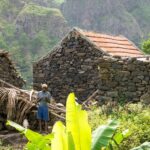
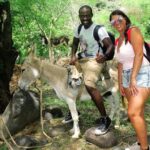
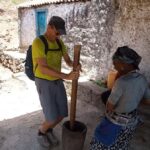
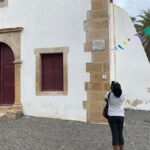
In Longueira, you’re given chances for direct contact with locals, not just a quick photo and a walk-off. The tour includes a stop at a Grogue (local rum) distillery, a visit by the primary school, and a stop at Lemba Lemba Bar. Even if you’re not a “cultural tour” person, this is the part that makes the hike more than exercise. It turns the day into a story you can remember, not just a track on a map.
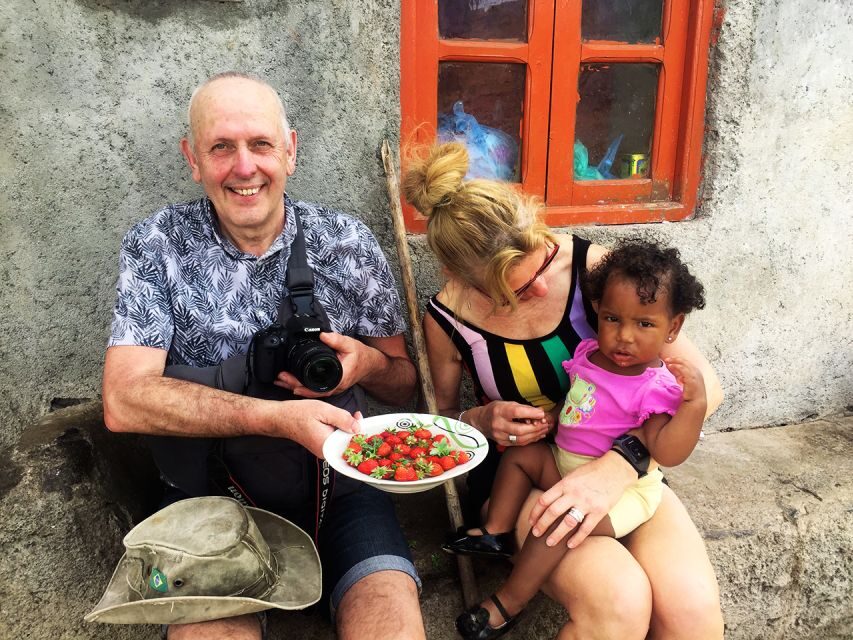
If you’re visiting between December and May, you may walk among strawberry fields, and the day includes a picnic break in those surroundings. That matters because it changes the texture of the morning—less “go-go” and more a breather before the climb.
You can also read our reviews of more hiking tours in Praia

The rum distillery stop: more than a taste
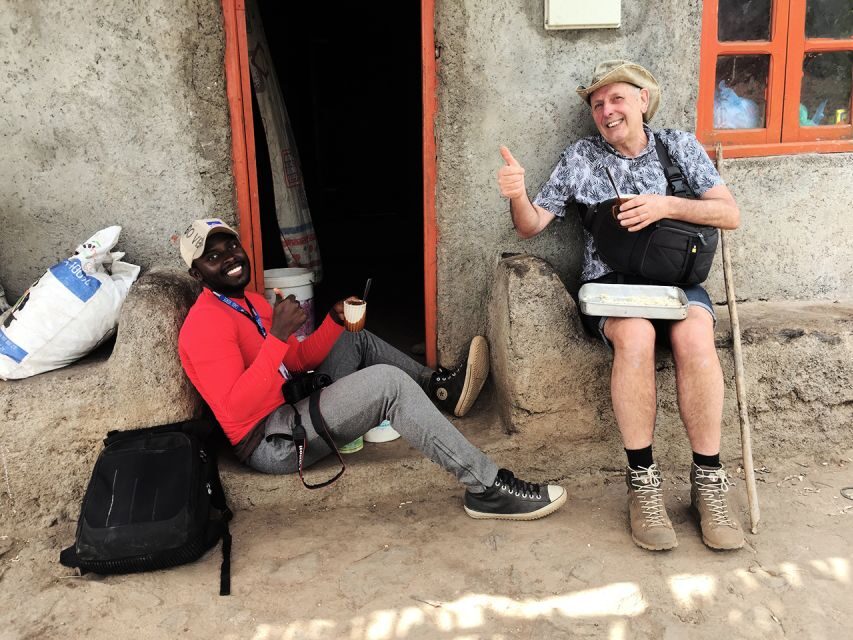
The Grogue distillery visit is one of those stops that often gets reduced to a souvenir photo. Here, it’s treated as part of the community route: you see the local craft context and get a feel for the people behind it.
I like this stop because it gives you something to “hold onto” while your body works later. You’ll be hiking above town and valley, and then you’ll remember that earlier warmth back at Longueira—people, conversation, and the day’s pace shifting from village time to mountain time.
And yes, you’re still there for the hike, so the practical angle matters: this isn’t a long detour that drains your energy. It’s built into the flow, so you don’t start the climb feeling wrecked.
One more detail that’s easy to miss: the guide is multilingual (Spanish, English, French, Portuguese). In real hiking terms, that matters because good communication on a steep route is safety, not comfort.
Pico de Antónia: where effort turns into panoramic payoff
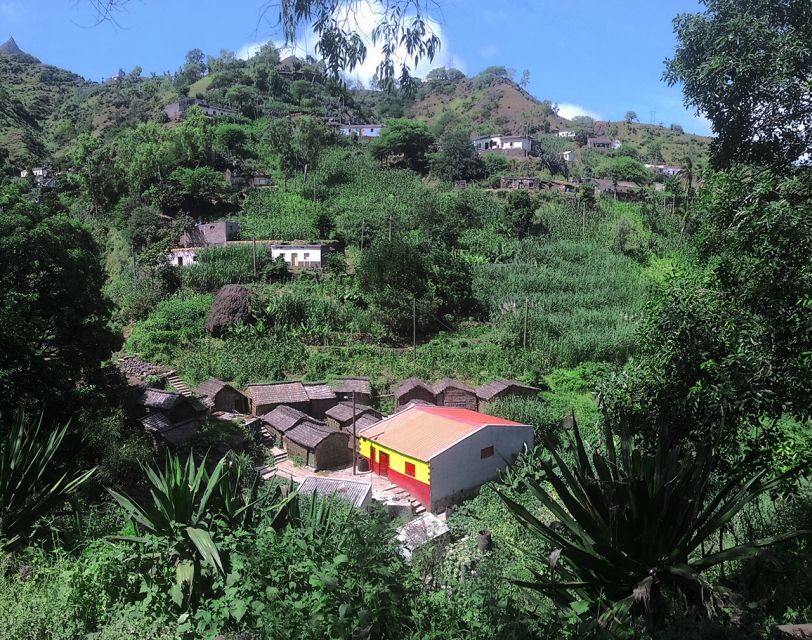
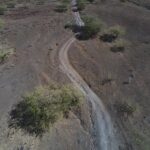
Then the serious part begins: the climb to Pico de Antónia, Santiago’s highest point. This is a “work for the view” trek. The route is described as very difficult for the longer option, and the trail is tilty and narrow, which means you’ll keep thinking about your footing, not just your legs.
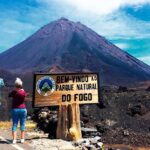
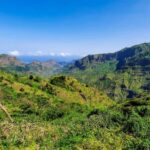
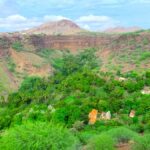
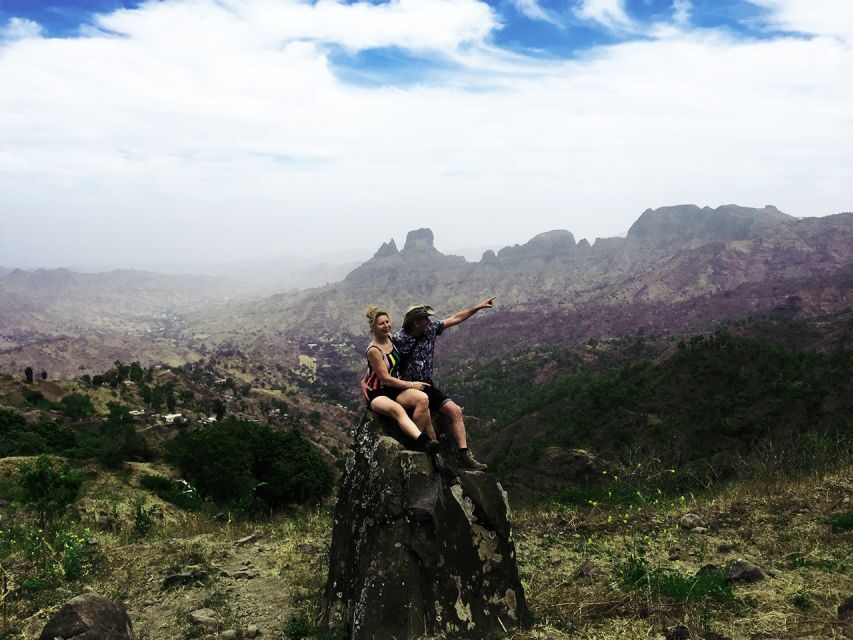
You’ll start climbing from a high trail point area (the route details list a walking point around the 1,390 m mark), and the tour is designed to help you reach the summit with scheduled stops. A big highlight is the chance for panoramic views over the São Jorge Valley, plus the possibility to see Maio and the volcano on Fogo Island from the higher vantage.
That “possibility” word is important. Weather and visibility decide whether you truly see Fogo’s volcano. But even when you can’t spot far-away islands, the closer views across valley and ridges still deliver. This is one of those hikes where the view is big in different ways, and you’ll still feel that summit feeling even if the far targets aren’t perfectly visible.
Plan for a serious uphill effort. For the longer profile, the day notes about 5 hours uphill, with a break for picnic and viewpoints. For the shorter profile, it’s less time and less total elevation gain, but you still get the main “Pico” moment.
And then there’s the descent. One very practical reality: coming down can take longer than you expect because the trail can be slippery. Your knees and calves will notice. Your guide will notice too—especially if the ground gets slick—and that’s where good technique and assistance can save your day.
End with Monte Tchota/Txota: quieter nature and endangered birds
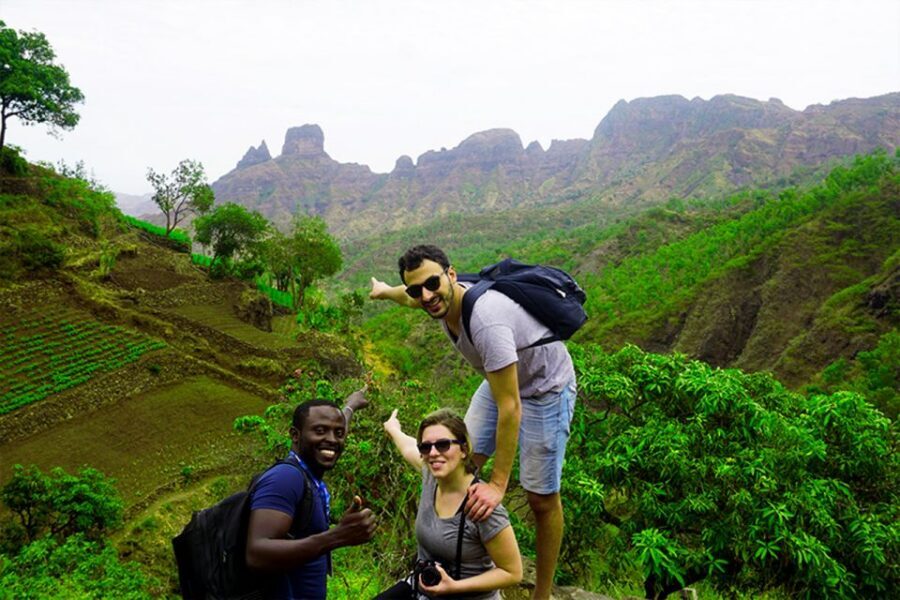
After Pico, you finish in the natural park of Monte Tchota/Txota. This is a different vibe from the summit climb. The park portion shifts the focus from dramatic height to the details of life at ground level—fauna and flora that are part of Santiago’s native environment.
This is where the tour leans into the nature-spotting angle: you can discover endemic plants and animals, and even some bird species in danger of extinction. That’s not just a fun fact. It changes how you experience the hike. Instead of thinking only about the next step, you’ll start scanning for movement, color, and the kinds of birds you don’t see in tourist areas.
I also like that you end with a “park finish” rather than just turning around and heading home. It makes the full loop feel like an exploration of different Santiago zones: village life, high-point views, and protected natural habitat.
Route options, difficulty, and what your body should expect
This trek gives you two route profiles, and they’re meaningfully different.
Option 1 (longer, very difficult):
- About 9 km trail distance (one-way track)
- About 6 hours total walking time
- Around 1,050 m elevation gain and 600 m elevation loss
- Max elevation around 1,390–1,394 m
- Trail quality: tilty, narrow
Option 2 (shorter, difficult):
- About 6 km trail distance (one-way track)
- About 4 hours total walking time
- Around 585 m elevation gain and 186 m elevation loss
- Max elevation around 1,160 m
- Same general trail notes: narrow, tilty segments
The “one-way” detail matters. You’re not doing a simple out-and-back where you can mentally average things out. You’ll feel the route as a progression: village → summit climb → park finish. That’s part of why the experience feels full, but you should be ready for it.
What about gear? The info is clear, and your knees will back it up:
- Hiking shoes are a must
- Hiking pants are strongly advised, especially from August to November
- Bring a hat, sunscreen, and water
- Walking sticks are recommended, and some guides may provide them (one helpful detail from past experiences: sticks were handed out and used)
If you’re used to easy trails, treat this as a reality check. The path quality is narrow and tilty, so you’ll want stable shoes with grip and enough ankle support. And yes, the climb is steep near the top—expect a final stretch that feels longer than it looks on paper.

Guides make the difference on Pico and the slippery return

Good hiking days often come down to the guide’s tone and technique. This one has that covered. Past days included guides like Ricardo, Djibril, and Admilson Garcia, and the common thread is clear: friendly energy, professionalism, and attention to how people are doing on the trail.
I especially appreciate what that means for the difficult parts. On Pico, where the last meters climb steeply, small adjustments—where to place your feet, when to slow down, how to use trekking poles—can turn stress into control. On the way down, where the descent can be very slippery, having support matters even if you’re fit. One practical detail: guides may help by giving out walking sticks.
It’s also helpful that guides know the region well. When they point out good photo spots and keep the group moving safely, you spend less time guessing and more time enjoying the view.
Photos: how to catch Pico, Fogo, and the big-horizon moments
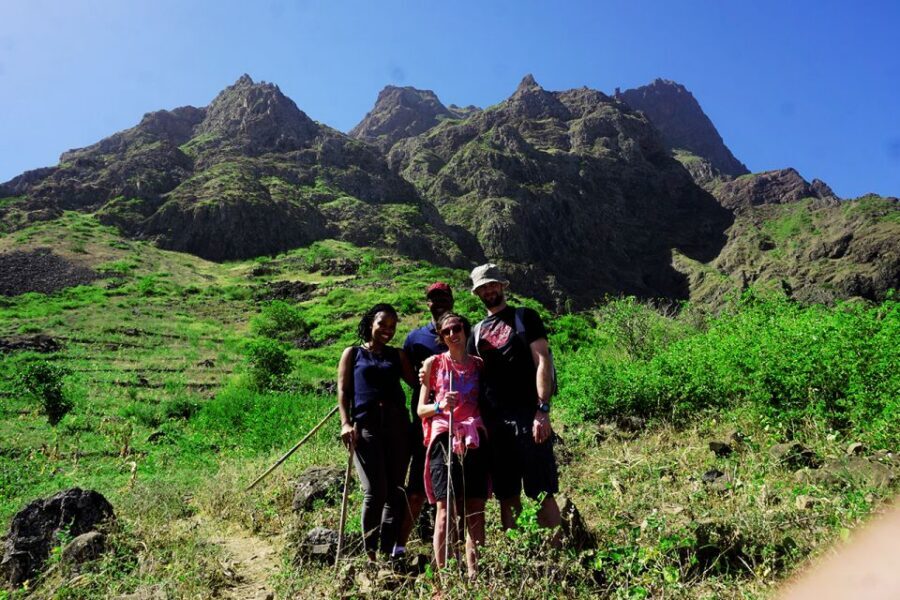
You’ll want to take photos at multiple points, not only at the summit. As you climb, the guide can show where the best viewpoints are, and you’ll get chances along the way on both ascent and descent.
Your “far horizon” targets are:
- Maio Island (possible from the higher vantage)
- The volcano on Fogo Island (also possible, depending on visibility)
If you can’t see them, don’t treat it like a failure. The São Jorge Valley views still give you scale. And the Monte Tchota park portion can be quieter but very photogenic if you’re willing to look for birds and plant textures instead of only sweeping panoramas.
Price and value: $106 is fair if you respect the difficulty
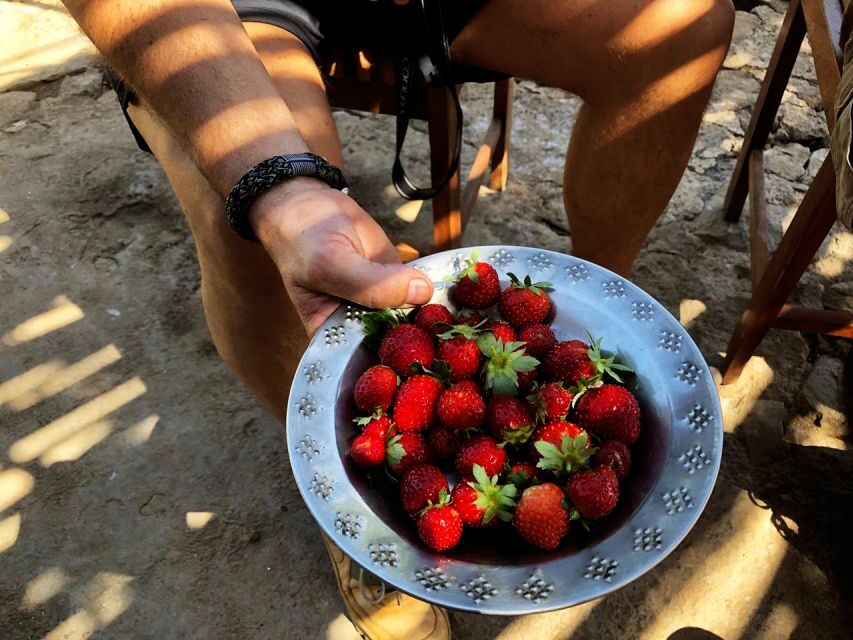
At $106 per person, this trek is priced like a guided full-day mountain outing with logistics handled. That price includes pickup and drop-off at your hotel in Praia, transportation, a tour guide, and a picnic (soft juice, sandwich, fruit), plus liability insurance.
Is it worth it? For the right traveler, yes, because you’re getting:
- A real village introduction in Longueira (distillery, school stop, bar visit)
- A guided summit climb that’s physically demanding and on narrow terrain
- A protected natural park finish focused on endemic life and endangered birds
- The kind of on-the-ground support that matters when the descent gets slippery
If you’re an experienced hiker who likes structure, the value makes sense. If you’re not sure you can handle steep, narrow paths, you’ll feel the cost as stress rather than convenience. For that reason, choose the route length that matches your fitness honestly.
Who should book this Santiago trek?
Book it if you:
- Want a day that combines local village life with a serious mountain climb
- Are comfortable hiking on narrow, tilty trails
- Like nature walks where you learn to look for plants and birds, not only views
- Enjoy being guided to viewpoints rather than wandering
Consider skipping or picking a shorter profile if you:
- Prefer easy hikes or wide, well-maintained paths
- Have knee or ankle issues and you’re unsure about steep, slippery descents
- Don’t own proper hiking shoes and can’t get them before the trip
Should you book this Santiago: Longueira, Pico de Antónia & Monte Tchota Trek?
My advice: if you’re physically ready and you like your travel with both people and effort, this is a strong book. The Longueira stops give your day heart, and Pico gives you the kind of view that makes you straighten up and breathe a little slower. Monte Tchota then cools things down with nature focus and the chance to spot birds and endemic life.
But be honest about difficulty. This isn’t a casual walk. If you bring the right shoes, use sticks if offered, and walk smart on the steep bits, you’ll get a full, satisfying Santiago day.
FAQ
FAQ
Where do I get picked up for this trek?
You’re picked up at your hotel in Praia and the tour also includes drop-off back at your hotel in Praia.
How long is the walking time?
Depending on the route option, total walking time is about 6 hours for the longer option or about 4 hours for the shorter option.
What’s the trail distance?
The longer route is about 9 km (plus or minus), while the shorter route is about 6 km (plus or minus). The trail is one way.
Is this hike difficult?
Yes. The longer route is rated very difficult, and the shorter route is rated difficult. Elevation gain is significant in both options.
What elevation changes should I expect?
For the longer route, expect about 1,050 m of elevation gain and about 600 m of elevation loss. For the shorter route, expect about 585 m of gain and about 186 m of loss.
What is included in the price besides the guide?
Pickup and drop-off, transportation, a tour guide, a picnic (soft juice, sandwich, fruit), and liability insurance are all included.
Do we stop in Longueira and visit the rum distillery?
Yes. You visit Longueira and can experience contact with locals, including stops at the Grogue distillery, the primary school, and Lemba Lemba Bar.
Is there a picnic during the day?
Yes. The tour includes a picnic with soft juice plus a sandwich and fruit.
What should I bring for the trek?
Bring a hat, hiking shoes, sunscreen, and water. Hiking pants are strongly advised, especially from August to November, and walking sticks are recommended.