REVIEW · PRAIA
Santiago Island: Banana Plantation, Natural Park & Workshop with a local family
Book on Viator →Operated by Bu Country Tours · Bookable on Viator
Bananas taste better with a family story. This Santiago Island outing blends a relaxed walk through banana and coconut plantations with a hands-on meal workshop that shows daily life on Cape Verde. You start in Praia, head inland for fruit knowledge, then spend real time in a home kitchen learning classic dishes.
I especially like two parts: the fruit walk with a local guide explaining what grows and how the plants relate to island life, and the cooking session with the family where you make Cuscuz and Fidjós from scratch. One possible drawback: it includes a walking component in sun and heat, so you’ll want to follow the practical advice—hat, water, sunscreen—and if you avoid fried foods, note that Fidjós is fried banana.
In This Review
- Key Things to Know Before You Go
- From Praia Inland: why the timing works
- Santa Cruz Plantation Walk: learning fruit like a local
- Heading Toward Orgãos: the shift from fields to home
- Cooking With a Local Family: Cuscuz and Fidjós, made from scratch
- Natural Park Feel on the Return Drive: rocks, valleys, and breathing room
- Why the Guides Matter: Ricardo, Ayrton, Cleber, and Katia
- Price and Value for $87.14: what you’re really paying for
- Should You Book This Santiago Island Banana + Cooking Experience?
- FAQ
- How long is the Santiago Island tour?
- What time does the tour start in Praia?
- Does the tour include pickup and drop-off from Praia hotels?
- How big is the group?
- What do I cook during the home workshop?
- Is the plantation walk included, and how long is it?
- What should I bring for the day?
Key Things to Know Before You Go
- Small group size (max 8) means you get more attention and fewer awkward pauses while asking questions.
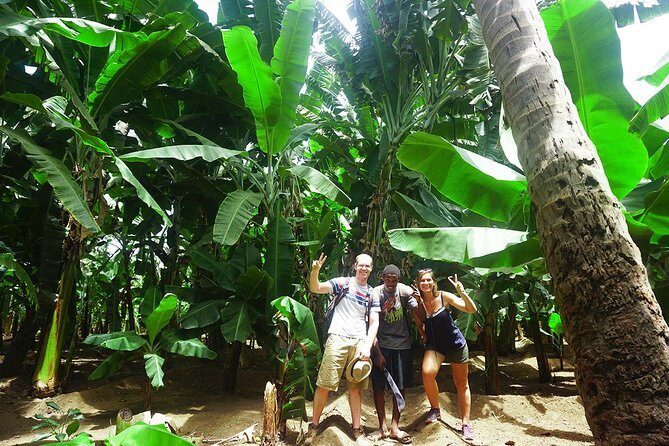
- Banana + coconut plantation walk includes an explanation of fruit and plants along the route, not just a quick photo stop.
- Optional coconut water may be available for purchase at your own expense if you want it.
- Hands-on home cooking focuses on Cuscuz (corn-flour cake) and Fidjós (fried banana mixed with wheat).
- Round-trip transfers from Praia hotels make the day easier if you’d rather not drive yourself.
- Private-tour upgrade is available if you want the same experience at a more personal pace.
From Praia Inland: why the timing works
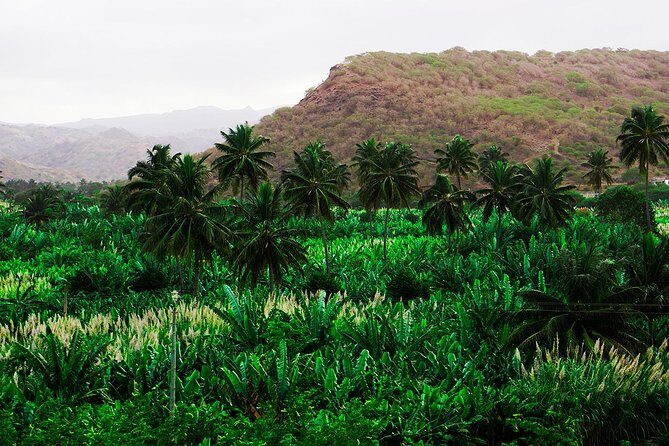
The day starts in Praia with a pickup and a drive inland toward Santa Cruz. With around 30 minutes of travel time, you’re out of the city rhythm early, so you can actually enjoy the morning before heat builds up.
This tour also uses a simple structure: plantation walk, then a home-cooking visit, then the scenic return. That matters because it keeps the day from feeling like one long commute after another. You’ll still be on a schedule, but it’s a schedule built around two meaningful experiences, not just stops.
A few more Praia tours and experiences worth a look
Santa Cruz Plantation Walk: learning fruit like a local
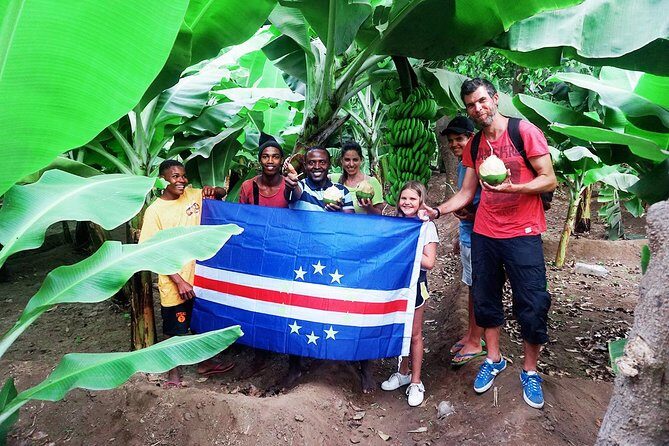
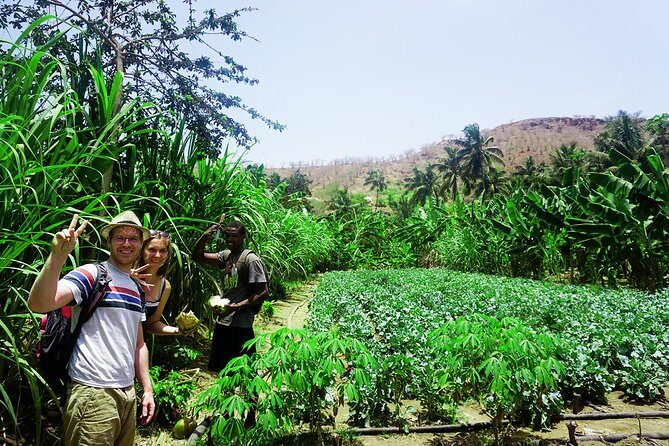
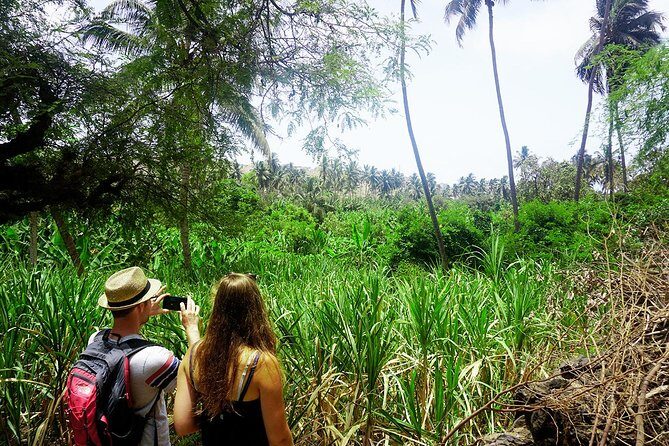
Your first real moment is the walk at the largest banana and coconut plantation in the country. Plan for about an hour of walking inside the agricultural fields, guided as you go. This is where the tour feels more like an education than a sightseeing parade.
The guide explains the varieties of fruits and plants you encounter along the route. That’s valuable because it turns what could be a generic farmland stroll into a story of what the island grows and why it matters to everyday life.
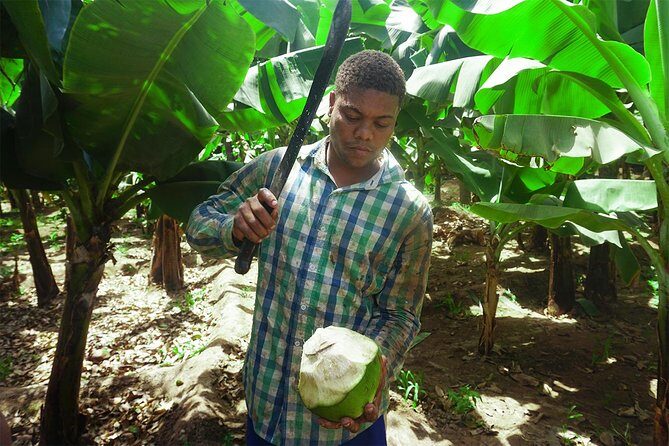
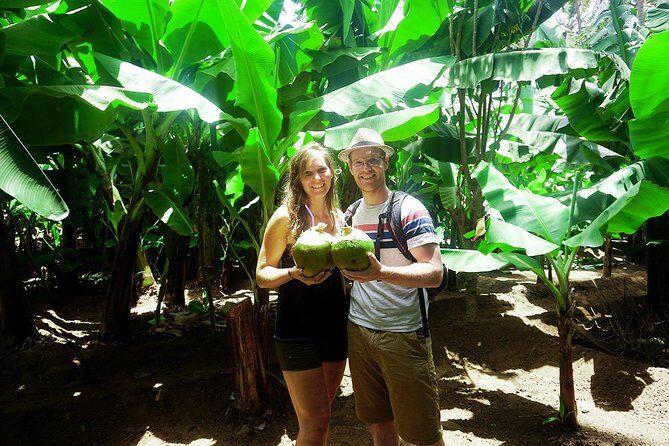
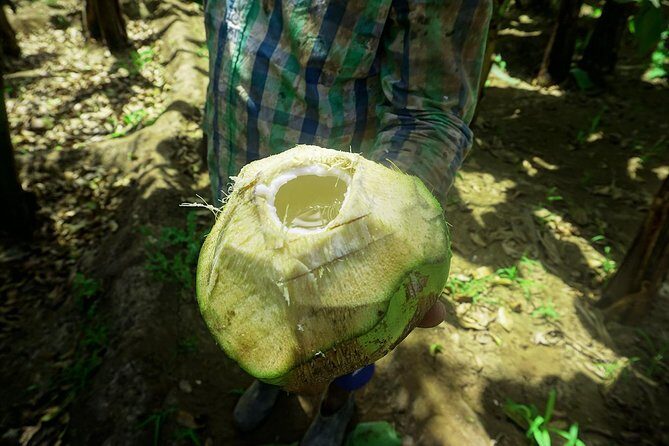
You may also have the option to refresh with fresh coconut water. If it’s available, you’d pay for it yourself, so think of it as a nice extra rather than a guaranteed included drink. Either way, the best move is to bring your own water and plan on sun exposure.
Practical tip: wear comfortable clothes and shoes you’re happy to get dusty. Even when it’s a “walk in fields,” the ground can be uneven, and you’ll enjoy the hour more if you’re not thinking about your footing the whole time.
Heading Toward Orgãos: the shift from fields to home
After the plantation, you move to São Lourenço dos Órgãos (often just called Orgãos). This part of the day changes the vibe: you go from open fields and agriculture into a community setting where food is the center of the lesson.
It’s a short transition, but it’s an important one. You’ll see how the island’s farming connects directly to what gets cooked and served. In other words, you don’t just hear about fruit—you get to taste what it becomes.
This is also the point where you’ll likely feel how the small-group format helps. Questions come more naturally when you’re not herded like a line through a building. And if you’re traveling solo or as a couple, it can feel more like a shared conversation than a group obligation.
Cooking With a Local Family: Cuscuz and Fidjós, made from scratch
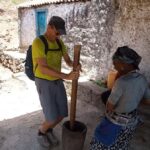
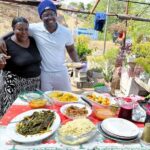
The heart of the day is the workshop with a local family. You learn the cuisine in their home setting, and you’ll cook two traditional dishes: Cuscuz and Fidjós.
Cuscuz is described as a traditional cake made from corn flour. Fidjós is fried banana mixed with wheat. Yes, that’s exactly as specific as it sounds—and that specificity is a strength. You’re not learning a vague cooking style; you’re making real items with recognizable ingredients.
In the home, guides like Ayrton and Cleber have been praised for making the experience feel welcoming and attentive. Other guests mention tours in Spanish with Katia, plus a warm welcome at Mama Luisa’s place. That combination—local guidance and a real family setting—turns cooking from a demo into a cultural exchange you can actually participate in.
A balanced note: Fidjós includes frying, so if you’re very sensitive to fried foods or heavy textures, you may want to approach the session with eyes open. Still, even if you don’t love every bite, the learning moment is the point: you’ll see technique, portions, and how ingredients work together in a Cape Verdean kitchen.
Natural Park Feel on the Return Drive: rocks, valleys, and breathing room
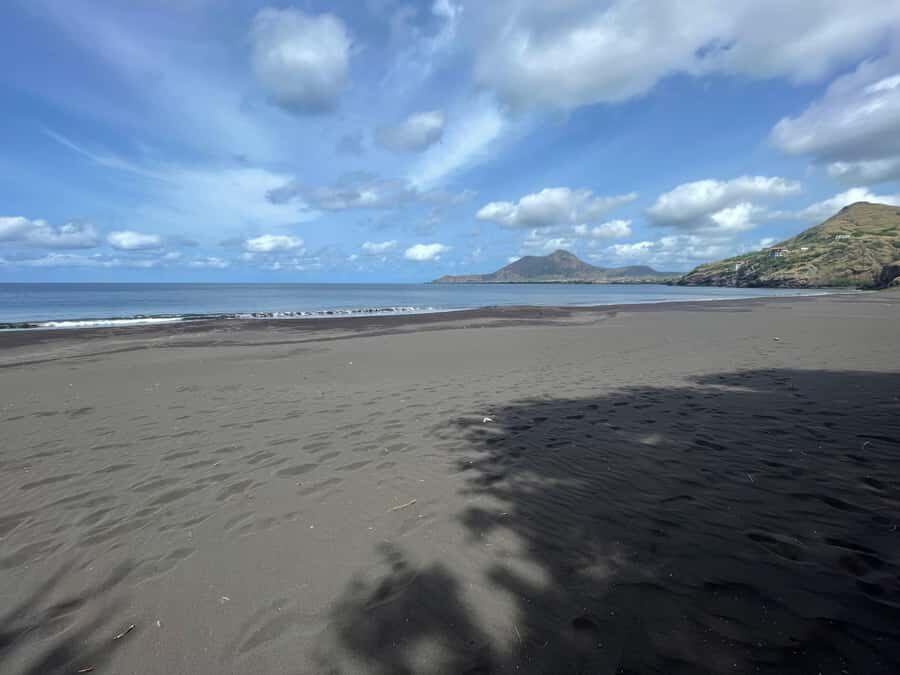
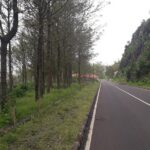
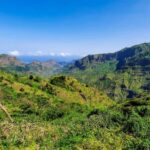
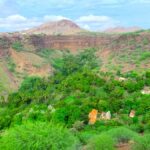
After cooking, you travel back toward Praia with time moving between rocks and valleys. The tour summary frames this as part of the natural park experience, and in practice it means you’ll get scenery time rather than a nonstop urban bus ride.
This segment is short—about 30 minutes—but it helps the day land softly. When you end with views and a gradual return, you don’t feel like you’re instantly back on a schedule. You get a chance to reset after being in food mode.
For photography, bring your phone with a charged battery. The best shots often come from simple roadside angles where the light hits the rock forms and you can see the valley shape.
Why the Guides Matter: Ricardo, Ayrton, Cleber, and Katia
This is one of those tours where the people shape the whole experience. Guests have highlighted the team behind the day, with Ricardo mentioned for helping adjust the trip so guests could discover even more. That sort of flexibility can make a huge difference when you’re traveling and you want your day to feel tailored rather than forced.
On the ground, you may meet guides such as Ayrton and Cleber, and in some cases tours run in Spanish with Katia. Even if your language preference differs, the underlying theme is the same: friendly, attentive guidance that keeps the day moving while still answering questions.
Small-group structure (max 8) supports that. When you’re not dealing with big numbers, the guide can slow down when someone asks how bananas grow or why certain fruits are common. You feel the difference in the pace—less rushing, more back-and-forth.
If you value conversation and you like learning from real people rather than just reading placards, this is the style of tour that tends to click.
Price and Value for $87.14: what you’re really paying for
At $87.14 per person for about 4 hours, this tour isn’t trying to be the cheapest option on Santiago. But it’s also not “tourist markup” for a fancy show. What you’re paying for is three specific things that add up:
1) Round-trip transfers from your Praia hotel
You don’t have to figure out transport on your own, and it reduces stress—especially if you’re only in Praia for a short time.
2) Guided plantation walk with fruit and plant explanations
This is not just entering a field and taking pictures. The value is the guided knowledge tied to local agriculture.
3) A home-cooking workshop with traditional dishes
Cuscuz and Fidjós aren’t just tasted—they’re cooked. That kind of time in a family kitchen costs effort, attention, and instruction.
Also note what seems to be built into the day: admission tickets are listed as free for the parts of the schedule. The only item that’s clearly optional is coconut water, which you may purchase if available.
So the main “extra” you might plan for is simple: sun and comfort. The tour asks you to bring a hat, water, and sunscreen, which tells you the day will get warm. If you show up prepared, you’ll get a smoother day and better photos, too.
Should You Book This Santiago Island Banana + Cooking Experience?
I think this is a smart choice if you want a Cape Verde day that’s practical, hands-on, and rooted in everyday life. The best fit is for you if you like food culture, you enjoy small groups, and you’re curious about how agriculture connects to what families cook.
I’d skip or rethink it if you strongly dislike walking in the sun or you avoid fried foods entirely. Fidjós includes fried banana, so it’s part of the workshop’s core plan. Also, if you’re hunting for big, dramatic monuments, this tour’s value is more about real routines than major architecture.
If you do book, do one thing that makes a real difference: pack the basics for heat (hat, water, sunscreen). Then go in with the mindset that you’re learning—about plants, ingredients, and the way a family shares their kitchen with guests.
FAQ
How long is the Santiago Island tour?
It runs for about 4 hours.
What time does the tour start in Praia?
The start time is 9:00 am.
Does the tour include pickup and drop-off from Praia hotels?
Yes, round-trip transfers from your Praia accommodation are offered.
How big is the group?
The tour has a maximum of 8 travelers.
What do I cook during the home workshop?
You cook Cuscuz (a traditional cake made from corn flour) and Fidjós (fried banana mixed with wheat).
Is the plantation walk included, and how long is it?
Yes. You take a walk inside the banana and coconut plantation for about 1 hour.
What should I bring for the day?
Bring comfortable clothes, a hat, water, and sunscreen.