REVIEW · SANTA MARIA CAPE VERDE
Watch Sea Turtles Nesting – Night Tour in Sal Island
Book on GetYourGuide →Operated by SALTOURS by Carlos- Your friend in Sal · Bookable on GetYourGuide
A night on the beach turns into real wildlife drama. On Sal Island in Cape Verde, you can watch loggerhead sea turtles come ashore to nest, guided by local conservation-minded experts using infrared lights so you don’t disturb the animals. It’s one of those experiences that feels very close to nature, but with rules that keep it respectful.
Two things I really like: the tour builds in an early calm briefing on turtle life and conservation, and then you get to observe the nesting process quietly as it happens. You’re also not stuck in a huge crowd; the experience runs with a small group size for a more controlled, peaceful beach moment.
One consideration: timing can vary. The plan is about 2–3 hours, but pickups and time on the sand don’t always match the ideal schedule, so go in expecting a bit of ebb-and-flow once you’re out at night.
In This Review
- Key Points You’ll Care About
- Night on Sal: Why Loggerhead Nesting Is a Big Deal
- Hotel Pickup in Santa Maria: Getting to the Beach Without Drama
- What Happens at the Beach: The Nesting Sequence You’ll Want to Understand
- Infrared Lights: The Tech Choice That Makes It Feel Ethical
- Beach Choices on Sal: Algodoeiro, Kite Beach, or Serra Negra
- Group vs Private vs Deluxe Glamping: Pick the Right Comfort Level
- Timing Reality: Why Some Nights Feel Shorter
- What to Bring (and Wear) for a Sand-and-Stars Night
- The Do’s and Don’ts That Keep the Turtle Night Working
- Conservation Payoff: You’re Not Just Watching, You’re Supporting
- Who This Tour Fits Best
- Price and Value: Is $46 a Good Deal?
- Should You Book This Turtle Nesting Night Tour on Sal Island?
- FAQ
- Where does the tour pick me up on Sal?
- How long is the sea turtle nesting night tour?
- Which beaches could the tour visit?
- Will I be able to see the turtles without disturbing them?
- What languages do the guides speak?
- Is this tour suitable for children?
- Can I use a flash or flashlight to take photos?
- Is the tour wheelchair accessible or suitable for limited mobility?
- What happens if I need to cancel?
Key Points You’ll Care About
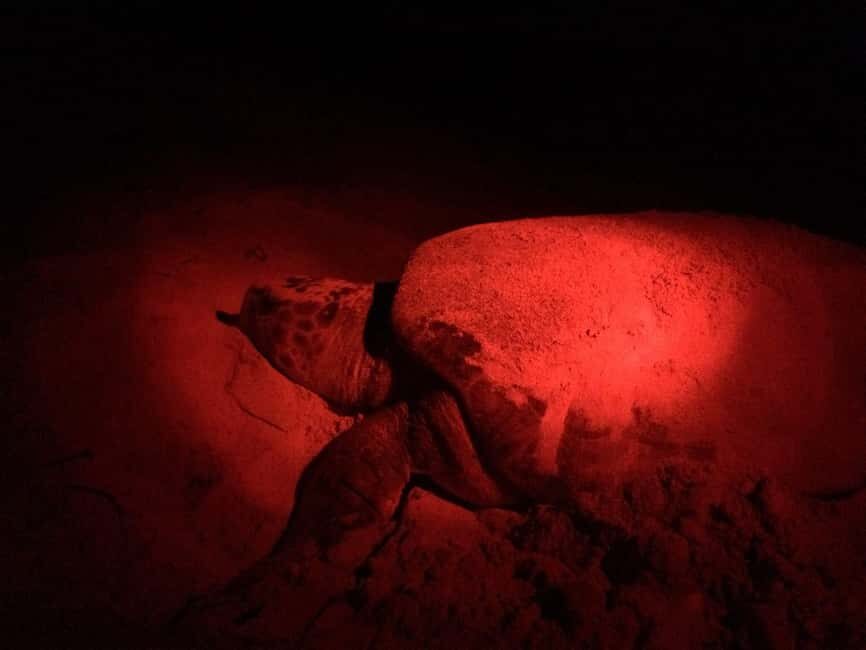
- Infrared lights help you see nesting behavior without shining bright beams at the turtles
- Near-100% nesting success over the past five seasons (so your odds are strong)
- Protected beaches like Algodoeiro, Kite Beach, or Serra Negra are used for the observation
- Small groups keep the experience quieter and easier to manage
- Multiple tour styles, from standard group to private and deluxe glamping
- Strict beach etiquette (no flash, no bright colors, no scented products) protects wildlife
Night on Sal: Why Loggerhead Nesting Is a Big Deal
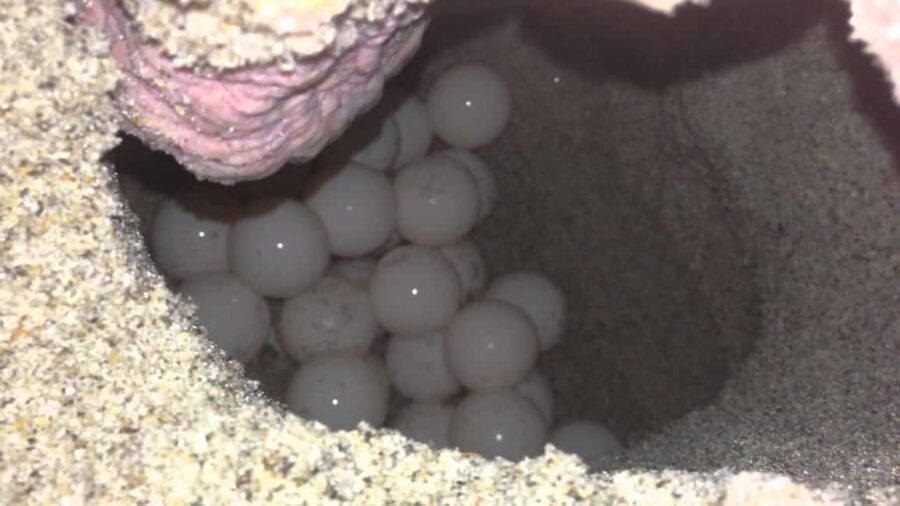
Cape Verde is home to some of the most important loggerhead sea turtle nesting sites, and Sal is right up there. This tour focuses on the part of the life cycle that most people never see: the moment a female turtle leaves the sea, finds a spot on the sand, digs, lays eggs, covers the nest, and returns to the ocean.
What makes this tour feel special isn’t just that you’re outdoors at night. It’s the combo of timing, place, and method. You’re heading to protected nesting beaches, and you’re observing from a respectful distance. The guides explain what you’re likely to see, so the whole experience makes sense while you’re standing there in the dark.
And yes, you’re dealing with the real conditions of a beach night: sand underfoot, sounds of the sea, and the quiet tension of waiting. The best part is how quickly you switch from tourist mode to nature-watching mode.
You can also read our reviews of more evening experiences in Santa Maria Cape Verde


Hotel Pickup in Santa Maria: Getting to the Beach Without Drama
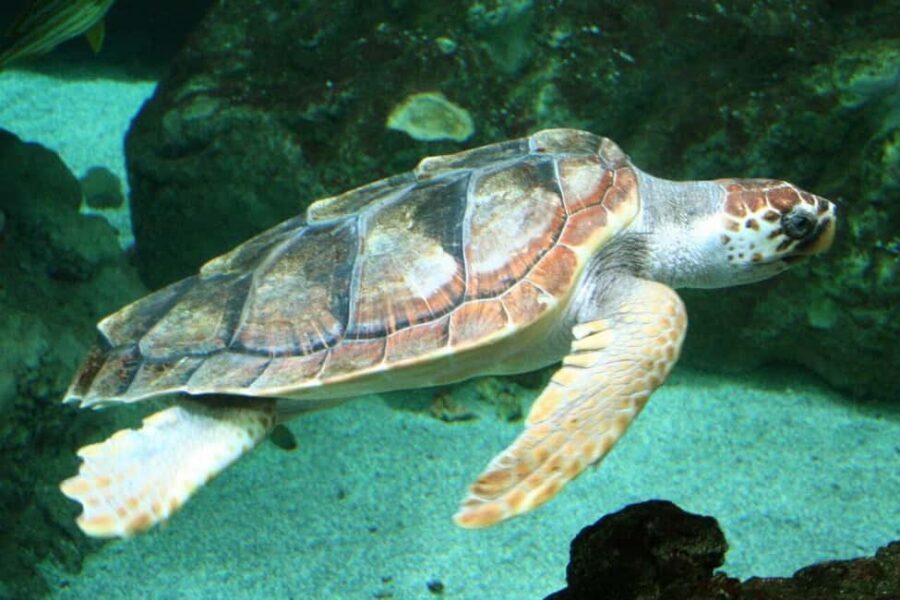
The tour includes hotel pick-up and drop-off in Santa Maria, which is a big convenience if you’re staying in that area. You’ll typically start with a short drive to one of the island’s protected turtle nesting beaches.
If you’re staying in Murdeira, you’ll need an extra transfer (not included). That matters because this tour is built around an evening schedule—once you miss the early timing, it’s harder to catch the nesting window.
Expect a nighttime start and a return back to your hotel after the observation period. One practical tip: build in buffer time for dinner. This is not a “grab food and roll out” kind of evening unless your hotel is flexible.
What Happens at the Beach: The Nesting Sequence You’ll Want to Understand
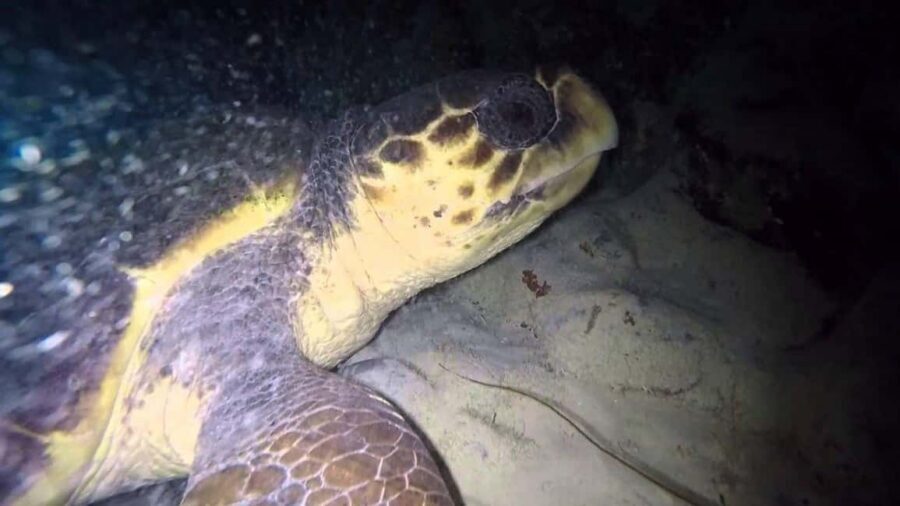
Once you arrive, your guide sets the tone with a short briefing. This isn’t a lecture; it’s meant to help you read turtle behavior in real time. You’ll learn about the endangered loggerhead sea turtles (Caretta caretta), plus why the nesting beaches and the dune/sand environment are worth protecting.
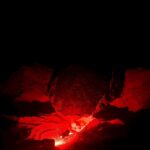
Then you walk quietly to your observation area using red or infrared lights. You’re not walking around loudly. The goal is simple: wait, watch, and let the turtles do turtle things.
Here’s the nesting process you’re hoping to see:
- A female turtle emerges from the sea and makes her way up the beach
- She pauses and looks for a suitable spot
- She digs to form the nest
- She lays eggs
- She carefully covers the nest with sand
- She returns to the ocean
If the conditions are right, you might also see a rare false crawl (a turtle comes up but doesn’t complete nesting). In September and October, there’s a chance of seeing tiny hatchlings making their way toward the sea.
The tour is typically 2–3 hours total. That time includes pickup, the briefing, walking to the beach, the observation, and then the return.
Infrared Lights: The Tech Choice That Makes It Feel Ethical
You’ll hear the word conservation a lot on wildlife tours. Here, it’s backed up by a specific technique: infrared lighting for non-intrusive viewing.
The practical benefit is obvious when you’re actually there. Bright white flashlights can stress animals and disrupt behavior. Infrared and red lighting let you see without blinding the turtles or drawing unnecessary attention.
It also changes how you should prepare. You’re going to be wearing dark, low-profile clothing, and you’ll avoid bright or reflective materials. The rules also say no flash photography and no flashlight use—so come ready to observe the moment the way the tour intends: quietly, with minimal light impact.
Beach Choices on Sal: Algodoeiro, Kite Beach, or Serra Negra
Your exact beach can vary based on season and turtle activity, but the tour can use beaches such as Algodoeiro, Kite Beach, or Serra Negra. The important point is not the name on a map; it’s that these are protected nesting beaches designed for observation rather than chaos.
If you’re the type who likes predictability, keep this in mind: you’re not guaranteed one single beach every night. But the tour’s strength is that it’s built around turtle nesting behavior, not a scripted “stop at place X” model.
So instead of thinking like a sightseeing circuit, think like a field observation. The beach you get is the one where the conditions line up best for nesting.


Group vs Private vs Deluxe Glamping: Pick the Right Comfort Level
This is one of those tours that lets you choose your style without losing the core wildlife focus. You can book:
- A group tour (small group, guided, calm briefing, infrared observation)
- A private tour (private vehicle and guide)
- A deluxe glamping experience (for extra comfort, plus added perks)
What changes most between options is how much comfort and personalization you get, not whether the turtle-watching part is respectful. All options include the essentials: hotel pickup/drop-off in Santa Maria, the protected beach observation, the guide, the briefing, infrared lights, and insurance.
Private tours include a dedicated vehicle and guide for your group. They also mention soft drinks and snacks as an extra-cost add-on (and you can add a turtle nesting video for an extra cost). Deluxe glamping adds a night-stay style option like a tent experience and extras such as snacks and a souvenir video.
If you want the smoothest experience with the least waiting, private and deluxe options can feel worth it. If you mainly care about seeing the turtles and you’re comfortable keeping it simple, the standard group tour gives you the same ethical setup.
Timing Reality: Why Some Nights Feel Shorter
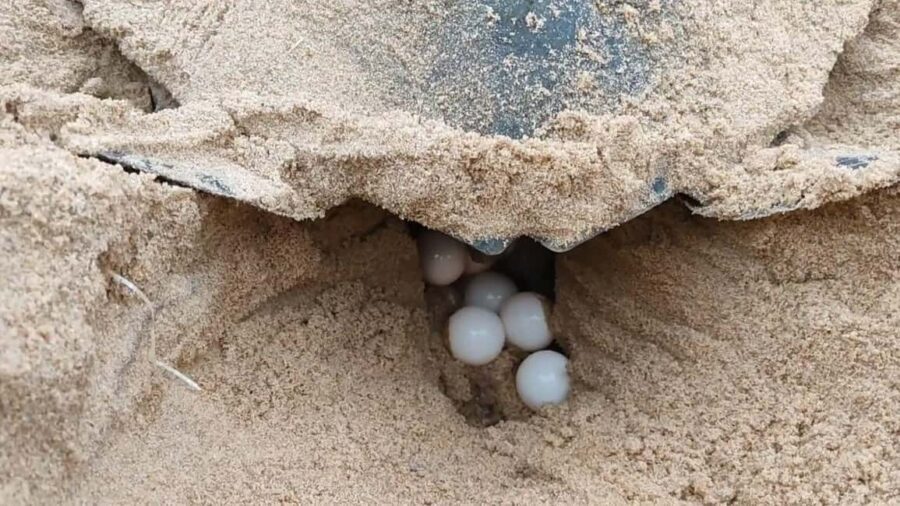
The plan is 2–3 hours, and the experience runs daily during the season (including Sundays and holidays). But real life happens, especially at night.
In one case, a pickup at 20:30 led to a return by about 22:00, and the time spent on the actual beach felt shorter than expected. Another situation involved a later pickup than the ideal start time, which also shrank the on-beach experience.
So my advice is straightforward: don’t schedule anything right after the tour. And if the start runs late, trust the guide’s focus—your best shot at nesting is still about being present and quiet when a turtle comes ashore.
What to Bring (and Wear) for a Sand-and-Stars Night
You’ll walk on sand at night. That means comfort and footing matter.
Bring:
- Comfortable shoes (sturdy and closed-toe)
- Weather-appropriate clothes (and something warm like a light jacket, since it can get cool)
- Comfortable dark-colored clothing to avoid disturbing turtles
- Biodegradable insect repellent, ideally scent-free (mosquitoes can be an issue)
The rules are strict about what you put on your body. Avoid strong perfumes, deodorants, scented lotions, and bright or reflective clothing. The tour also prohibits sprays/aerosols in general, and it’s especially important to keep anything you use low-scent and easy to control.
Also follow the “leave no trace” mindset: no litter, no personal items left on the beach, and no touching the marine life.
The Do’s and Don’ts That Keep the Turtle Night Working
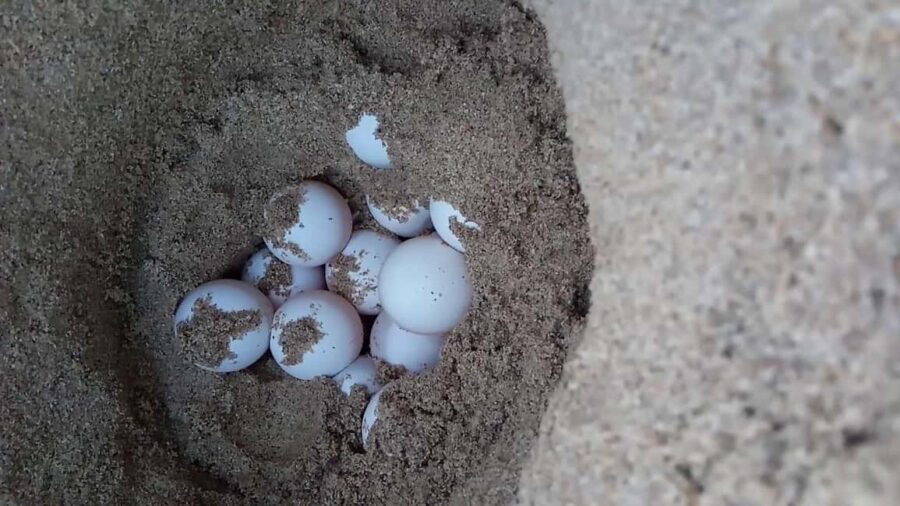
This is a conservation-focused experience, and the beach rules are part of the product. If you break them, you risk disrupting turtles—and that’s the opposite of what you paid for.
Not allowed:
- Flash photography or flashlight use
- Drones
- Pets
- Smoking
- Alcohol and drugs
- Bright colors or reflective items
- Strong fragrances
- Touching turtles or nests
- Feeding animals
- Littering
If you need a one-sentence mantra, it’s this: you’re there to watch quietly, not to interact.
One more practical note: the tour says not to use insect repellent, but also tells you to bring biodegradable insect repellent and to use scent-free mosquito protection. If you’re unsure, follow the guide’s instruction on what kind of repellent is acceptable on the sand that night and how strongly it’s used.
Conservation Payoff: You’re Not Just Watching, You’re Supporting
This tour is designed to support local education and conservation projects that protect turtles and the fragile nesting environment. That’s not a vague poster slogan—it’s tied to the behavior rules (infrared lighting, quiet observation, no touching) and the protected beach model.
Cape Verde’s turtle conservation work also depends on public awareness. The short briefing helps you understand what you’re seeing, why loggerheads are endangered, and why nesting beaches can be fragile.
And since this experience has a near-100% sighting success rate over the past five nesting seasons, it’s not just about luck. The operation is tuned toward turtle activity during the nesting window, which means your money is more likely to translate into real observation.
Who This Tour Fits Best
This is a good match if you want:
- A wildlife experience that feels respectful and structured
- A local-led tour with a focus on conservation
- An evening activity that’s family-friendly in the sense that it’s described as suitable for all ages
- The chance to see specific behaviors like digging, egg-laying, and nest covering (when conditions allow)
It’s not the best fit if:
- You use a wheelchair or have mobility impairments (it’s listed as not suitable for wheelchair users and people with mobility impairments)
- You want a high-comfort, low-walking experience (you’ll be walking on sand)
If you’re traveling with kids, the tour mentions child and infant seats available on request. That helps if your group includes younger travelers who need proper seating during pickup or transport.
Price and Value: Is $46 a Good Deal?
At $46 per person, this isn’t a cheap activity. But it also isn’t just a bus ride to a scenic spot. You’re paying for:
- Hotel pickup and drop-off in Santa Maria
- A professional, multilingual local guide (Portuguese and English guaranteed, with other languages when possible)
- A briefing on turtle biology and conservation
- Protected beach access for observation
- Infrared/non-intrusive lighting
- Liability insurance
- A small-group setup
The main value question is simple: will you actually see nesting? The tour’s reported success rate over recent seasons is very strong, and the method is built around minimizing disruption so the turtles keep doing what turtles do.
So for most people who care about nature and ethical wildlife encounters, $46 can feel like solid value—especially compared with tours that mainly sell the idea of wildlife without the conservation controls.
If you’re deciding between standard and private, think in terms of how much you value flexibility and comfort. A private or deluxe option can be worth it if you prefer a calmer, more personalized rhythm on a night activity.
Should You Book This Turtle Nesting Night Tour on Sal Island?
Book it if you want a rare, high-odds chance to watch loggerhead turtles nest on a world-class turtle beach—using the kind of rules and lighting that protect animals, not just your photo feed.
Don’t book it if you need wheelchair-friendly access, or if you’re not willing to follow strict no-flash, no-bright-clothing, quiet-on-the-sand behavior. This tour works because everyone plays by the same calm rules.
If you do go, plan for a nighttime beach walk, bring warm clothes, protect yourself from mosquitoes with a low-scent, biodegradable option, and give the experience the patience it asks for. When a turtle starts moving, you’ll understand why people remember this kind of night for years.
FAQ
Where does the tour pick me up on Sal?
The tour includes hotel pick-up and drop-off in Santa Maria. Transfers from Murdeira Village are available for an extra cost.
How long is the sea turtle nesting night tour?
The experience lasts around 2–3 hours.
Which beaches could the tour visit?
The tour may visit protected turtle nesting beaches such as Algodoeiro, Kite Beach, or Serra Negra.
Will I be able to see the turtles without disturbing them?
Yes. The tour uses infrared lights (and red lights) for non-intrusive observation.
What languages do the guides speak?
Portuguese and English are guaranteed. Other languages may be available when possible, and the tour lists English, French, Italian, Portuguese, and Spanish.
Is this tour suitable for children?
It’s described as suitable for all ages, and child and infant seats are available on request.
Can I use a flash or flashlight to take photos?
No. Flash photography and flashlight use are not allowed during the activity.
Is the tour wheelchair accessible or suitable for limited mobility?
No. The tour is not suitable for people with mobility impairments and is not suitable for wheelchair users.
What happens if I need to cancel?
You can cancel up to 24 hours in advance for a full refund.