REVIEW · SANTA MARIA CAPE VERDE
Santa Maria: Sea Turtle Watching Experience on Sal Island
Book on GetYourGuide →Operated by Luanova - turismo · Bookable on GetYourGuide
Turtles crawl ashore after dark. This Santa Maria sea turtle watching tour turns a quiet beach into a front-row lesson on how loggerhead turtles nest, with trained guides and time on the sand at the right hour. I especially like the chance to talk with biologists and specialists, and I love that the experience is built around turtle well-being instead of crowding or flash-and-dash viewing. One thing to consider: it is a strict, nighttime experience (including rules about noise and even cameras), so it’s not the best fit if you want to document everything or if you’re hoping for a relaxed, casual walk.
What makes this tour feel meaningful is the full sequence you’ll learn to recognize: the nesting process from arrival onto the beach through the act of nesting and what to do when a turtle is close. Guides explain turtle behavior, characteristics, and the bigger conservation picture for Cape Verde. And because you’re walking in small groups at night on a beach where turtles come ashore, you get a calmer, more respectful vibe than the typical wildlife-safari style outing.
Timing is another key part of the value. You’re collected from Santa Maria in a comfortable, air-conditioned vehicle and you reach the beach quickly—think under an hour—then you spend hours doing the slow, quiet watching. Plan for late evening (pickup is listed as 8:00 PM, with the outing usually ending around 11:00 PM), and wear the right clothes because it can be a dirty, sandy night.
In This Review
- Key things to know before you go
- Turtle nesting at Kite Beach hits different after dark
- Your guide explains turtle behavior like it matters
- Santa Maria pickup to the deserted beach: it’s all about timing
- The beach walk rules that protect nesting turtles
- What you might see: from crawl-up to nesting moments
- Price and value: what $41 buys you on Sal
- What to bring (and what to skip) for a smooth night
- Who should book this and who should pass
- Is this a must-do on Sal? My take
- FAQ
- FAQ
- How long is the Santa Maria sea turtle watching tour?
- Where does the tour take place?
- What time does the tour run?
- What is included in the ticket price?
- Is food and drinks included?
- Are there any rules about what I can bring?
Key things to know before you go
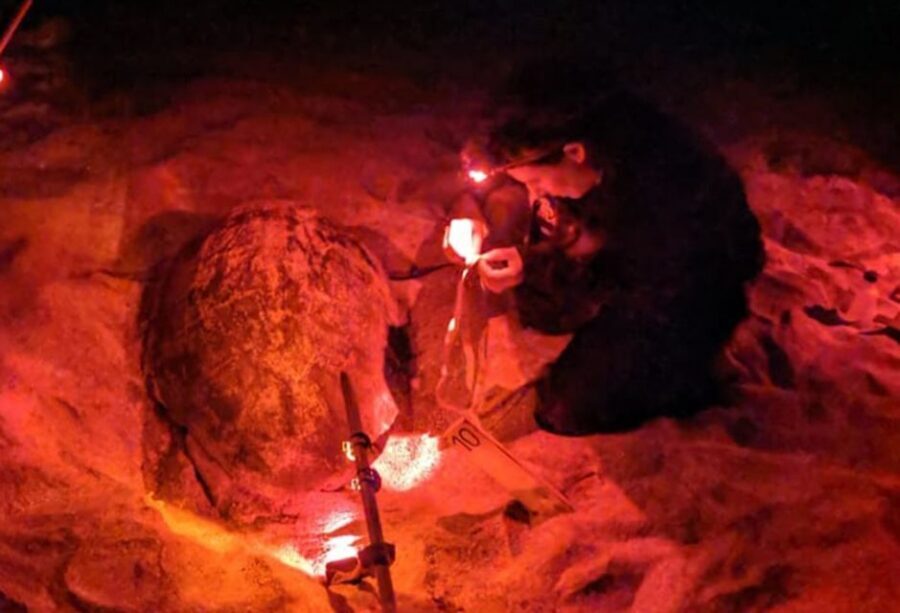
- Small-group nighttime beach walking focused on nesting turtles, not a loud group hike
- Biologists/specialized guides explain the spawning process from start to finish
- Loggerhead turtles (yellow turtle) are the most common nesting species in Cape Verde
- Quiet and stillness matter: sit down and stay calm if you spot a nesting turtle
- Strict no-flash, no-electronics rules protect animals and make the experience more respectful
Turtle nesting at Kite Beach hits different after dark
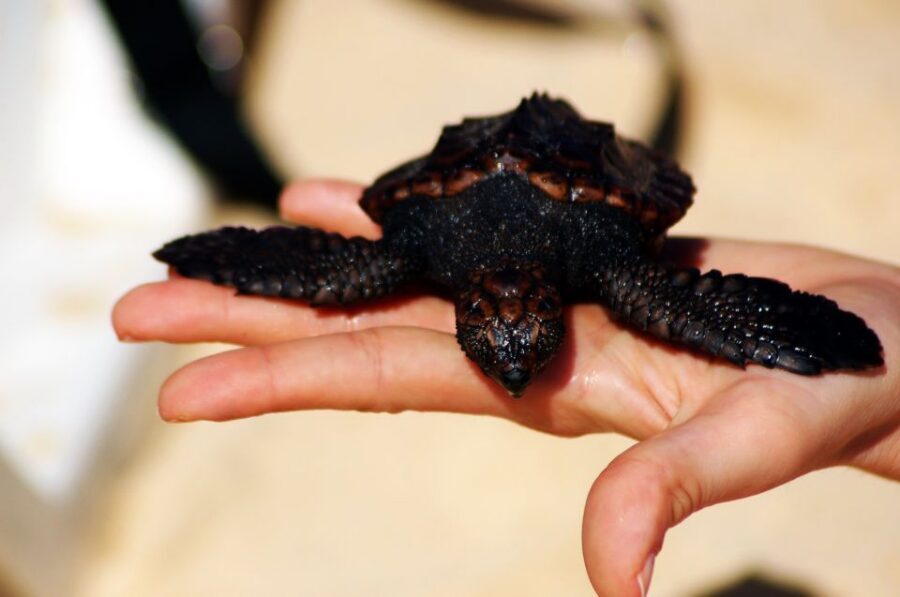
Night on Sal is made for slow attention. During this tour, you head out to the beaches where turtles come ashore to nest, and the whole point is to watch behavior—not just spot an animal and move on.
Cape Verde is home to three turtle species, and the most common nesting one is the loggerhead turtle, often called the yellow turtle. What I like about focusing on nesting here is that it’s not “turtles are around.” It’s turtles are doing the thing. That shift changes the whole mood: you become a careful observer instead of a tourist with a checklist.
Also, night viewing forces you to slow down. You start noticing details you’d miss in daylight—how a turtle moves on sand, how it reacts, and how the shoreline becomes a working place rather than a background. If you’re coming from a resort day routine, this kind of night nature time feels like a reset.
You can also read our reviews of more tours and experiences in Santa Maria Cape Verde.


Your guide explains turtle behavior like it matters
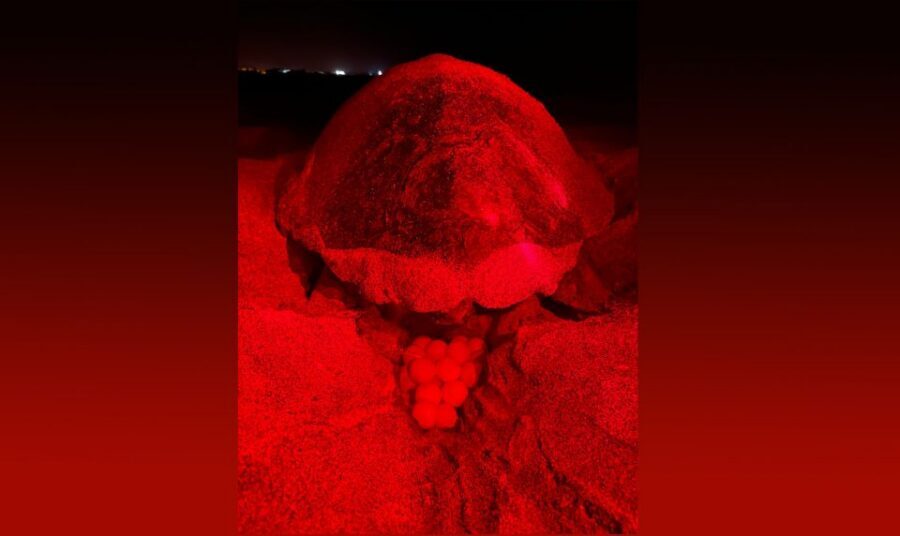
This isn’t a generic narration. The guides are there to guide your eyes and your understanding at the same time.
You’ll get explanations about turtles’ evolution and characteristics, plus practical context on why their well-being is prioritized on the island. That matters because nesting turtles are vulnerable. Stress can change what they do, and your job is to reduce the chance you accidentally become a distraction.
You’ll also learn the nesting process as a sequence. The goal is that when you see activity on the beach, you’re not guessing. You understand what you’re looking at: the crawl up, the nesting behavior, and the moment you might be able to observe the turtle continue back toward the sea after completing what it came ashore to do.
One practical note: the tour runs as a small-group nighttime experience, which usually makes it easier to ask questions. The best moments tend to come when someone in your group asks something specific—like why you should stay still—and the guide answers in a way that makes the next few minutes clearer.
Santa Maria pickup to the deserted beach: it’s all about timing
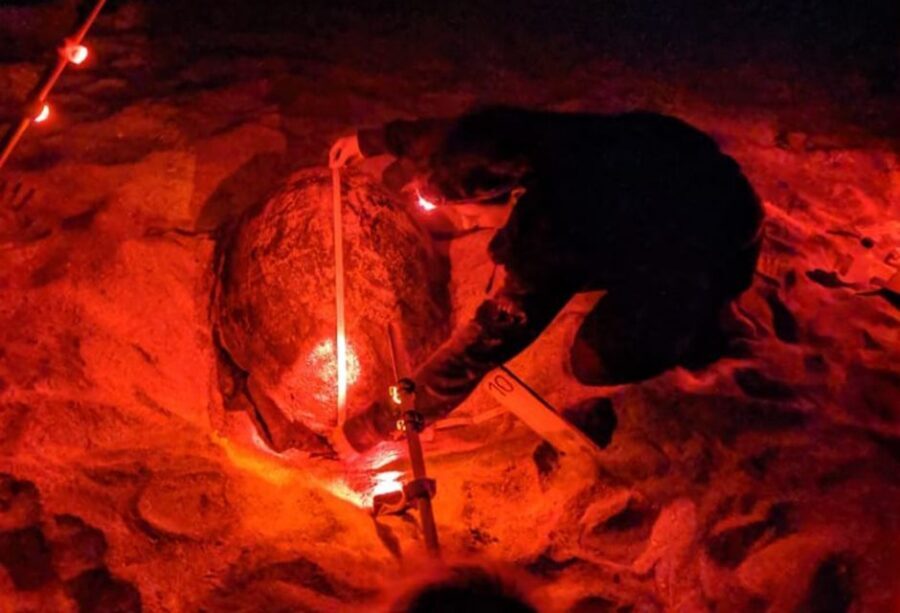
You’ll be picked up in Santa Maria in an air-conditioned vehicle. The ride is short—under an hour—so you’re not stuck traveling forever before you even get to the viewing part.
This timing is part of the value. You’re paying for an evening window when turtles are active, not for hours of waiting in the dark. Once you arrive, you’ll get a guided orientation for about 30 minutes, then you’ll spend the bulk of the evening at the beach area where watching happens.
The schedule is designed so you reach the beach and start your night walk without burning up the best turtle hours. If you’re the type who hates being rushed, you’ll still want to arrive ready to follow rules once you get there, because turtle watching only works when everyone behaves.
The beach walk rules that protect nesting turtles
The tour’s rules aren’t there to make things harder for you. They’re there so the turtles keep using the beach instead of changing course because of human disturbance.
Here’s how to think about it. You’re walking at night in a dark, quiet setting, and your behavior affects an animal that’s trying to complete a biological process. That’s why you’ll be asked to stay quiet. If you’re lucky enough to spot a turtle, the advice is simple: sit down and remain as calm and still as possible so you don’t disturb the turtle during nesting.
The tour also leans heavily on protective equipment choices. You’ll be told to bring biodegradable insect repellent, and you’re encouraged to use biodegradable sunscreen too. That’s about safety for you and responsibility for the beach ecosystem.
You should also mentally prepare for sand and nighttime movement. Comfortable shoes matter, and black clothing is recommended. It’s not just style—dark colors help reduce visual distraction at night.
One more important consideration: your ability to follow quiet rules affects everyone’s experience. If you’re someone who chats loudly or checks your phone constantly, this tour may feel frustrating. If you can switch your brain into calm mode, it will feel rewarding.
What you might see: from crawl-up to nesting moments
What makes this tour special is that it’s framed as a complete nesting story. Guides help you understand the turtle spawning/nesting process from start to finish, so you’re more likely to recognize meaningful moments instead of only seeing general activity.
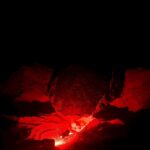
The exact sightings can’t be guaranteed, but the design of the tour is built around that chance. When it clicks, you might see a turtle climbing onto the sand, engaging in nesting behavior, and then—at the end of the process—returning to the sea.
One of the strongest reasons people rate this highly is when they get a clear nesting moment. That’s when the guide’s instruction becomes real: you watch the sequence with better context, and the whole experience stops feeling like a casual activity and starts feeling like an event.
A tip that will help you catch more: go in expecting stillness. Turtle behavior is slow. If you rush forward, you’ll often miss subtle signs because you’re busy scanning. If you stay patient, you tend to notice more.

Price and value: what $41 buys you on Sal
At $41 per person, the price is mainly about specialized access and a guided, responsible nighttime nature experience. You’re not just paying for “a beach trip.” You’re paying for:
- a professional local guide and specialized expertise
- hotel transfer from Santa Maria
- taxes, fuel, and service fees
Food and drinks are not included, so you’ll need to plan around that. The practical way to handle it is to eat earlier and treat this as a nighttime excursion with your “fuel” already set.
Whether it’s good value depends on your priorities. If you want a low-effort, daytime beach break, this probably won’t feel worth it. If you care about conservation, enjoy nature with rules, and want real education about turtle nesting, this price can feel fair because the experience is structured around biology, timing, and careful viewing.
Also, the guide language options (English, French, Portuguese, Spanish, Italian) matter for value. If you’re traveling with mixed language comfort levels, you’re less likely to lose the meaning of the explanations.
What to bring (and what to skip) for a smooth night
The essentials are all about being comfortable and respectful.
Bring:
- clothes that can get dirty
- biodegradable insect repellent
- comfortable shoes
- black clothing (recommended)
- a trash bag (handy since the tour environment expects you to keep it clean)
Also, the tour encourages biodegradable sunscreen.
Now the tricky part: what’s not allowed. The tour lists a long set of items that won’t work on the beach setting, including pets, weapons or sharp objects, cameras, oversize luggage, and food or drinks. It also prohibits plastic bags, vaping, plastic bottles, littering, and making noise. Electronic devices and flashlights are listed as not allowed too.
There’s a small mismatch in the information you might see—some advice mentions a camera, while the rules say cameras are not allowed. Because you’ll be following on-the-ground instructions, I’d treat the safety and animal-protection rules as the deciding factor. If photography matters to you, ask your operator ahead of time so you’re not surprised at pickup.
What you’ll do instead of cameras is watch like a naturalist. It’s not as instant as a phone photo, but it can be more satisfying, especially when a turtle is close.
Who should book this and who should pass
This tour is best for people who genuinely want to observe and learn, not just take a quick nighttime outing.
It can suit:
- eco-lovers who like conservation-focused experiences
- people who can walk on sand in the dark
- anyone who enjoys guided explanations and wants to understand the nesting process
It may not be suitable for:
- people with back problems
- mobility impairments, wheelchair users
- people with respiratory issues
- people with epilepsy
- visually impaired people
- people with haemophilia
- people with low level of fitness
- babies under 1 year
If any of these apply, it’s worth thinking carefully before booking because this is a nighttime beach walk and you’ll need to follow strict behavior rules.
Is this a must-do on Sal? My take
I’d book this if you want a real nature experience with education and clear rules. The biggest strength is that the guides help you understand what’s happening, so you’re not just hoping for a random turtle sighting. The second strength is respect: you’re told to stay quiet, behave calmly, and protect nesting turtles while watching them in a natural process.
If you’re hoping to bring lots of gear, take photos freely, or stay in loud, social tourist mode, you’ll probably feel limited. This isn’t designed for that. It’s designed for patience.
If you do book, do yourself a favor and plan your night around it: eat earlier, wear the right clothes, bring biodegradable repellent, and commit to quiet attention once you’re on the sand.
FAQ
FAQ
How long is the Santa Maria sea turtle watching tour?
The tour lasts about 4 hours.
Where does the tour take place?
The experience includes time at Kite Beach, with pickup from Santa Maria.
What time does the tour run?
Pickup is listed for 8:00 PM, and the activity is usually scheduled from evening until around 11:00 PM.
What is included in the ticket price?
You get a professional local guide and hotel transfer (plus taxes, fuel, and service fees).
Is food and drinks included?
No. Food and drinks are not included.
Are there any rules about what I can bring?
Yes. Cameras are listed as not allowed, and the tour also prohibits items like food and drinks, plastic bags, electronic devices, and flashlights.
Should You Book This Santa Maria Sea Turtle Watching Tour?
Book it if you want a guided, respectful nighttime experience focused on turtle nesting behavior and you’re comfortable following quiet, animal-protection rules. Skip it if you need wheelchair access, have significant fitness or health limitations listed as not suitable, or if you strongly want to use cameras and flash.