REVIEW · SANTA MARIA CAPE VERDE
Santa Maria, Sal: Ultimate Guided Turtle Nesting Experience
Book on GetYourGuide →Operated by Bu Country Tours · Bookable on GetYourGuide
A night on Sal Island feels ancient. You come face to face with a loggerhead turtle nesting on a Cape Verde beach, guided by locals who know how to keep the moment respectful. It’s the kind of experience that makes you slow down and look for details in the dark.
I especially like the small-group feel and the way the guide turns turtle behavior into something you can actually understand. One possible drawback: sometimes you may sit on the sand for a while while the guide searches, then you’ll get the big moment.
In This Review
- Key points worth your time
- Why Sal Island is a big deal for loggerhead nesting
- What the night tour feels like: stars, silence, and turtle timing
- Pickup from Santa Maria: smooth start, clear rules
- The nesting moment: what you’re really watching
- Conservation rules that actually protect the turtles
- Small-group advantage: better focus, better guidance
- What to bring (and what to skip) for a dark-sky turtle watch
- Price and value: is $41 fair for a night nesting experience?
- Who should book this turtle nesting tour on Sal
- A quick reality check: can you guarantee turtle sightings?
- Should you book this Santa Maria turtle nesting tour?
- FAQ
- Where does the tour start and end?
- What turtle species are you hoping to see?
- Is this a daytime or nighttime activity?
- Can you guarantee you will see turtles?
- What’s included in the price?
- What should I bring and what isn’t allowed?
- Is there a dress code, and is it suitable for everyone?
Key points worth your time
- Night beach experience focused on watching Caretta caretta lay eggs in their natural routine
- Licensed guide instruction so you know what’s happening and how to act
- Conservation-minded rules like no flash photography and no noise on the nesting grounds
- Dark-sky logistics: hotel pickup from Santa Maria plus transfer to the nesting beach
- Patience required—you might wait briefly as guides look for active nesting
- Guide personality shines, including a guide named Nayla who helped name a turtle during the wait
Why Sal Island is a big deal for loggerhead nesting
Sal Island is one of those rare places where wildlife tourism can still feel honest and grounded. This tour is centered on the Caretta caretta loggerhead and the chance to witness the nesting process on the island’s beaches. Cape Verde is widely known for sea turtle nesting, and Sal is especially important—this is described as the country’s third-largest nesting site worldwide.
For you, that “third-largest” detail matters less as a trivia trophy and more as a sign of consistent habitat. When a place regularly hosts turtles, your odds improve, and the guides tend to know the right beaches and right conditions. You’re not just walking around hoping for wildlife. You’re joining a guided night watch where people show up specifically because turtles nest here.
Also, this tour frames the experience as conservation-friendly. You’re learning the habits and following strict observation guidelines, which helps protect the turtles and keeps future nesting possible. That’s not a buzzword; it’s practical behavior during the only time you’re allowed to be close.
You can also read our reviews of more guided tours in Santa Maria Cape Verde


What the night tour feels like: stars, silence, and turtle timing
This is a night turtle nesting tour. After pickup, you transfer to a nesting beach and settle into a low-light rhythm under the stars. The guides give you guidance for respectful observation, then you wait quietly and watch.
The key thing to understand is that turtle behavior has its own timing. A loggerhead doesn’t follow your schedule. You might see signs of activity, and then you might need to hold still while the turtle settles into the nesting process. The sand, the wind, and the turtle’s own pace all affect what you’ll witness.
One review-based detail that’s useful for your expectations: the experience includes moments where you’re on the beach and the guide steps away briefly to look for turtles. That doesn’t mean the tour is “messed up.” It means you’re participating in wildlife searching, not a staged show. If you’re the type who hates waiting, bring patience (and yes, water).
Pickup from Santa Maria: smooth start, clear rules
Your day starts right at your accommodation in Santa Maria. The tour includes hotel pickup and drop-off, plus transportation to the nesting beach. Plan to be ready at the lobby about 10 minutes before the starting time. That small buffer helps the group move fast once everyone is accounted for.
You’ll also want to think about what “night beach” means for your body. Even if the tour is only a few hours, you’ll likely stand and walk on sand and dark terrain. Comfortable shoes matter more than style here. The tour’s dress requirements are also specific: dark colored clothes and closed shoes. The goal is simple—dark colors help with stealth and respect, and closed shoes protect you on uneven beach ground.
Another practical win: the tour runs in English, French, Spanish, and Portuguese, so you should have no trouble following instructions.
The nesting moment: what you’re really watching
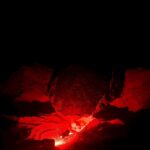
The main event is the nesting process of the loggerhead turtle (Caretta caretta). The guides help you understand what you’re seeing, from the turtle’s behavior to why it matters. You’re there for the egg-laying moment—when the turtle moves ashore, prepares, lays eggs, and completes the process according to its instincts.
What makes this special is that you aren’t just watching an animal; you’re witnessing an ancient life cycle. It’s also a chance to see why the rules are so strict. Sea turtles can be disturbed by bright light and noise. That’s why the tour bans flash photography and flashlight use, and asks you to keep quiet.
You’ll likely hear the guide explain how to stay still, how to position yourself without crowding, and how to observe without interfering. When a guide helps you connect behavior to meaning, the whole night becomes more than a “did we see it?” checklist.
And yes, there’s also a human side to it. One guide named Nayla was mentioned as helping volunteers by naming a turtle during the experience. That kind of interaction can make the waiting time feel less like dead time and more like part of the story.
Conservation rules that actually protect the turtles
The rules on this tour aren’t strict just to be strict. They’re tied to how sea turtles nest.
Here’s what to know before you go:
- No flash photography.
- No flashlight.
- No making noise.
- Follow the guide’s instructions about where to stand and how to observe.
Even if you’re an experienced traveler, these bans change your habits fast. You’ll want to turn off camera flashes, avoid checking your phone in a bright way, and resist the urge to “just take one quick photo.” The tour clearly states that flash photography is forbidden, and that restriction is one of the reasons the experience can work without harming the turtles.
If you love photography, treat this as a test of discipline. You’ll still get memories, but you’ll do it without turning the nesting beach into a nightclub.


Small-group advantage: better focus, better guidance
A standout theme in the experience details is the small-group feel. Smaller groups matter for two reasons: you get more control from the guide, and you don’t crowd the nesting area.
In a small group, the guide can watch the turtles and the people at the same time. You also tend to get clearer guidance on how to behave in close moments. That’s important because sea turtles don’t appear on command. If the guide has to manage a lot of people at once, it becomes harder to maintain quiet and spacing.
One thing to keep in mind, based on a practical downside people noted: there can be periods where you wait on the beach with limited communication because the guide is searching. With a smaller group, at least the vibe stays calmer—and you’ll likely spend less time playing guessing games.
My advice: treat the waiting as part of the job. Your calm makes you a better observer.
What to bring (and what to skip) for a dark-sky turtle watch
You’re outdoors at night on the coast. That means cool air, salty breeze, and insects can all show up. The tour gives specific items to bring, and they’re worth taking seriously.
Bring:
- Drinking water
- Mosquito repellent
- A jacket
- Comfortable clothes
- Comfortable shoes (and closed shoes are required)
Dress code:
- Dark colored clothes
- Closed shoes
Skip:
- Flash photography (camera flash)
- Flashlights
Also, think about your battery and your screen habits. The tour bans flashlight use, so you’ll want a low-light plan for what you need on your person. If you’re carrying a phone, keep it on silent and ready for quick checks only when the guide allows.
Price and value: is $41 fair for a night nesting experience?
At $41 per person, this tour sits in the “worth it for a one-time wildlife moment” category—especially because it includes more than just admission.
Your money covers:
- Pickup and drop-off at your Santa Maria accommodation
- Transportation
- A tour guide
- Liability insurance
That combination matters. Night tours on beaches can be logistical headaches on your own—getting there, returning safely after dark, and learning the nesting rules. Here, the guide handles the wildlife-focused part and the movement part. You’re paying for the local expertise and the safety/insurance piece, not just for standing near sand.
Also, the tour notes that they can’t guarantee turtles every time because nature is unpredictable. Still, they report a 100% success rate in recent years, which is a strong sign that the operation knows how to find active nesting. That predictability is part of the value you’re buying.
Finally, there’s a flexible payment option described as reserve now and pay later (book your spot and pay nothing today). If your schedule is fluid, that’s another practical plus.
Who should book this turtle nesting tour on Sal
This one fits best if you want a calm, wildlife-focused night experience and you’re okay following strict rules.
You’ll enjoy it most if you:
- Love sea life and want to see real nesting behavior
- Prefer guided interpretation over self-guided wandering
- Can handle waiting quietly for the right moment
- Are comfortable wearing dark clothes and standing/walking on sand
You should skip it if:
- You have mobility impairments (it’s not suitable as stated)
- You’re traveling with a baby under 1 year (not suitable as stated)
If you’re a photographer, plan for low-light observation rather than flashy shots. The payoff is that you’ll be part of a respectful event, not a loud spectacle.
A quick reality check: can you guarantee turtle sightings?
No tour can promise wildlife on command. The tour explicitly says they cannot guarantee you’ll see turtles because nature is unpredictable. That’s honest, and it keeps expectations grounded.
At the same time, the operator reports a 100% success rate in recent years. So the practical way to think about it is: you’re not rolling the dice blindly. Your odds are supported by recent outcomes and a guide-led search.
If you’re the type who needs certainty, this is still nature. If you’re the type who likes genuine travel moments, this is exactly that.
Should you book this Santa Maria turtle nesting tour?
If you want one high-impact night on Sal Island—guided, conservation-minded, and focused on the actual nesting process—this tour is a strong match. The price is reasonable for what you get: pickup, transportation, trained local guidance, and a rules-first setup that protects the turtles.
Book it if you can:
- dress for night and sand (dark clothes, closed shoes),
- keep quiet and follow no-flash/no-flashlight rules,
- and bring patience for the waiting.
Skip it if you can’t manage quiet observation or if mobility limits your ability to handle beach terrain. For everyone else, this is the kind of experience that makes you remember Cape Verde in a way that has nothing to do with souvenirs.
FAQ
Where does the tour start and end?
The tour includes pickup and drop-off at your accommodation in Santa Maria. From there, you’re transported to one of the nesting beaches on Sal Island at night, and then you return to your accommodation after the experience.
What turtle species are you hoping to see?
The tour focuses on the loggerhead turtle, Caretta caretta, laying eggs on Sal Island.
Is this a daytime or nighttime activity?
This is a night turtle nesting tour.
Can you guarantee you will see turtles?
No. The tour says it cannot guarantee that you will see turtles, since nature is unpredictable. They also report a 100% success rate in recent years.
What’s included in the price?
The tour includes pickup and drop-off, transportation, a tour guide, and liability insurance.
What should I bring and what isn’t allowed?
Bring drinking water and mosquito repellent, plus a jacket and comfortable clothes and closed, comfortable shoes. Flash photography is not allowed, and flashlights and making noise are also forbidden.
Is there a dress code, and is it suitable for everyone?
Yes. The dress code is mandatory: dark colored clothes and closed shoes. It is not suitable for people with mobility impairments and it is not suitable for babies under 1 year.