REVIEW · BOA VISTA ISLAND
Whale watching tour SEASONAL
Book on GetYourGuide →Operated by Diving Center Riamar · Bookable on GetYourGuide
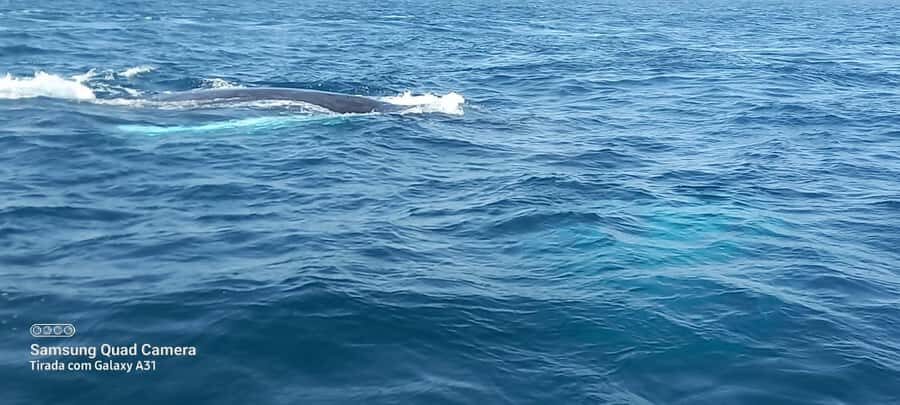
Whales come close on Boa Vista. Humpback whales visit from mid-February to late May, and this tour is built around low-impact viewing. I like how the experience stays eco-friendly and follows European whale and dolphin-watching laws to keep disturbance down.
Two things I really like: the boat is kept to a small group (max 6 people), so you feel the scale of the whales more clearly, and there’s a marine biologist onboard who keeps the experience focused on animals and safety. The third big plus is simple: you get fresh water and non-alcoholic drinks on board, so you’re not scrambling to be comfortable out at sea.
One drawback to consider is that whale sightings are never guaranteed. In the feedback, one booking only reported seeing a single whale, which can feel frustrating if you came for lots of action.
In This Review
- Key Things to Know Before You Go
- Boa Vista Humpback Season: Why This Time Window Matters
- Eco-Friendly Whale Watching: What the Low-Impact Approach Really Means
- The Boat and the Group Size: Comfort for Real Looking
- Riamar in Boa Vista: Why the Provider Choice Comes Up
- What Happens on Tour: A Practical Walkthrough of Your Day
- Sightings: How to Think About Success (and What the Reviews Tell You)
- What to Bring (and What to Leave Behind)
- Price and Value: Is 76 USD Worth It?
- Who This Tour Suits Best
- Quick Tips That Improve Your Odds (Without Promising Anything)
- Should You Book This Whale Watching Tour?
- FAQ
- What months are best for humpback whale watching on Boa Vista?
- How many people are in the group?
- Is the tour in English?
- What is included in the price?
- How does hotel pickup work?
- What should I bring and what is not allowed?
Key Things to Know Before You Go
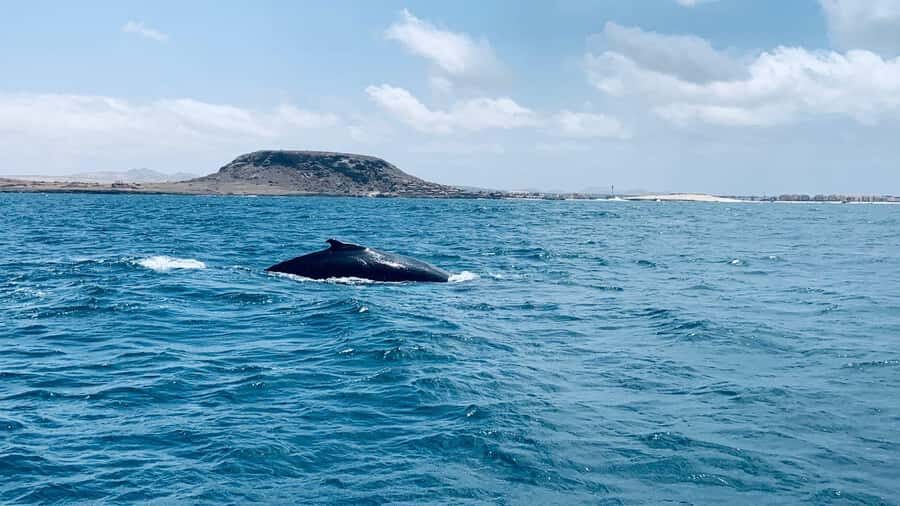
- Humpback breeding season timing: mid-February to late May is the window for seasonal humpback activity in Boa Vista.
- Small group feel: limited to 6 participants, which usually means more personal space and better viewing vibes.
- Marine biologist onboard: you’ll get guided, safety-minded talk throughout the outing.
- Low-impact rules: the tour follows European whale and dolphin-watching laws to disturb animals as little as possible.
- Flexible booking: reserve with pay-later options and free cancellation up to 24 hours in advance.
Boa Vista Humpback Season: Why This Time Window Matters
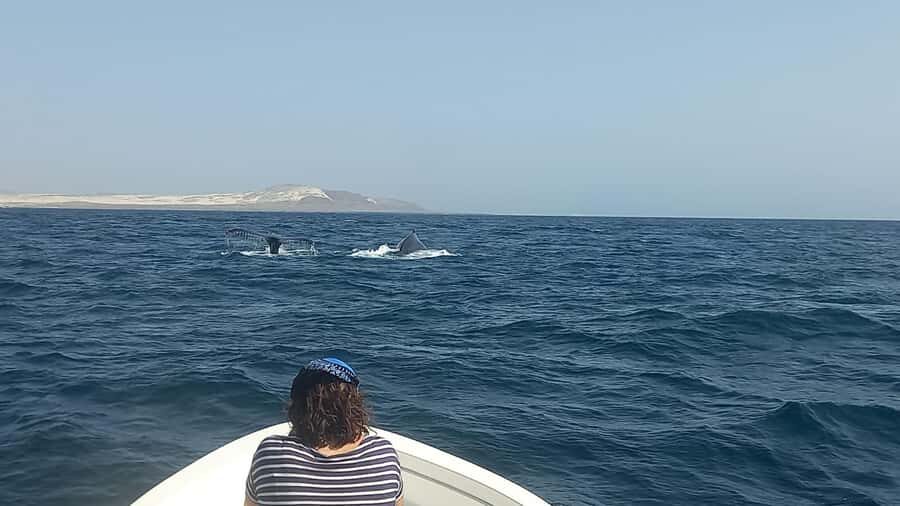
Boa Vista, Cape Verde, is famous for seasonal humpback whale visits. If you’re planning around real whale time (not guesswork), this tour’s schedule is the point: you’re targeting mid-February through late May, when humpbacks are in the area to breed. That’s a narrow window, and it’s also why people get excited about repeating Cape Verde whale trips year after year.
Cape Verde, in general, is a feeding and breeding ground and also part of migratory routes for whales and dolphins. The tour you’re considering is centered on humpbacks, but the bigger context matters: you’re not just chasing one animal. You’re on a marine hotspot where 24 whale and dolphin species are part of the region’s story.
Now for the realistic part. The ocean isn’t a theme park. Even in the right season, humpbacks can be spread out or surface at different times. So treat the trip as “go where the whales are likely to appear” rather than “expect a certain count every single time.”
You can also read our reviews of more whale watching tours in Boa Vista Island
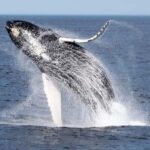
Eco-Friendly Whale Watching: What the Low-Impact Approach Really Means
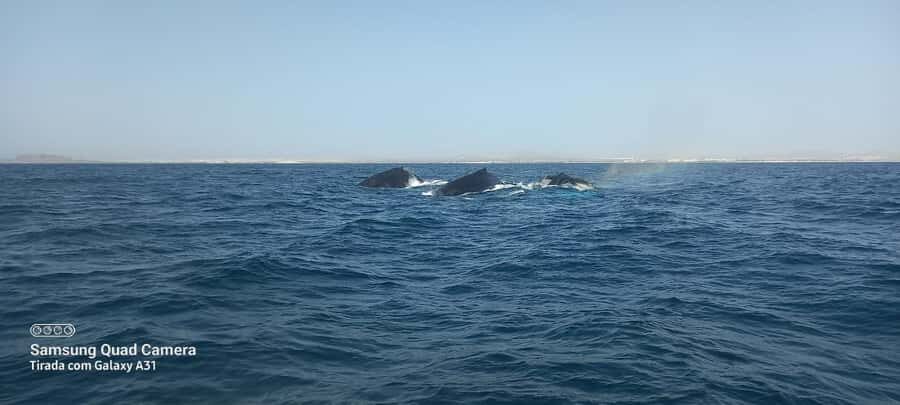
This tour explicitly follows European whale and dolphin-watching laws. That wording matters because it signals more than marketing. It usually translates into practical behavior: keeping interactions controlled, minimizing noise and disruption, and positioning the boat in a way that respects the animals’ space.
I like that the tour frames you as a guest in the sea. That mindset changes how the whole day feels. Instead of rushing toward spectacle, you get a guided approach where the marine biologist on board sets expectations and steers attention toward observing responsibly.
You’ll also see the “fun and respect” balance in the way the tour is described. The goal isn’t to create a hands-off lecture. It’s to give you maximum viewing opportunity while still following rules meant to protect whales and dolphins.
The Boat and the Group Size: Comfort for Real Looking
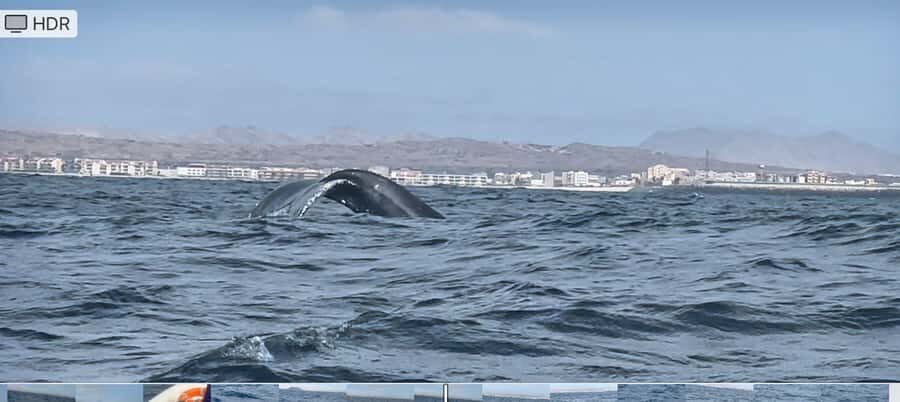
This is a small-group tour: maximum 6 participants. That’s a big deal in whale watching. On a larger vessel, you end up at the mercy of sightlines and crowding. Here, the setup is designed so you’re not craning your neck over strangers.
Small boats also make the experience feel more immediate. One of the standout bits from the feedback is that people felt close enough to truly understand how huge the whales are. That’s exactly the kind of sensory payoff most people want from humpback season.
The flip side is that smaller means less comfort buffering. You should be ready for salt air, wind, and spray. Pack like you’re going to be outside, because you are.
Riamar in Boa Vista: Why the Provider Choice Comes Up
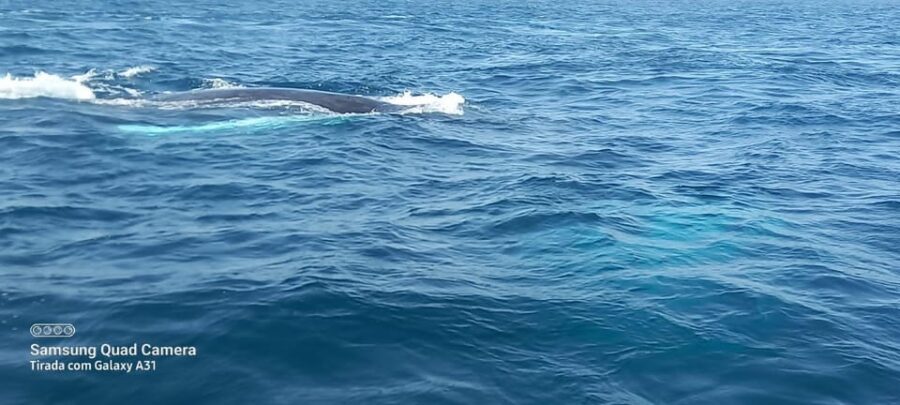
The tour info points to Riamar as the best choice for whale watching in Boa Vista. I can’t measure “best” in a lab, but I can tell you why the provider name comes up with confidence: they’re running this during the key humpback window and they include a marine biologist onboard.
That combination—season timing plus expert guidance—helps with the two biggest whale-watching variables. First, it increases your odds of being in the right place at the right time. Second, it improves the quality of what you see. When you know what you’re looking at, you stop treating whale sightings like a lottery ticket and start enjoying the behavior: surfacing, movement, and the rhythm of whale activity during breeding season.
What Happens on Tour: A Practical Walkthrough of Your Day
There isn’t a published stop-by-stop itinerary like a city tour. But the structure is clear, and it usually follows a pattern that makes sense for marine wildlife watching.
1) Pick-up and departure from your side of the island
The tour provides transport to key areas. If you stay around Center Sal Rei, the one-way pickup is 4€.
If you’re in the Riu cluster or nearby resorts—Riu Karamboa, Riu Palace, Decameron, and Bravo—pickup is 10€ one way.
For guests at Riu Touareg, the plan is different: 50€ for both ways.
If you’re not staying in those areas, you’ll need to make your own way to the meeting point the provider uses for boarding, but the tour data here only lists those pickup zones and prices.
2) Boarding with a marine biologist onboard
Once you’re on the boat, the marine biologist becomes your guide through the day. Their job isn’t just to sound smart—it’s to help you stay safe and keep the behavior around whales within the rules. Expect explanation around how whale watching is managed and why the “don’t disturb the animals” approach matters.
3) Out on the water for humpback breeding activity
Mid-February through late May is the target season. During that time, humpbacks in Boa Vista may be seen as part of breeding activity. Your experience hinges on where whales are at the surface and how sightings line up with your sailing.
This is where the low-impact rules and the marine biologist crew matter. You aren’t trying to force closeness. You’re watching from the right distance and being patient.
4) On-board comfort: water and non-alcoholic drinks
Included with your tour: non-alcoholic drinks and fresh water. That’s a practical inclusion you’ll notice more than you expect, especially if you’re out longer than you thought or if the sun makes you thirsty.
5) Return and wrap-up
After the viewing window, you head back and transport you from where the pickup is defined. Think of the day as: get to the water smoothly, watch responsibly, and head back without hassle.




Sightings: How to Think About Success (and What the Reviews Tell You)
Here’s the honest whale-watching truth: you can do everything right and still get fewer sightings than you hoped for. That doesn’t mean the tour is bad. It means wildlife is unpredictable.
The feedback gives you a clear picture of the range. One booking reported at least four whales. Another had three separate whale sightings, and praised the small boat for making the whales feel enormous. Those are the kinds of moments you remember.
Then there’s the other side: one booking only saw one whale and left disappointed. If you’re the type of person who needs constant action, that’s your risk.
So how should you prepare mentally? Go in knowing the experience is about the chance to observe humpbacks during breeding season—and that you’re buying expertise and responsible viewing, not a guaranteed number of animals.
What to Bring (and What to Leave Behind)
The tour has a clear packing list. You’ll want:
- Head covering or kippah
- Towel
- Camera
- Beachwear
That mix tells you what the outing feels like: sun, spray, and outdoor time on the water. A towel is a smart call because boats aren’t dry places, and you’ll feel more comfortable once you return.
Also note what’s not allowed:
- Alcohol and drugs
- Explosive substances
That policy isn’t just about rules—it supports the eco-friendly, low-disturbance vibe the tour is built on. Keep it clean, keep it simple.
Price and Value: Is 76 USD Worth It?
The tour price is listed at $76 per person, and the included content is equivalent to a whale-watching outing with key extras: the whale watching itself (listed at 65 euros per person), plus non-alcoholic drinks and fresh water.
Transport is extra depending on where you’re staying:
- 4€ one way for Center Sal Rei
- 10€ one way for specific Riu and nearby resorts
- 50€ both ways for Riu Touareg guests
So the real value equation depends on your hotel. If you’re in the pickup zones, the cost is pretty straightforward. If you need to add your own transfer, plan for that before you compare prices.
Why this price can feel fair: you’re getting a small group cap (max 6), a marine biologist onboard, and an eco-friendly approach that follows laws. Those are not throwaway benefits. They shape the quality of the day—how safely you watch, how responsibly you behave around animals, and how much you understand what you’re seeing.
Is it cheap? No. But whale watching in-season in a known hotspot is rarely bargain-basement. You’re paying for timing, expertise, and a setup that respects the animals.
Who This Tour Suits Best
This is a strong fit if you:
- Want a focused wildlife experience rather than a crowded boat day
- Appreciate expert guidance from a marine biologist
- Travel in small groups and like the feel of calmer, controlled excursions
- Are visiting Boa Vista specifically in the humpback season window
It’s not suitable for children under 10. That’s an easy filter to check before you book.
If you’re the type who hates waiting or hates uncertainty, this might be a mental hurdle. Wildlife doesn’t follow schedules. But if you can be patient, you’ll likely enjoy the whole experience more.
Quick Tips That Improve Your Odds (Without Promising Anything)
These aren’t guarantees—just common-sense choices that help you enjoy the experience more:
- Bring the listed items so you’re not stuck uncomfortable in wind and sun
- Keep your expectations flexible on the number of whales you’ll see
- Focus on the behavior and the guidance, not only the first sighting
- Plan your day so you can stay present. Whale watching rewards attention
One practical mindset shift: if you get fewer whales than you hoped, your experience can still be great if you’re getting close, clear views when whales do surface and you understand what the marine biologist is pointing out.
Should You Book This Whale Watching Tour?
I’d book it if your dates fall between mid-February and late May and you want an eco-friendly whale-watching experience with a marine biologist onboard. The small-group size and the low-impact rules are exactly the ingredients that tend to make whale watching feel respectful and more memorable.
I’d think twice if you’re traveling with the strict requirement of multiple guaranteed sightings. Even in a great season, humpbacks can be sparse on a given outing. In that case, you’re not buying a certainty—you’re buying a well-run, responsible chance.
If you’re flexible and you want the experience done right, this is the kind of tour that can turn Boa Vista’s sea into a story you’ll remember.
FAQ
What months are best for humpback whale watching on Boa Vista?
The whale watching is offered during the humpback season from mid-February to late May.
How many people are in the group?
The tour is limited to a small group of 6 participants.
Is the tour in English?
Yes, the live tour guide is in English.
What is included in the price?
Your booking includes the whale watching tour, plus non-alcoholic drinks on board and fresh water.
How does hotel pickup work?
Pickup is included for several areas at listed costs: Center Sal Rei (4€ one way), Riu Karamboa/Riu Palace/Decameron/Bravo (10€ one way), and Riu Touareg (50€ for both ways).
What should I bring and what is not allowed?
Bring a head covering or kippah, a towel, a camera, and beachwear. Alcohol and drugs are not allowed, and explosive substances are also prohibited.