REVIEW · SAO FILIPE
2. Nature, History of FOGO and relaxation at the natural pool of Salinas
Book on Viator →Operated by Qualitur Viagens e Turismo · Bookable on Viator
Saltwater, lava, and old-town streets in one circuit. This Fogo Island half-day strings together São Filipe’s Sobrados around the Igreja Nossa Senhora da Conceição with time to unwind at Salinas, where lava flows meet the Atlantic.
What I like most is how the tour balances history with recovery. The city walk is calm, then the Salinas stop turns into a powerful, watch-from-the-shore kind of reset. The only real caution is that sea conditions at Salinas can get rough, so don’t count on swimming as a sure thing.
In This Review
- Key highlights at a glance
- São Filipe Sobrados: the city’s architecture tells the story
- Igreja Nossa Senhora da Conceição: a free stop that anchors the town
- Salinas at Fogo: where lava meets the sea
- Calabaceira punch: a small tasting with big local flavor
- Guide quality and language: what can make or break the day
- Price and value: what you’re really paying for
- How this tour fits with a volcano day on Fogo
- Who should book this half-day Salinas and São Filipe circuit?
- Should you book it?
- FAQ
- Where does this tour take place?
- How long is the tour?
- How much does it cost?
- Is pickup offered?
- What’s included besides sightseeing?
- What is the first scheduled stop?
- Is there an admission fee for the church?
- How big are the groups?
- When will I get confirmation after booking?
- What happens if weather is bad?
Key highlights at a glance
- São Filipe’s Sobrados: colonial-era houses clustered around the church area
- Igreja Nossa Senhora da Conceição: a free admission stop that helps you read the town’s past
- Salinas natural pool: lava and sea create a dramatic, relaxing pause
- Calabaceira punch: a local drink made from baobab fruit
- Small group feel: capped at 22 people, with a minimum of 2
- Pickup available: makes the short circuit easier to fit into your day
São Filipe Sobrados: the city’s architecture tells the story
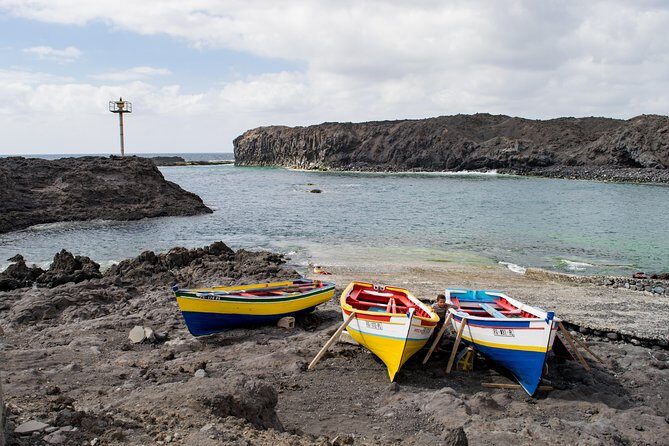
São Filipe is one of those places where the buildings do the talking. Around the church area, you’ll see old colonial houses known as Sobrados, with their distinctive forms and colors that help explain how this part of Cape Verde developed. On a short tour like this, you’re not just passing by—you’re being guided to notice details that usually go right over your head when you wander alone.
I like the way this stop gives you quick context for Fogo Island. Fogo isn’t only about volcanoes; it’s also about people, trade, and how communities built themselves here. Seeing the Sobrados early in the circuit makes the later natural stop feel even more meaningful. It’s like your brain gets organized first, then you get to breathe.
One practical note: the tour is only about four hours total, so pace matters. You’ll want to stay mentally ready for a light walking day, not a slow all-day stroll.
You can also read our reviews of more tours and experiences in Sao Filipe.
Igreja Nossa Senhora da Conceição: a free stop that anchors the town
The tour’s first anchor is Igreja Nossa Senhora da Conceição, right in the São Filipe area tied to the Sobrados. You get about 45 minutes there, and admission is listed as free. That’s a nice benefit because you’re spending time where it counts—at the center of the architecture and the town’s oldest visual clues.
I found this kind of stop especially useful if you’re new to Cape Verde history. The church area acts like a reference point: later, when you look around the streets, you can connect what you’re seeing to why it’s here. It’s not a “check the box” visit. It helps you understand the pattern.
If you care about photography, plan to slow down during this phase. The setting makes it easy to capture both the church and the older buildings, and you’ll be glad you did. On a half-day itinerary, good photos are basically the souvenir.
Salinas at Fogo: where lava meets the sea
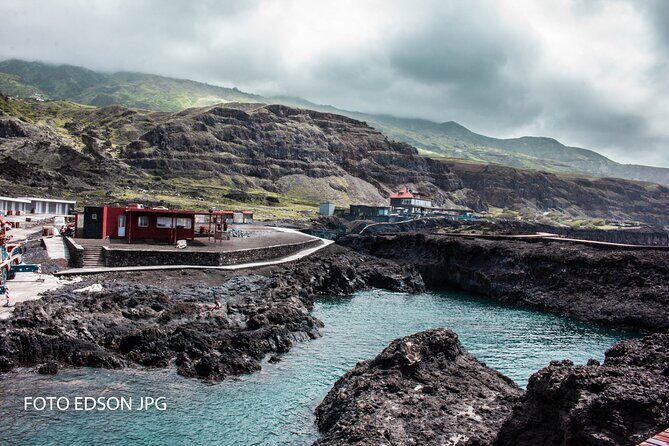
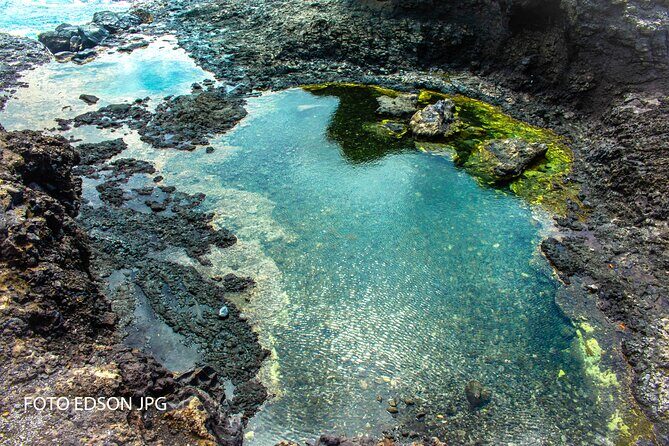
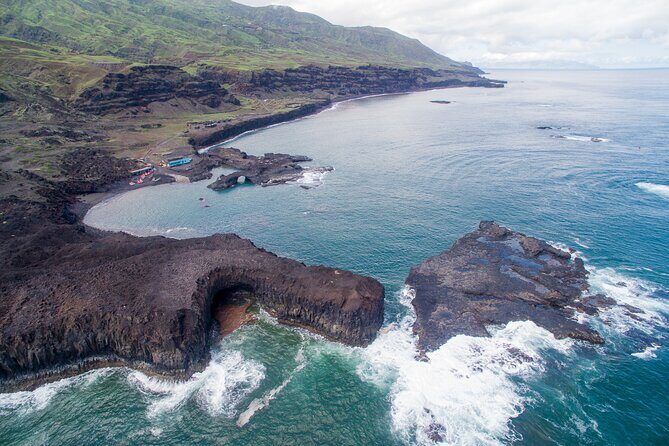
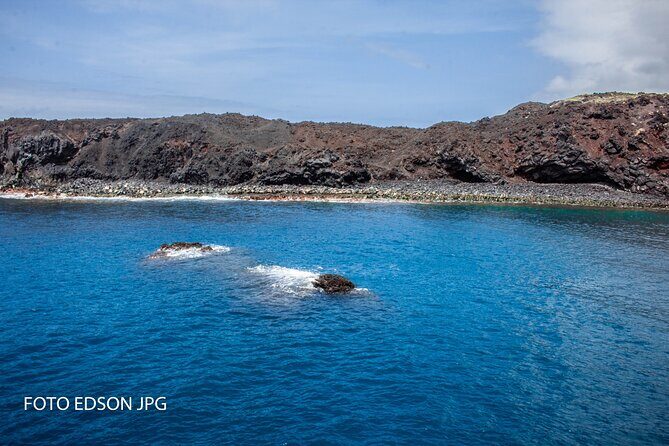
The best part of this tour—at least for me—is the shift in mood once you reach Salinas. This is the natural pool formed where the sea and lava flows meet. The result is a place that looks otherworldly, but it’s still very much Cape Verde: salt air, rock edges, and ocean power that you can’t “out-stare.”
This is also where you’ll feel the tour’s “relaxation” theme most strongly. You’re not hiking for hours; you’re taking in a natural scene that’s dramatic enough to hold your attention. Listening to waves hit the lava rock and watching the water movement does something calm to your nervous system—especially if you’ve been driving around or climbing stairs earlier in your trip.
Here’s the key consideration: the sea can be rough. One past experience included conditions where the surf was intense enough that swimming would have been life-threatening. So even if you’re hoping to cool off, treat it as an observation stop first. If the water looks chaotic, stay out of the deeper areas and follow your guide’s cues.
Practical tip: wear shoes you trust on uneven, possibly slippery rock. You’re not just standing still—you’ll likely step around to find safer viewing spots.
Calabaceira punch: a small tasting with big local flavor
This circuit also includes a taste of a typical drink called calabaceira, made from the fruit of the baobab tree. It’s one of those Cape Verde flavors that helps the day feel like more than a photo tour. You’re sampling something local, not just passing through.
I like that the tour doesn’t try to turn a drink into a whole performance. It’s simply part of the experience, giving you a quick cultural “taste cue” to remember later. If you like fruit-forward spirits or you’re curious about how baobab fruit is used in the region, this is worth your attention.
Since the details of how or where the tasting happens aren’t fully spelled out, keep expectations simple: you should plan on tasting as a short stop, not a long break. If you have dietary restrictions, ask your guide how the punch is prepared before you drink.
Guide quality and language: what can make or break the day
A tour like this lives or dies by the guide’s ability to explain what you’re seeing. On one instance, the guide Milton reportedly did a great job, and the whole day felt fun and well-paced. That matters because Salinas and São Filipe can feel obvious once you’re there—but the meaning behind them is what you’ll miss if the guide can’t connect the dots.
At the same time, language can vary. There’s at least one experience where communication was difficult because the guide’s English wasn’t very strong. If you rely on English for understanding details, this is a real factor to consider.
My advice: come with a few simple questions you can ask even with limited language. Things like what the Sobrados were used for, what the lava formation looks like in different conditions, or what you should do for safety at Salinas. If English isn’t perfect, questions keep the interaction moving and help you get value out of the guide.
Also, remember the group size cap is 22. That usually means you’re not dealing with a huge crowd, but it’s still not a private tour. If you want more interaction, don’t be shy about engaging during the early church stop.
Price and value: what you’re really paying for
At $55.42 per person, this isn’t a “just walk around town” deal. You’re paying for the guided circuit, the transport between São Filipe and the Salinas area, and the time-savings of having someone point out what matters.
The church stop is free entry, so you’re not buying admission to a museum. Instead, you’re buying interpretation and logistics. That’s a fair value when you only have a half day on Fogo. If you tried to do this on your own, you’d still need to plan safety at Salinas, figure out timing, and coordinate transport—especially if your schedule is tight.
You’ll also want to think about your travel style. If you like structured time and a clear sequence, this price makes sense. If you prefer total freedom and slow wandering, you might feel the cost more sharply—because the tour moves at a guided pace.
One sign of value: the tour is often booked in advance, with an average booking window around 51 days. That suggests it’s not the kind of thing you always want to gamble on last-minute.
How this tour fits with a volcano day on Fogo
If you’re already doing a bigger Fogo experience, this works well as a partner piece. One common pattern: people combine it as an add-on to a day focused on discovering Fogo’s volcano. That combo makes sense because the volcano day is often physically demanding and time-heavy, while Salinas and São Filipe help you slow down afterward.
The flow is logical: volcano energy in the morning, then architecture and ocean-lava drama later. Even if you’re not doing the volcano climb, the structure still helps. The tour starts with human history (Sobrados and church) and ends with natural spectacle (Salinas) plus a small taste (calabaceira punch).
If you’re planning a multi-day trip, I’d place this kind of half-day after something intense. It’s a “recharge” stop, and you’ll feel the difference more when you’ve earned it.
Who should book this half-day Salinas and São Filipe circuit?
I think this tour is best for you if you want:
- a short, well-defined slice of Fogo Island without committing to a full-day excursion
- a mix of history and nature—especially if you like seeing how architecture connects to place
- a gentle way to experience Salinas without turning it into a swim-in-a-danger-zone situation
It’s also a solid choice for people who like local taste experiences. Calabaceira punch adds a flavor memory that complements the visual stops.
I’d skip it if your priority is lots of long time in the water or a very in-depth history lecture. This is about a circuit with a few focused stops, and Salinas safety will depend on conditions.
Finally, if English is essential for you, consider asking in advance what languages the guide typically uses. You can’t control the sea, but you can prepare for communication.
Should you book it?
Yes, if you want a compact, meaningful Fogo day that balances old-town architecture with a dramatic natural pool. The free entry church stop, the Sobrados storytelling, and the calabaceira punch make it feel more than a simple drive-and-see. Plus, the group size cap (22) keeps the experience from turning into a circus.
Hold off or be cautious if you’re expecting guaranteed swimming at Salinas. Plan to treat it as a watch-and-relax stop, especially when the ocean looks rough. And if language support is a big concern for you, ask questions before you go so the guide can meet your expectations.
If you want an easy win for a short trip on Fogo, this is one of the better ways to spend a half day: history in the morning, ocean-and-lava calm afterward.
FAQ
Where does this tour take place?
It takes place on Fogo Island, starting from São Filipe, Cape Verde.
How long is the tour?
The duration is about 4 hours.
How much does it cost?
The price is listed as $55.42 per person.
Is pickup offered?
Yes, pickup is offered.
What’s included besides sightseeing?
The tour includes a stop in São Filipe, relaxation time at Salinas, and tasting a typical drink called calabaceira (baobab fruit punch).
What is the first scheduled stop?
Stop 1 is Igreja Nossa Senhora da Conceição in São Filipe.
Is there an admission fee for the church?
Admission is listed as free for Igreja Nossa Senhora da Conceição.
How big are the groups?
The maximum group size is 22 people, and there is a minimum of 2 participants.
When will I get confirmation after booking?
Confirmation is received within 48 hours of booking, subject to availability.
What happens if weather is bad?
This experience requires good weather. If it’s canceled due to poor weather, you’ll be offered a different date or a full refund.