REVIEW · SAO FILIPE
Fogo Island: Pico do Fogo Volcano Summit Hike
Book on GetYourGuide →Operated by Bu Country Tours · Bookable on GetYourGuide
Pico do Fogo is Cape Verde’s real volcano day. This guided hike climbs to the island’s highest point at 2829 meters, then drops you back down toward Chã das Caldeiras through volcanic sand, with active-volcano scenery along the way and guides like Nezito or Junior helping you pace the effort.
I especially love the 360-degree summit views over Fogo Island, and I also like the sheer fun factor of the descent, when you run down through lava ash toward Chã das Caldeiras.
One consideration: it’s a physically demanding hike, and the activity is not suitable for people with mobility impairments, so bring your fitness game and solid footwear.
In This Review
- Key things to know before you go
- Pico do Fogo Summit Hike: Why This Volcano Day Matters
- Pick-Up, Small Groups, and the Guide Who Controls the Pace
- The 3–4 Hour Ascent: Reaching 2829 Meters Without Burning Out
- Summit Moments: 360-Degree Views and the Feel of Being Above the Clouds
- Picnic Break on Volcanic Time: Fuel, Rest, and Questions
- The Descent Into Chã das Caldeiras: Running on Lava Ash
- Price and Value: Is $51 Worth It?
- What to Bring (and What to Plan For) on Pico do Fogo
- Who This Hike Fits Best on Fogo
- Should You Book This Pico do Fogo Hike?
- FAQ
- How long is the Pico do Fogo summit hike?
- What is the price per person?
- Where does the hike start?
- What’s included in the price?
- What should I pay for myself?
- Are there different group sizes?
- What languages are the guides?
- Is it okay for people with mobility impairments?
- What about cancellation?
Key things to know before you go
- Cape Verde’s highest summit (2829 m): You’re chasing altitude and panoramic payback.
- 360-degree views from the top: Weather permitting, you might even catch sight of other islands.
- Descent through lava ash: This is the part that feels like you’re skiing on volcanic sand.
- Guides adjust your pace: Supportive, patient guidance matters on steep ground.
- Hotel pickup and drop-off: You save time and hassle on a full day.
Pico do Fogo Summit Hike: Why This Volcano Day Matters
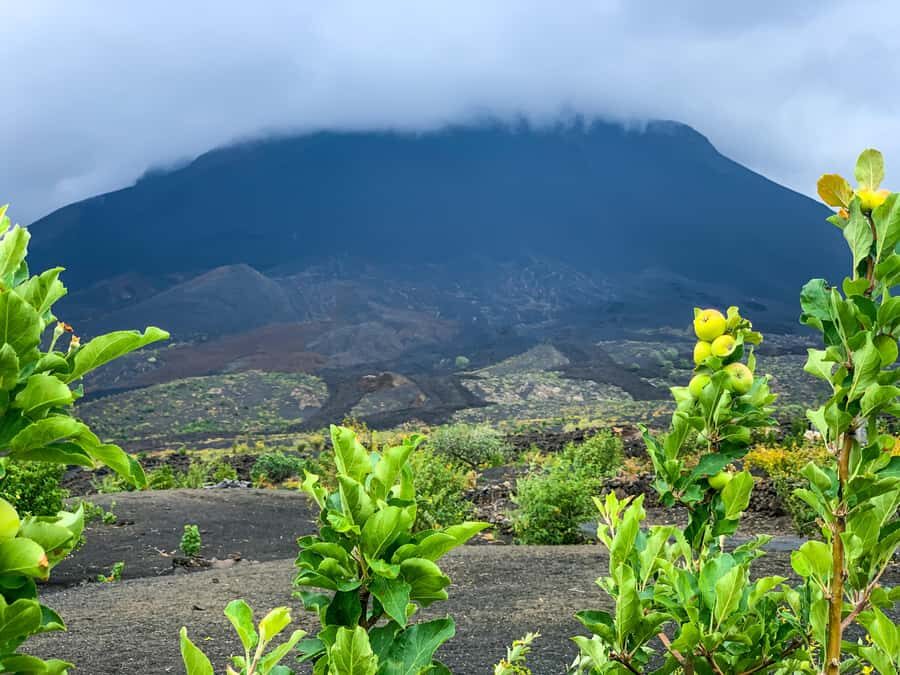
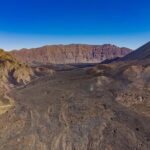
If you want Cape Verde to feel more than beach-and-breeze, Pico do Fogo delivers. This is the hike that takes you to the island’s highest point—2829 meters—so the views are wide, serious, and very different from the coastline. From up top, the volcanic terrain stretches in every direction, and the air and cloud cover can shift your perspective fast.
What makes the hike genuinely interesting is the combination of drama and education. You’re not just walking up a hill for photos. Your guide explains what the eruption left behind, and you’re hiking on ground tied to ongoing volcanic activity. Even if you know the basics about volcanoes, seeing the patterns on the slopes—and having someone help you read them—turns a regular summit day into a story you can feel in your legs.
The summit is the big goal, but the best moments often come in the middle: the way your route changes across ash, the heat and pace you manage during the climb, and then the final descent that turns the volcano into an experience you actively move through, not just admire.
You can also read our reviews of more tours and experiences in Sao Filipe.
Pick-Up, Small Groups, and the Guide Who Controls the Pace
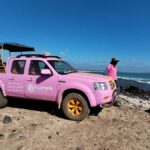
The practical setup is part of why this feels manageable. You get hotel pickup and drop-off, and you should be in the lobby about 10 minutes before your scheduled pickup time. Once you’re underway, a local guide handles the route and the volcano talk, so you’re not stuck guessing what you’re looking at.
Group size is flexible: it can run as a private tour or small group, and you’ll have a live guide speaking English, French, Portuguese, or Spanish. That language coverage matters more than it sounds, because the volcano explanations help you connect the dots instead of just collecting scenery.
One of the strongest patterns in the experience is pace control. The guide is supposed to adjust the climbing rate to match your skills, with short breaks along the way. If you have a steady hiking rhythm, you’ll feel in sync. If you need to slow down, the trip is designed to accommodate that, so you’re not white-knuckling the entire ascent.
In particular, names like Nezito and Junior show up in successful outings, with mentions of smooth, safe pacing and strong English. Even if your guide isn’t one of those, the key point stays the same: you’re in hands that understand altitude effort.
The 3–4 Hour Ascent: Reaching 2829 Meters Without Burning Out
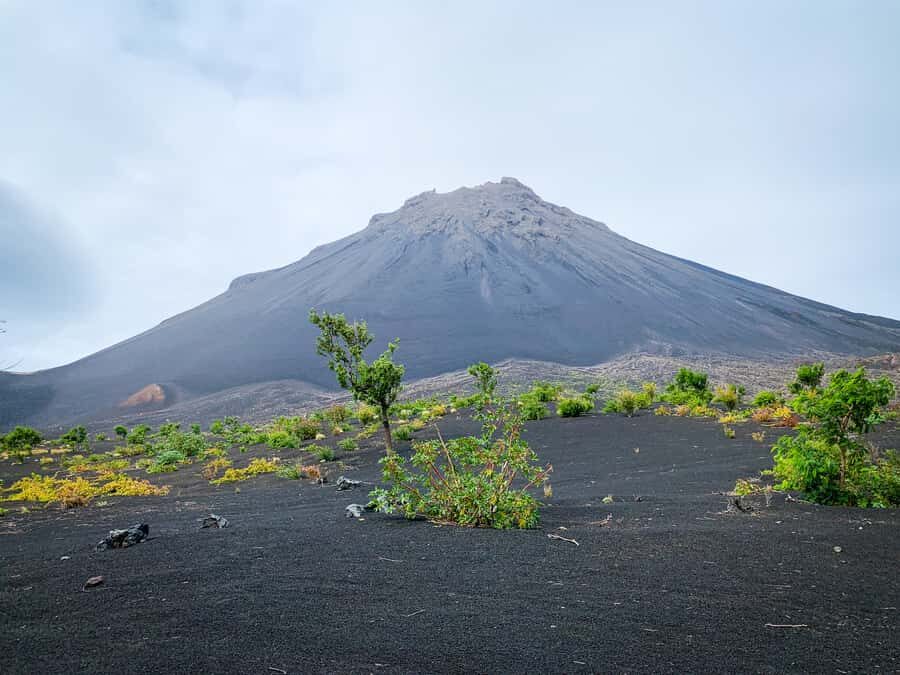
The hike is built around a straightforward rhythm: drive to the volcano area, start the climb, and then work upward for about 3–4 hours before you reach the summit. After that, you spend time on top for views and a break before heading down.
On the climb, expect effort. This isn’t a flat walking tour. You’re pushing up volcanic ground, and the terrain can feel loose or uneven depending on conditions. The route may not be technically complicated in a climbing sense, but it still demands endurance and stable steps.
A smart tip from real-world timing: start early if you can. Morning helps you avoid the worst of the heat, and it also makes it easier to settle into a steady pace before you fatigue. Even if your tour schedule is fixed, you can still plan your day around an early start by arranging your morning routine and packing the night before.
Bring these basics seriously:
- Hiking boots with grip (the descent can feel like moving on powder)
- Water (it’s not included)
- A layer for temperature shifts, since volcano weather can change quickly
If your group is fit, there may be an extra option on the route. One account mentions an alternate climb with steel cables for better views, offered as a supplement for fit hikers. That kind of choice isn’t guaranteed for every departure, but it’s a reminder that the experience can be tailored depending on what your group can handle.
Summit Moments: 360-Degree Views and the Feel of Being Above the Clouds
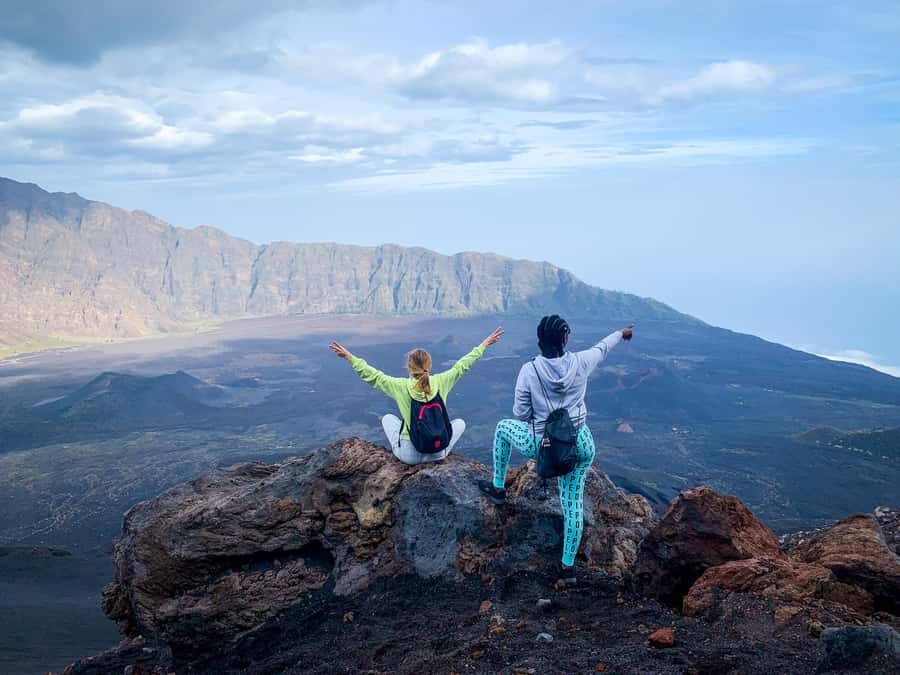
Reaching the top at 2829 meters is the payoff—and it hits fast once you get there. The experience description focuses on unbelievable 360-degree panoramic views of Fogo Island, and the atmosphere can make it feel like you’re touching the sky above the clouds.
At the summit, your guide helps connect what you see to what happened. You’ll learn how an eruption covered parts of the island with lava, and you’ll probably hear references to the volcano’s activity and how that shapes the terrain below. This isn’t just trivia. It changes how you look at the slopes. Instead of thinking of the ground as random, you start recognizing patterns—where flows ran, where ash collected, and where the land looks different because the volcano said so.
Weather is a big factor for the horizon. With clear conditions, you may spot other islands in the Atlantic. When visibility drops, you still get the full effect of the volcano terrain around you, even if the distant dots on the horizon disappear behind cloud.
Also: plan on taking time. The summit stop isn’t just a quick pose-and-go moment. You’ll take a break, absorb the views, and let your breath recover. If you try to race through the top, you miss the main reason this day exists.
Picnic Break on Volcanic Time: Fuel, Rest, and Questions
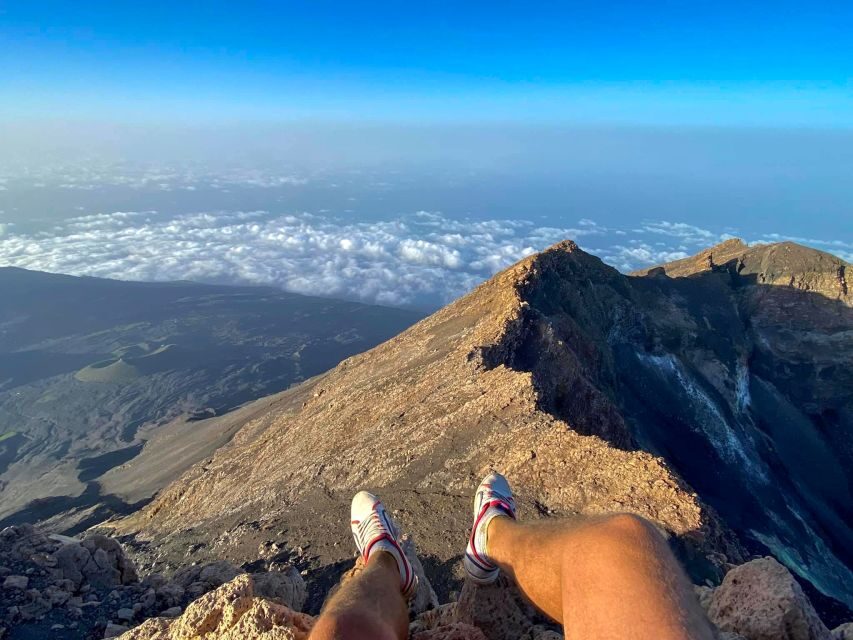
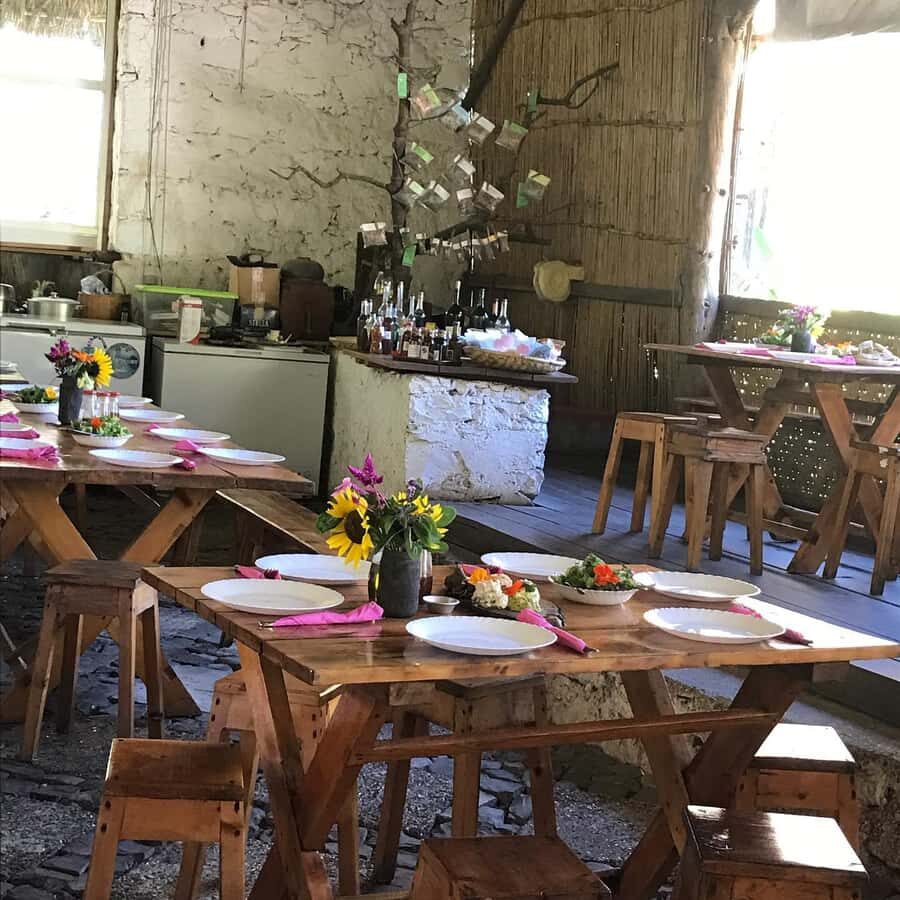
After the summit break, you’ll have time for a picnic, but you should know it isn’t included in the price. That means you’ll want to either bring your own or purchase food separately as instructed by your guide or the day’s local setup.
This pause is useful for more than eating. It gives your body a reset before the descent, which is usually where people get tired from earlier effort. If you tend to feel shaky after climbing, use this as a planned recovery window: slow breathing, small sips of water, and a few minutes to get your balance back.
It’s also the best moment to ask practical questions. Since your guide talks about eruption history and volcanic activity, you can use the picnic time to ask what you should notice next on the way down. Even simple questions like how the lava ash forms the route can turn the descent into a more meaningful experience.
The Descent Into Chã das Caldeiras: Running on Lava Ash
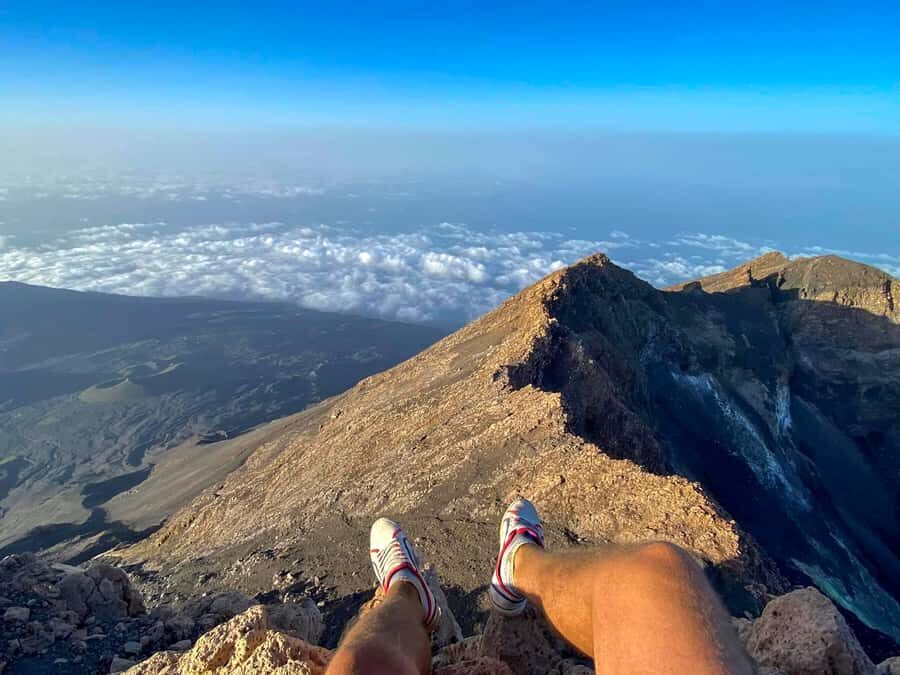
Here’s the part that makes people talk after the hike: the descent. After the picnic, you start going down toward Chã das Caldeiras through lava ash, and the experience is described as something you don’t want to miss.
The vibe changes as you descend. Instead of only fighting the climb, you get the playful feeling of moving over loose volcanic material. Multiple accounts describe the sensation as fun and fast, with one comparison to running down like skiing on a soft slope. That’s not literal skating gear territory, but it captures the feeling: ash can slide under your feet if you don’t manage your stance.
That fun needs respect, though. Loose footing can be tricky, especially if you’re tired. Your guide’s role here matters: good guidance helps you choose stable footing and keeps the group moving safely. With the right boots and a steady lower-body rhythm, the descent becomes the memory you’ll replay.
Chã das Caldeiras is the natural destination point because it connects the volcano’s story to real life on the island. You’re hiking through a volcanic environment and ending up near a settlement shaped by the same forces. It’s not just a remote trail day.
If you’re staying on Fogo in Chã das Caldeiras before or after your hike, timing can make the whole trip feel smoother. One account described sleeping in the caldeira area and then hiking, which makes sense because it reduces travel shuffling and keeps your day focused on the mountain.
Price and Value: Is $51 Worth It?
At $51 per person, this hike prices itself as a value-focused volcano experience. The big question is what you’re getting for that money.
You get:
- Hotel pickup and drop-off
- A local guide
- A full day working schedule that includes the ascent to the summit and the descent toward Chã das Caldeiras
- Live guiding in English, French, Portuguese, or Spanish
- Group options that can include private or small groups
What you don’t get:
- Picnic costs
- Water
So the true cost depends on what you choose to bring and buy. Still, $51 is a fair price if you compare it to paying for independent transport plus a qualified guide. Volcano terrain is the kind of environment where an experienced guide isn’t a luxury. It’s part of how you stay safe and how you make sense of what you’re seeing.
In other words: the money isn’t going mostly to a bus ride. It’s going to the expertise that turns a steep hike into an informed, guided experience with active-volcano context.
What to Bring (and What to Plan For) on Pico do Fogo
This hike can go sideways if you show up underprepared. You don’t need fancy gear, but you do need essentials.
Do this:
- Wear hiking boots with good grip
- Pack or plan to buy water
- Bring layers. Conditions can shift from climb heat to cooler summit air
- Expect a day that runs about 6–7 hours, so dress like you’ll be active the whole time
- If you’re tempted by the extra route with steel cables (for fit hikers), ask your guide what’s possible for your group that day and what it means for difficulty
Also think about comfort. If your knees are sensitive, the descent on ash will test them. Trekking poles can help if you already use them, but the key is stable footwear and a calm pace.
Lastly, don’t treat the summit like a sprint. The views are the reward, but your body needs a moment to catch up.
Who This Hike Fits Best on Fogo
This isn’t a stroll. It suits hikers who are comfortable with a challenging ascent and a steep descent on volcanic material. If you like active days with a guide who explains what you’re seeing, you’ll get more out of this than just ticking off an altitude goal.
It’s also a good fit for small groups and private travel styles. The option for private or small groups means you can move at a pace that matches your comfort and your hiking skills, especially when the guide is adjusting the climb rate.
The big mismatch is mobility limitations. This activity is not suitable for people with mobility impairments, so if that’s a concern, skip this and look for a different Fogo experience that’s designed for your needs.
Should You Book This Pico do Fogo Hike?
Book it if you want the highest point in Cape Verde, real volcanic scenery, and a guided day that ends with a fun descent into Chã das Caldeiras. If you enjoy learning as you walk—especially eruption history and how to read volcanic terrain—this hike is a strong choice for your time on Fogo.
Pass or postpone if you’re not up for a steep, physically demanding hike. Also, if you hate the idea of loose footing, take that seriously. The day can be safe with a good guide, but your comfort on uneven volcanic ash is still your responsibility.
If you’re ready for a mountain day that feels both adventurous and grounded in local knowledge, this is one of the most “Fogo” experiences you can choose.
FAQ
How long is the Pico do Fogo summit hike?
The duration is listed as 6 to 7 hours.
What is the price per person?
The price is $51 per person.
Where does the hike start?
It starts in Santa Catarina do Fogo, Cape Verde, with pickup from your accommodation.
What’s included in the price?
The included items are hotel pickup and drop-off and a local guide.
What should I pay for myself?
Picnic and water are not included.
Are there different group sizes?
Yes. There are options for private or small groups.
What languages are the guides?
The live tour guide offers English, French, Portuguese, and Spanish.
Is it okay for people with mobility impairments?
No. This activity is not suitable for people with mobility impairments.
What about cancellation?
You can cancel up to 24 hours in advance for a full refund.