REVIEW · SERRA NEGRA
Sal Island: Turtle Watching Experience
Book on GetYourGuide →Operated by No-Limits Adventure · Bookable on GetYourGuide
A turtle nest on a beach beats most souvenirs. On Sal, this eco tour takes you to the protected beaches around Santa Maria for loggerhead turtle nesting season. It is equal parts wildlife time and coastal scenery, with the added bonus of a guide who explains what you’re actually seeing.
I especially like two things: the chance to witness a turtle lay eggs and then head back to the water, and the fact that you’re not just drifting around with a random plan. You get live commentary, and you also learn why these specific beaches matter to the turtles. One consideration: this experience is not for everyone, since it is not suitable for people with heart problems, and it does involve a moderate level of physical effort on the ground.
In This Review
- Key points worth knowing before you go
- Why Sal’s Santa Maria Beaches Are Turtle Country
- From Your Hotel to the Coast: Pickup and Small-Group Rhythm
- Kite Beach in Two Seasons: What You’ll See and Why It Matters
- Serra Negra, the Black Mountain, and a Wild Beach at Its Base
- The Turtle Watching Moment: How You Should Act on the Beach
- What the Tour Teaches You (Besides Where to Look)
- Price and Value: Is $46 Worth It?
- Who Should Book This Turtle Watching Eco Tour
- What to Bring (So You’re Comfortable on the Beach)
- Should You Book It?
- FAQ
- Where is the turtle watching experience located?
- What is the price per person?
- What does the tour include?
- Are transfers from Murdeira Village included?
- What should I bring and wear?
- Is flash photography allowed?
- How many people are in the group?
Key points worth knowing before you go
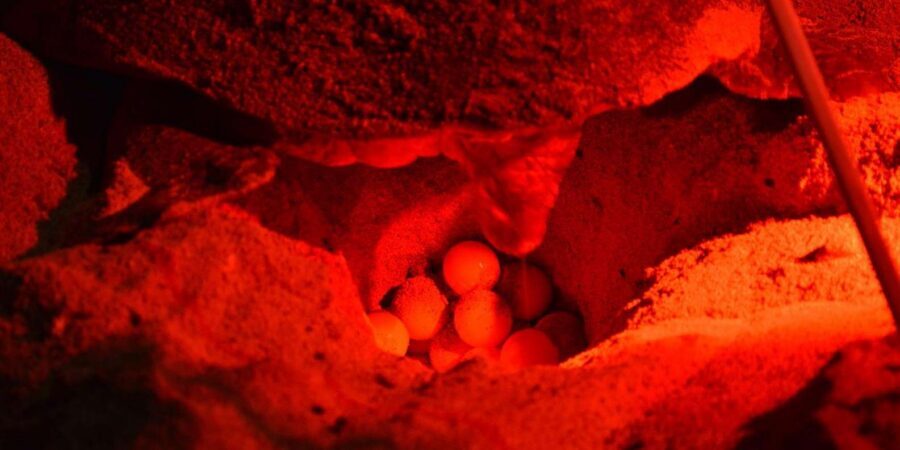
- Protected beach turtle time: you focus on the nesting behavior of Caretta caretta on safeguarded shorelines
- Small group pace (max 20): calmer viewing, easier questions, less crowd energy
- Kite Beach, then the Black Mountain: a good mix of coast and natural reserve settings
- Guide-led interpretation: you learn how turtles use these beaches, not just where to look
- No flash photography: you’ll keep the moment respectful for wildlife
Why Sal’s Santa Maria Beaches Are Turtle Country
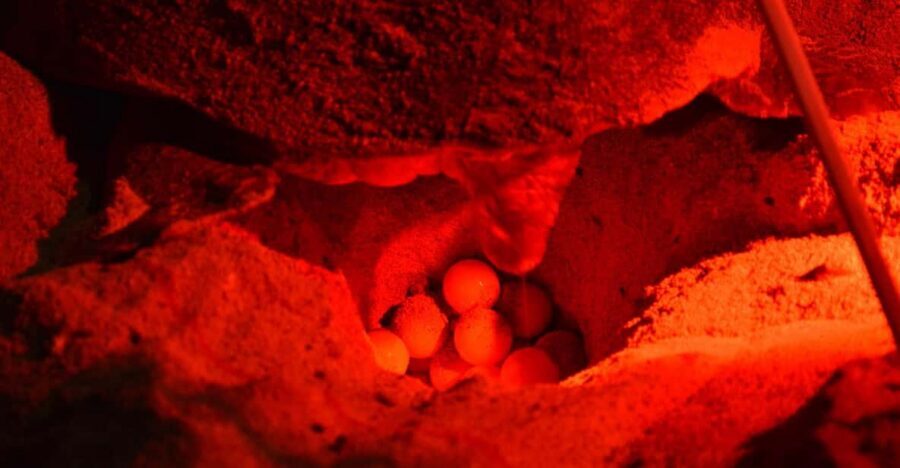
Sal’s coast is where you come for a very specific kind of nature encounter: Caretta caretta loggerhead turtles making protected beaches part of their life cycle. During the right season, the beaches around Santa Maria can shift from human activity to turtle activity. That seasonal change is the whole point here, because nesting is not a “show” you can force. It is nature doing its thing, and your job is to watch carefully.
What makes this tour feel worth your time is that it is not just about spotting turtles from far away. You are there to understand the behavior. You get guidance from a professional, plus live commentary during the ride. That matters because turtles do not always perform on a schedule. When you know what to look for—nesting patterns, where they come ashore, and why these beaches are protected—you feel more connected to the experience instead of just hoping for luck.
There’s also a built-in sense of “eco” here. You’re asked not to use flash photography, and the guiding approach emphasizes respecting turtles and the environment. That makes a difference when you’re trying to witness something delicate rather than disturb it.
From Your Hotel to the Coast: Pickup and Small-Group Rhythm
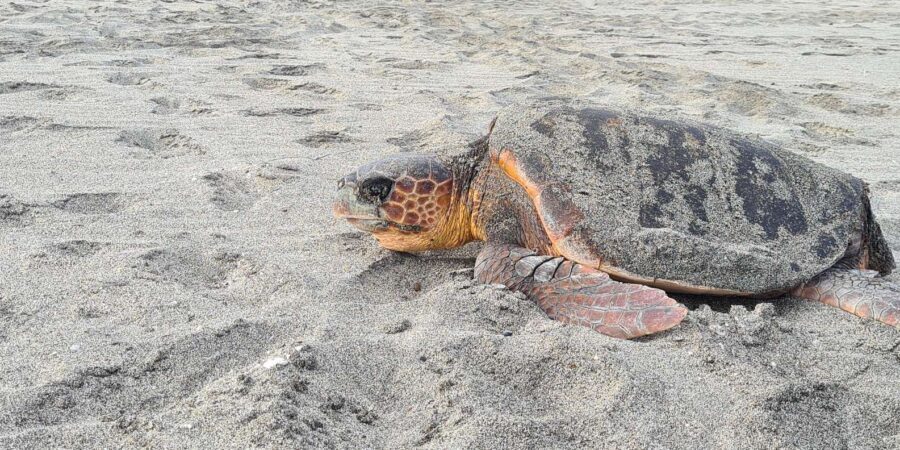
This tour runs with hotel pickup and drop-off, so you don’t have to wrestle with buses, taxis, and timing. You’ll meet your group, head out with live commentary on board, and return afterward. For most people on Sal, that is the easiest way to squeeze in a meaningful nature experience without turning the day into a logistics project.
A couple of practical points I’d plan around:
- The transfer times are approximate, so keep your day a little flexible.
- Transfer from Murdeira Village is not included, so if you’re staying there, you’ll want to confirm how you’ll get to the pickup point (or you may need your own option to reach the included pickup).
The group size caps at 20 travelers. That keeps the experience from feeling like a production line. In a smaller group, it is easier for a guide to manage spacing and help you understand what you’re seeing—especially when turtle activity is happening at the pace of the sea, not your schedule.
Languages include English, Spanish, Italian, French, and Portuguese, and the guide may be multi-lingual. Even if your language is not perfect, the key information is visual and guided, and the group stays together.
Kite Beach in Two Seasons: What You’ll See and Why It Matters
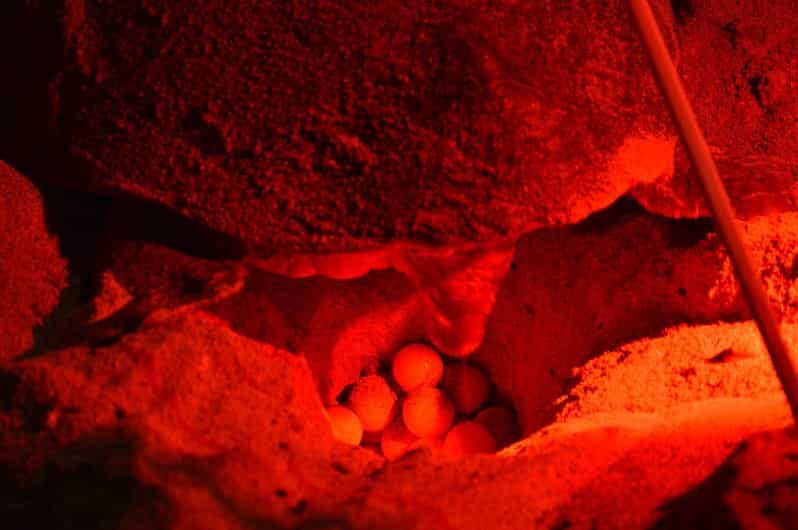
Your first meaningful stop is Kite Beach. This beach has a reputation that changes with the season. In winter, Kite Beach is famous for kitesurfers with strong wind and waves that bring people from far away. Then, during the summer nesting season, the beach mood shifts. The crowds you’d expect in winter are replaced by turtles coming ashore to lay eggs.
That seasonal swap is more than a fun fact. It helps you understand how Cape Verde’s coastal spaces can serve multiple users over the year—humans in one season, turtles in another. When you arrive in the turtle months, you’re stepping into a protected moment where the beach becomes a nesting site rather than a recreation playground.
Here’s what to do with that info: keep your expectations flexible. Turtle watching is not like spotting birds on a feeder. The guide will help you find the best spots for viewing, and you’ll follow instructions to keep distance and avoid disruptive behavior. Also, remember the rule: flash photography isn’t allowed. Phones are fine for normal photos in many settings, but the flash ban is key for wildlife comfort.
If you’re hoping for a full sequence—nesting, eggs laid, then the turtle returning to the water—this is the right kind of tour for that. One of the strongest highlights from real feedback is seeing a turtle lay its eggs and then go back into the ocean, with the whole moment handled respectfully.
Serra Negra, the Black Mountain, and a Wild Beach at Its Base
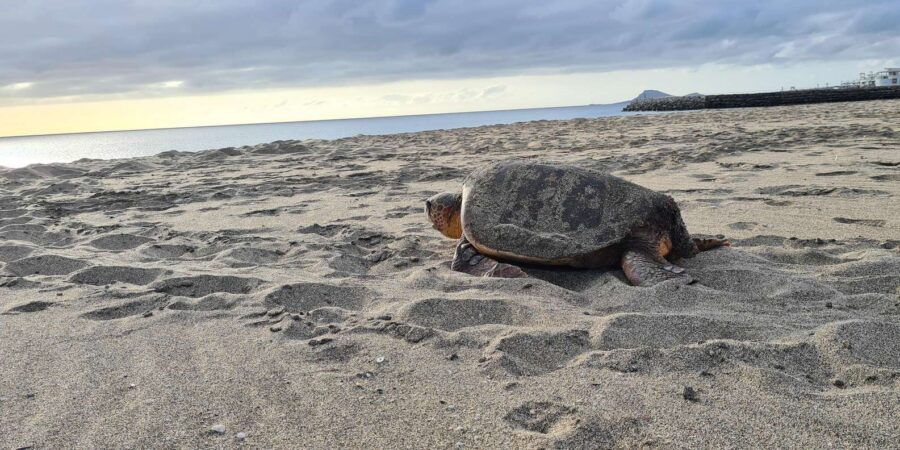
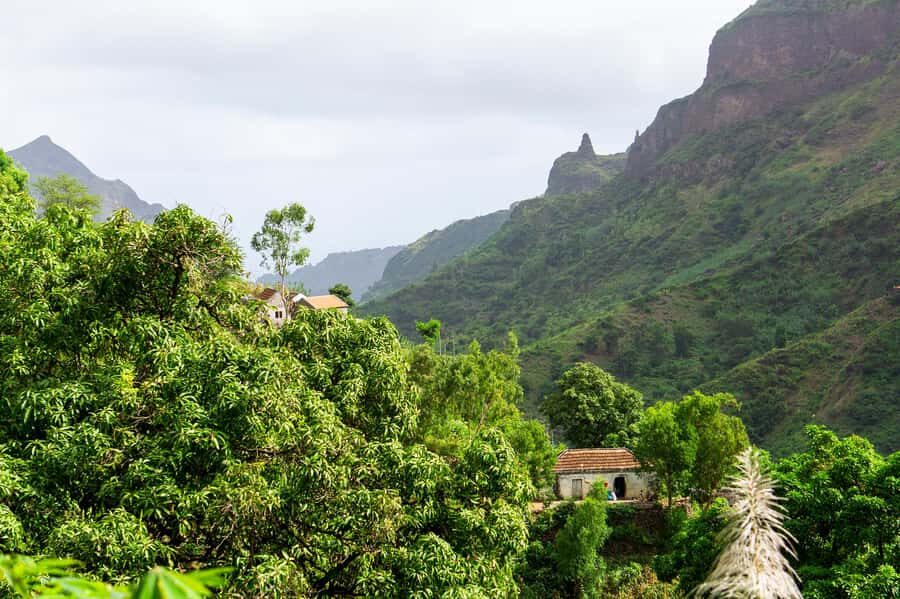
Next up is Serra Negra, often described as the Black Mountain. It sits within a natural reserve on Sal’s east coast. This matters because it sets the scene for a more rugged, less manicured type of beach viewing than you might get at a simple roadside spot.
At the base of the mountain, there’s a beach that can be among the wildest on Sal. And during the summer, it also becomes a turtle nesting area. So you’re not only going to one beach; you’re seeing how the turtles use different parts of the coastline in the same general region.
Why I like this stop as part of the itinerary: it gives context. You start with Kite Beach as the “known for wind, then known for turtles” location. Then Serra Negra adds the natural reserve feel—still coastal, still connected to nesting habitat, but with a different visual atmosphere. That helps the day feel like more than one long waiting game. You’re moving through the reserve with a guide, learning what makes these areas suitable for nesting.
A practical reality to keep in mind: if the turtles are active, they can be close to the action. If conditions are quiet, you’ll still get value from the guide’s interpretation and the chance to view the coastline in a less crowded setting. Either way, you’re outside, you’re learning, and you’re not stuck indoors watching a slideshow of turtle facts.
The Turtle Watching Moment: How You Should Act on the Beach
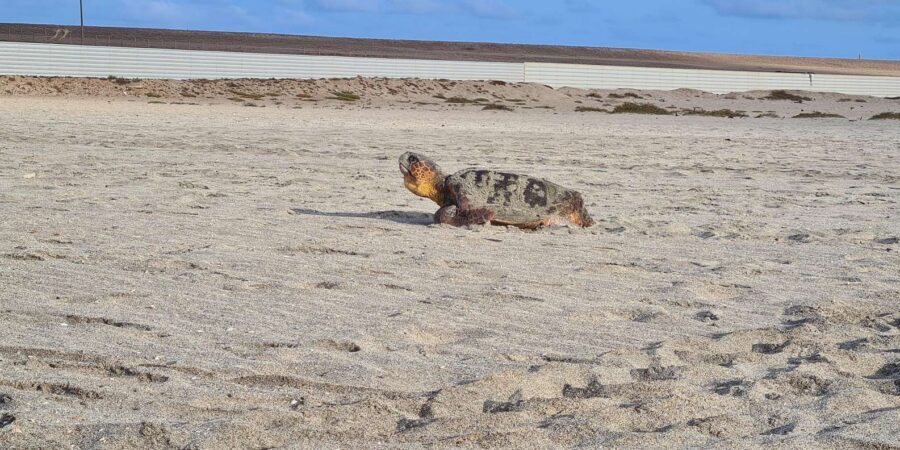
This is a wildlife tour. That sounds obvious, but it changes how you should behave. The goal is simple: you want to watch, not influence.
Here’s how to stay on the right side of respectful turtle viewing, based on the rules and the tour’s eco focus:
- No flash photography. Save the dramatic camera moment for your hotel photos.
- Dress for a practical day outside. The tour requests dark-colored clothes and closed shoes.
- Keep movement calm. If you’re constantly shifting around, you make it harder for wildlife—and for the guide—to manage viewing.
- Follow your professional guide’s direction. The guide is there to explain behavior and also help keep spacing and timing sensible.
You should also think about physical comfort. The tour is described as not wheelchair-friendly and not suitable for people with heart problems. That doesn’t mean it’s a climbing expedition, but it does mean you should be comfortable walking outdoors and standing for stretches while you watch.
One more reason the guide matters: turtles are not just “cute animals.” A good guide connects you to the biology of why they choose certain beaches, and that makes the nesting moment feel meaningful rather than random. Live commentary and a professional guide help you make sense of what’s happening during the time you’re actually there.
What the Tour Teaches You (Besides Where to Look)
The best turtle experiences do two things at once: you see wildlife and you understand it. This tour is built around that. You’ll learn about the turtles and how they make these protected beaches their home, and you’ll get explanations directly tied to what you’re witnessing.
That approach is valuable because turtle behavior can be subtle. Nesting activity takes time, and you might not see everything in one glance. When you know what the guide is pointing out—nesting behavior, returning to the water, and why protected beaches matter—you spend more of the day engaged instead of just scanning.
You also get an eco-tour framing that supports responsible watching. The overall emphasis is on respecting the environment and the animals. It is not only for your good manners. It affects whether the moment feels natural, not intrusive.
Price and Value: Is $46 Worth It?
At $46 per person, this is a fairly straightforward wildlife tour price point, especially because it includes a few things that usually cost extra if you book separately: taxes, fees, hotel pickup and drop-off, live commentary, and a professional guide.
So where is the value really coming from?
- You are paying for interpretation and local handling, not just transport.
- You’re getting access to guided viewing on protected beaches during nesting season—exactly the kind of opportunity that benefits from a pro running the day.
- Hotel pickup reduces friction. Less time negotiating transport usually means more time you’re actually focused on the nature part.
If you’re the type of traveler who loves animals but hates “line up and wait” tours that feel generic, this one is more structured than that. The group is capped at 20, so the guide can manage the viewing rather than rushing everyone through.
Who Should Book This Turtle Watching Eco Tour
This is a strong match for you if:
- You want a guided wildlife experience with professional explanation, not just a viewpoint.
- You’re interested in how coastal ecosystems work during nesting season.
- You like small-group outings where you can ask questions and follow instructions.
It’s less ideal if:
- You have heart problems or a condition that makes outdoor standing and walking difficult.
- You need wheelchair accessibility, since it’s not suitable for wheelchair users.
- You’re looking for a guaranteed turtle sighting from start to finish. Wildlife is wildlife. The tour is designed around nesting season and protected habitat, but nature controls the timing.
For families, it can work well with the right setup. Children must be accompanied by an adult, so bring a capable guardian who can manage pacing and attention.
What to Bring (So You’re Comfortable on the Beach)
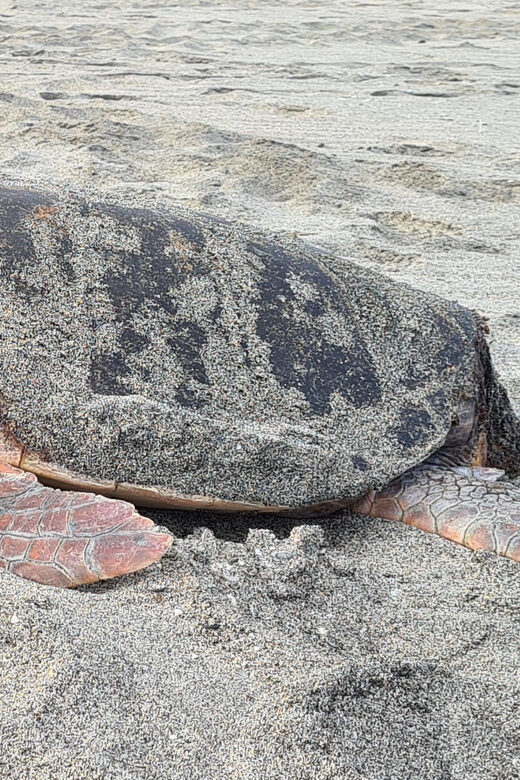
The tour is specific about a few items, and I’d follow them closely:
- Comfortable clothes
- Closed-toe shoes
- Dark-colored clothes are part of the dress code, so plan for that
- Be ready for outdoor time and moderate walking/standing
One more thing: leave the camera flash at home. No flash photography is required, and it helps keep the experience calm for the turtles.
Should You Book It?
If you’re visiting Sal and you care about seeing real wildlife behavior with a guide, I think this is a smart booking. The best reasons are practical: hotel pickup and drop-off, a small group cap, and a professional guide who helps you understand turtle nesting instead of just pointing at sand.
The only time I’d pause is if your health or mobility needs don’t match the tour’s physical demands and restrictions, or if you need full wheelchair accessibility. If you’re flexible, comfortable outdoors, and respect the eco rules, this is the kind of experience that turns a simple beach day into something truly Cape Verde.
In short: book it if turtle season is on your dates and you want guided nature time with responsible viewing.
FAQ
Where is the turtle watching experience located?
It takes place on Sal, with turtle nesting viewing focused on the protected beaches of Santa Maria.
What is the price per person?
The price is $46 per person.
What does the tour include?
It includes all taxes, fees and handling charges, hotel pickup and drop-off, live commentary on board, and a professional guide.
Are transfers from Murdeira Village included?
No. Transfer from Murdeira Village is not included.
What should I bring and wear?
Bring comfortable clothes and closed-toe shoes. The dress code also calls for dark colored clothes.
Is flash photography allowed?
No. Flash photography is not allowed.
How many people are in the group?
This tour has a maximum of 20 travelers. It also requires a minimum of 2 adults per booking.