REVIEW · PALMEIRA
Sal Island tour: Blue Eye, Salt Lake, Sharks w/ Local Guide
Book on GetYourGuide →Operated by SALTOURS by Carlos- Your friend in Sal · Bookable on GetYourGuide
Sal’s magic is salt, sharks, and volcanic glow. This full-day small-group tour mixes headline nature with real island life, and I love how the Blue Eye stop feels otherworldly without being rushed. The other standout for me is walking at Shark Bay and seeing baby lemon sharks in shallow water, with a calm, rules-based setup that keeps the moment respectful. One heads-up: the best swimming moments depend on sea and weather conditions, so plan for photos even if you don’t get in the water.
I also like that you get actual context from a local guide, not just a bus tour of pull-offs. You’ll pass through Espargos and Palmeira, where street art, markets, and daily rhythm explain what Cape Verde’s “morabeza” feels like beyond slogans. My only real caution is practical: you’ll be on your feet on uneven ground, and you’ll want good shoes and a sun-smart plan.
In This Review
- Key things I’d bet on before you go
- Entering Sal’s best-of day with a local guide
- Price and what you actually get for $58
- Pickup in Santa Maria: where the day starts smoothly
- Kite Beach and Murdeira Bay: quick color, big viewpoint payoff
- What to watch for here
- Espargos and Palmeira: where morabeza is more than a slogan
- The realistic drawback: pace can feel full
- Terra Boa mirage: the desert illusion that feels weirdly believable
- Buracona and the Blue Eye: volcanic rock with real drama
- How to maximize the stop
- Pedra de Lume salt lake: float first, explain later
- Practical reality: plan for salt and comfort
- Shark Bay baby lemon sharks: a rules-based wildlife moment
- What I like about how it’s set up
- Grogue tasting and souvenir time: small culture, real connection
- Drink responsibly
- Transportation notes: why the vehicle choice matters
- What to bring (so you don’t suffer later)
- Who this tour fits best
- Should you book this Blue Eye, Salt Lake, and Sharks tour?
- FAQ
- Is hotel pickup and drop-off included?
- How long is the tour?
- What languages are guaranteed with the guide?
- Are entry fees included?
- What should I bring to swim or watch the sharks?
- Is this tour suitable for wheelchair users?
Key things I’d bet on before you go

- Blue Eye glow: volcanic rock and a natural pool, with water access depending on conditions
- Pedra de Lume salt lake float: you’ll feel the crater’s weightless effect (and pay small entry fees)
- Shark Bay viewing: ankle-deep, baby lemon sharks, with safety rules and no touching
- Espargos + Palmeira stops: street art, markets, and local pace, not just scenic overlooks
- Grogue tasting as culture: a small sample that ties the day to Cape Verdean hospitality
Entering Sal’s best-of day with a local guide
This tour is built around a simple idea: Sal isn’t only beaches. It’s geology (volcanoes, salt, desert mirages), animals you can watch safely, and towns where people live their day. I like that the pacing is full but not frantic—you’re moving from one “wow” moment to the next, yet you still get small breaks along the way.
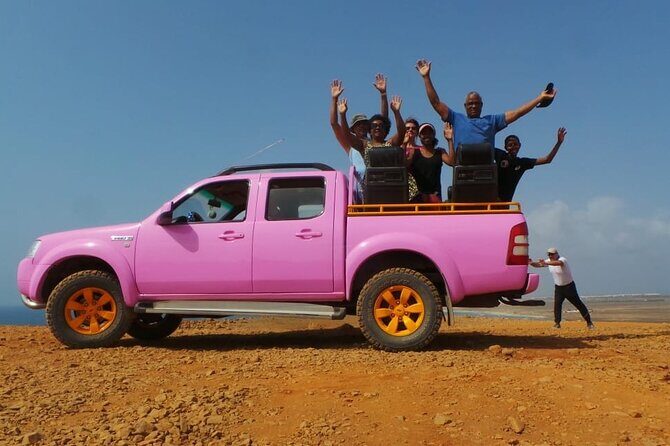
You’ll travel in a 4×4 or air-conditioned minibus, usually in a small group. That matters here because some stops are more spread out than they look on a map, and the road between viewpoints can be rough. You’re also not left guessing what you’re seeing; a certified local guide explains what’s behind the scenes, from why the island looks the way it does to what locals do in each area.
You can also read our reviews of more guided tours in Palmeira
Price and what you actually get for $58
At $58 per person for a 6–7 hour day, the value comes from three things working together: transport, guide time, and multiple major sites in one run. You’re not paying just for one attraction—you’re stitching together Blue Eye, Pedra de Lume, and Shark Bay with cultural stops in Espargos and Palmeira.
Two things cost extra on-site: entry fees and optional add-ons. The included part is the guide, pickup/drop-off in Santa Maria, and the core visits. If you’re trying to keep costs controlled, bring cash for entry fees and any rentals (like water shoes). If you’re trying to maximize your day, this format is efficient—you don’t have to arrange separate trips for each headline stop.
Pickup in Santa Maria: where the day starts smoothly
Pickup is included from Santa Maria (with additional pickup options that can include specific hotel areas like Agua Hotels Sal Vila Verde, depending on what’s confirmed). Plan to be ready at the main entrance or reception area a few minutes early, because the vehicle meets you there and then you’re off.
The tour runs daily, including Sundays and holidays, which is great if you’re on a tight schedule and want consistency. A 6–7 hour day also means you get a full island experience without having to trade your whole week for one outing.
If you’re the type who hates last-minute confusion, do two things:
- confirm your pickup time the night before
- keep your room info handy in case the driver needs to verify the group quickly
Kite Beach and Murdeira Bay: quick color, big viewpoint payoff
The day begins with coastal highlights, starting with Salinas de Santa Maria and a pass-by or short guided segment depending on timing. Then you stop at Kite Beach, where the visuals are the whole point. If you’re into photos, you’ll get a practical break here—sun, wind, and lots of moving color overhead. Even without getting in the water, it’s an easy stop to reset.
Next comes Murdeira Bay, a scenic viewpoint area with panoramic views of Monte Leão, the lion-shaped mountain that’s one of Sal’s iconic natural landmarks. This is one of those stops where the guide’s explanation helps. Without context, it can just look like a rock formation. With context, you start seeing it as part of Sal’s volcanic story—what shaped the coastline, how erosion reads like a map, and why some spots feel dramatically different from town streets.
What to watch for here
Bring sunscreen and keep your hat handy. These viewpoint stops are exposed, and you won’t want to be stuck inside waiting out heat. Comfortable closed shoes matter too, because the walking here is short but sometimes uneven.
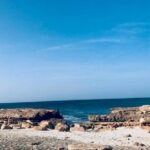
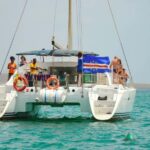
Espargos and Palmeira: where morabeza is more than a slogan

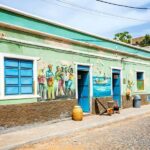
A big reason I like this tour is that it doesn’t only chase nature. It gives you time in Espargos, the island’s capital area, where you can see street art, markets, and everyday life.
In Espargos, you’ll get a guided walk and time to browse. There’s often an optional stop at a viewpoint like Monte Curral, which is useful if you want a higher vantage without booking a separate excursion. Even if you skip an optional viewpoint, the base stop is worth it because it breaks up the “sun + salt + sea” loop with something more human.
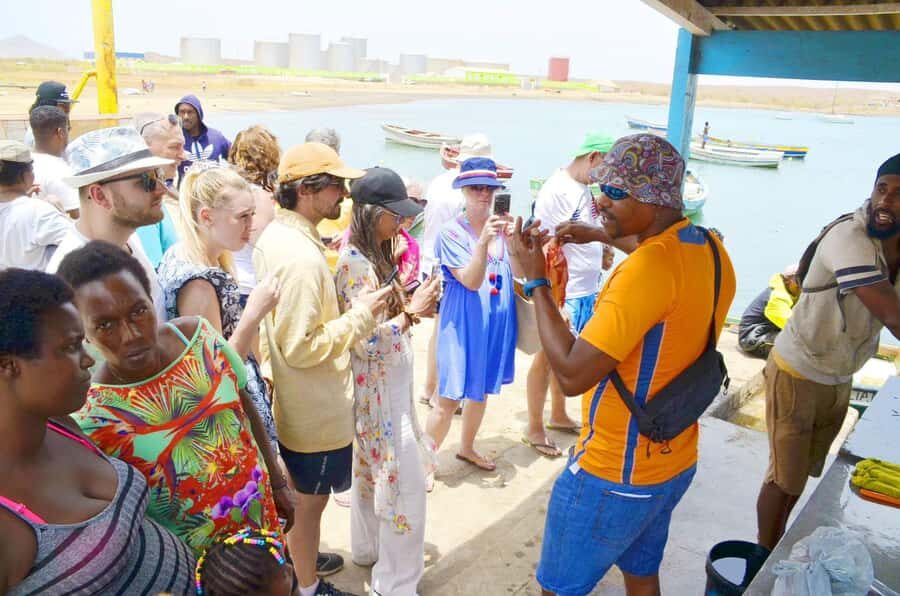
Then you head to Palmeira, a calmer fishing-village feel. This is where the day gets slower. You’ll stroll, talk with locals if the moment allows, and get a sense of how the island’s coastline supports daily routines. If you decide to have lunch here (optional and not included), it’s a nice match: regional food, less rush, and a break before the geology and wildlife stops.
The realistic drawback: pace can feel full
This isn’t a gentle stroll-only day. It’s still a full day with multiple transfers and several short walks. If you’re sensitive to long sun exposure or you don’t like moving around a lot, you may want to compare the private option (which can be more adjustable) against the standard group format.
Terra Boa mirage: the desert illusion that feels weirdly believable
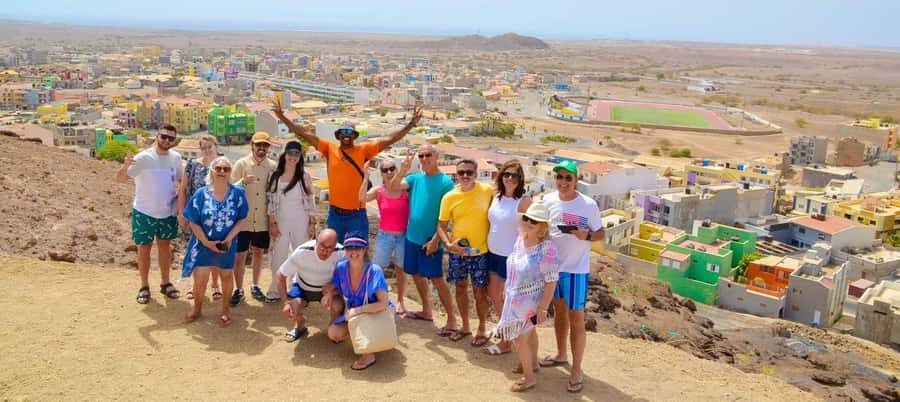
One of the most fun “stop and stare” moments on the route is Terra Boa, the miragem where the desert looks like it’s shimmering like water. It’s a classic heat effect, but on Sal it lands differently because the environment around you makes the illusion easier to read.
This stop tends to be more of a guided explanation plus a photo moment than a long walk. That’s good for you if you’re conserving energy, because it gives you a memorable visual payoff without draining your legs.
A helpful tip: don’t chase the mirage like it’s a guarantee of perfection. Heat and angle matter, so use the stop to get photos and listen to the guide’s explanation—then accept that some days it looks stronger than others.
Buracona and the Blue Eye: volcanic rock with real drama
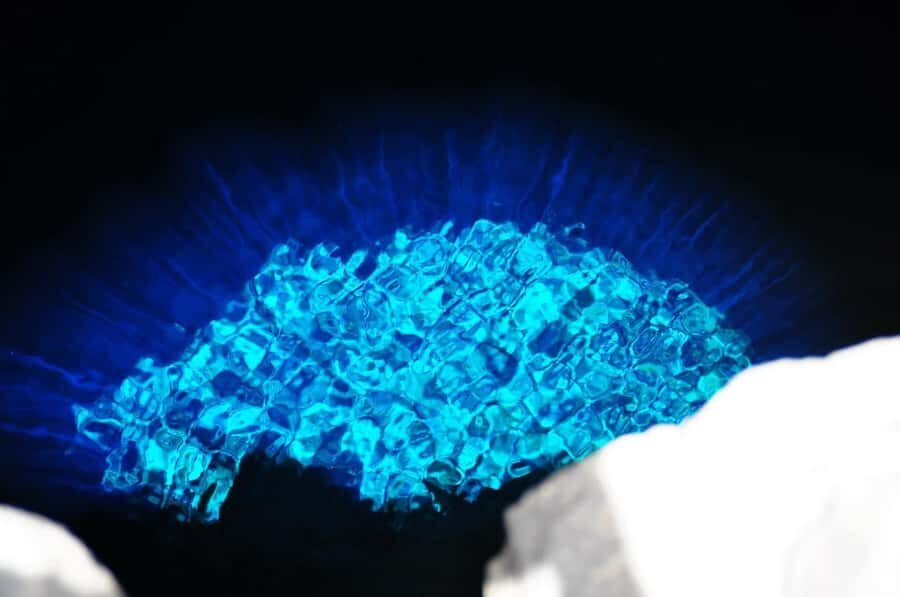
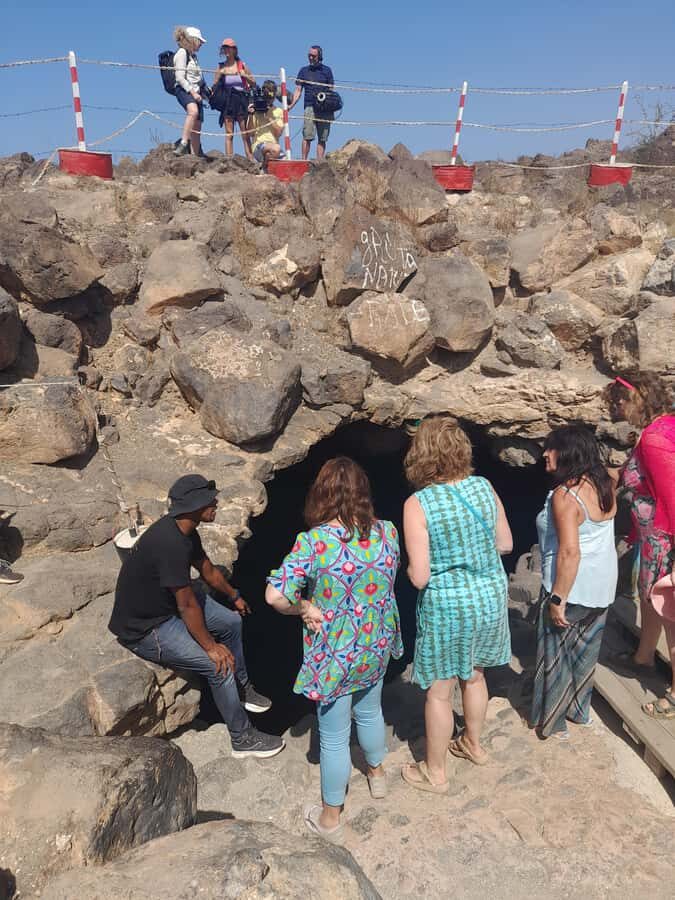
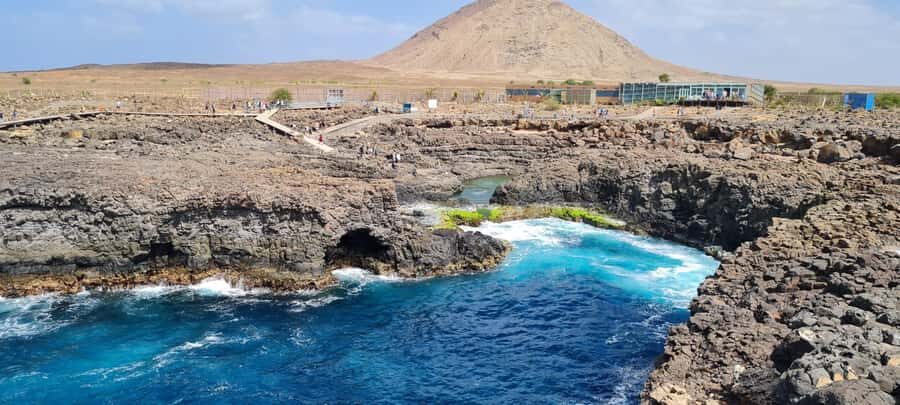
Then you arrive at Buracona and the Blue Eye. This is the star attraction for many people, and for good reason. The Blue Eye is a glowing volcanic lagoon effect in rock, where sunlight creates the “eye” look. It’s one of those scenes where you’ll immediately see why it’s called out as one of Sal’s top wonders.
What you do here depends on conditions. Depending on the sea, you might be able to swim in a natural pool surrounded by lava formations. If swimming isn’t available, you’ll still get the visual spectacle and a scenic walk area.
How to maximize the stop
- Keep your camera ready but don’t block your viewing for others; the area can get crowded in small waves
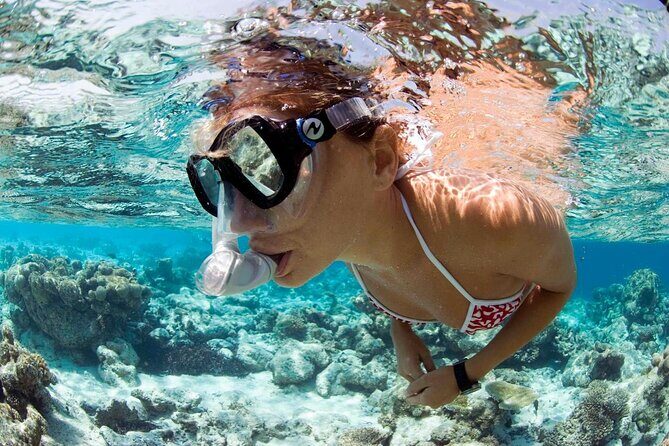
- Wear swimwear underneath if you’re hoping to get in
- Bring water and stay hydrated—this part of the day can be exposed
Small entry fee applies on-site for the Blue Eye area, so bring cash if you want to avoid delays.
Pedra de Lume salt lake: float first, explain later
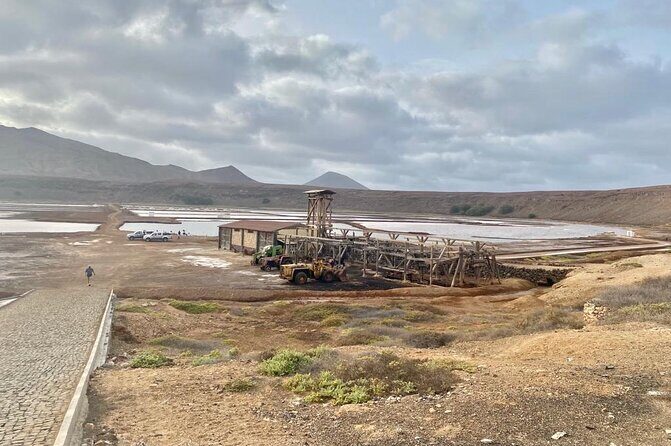
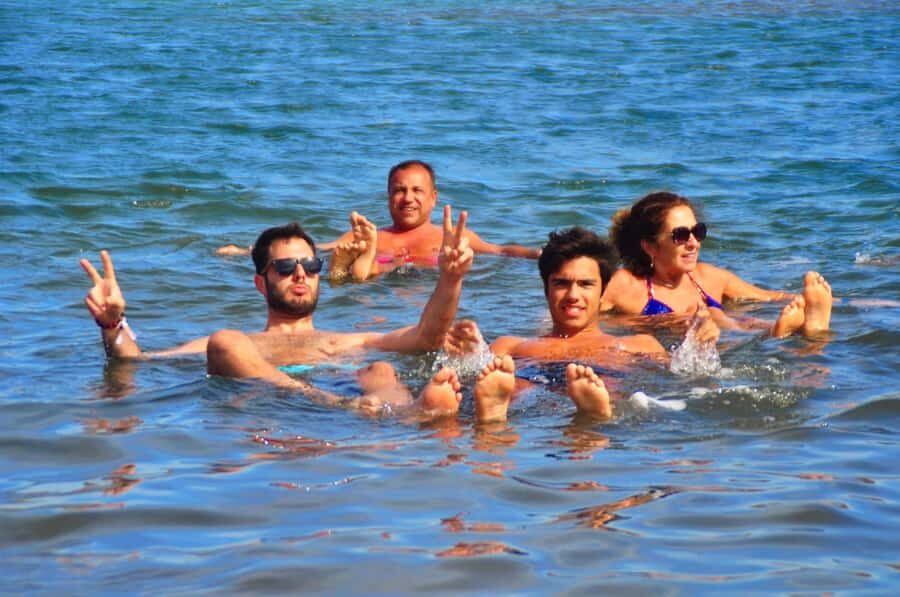
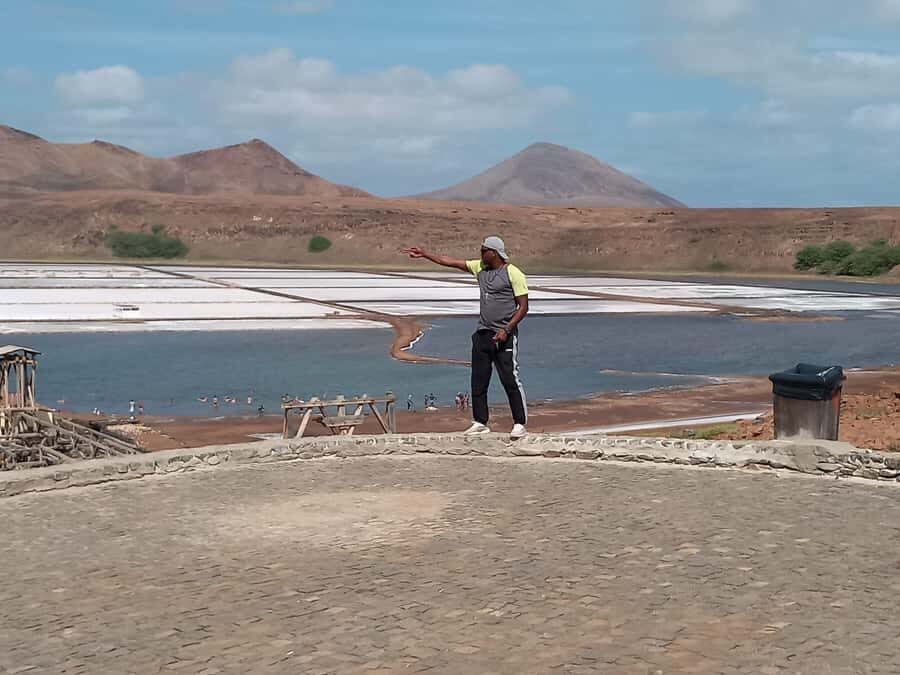
Pedra de Lume is the day’s “sit and feel science” moment. You’ll float in salt-crater waters, so dense that you feel weightless. People often talk about how you look afterward, but I care more about the sensory experience: the way your body moves differently, and how the whole place feels like a natural spa built from geology.
This stop has a clear structure: arrival, guided explanation, then time in the salt crater. You’ll have the chance to walk around salt-pans areas too, and the guide can help you make sense of what you’re seeing beyond the wow-factor.
There’s also a small add-on if you want a shower after the salt bath, and that’s useful because salt water clings. If you want to keep your day feeling comfortable, plan for that step rather than rushing to your next stop.
Practical reality: plan for salt and comfort
Salt gets everywhere. Bring:
- a towel
- a swim-ready setup (and closed, secure shoes around rocky edges)
- sunscreen (salt can make sun feel extra intense)
You’ll pay entry fees on-site for the Pedra de Lume area, so cash helps.
Shark Bay baby lemon sharks: a rules-based wildlife moment
Shark Bay is the wildlife stop, and it’s handled in a way that makes it feel safe and respectful. You walk ankle-deep, and you watch baby lemon sharks glide around you. The key detail is the rule: you’re not supposed to touch marine life. That keeps the encounter focused on viewing rather than interaction.
Water shoes are strongly recommended here, and there’s an optional rental available on-site. I’d take that recommendation seriously, because the shoreline approach can be rocky, and being comfortable helps you stay calm and observant. You also want stable footing—you’ll be standing longer than you think once you start watching.
What I like about how it’s set up
This stop is one of the few where “close-up” doesn’t mean “grabby.” You get a memorable moment without risky behavior. The guide’s presence matters because it keeps everyone moving correctly and not turning the encounter into chaos.
Swimming here depends on conditions, but even without a swim, the viewing time is the point.
Grogue tasting and souvenir time: small culture, real connection
The tour includes a Cape Verdean rum tasting called grogue, usually as a short stop. This isn’t the kind of tastings where you’re trying to become an expert—it’s more about meeting the island through something locals actually do. It also works as a reset between active stops.
There may be optional souvenir browsing time as well. You’ll usually have a chance to pick up small crafts or local items, but the real value of the stop is the guide’s explanation of what you’re seeing and how people make a living here.
Drink responsibly
If you choose the grogue tasting, remember it’s a half-day of driving and walking. Keep it to a sample amount and pace yourself. Alcohol and drugs are not allowed on the tour vehicle, so behave accordingly.
Transportation notes: why the vehicle choice matters
You’ll spend time in transit, so it’s nice that the tour uses a 4×4 or air-conditioned minibus. Heat and sun are real on Sal, and having air conditioning for the longer stretches makes the day feel less exhausting.
The timing is also practical: a pickup window typically falls within a short range around your scheduled time, and the driver will approach your group directly. Still, if you’re in an apartment or something without a hotel reception, the tour notes recommend waiting outside the main gate or front door where the vehicle can stop safely.
What to bring (so you don’t suffer later)
For this type of day, I’d pack like this:
- Closed shoes you can walk in on uneven/rocky ground
- Swimwear, plus a towel
- Sunscreen and a sun hat
- Water bottle (refillable if you can)
- Cash for on-site entry fees and optional rentals (like water shoes)
- Medication you might need
And if you’re tempted to bring valuables: leave jewelry and other unnecessary items back at your accommodation. The salt water + sand + walking day is not the best time to travel with fragile stuff.
Who this tour fits best
This tour is a good match if you want a single day that covers Sal’s headline natural sights plus a taste of towns like Espargos and Palmeira. It also works well if you enjoy guided context, because a lot of these stops make more sense when someone explains the geology and local life behind them.
It’s less ideal if you:
- need wheelchair access (this tour is not suitable for wheelchair users)
- prefer minimal walking on uneven surfaces (private options may be more flexible)
- need a guaranteed swim schedule, since swimming depends on weather/sea conditions
If you’re traveling solo, with friends, or as a couple, a small group keeps the day feeling personal. If you’re traveling with family, baby/infant seats can be available on request.
Should you book this Blue Eye, Salt Lake, and Sharks tour?
If you want the “one-day Sal hits” without doing separate planning for each attraction, I think this is a strong booking. Blue Eye and Pedra de Lume deliver the volcanic-and-salt story in a way that feels both dramatic and genuinely different from beach time. Adding Shark Bay makes it memorable for a reason, not just as a checkbox.
The main reason to hesitate is weather: if the sea or conditions don’t cooperate, you might lose some swim time. If that matters to you, still book—just adjust your expectations and go for the views and the viewing experience, which remain the heart of the day.
If you do book, do two quick prep moves: wear closed shoes, and bring cash for the on-site fees. Then you’ll spend the day enjoying Sal instead of doing last-minute problem solving.
FAQ
Is hotel pickup and drop-off included?
Yes. Pickup and drop-off are included in Santa Maria (with listed options for areas including Agua Hotels Sal Vila Verde, depending on the confirmed pickup details).
How long is the tour?
The duration is about 6 to 7 hours.
What languages are guaranteed with the guide?
English and Portuguese are guaranteed. Other languages may be available on request, but they are not promised.
Are entry fees included?
No. Entry fees are payable on-site, including Blue Eye (€3) and Pedra de Lume/Salt Lake (€6). A shower after the salt bath is €1, and water shoes rental is recommended at €3.
What should I bring to swim or watch the sharks?
Bring swimwear and a towel, plus sunscreen and water. Water shoes are recommended for Shark Bay (and rental may be available on-site). The tour advises closed shoes rather than flip-flops.
Is this tour suitable for wheelchair users?
No. The group tour is not suitable for wheelchair users. The operator notes that mobility impairments may need a private option for personalization.