REVIEW · SAL REI
Shipwreck, Viana Desert & Rabil Pottery
Book on GetYourGuide →Operated by Kapverden Tours · Bookable on GetYourGuide
Boavista isn’t just resorts and beach days. This half-day route links local life in Rabil, the Viana Desert, and the dramatic Cabo de Santa Maria shipwreck—told in a way that feels practical, human, and close-up. I especially like the small-group size, and I really like that you get a certified live guide telling stories from the locals point of view. One possible drawback: it’s a busy 4 hours with a few stops that are mostly photo/quick-walk style, so if you want long stretches at each place, you’ll feel the time pressure.
The loop starts with pickup from select hotels and then heads north, where the island feels less touristy and more day-to-day. You’ll spend time in Rabil Village (including pottery), step into the Viana Desert, and then see the shipwreck area at Atalanta Beach before finishing with Sal Rei city sights and a chapel stop. The main consideration is that food and drinks are not included, so plan a simple snack or budget for water on the way.
In This Review
- Key highlights worth getting excited about
- The real value: why this 4-hour loop feels bigger than it is
- Pickup and routing: how the tour finds you
- Rabil Village: pottery, daily habits, and local culture on purpose
- Viana Desert: walk barefoot across Cape Verde’s big white sands
- Cabo de Santa Maria shipwreck at Atalanta Beach: the story that explains the shore
- Chapel of Our Lady of Fatima and Sal Rei: finishing with city rhythm
- Small-group size and guides: why you get real answers
- Price and practical value: does $64 make sense?
- Who this tour suits best (and who might not love it)
- Should you book Shipwreck, Viana Desert & Rabil Pottery?
- FAQ
- Where is this tour located?
- How long is the tour?
- How much does it cost?
- Is it a small-group tour?
- What languages are available for the live guide?
- What is included in the price?
- Is food and drinks included?
- What stops do you visit?
- Is there free cancellation?
Key highlights worth getting excited about
- Max 5 people: you’ll actually hear answers and questions, not just listen from a distance
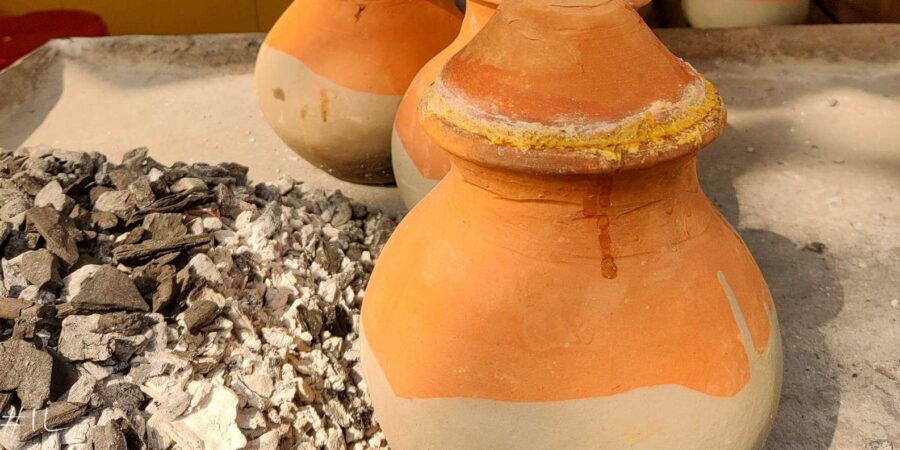
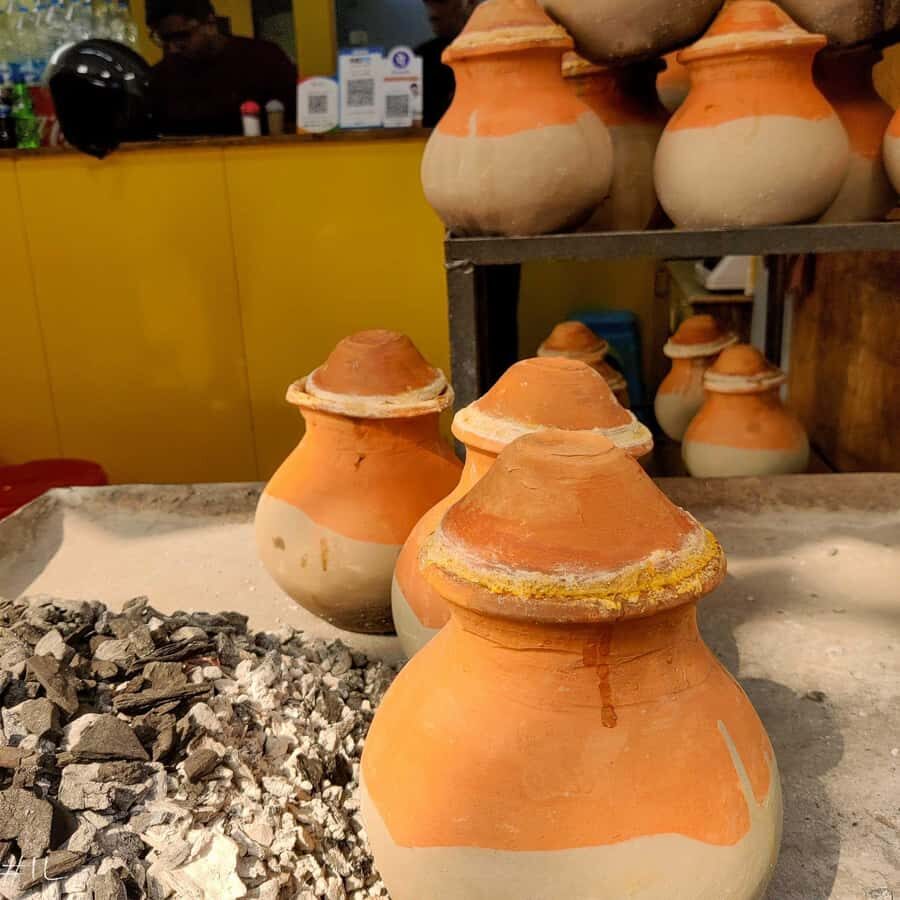
- Rabil pottery workshop time: watch men and women making it, not just posing for pictures
- Viana Desert walk: you’ll walk barefoot through the sandy expanse if you’re comfortable doing so
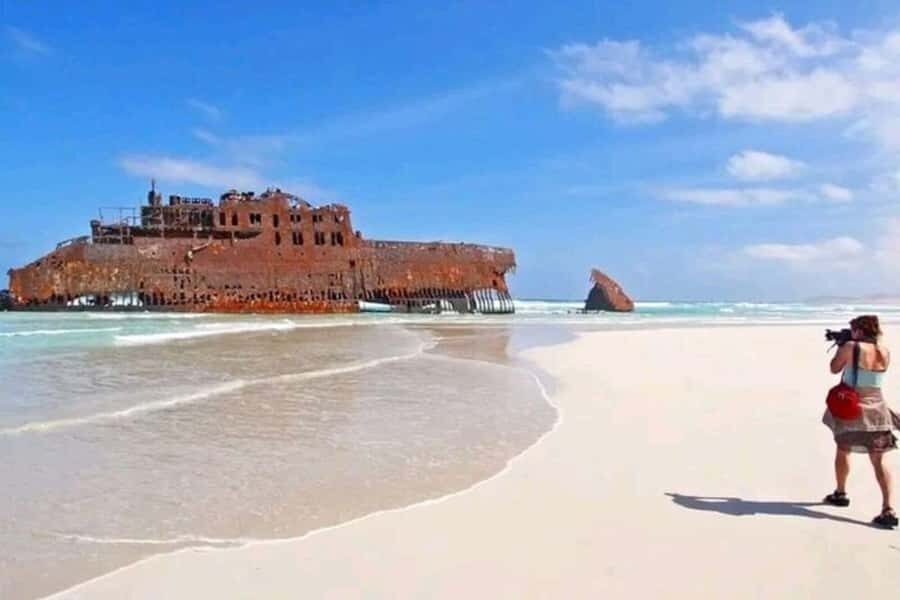
- Cabo de Santa Maria shipwreck at Atalanta Beach: a real survival story tied to famine and drought
- Sal Rei with guided sightseeing: market or city stroll depending on the day
The real value: why this 4-hour loop feels bigger than it is

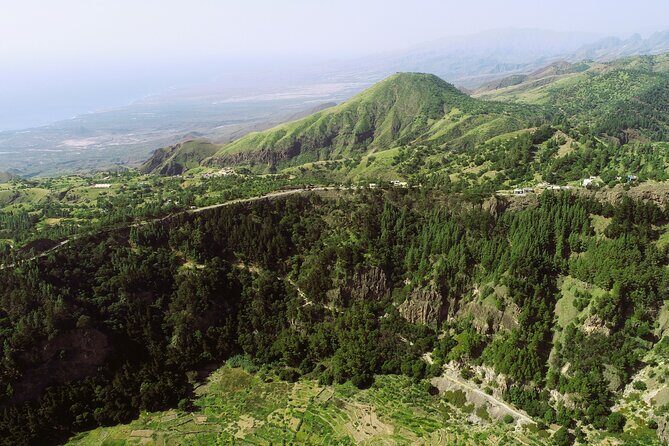
I like tours that compress the best parts of a region without making you feel rushed—and this one hits that balance by focusing on three “anchors”: community (Rabil), nature (Viana Desert), and place-based story (shipwreck/Atalanta). Even though it’s only 4 hours, the stops connect, so you start to understand Boavista as a living island rather than a list of sights.
For $64 per person, the value comes from what’s included: pickup and drop-off, transportation, and a live guide (plus liability insurance and assistance). Food and drinks are not included, so you’ll want to think of this as a tour you do in the morning/afternoon, then eat after—rather than something that functions as your full meal plan.
If you’re staying in a resort bubble, this tour is a good “get your bearings” day. You’ll learn the island’s north side through daily life and hard-earned geography—how people lived, adapted, and built meaning into places like desert sands and shipwreck shorelines.
You can also read our reviews of more tours and experiences in Sal Rei.


Pickup and routing: how the tour finds you
Your itinerary depends on where you’re staying, since pickup points are organized around major hotels. Included pickup/drop-off covers these options: Hotel Riu Karamboa, Hotel Riu Palace Boavista, Ouril Hotel Agueda, Oásis White Hotel, and Iberostar Club Boa Vista. The tour returns you to one of those same areas.
If you’re at Riu Touareg, there’s a 10 EUR extra mentioned for pickup. If your accommodation isn’t listed, you’ll need to contact the provider so they can confirm the right arrangement.
That routing flexibility matters because it affects how much time you spend on the road versus inside the sights. In a 4-hour tour, a little less driving can be the difference between feeling rushed and feeling informed.
Rabil Village: pottery, daily habits, and local culture on purpose
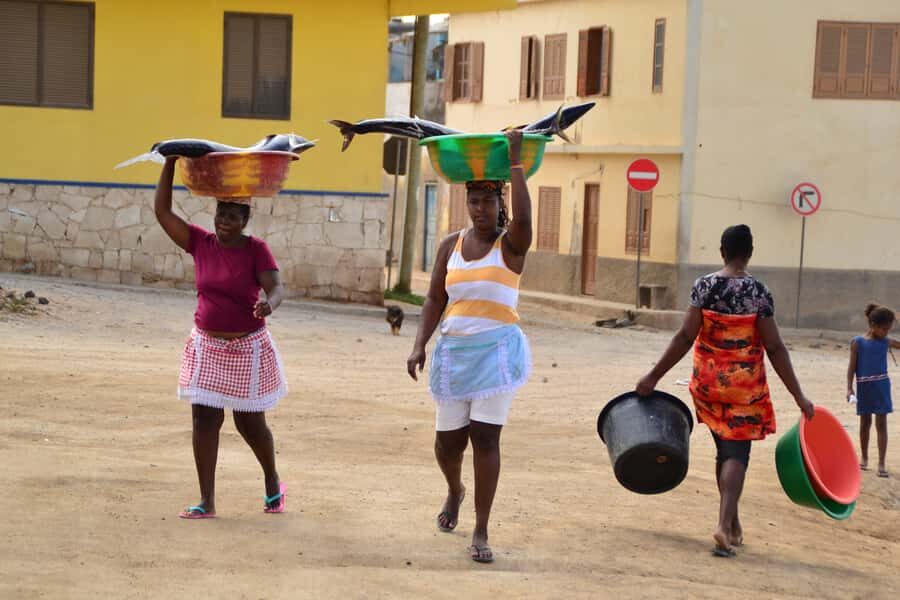
Rabil Village is where the tour becomes more than scenery. You’ll visit the community and learn about the villagers’ ways of life, their cultures, and their habits—not just as facts, but as context for what you’ll see later around the island.
A highlight here is the pottery stop, with a focus on the work done by both men and women in the village. That detail matters because it shifts pottery from a souvenir craft to something rooted in real skills and shared effort.
What to watch for: you’ll get time to see the pottery process/work and understand the role it plays locally. The best way to get value is to ask your guide what’s typical of Rabil’s work style—because the guide is the bridge between what you’re seeing and what it means.
Possible drawback: this part can feel more informational than hands-on. If you’re hoping for a full workshop where you make something yourself, this specific description doesn’t promise that—so set your expectations around observation and explanation.
Viana Desert: walk barefoot across Cape Verde’s big white sands
Then comes the Viana Desert, described as Cape Verde’s largest desert. You’ll explore and take a photo stop, and you’ll walk barefoot through the sandy expanse if you’re comfortable doing that. This is one of those moments where the island’s scale becomes obvious fast—less about a photo backdrop, more about physically understanding the texture underfoot.
The tour also explains the origin of this white-colored desert and how it was formed over millions of years. That’s not just trivia. When a landscape is shaped over such long time spans, it changes how you interpret everything else you’ll see—especially the shipwreck story, which also depends on geography and survival.
Practical tips:
- Bring a cover-up or light layer for the ride, since desert conditions can vary by time of day.
- If you’re sensitive about bare feet, bring something easy to remove and ask your guide what’s realistic once you’re there. Don’t wait until you’re already standing in the sand.
Cabo de Santa Maria shipwreck at Atalanta Beach: the story that explains the shore

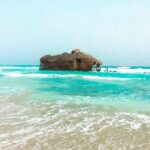
At Praia da Atalanta, you’ll head toward the Cabo de Santa Maria shipwreck area. This isn’t a “cool photo spot” with a vague legend. The story here is tied to survival: the ship grounded on the coast, and that event brought salvation to thousands of island inhabitants during a time of famine and extreme drought.
What I like about this stop is that it makes the shoreline feel meaningful. You’re not just looking at a wreck; you’re learning why people cared about it—how an unexpected maritime event could interrupt an otherwise brutal season.
You’ll have a mix of photo stop time and time to visit the area. If you like history, ask your guide how local people relate to the shipwreck today, since that’s where the present-day “why” often lives.
One consideration: shipwreck areas can be windy and sun-exposed depending on the day. If you’re prone to motion or sun issues, plan for that with water and sun protection even though drinks aren’t included.

Chapel of Our Lady of Fatima and Sal Rei: finishing with city rhythm
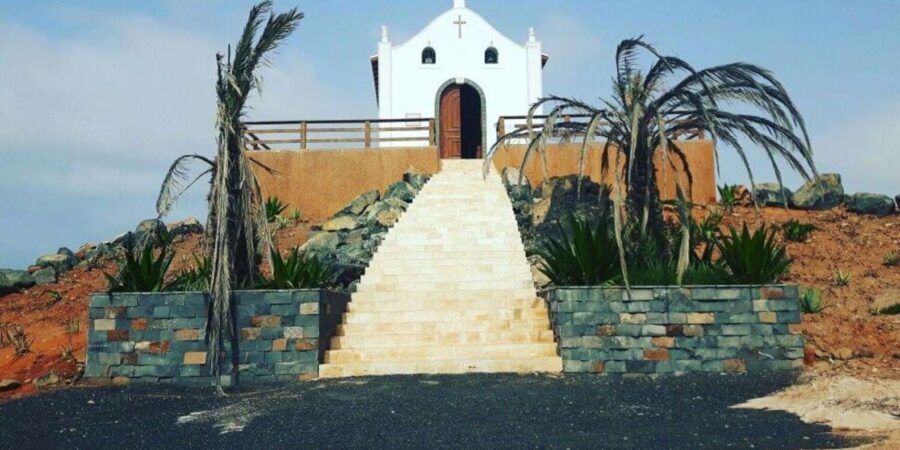
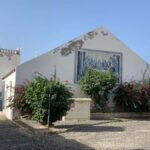
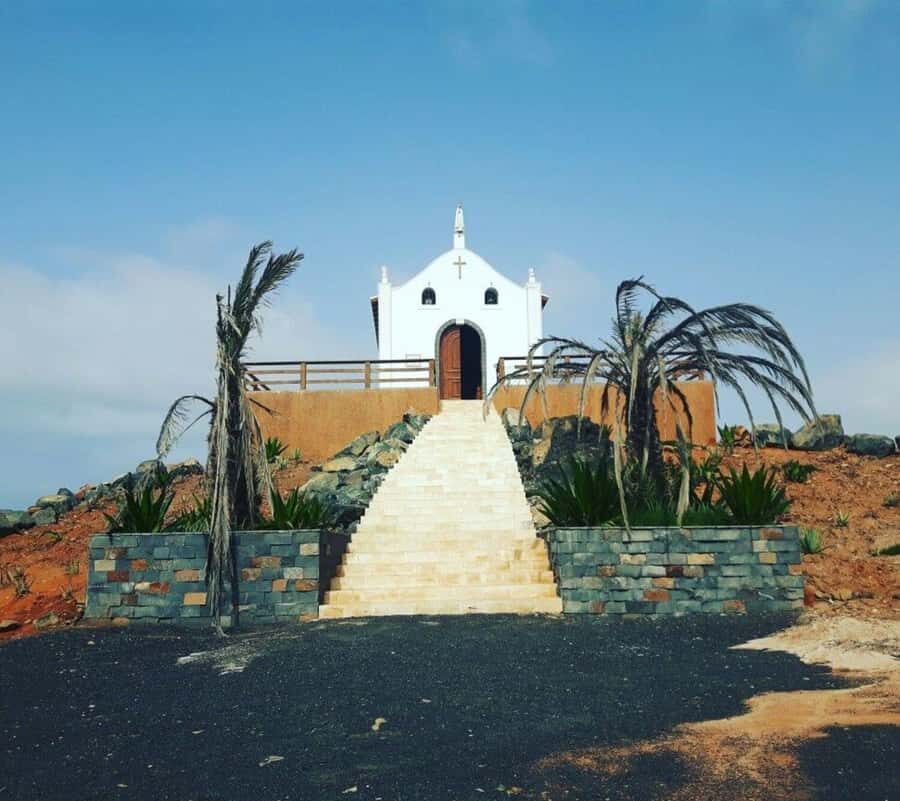
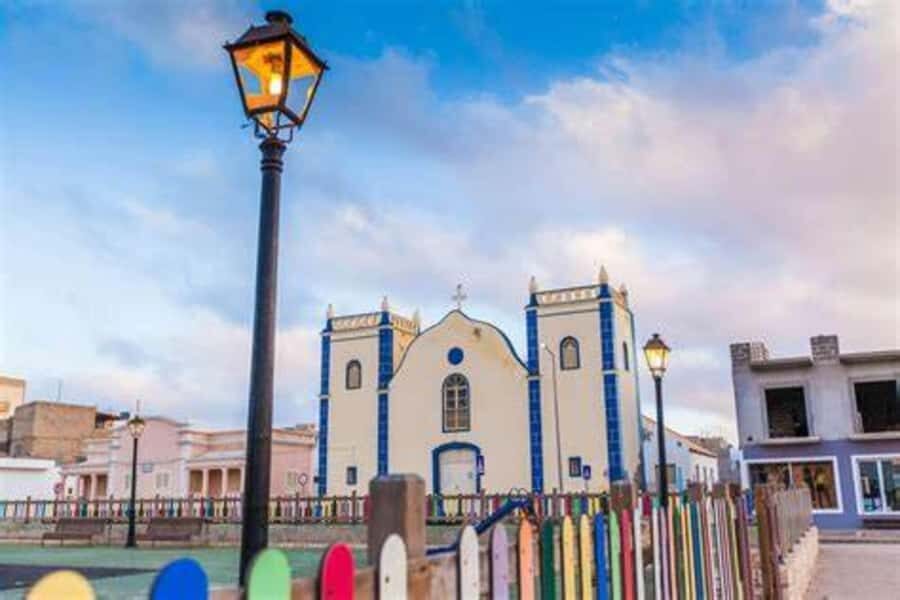
After the desert and shipwreck, the tour slows into people-and-place time again. You’ll stop at the Chapel of Our Lady of Fatima for a photo stop. It’s brief, but it helps you see how faith and daily life share space on the island.
Then it’s on to Sal Rei, where you’ll get a guided tour, sightseeing, and a walk through the city center. Depending on weekdays, you may also catch the vegetable and fish market. On the same day, you’ll likely get free time on the beach of Estoril.
This is a smart ending because it gives you a chance to reset after two more intense stops. The desert is hands-on, the shipwreck is dramatic, and Sal Rei is where you practice the island’s rhythm again—street-level, local commerce, and a bit of downtime.
If you want the most out of this final stretch, keep your energy for walking and questions. Your guide can connect the dots between what you saw in Rabil and what you see in town, especially through market life and community habits.
Small-group size and guides: why you get real answers
This is a small-group tour limited to 5 participants. That size is a big deal on a tour like this, where you’ll move between very different settings and you’ll want explanations that don’t feel rushed.
You also get a live guide with multiple language options: Portuguese, French, English, Italian, and Spanish. So if you’re traveling with a group that includes different language comfort levels, you’re more likely to find the right fit.
One guide name you might hear is Eddie. In English, Eddie has been praised for first-class knowledge of the island and history, plus an extra treat that rounded off the day. Even without knowing who you’ll get, the point is consistent: the guide is the product here, and the stories are what turn locations into understanding.
Price and practical value: does $64 make sense?
At $64 per person for a 4-hour tour, you’re paying for more than sightseeing. You’re paying for:
- pickup/drop-off from major hotels
- transportation between multiple north Boavista highlights
- a live certified tour guide
- structured time at Rabil, Viana Desert, and Atalanta shipwreck
- return to your hotel area
What’s not included is also important: food and drinks. So if you’re going during a time when you normally eat, budget for a snack and plan your meal after. This is one of those trips where you’ll feel the value most if you treat it like an active outing rather than a self-contained all-in experience.
If you compare it to DIY driving, the math usually improves with a guide—especially because the guide adds meaning, not just directions. You could reach the places by car, but you’d miss the explanations that connect pottery, desert formation, and shipwreck survival.
Who this tour suits best (and who might not love it)
This tour is a great match if you want:
- a north Boavista day that feels less resort-only
- local culture time in Rabil, especially the pottery work
- nature with a story attached, like the Viana Desert explanation
- a shipwreck stop that actually connects to hardship and survival
- a small group with room for questions
It may be less ideal if you want slow travel, long lounging, or lots of free wandering. This itinerary is designed for a short, focused loop with photo stops and guided city time at the end.
It also includes walking on sand and a barefoot desert component, so keep your comfort level in mind.
Should you book Shipwreck, Viana Desert & Rabil Pottery?
If you’re trying to understand Boavista beyond beaches, I’d book it. This is one of those 4-hour days where you come back with stories you can actually repeat—Rabil pottery as a living craft, Viana Desert as a real natural phenomenon, and the shipwreck as a survival turning point rather than a random coastal oddity.
Book it if you want small-group attention, a guide who can connect the dots, and a day that doesn’t leave you stuck only in Sal Rei or only at the resort strip. Skip it if you want lots of free time at each stop or you’re not comfortable with the desert barefoot segment.
FAQ
Where is this tour located?
It takes place on Boa Vista Island in Cape Verde, focusing on the north of the island.
How long is the tour?
The duration is 4 hours.
How much does it cost?
The price is listed as $64 per person.
Is it a small-group tour?
Yes. The group is limited to 5 participants.
What languages are available for the live guide?
The tour guide operates in Portuguese, French, English, Italian, and Spanish.
What is included in the price?
Pickup and drop-off from your accommodation (with listed hotel options), transportation, a tour guide, liability insurance, and assistance.
Is food and drinks included?
No. Food and drinks are not included.
What stops do you visit?
You’ll visit Rabil Village (including pottery), the Viana Desert, Praia da Atalanta (shipwreck area), the Chapel of Our Lady of Fatima (photo stop), and Sal Rei city center with sightseeing and walking (including market options depending on the weekday).
Is there free cancellation?
Yes. You can cancel up to 24 hours in advance for a full refund.