REVIEW · RIBEIRA GRANDE
Ribeira Grande: Hiking Day Trip to Ribeira de Torre
Book on GetYourGuide →Operated by Bu Country Tours · Bookable on GetYourGuide
Santo Antão rewards patient hikers. This day trip through the Ribeira de Torre valley strings together rural villages, terrace farmland, and a real swim option at a natural pool. I especially like the mix of views and everyday life, and I also love how the guide makes it easy to talk with local people. The main catch is that the route has climbs and you should think twice if heights make you nervous.
I’ve heard this trip shines when the guide stays curious and conversational, like João did for one visitor I read about. You’ll likely get clear explanations about local plants and how people live off the land, and you can ask questions without feeling rushed. The only drawback I’d flag is that it’s not a sit-and-stare tour, so you’ll need to pace yourself on uneven ground.
You’ll start with pickup in Ribeira Grande, then ride up to the trailhead in Faja da Cima at about 1,480 meters before a roughly 4-hour nature hike. Expect a steady walk with photo moments, plus a rum distillery stop at the end. And since food and drinks aren’t included, I’d plan on bringing water and keeping your energy up with snacks if you need them.
In This Review
- Key Highlights You’ll Feel on the Walk
- Where This Day Trip Goes, and Why It Works
- Starting in Ribeira Grande and Climbing to Faja da Cima (1,480 m)
- Faja da Cima to Rabo Curto: Flora, Steep Notes, and Better Views Later
- Lombo de Pedra: Terraces and Small Houses You Can Actually Understand
- Crossing Hills Toward the Ribeira de Torre Valley
- Chu Chu (Xoxo): Big Valley Views and the Waterfall Moment
- The Descent: Banana and Coffee Plantations Along the Way
- Grogue Rum Distillery: Why the End Stop Feels Worth It
- Price and Value: What $100 Gets You (and What It Doesn’t)
- Who This Tour Suits Best (and Who Should Skip It)
- What to Bring So the Day Feels Easy
- Book or Pass: My Honest Take
- FAQ
- How long is the Ribeira Grande hike trip to Ribeira de Torre?
- How long is the nature hike part?
- Where does the hike start?
- Do I get hotel pickup and drop-off?
- What languages are the guides available in?
- Is food or drinks included?
- Is there time to swim?
- When is rum production happening at Grogue?
- Who should not book this tour?
Key Highlights You’ll Feel on the Walk
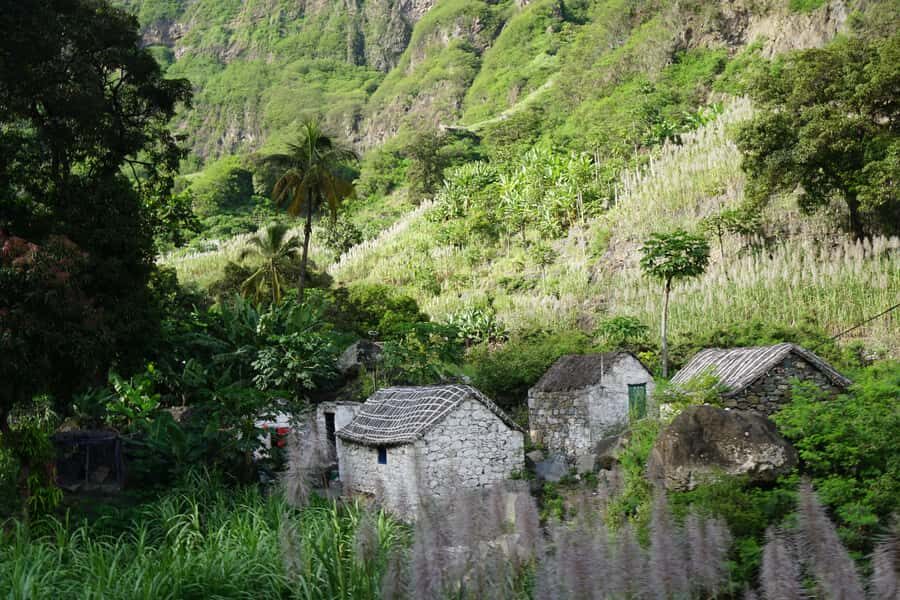
- Ribeira de Torre valley views from village paths, with dramatic mountain backdrop
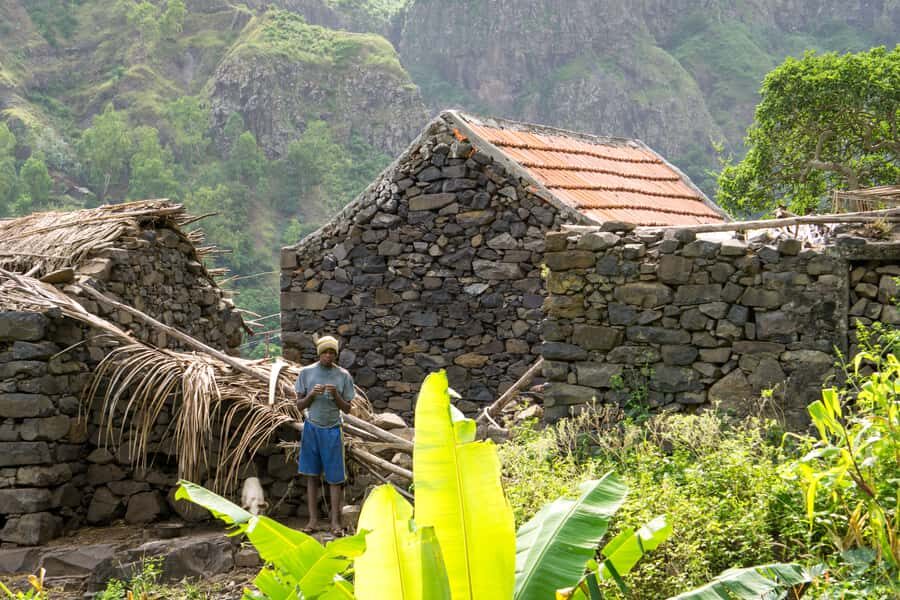
- Rural village walking through places like Chu Chu (Xoxo), where you see daily life up close
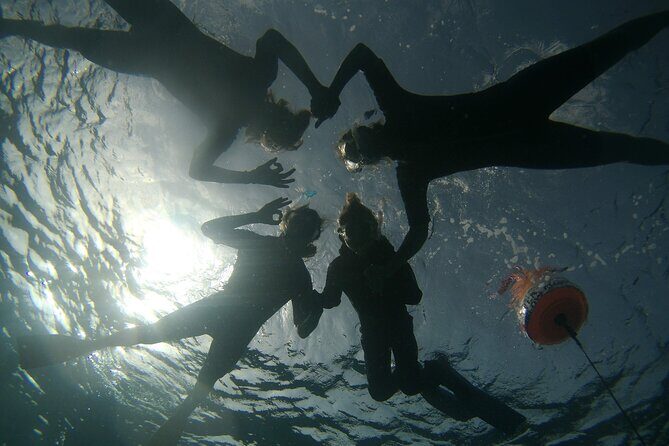
- Waterfall + natural pool swim option if conditions and your comfort level work for you
- Agricultural terraces and small houses, plus sugar cane and fruit trees along the trail
- Grogue rum distillery visit to understand how local rum fits into the culture
- Conversation-friendly guiding in English, French, Portuguese, or Spanish
Where This Day Trip Goes, and Why It Works
This tour is built around a simple idea: hiking in the morning, local culture in the middle, and a meaningful food-and-drink stop before you head back. From the start, you’re not just walking through scenery—you’re moving through how Santo Antão grows food and how communities shape the land.
The route is memorable because it changes as you climb and descend. You’ll see lush natural flora early on, then cultivated terrace patches and small homes that look almost stitched into the hillsides. Later, the valley opens up around Chu Chu (Xoxo), and you get that classic moment where everything feels bigger—ridge lines, farmland, and distant mountains all at once.
And then you get a practical payoff: a waterfall nearby, with the real-world bonus of an option to swim in a natural pool. Even if you skip the dip, it’s a great place to cool off, reset, and take photos without the schedule feeling frantic.
Starting in Ribeira Grande and Climbing to Faja da Cima (1,480 m)
Pickup happens from your accommodation in Ribeira Grande, and you’ll want to be ready about 10 minutes early in the lobby. This matters because the drive up to the trailhead sets the tone for the day—expect a scenic ride with time to settle before you start moving on foot.
The trail begins in Faja da Cima at an altitude of roughly 1,480 meters. You don’t need to get overly technical about altitude, but it does mean the hike starts with a bit of uphill effort right away. If you’re used to flatter islands or city walking, it helps to go slower than your ego wants. I like setting a rhythm early so I don’t burn energy before the real views start.
This first stretch also helps you mentally transition: you leave town behind, and within a short time you’re in countryside where you can focus on foot placement, plants, and that quiet mountain feel.
Faja da Cima to Rabo Curto: Flora, Steep Notes, and Better Views Later
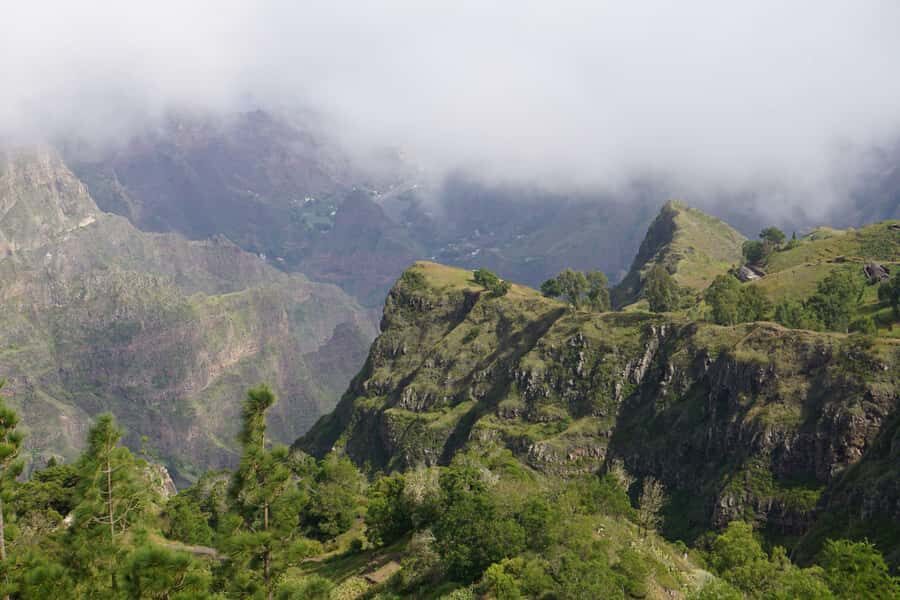
After the drive, you’ll begin hiking up the slopes toward Rabo Curto. This leg is where the Santo Antão character shows up fast: narrow trails, hillside vegetation, and a sense that you’re walking through a living patchwork.
You’ll pass through areas described as lush natural flora, so it’s not just a “look at rocks” kind of walk. The upside is that the trail feels less monotonous, and you’ll probably spot plants that the guide can point out. One reason people rate this trip so highly is the guide’s willingness to answer questions about the country, local fauna, and flora, so don’t be shy about asking what you’re seeing.
The possible drawback: the route isn’t flat. If you’re afraid of heights, or if you feel uneasy on steep slopes, this part can be stressful. Even if you’re fine physically, your comfort level matters. For this reason, I’d treat the “not recommended for heights” note seriously rather than as fine print.
Lombo de Pedra: Terraces and Small Houses You Can Actually Understand
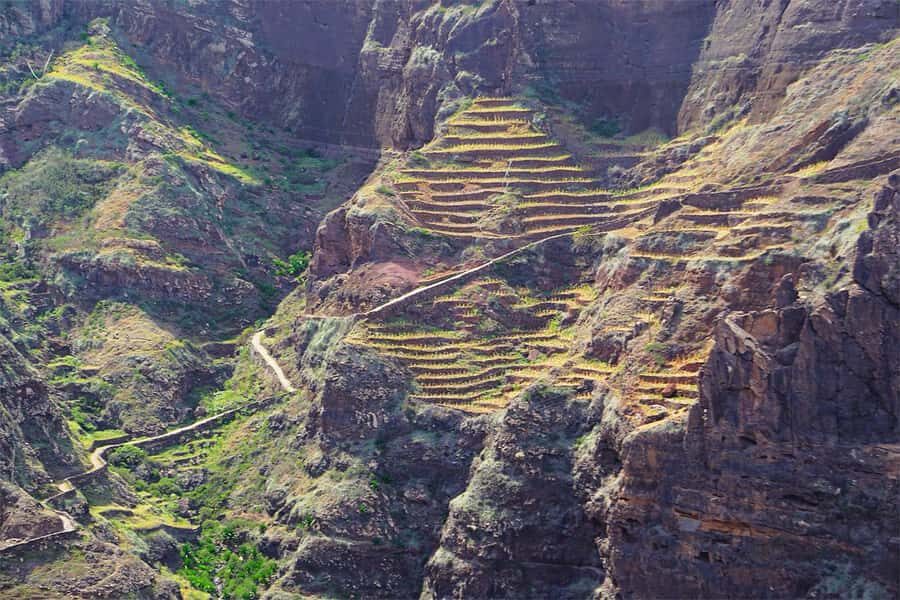
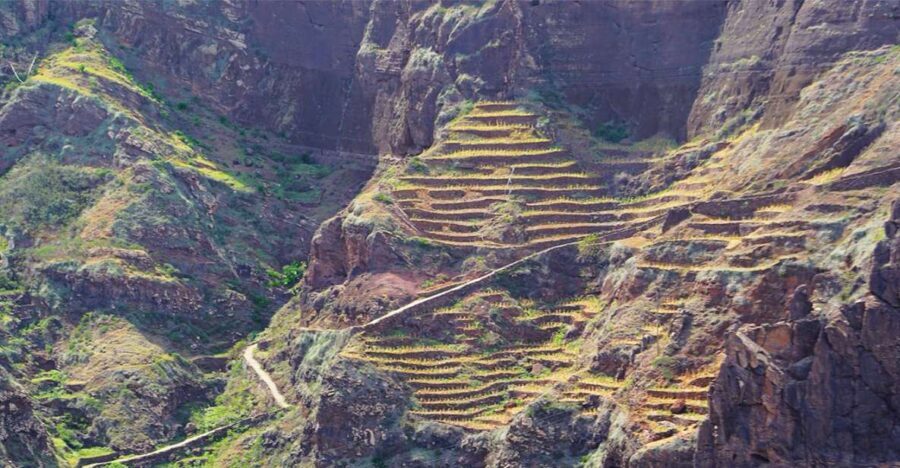
As you continue, you’ll reach Lombo de Pedra, with cultivated agricultural terraces and small houses along the way. This is one of my favorite types of stops: not a museum, not a viewpoint bus parked for ten minutes—just the island’s food system in front of you.
The terraces matter because they explain how people manage steep land. When you see crops laid out in layers like this, you immediately understand why the landscape is so agricultural. It’s also a good photo moment without needing any special viewpoint equipment—just watch your footing, then turn your camera toward the layered fields.
Here’s a practical tip: terrace trails can make distances hard to judge. What looks like a short hop between homes often takes longer on uneven steps. Keep moving steadily, and trust the guide to set a pace that keeps the group together.
Crossing Hills Toward the Ribeira de Torre Valley
After Lombo de Pedra, the hike involves crossing hills on the way into the Ribeira de Torre valley. This phase is where you start to sense the valley shape—how the terrain funnels you forward, and how the vegetation shifts again as you lower toward the watercourse.
You’ll see sugar cane and fruit trees as you walk. This is where the day stops feeling like a single “scenery hike” and starts feeling like a guided introduction to local farming. It also gives you a nice contrast when you later reach Chu Chu (Xoxo): the valley view isn’t random; it’s the payoff of all that agricultural movement you’ve been watching.
If you like photography, this is a good time to pause strategically. Don’t stop for long, but do take a couple of quick frames when the trail opens. The light can change quickly in mountain valleys, and you don’t want to wait too long for the best angles.
Chu Chu (Xoxo): Big Valley Views and the Waterfall Moment
When you arrive in Chu Chu (Xoxo), you’ll get sweeping views back over the Ribeira de Torre valley. This is a strong highlight because it’s not only pretty—it’s clarifying. Looking out from here helps you connect what you walked through earlier: the terraces, the ridges, and the way the valley holds farmland and homes.
Then there’s the waterfall. You’ll pass close to it, and the tour includes the option to take a refreshing dip in a natural swimming pool. This is the part I’d treat as a decision point based on your comfort and the conditions on the day.
If you’re going to swim, bring the right mindset: you’ll want to move carefully on slippery edges and keep an eye on where you’re stepping. Also, remember that your shoes and the timing matter—swimming can make you feel warmer, but wet footing can also slow you down later.
If you don’t swim, the waterfall stop still works. You get a break from uphill walking, fresh air, and a chance to refocus your photos and energy before the hike back down.
The Descent: Banana and Coffee Plantations Along the Way
On the way down, you’ll see banana and coffee plantations. This is a great tonal shift from the earlier terrace walking. You go from mixed patchwork fields and small houses to more recognizable plantation patterns, and it gives you a fuller picture of what people grow and how varied the valley can be.
This descent is also when you can feel your day in your legs. If you’ve been walking fast early, this is where it catches up. I recommend staying controlled on the downhill sections. You don’t need to power-walk; you need stable steps.
One more practical note: if the ground is damp, treat every step like it matters. It’s not just about avoiding slips—it’s how you keep your energy for the final stop.
Grogue Rum Distillery: Why the End Stop Feels Worth It
At the end of the route, you’ll visit a local rum distillery called Grogue. Even if you’re not a hardcore spirits person, this stop adds context. The hike has shown you crops and agriculture; the distillery connects those dots to what gets produced from local sugar and know-how.
There’s also a seasonal detail you should keep in mind: rum production runs from January 1st to May 31st. If you’re visiting outside that window, your experience might still include the distillery visit, but production may not be happening in the same way. It’s worth asking the guide what’s operating during your dates so you don’t assume you’ll see everything.
This is also where your guide’s communication style really matters. People tend to enjoy this part when the guide can explain how rum fits into local life, not just what the process is.
Price and Value: What $100 Gets You (and What It Doesn’t)
The price is $100 per person, and for a six-hour day, it’s best understood as paying for three things: transportation from your hotel, guided time on the hike, and the distillery stop.
You’re getting:
- Hotel pickup and drop-off in Ribeira Grande
- A guide in English, French, Portuguese, or Spanish
- About a 4-hour nature hike
- Liability insurance
What you’re not getting:
- Food and drinks
So the real value question is whether you’ll make use of the full day. If you want a guided walk with local context plus a cultural food-and-drink stop, this price can feel fair. If you mainly want a cheap nature walk and you don’t care about explanations or the distillery, you might find alternatives.
My practical advice: since food isn’t included, budget for snacks and plan your water. Even if you bring just a light pack of energy food, you’ll enjoy the waterfall and valley view more.
Who This Tour Suits Best (and Who Should Skip It)
This is a hike-first day trip, so it suits people who enjoy walking on uneven terrain and want authentic rural Santo Antão rather than a quick photo stop.
It’s not suitable for:
- Children under 12
- People with mobility impairments
- Wheelchair users
- People afraid of heights
If you’re in good hiking shape and you’re comfortable on slopes, you’ll likely enjoy this route. If you’re unsure about heights, I’d ask yourself a simple question: do you feel tense on trails with drop-offs or steep angles? If the answer is yes, skip it and choose something more level.
What to Bring So the Day Feels Easy
This tour is straightforward, but the small stuff matters.
Bring:
- Hiking shoes (not just sandals)
- Hat and sunscreen
- Water
- Comfortable clothes
I’d add one more practical mindset: pack like you’ll be outdoors for hours, including potentially sun-heavy moments near viewpoints and open valley paths. The “swim option” also means you should think about whether you want a quick towel or a change of clothes, since the tour details don’t specify what’s provided.
Book or Pass: My Honest Take
I’d book this tour if you want a guided day that mixes real walking with real rural life: terraces, villages like Chu Chu (Xoxo), a waterfall stop, and the Grogue rum distillery to close the loop. It’s also a strong pick if you like asking questions, because this experience benefits from guides who actually answer and explain what you’re seeing.
I’d pass if you’re worried about heights, if you need an accessible route, or if you dislike hiking for long enough that your legs start talking back. And if you’re the type who wants food included without planning ahead, you’ll need to handle snacks on your own.
If you do decide to go, plan your date around the rum production season (Jan 1 to May 31) if you care about seeing active production. Also, keep the practical side in mind: free cancellation up to 24 hours in advance is convenient, and reserve-now-pay-later is helpful when your schedule is still moving around.
FAQ
How long is the Ribeira Grande hike trip to Ribeira de Torre?
The total duration is about 6 hours, including pickup, transport, hiking, and the distillery stop.
How long is the nature hike part?
You’ll hike for around 4 hours.
Where does the hike start?
The trailhead is in Faja da Cima, at an altitude of about 1,480 meters.
Do I get hotel pickup and drop-off?
Yes. You’ll be picked up from your accommodation in Ribeira Grande and returned there at the end.
What languages are the guides available in?
Guides are available in English, French, Portuguese, and Spanish.
Is food or drinks included?
No. Food and drinks aren’t included.
Is there time to swim?
There’s an option to take a refreshing dip in a natural swimming pool near the waterfall.
When is rum production happening at Grogue?
Rum production runs from January 1st to May 31st.
Who should not book this tour?
It’s not suitable for children under 12, people with mobility impairments, wheelchair users, or people afraid of heights.